5 Tiny Creatures That Create Huge Noises

When you think of animals that make loud noises, you may imagine a lion’s roar, an elephant’s trumpet, or perhaps even a sperm whale’s earsplitting subaquatic clicks. But small creatures can make a lot of noise, too — the incessant yapping of an excited chihuahua is proof enough of that.
But even chihuahuas pale in comparison to some of the animal kingdom’s noisiest little creatures. Across oceans, rainforests, and backyard ponds, some of our planet’s smallest inhabitants have managed to produce sounds loud enough to rival gunshots, rock concerts, and jackhammers. Here are five small animals that make an outsized amount of noise.
Pistol Shrimp
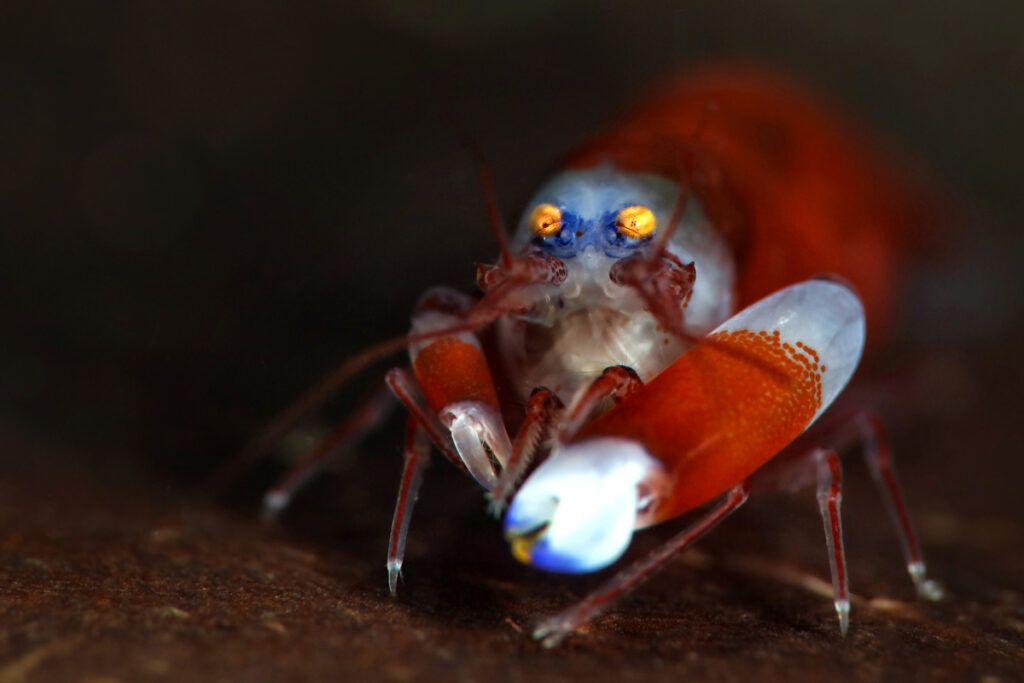
Despite measuring little more than an inch in length, the pistol shrimp produces one of the loudest sounds in the entire ocean, something it achieves using nothing but a specialized claw. When that claw snaps shut, it shoots out a jet of water so fast that it creates a collapsing cavitation bubble, generating a sharp crack reaching roughly 220 decibels — louder than a gunshot — that can stun or kill a small fish. Incredibly, the snap also creates a flash of light and a burst of heat around 8,700 degrees Fahrenheit, which is nearly as hot as the surface of the sun.
Water Boatmen
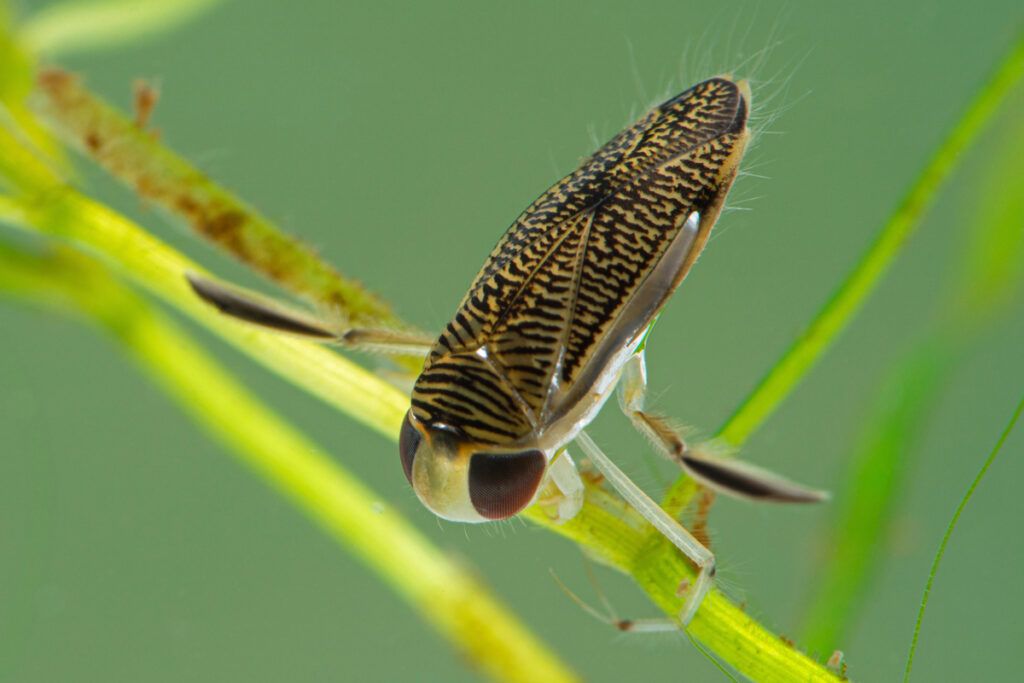
Guinness World Records is full of strange feats, but few are more peculiar than the record for “loudest penis.” This slightly dubious title is held not by a blue whale or an African elephant, but by a tiny water boatman (Micronecta scholtzi) that measures just 2 millimeters long.
When a male boatman wants to attract a mate, it rubs its penis against corrugations on its abdomen in a process known as stridulation, creating a chirping sound that reaches up to 99.2 decibels, about the same as a jackhammer or lawnmower. Some of that sound is lost when it moves from water into the air, but it’s still loud enough for humans to hear while taking a stroll along the riverbank.
Coquí Frogs
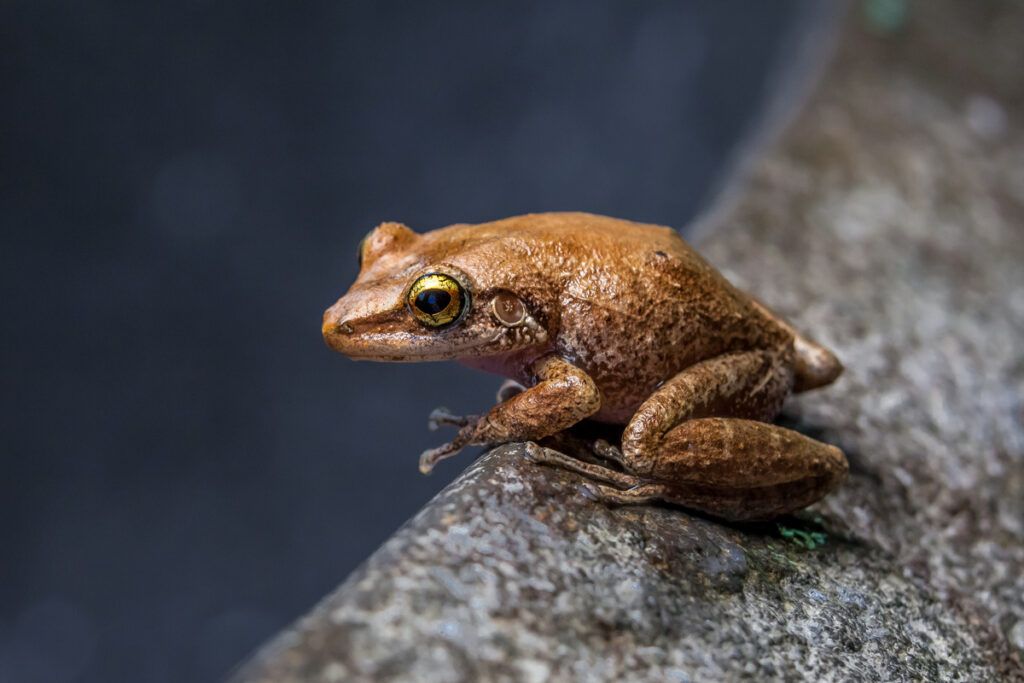
Puerto Rico has produced many famous singers over the years, but even Ricky Martin, Daddy Yankee, and Bad Bunny haven’t made as much noise as the coquí frog. This little Puerto Rican amphibian is only about an 1 or 2 inches in length, but the males produce a piercing two-note “co-quí” call that can reach at least 95 decibels, or about as loud as a subway train. As an invasive species in Hawaii, where population densities can reach 20,000 frogs per acre, the coquí’s nightly chorus has become loud enough to cause issues not only for sleeping humans, but also for the nocturnal soundscape of many native species.
African Cicadas
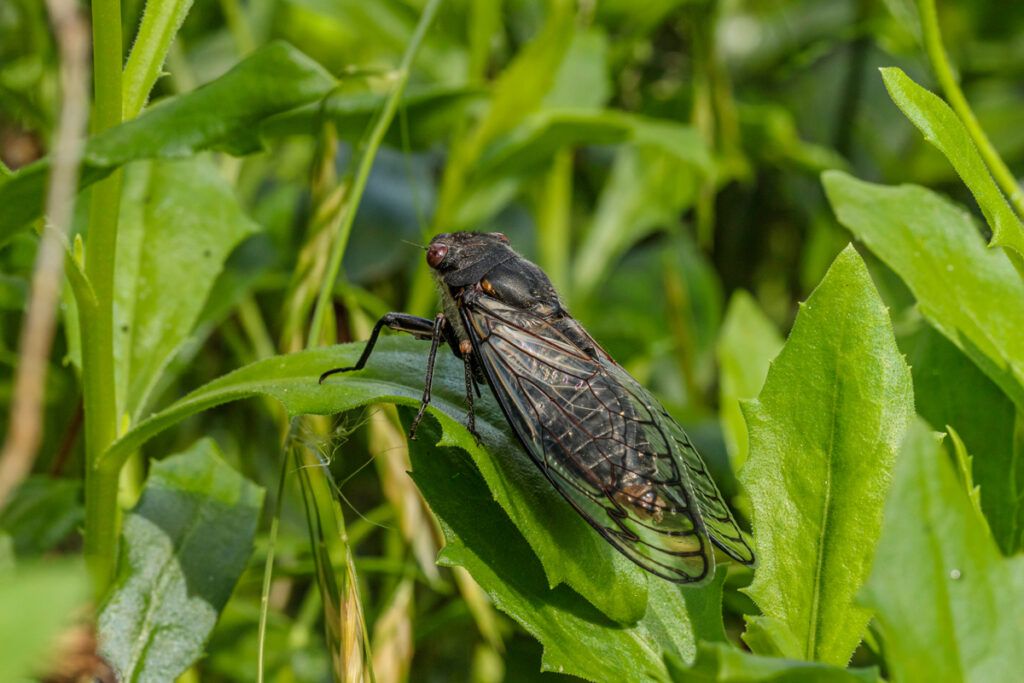
The African cicada is officially recognized by Guinness World Records as the loudest insect ever measured, reaching a mighty 106.7 decibels. The secret to the cicada’s extremely intense, high-frequency call is found in the ribbed membranes, known as tymbals, on the insect’s abdomen.
By rapidly buckling those membranes, the cicada produces a clicking noise that’s then amplified by its mostly hollow abdominal cavities. Basically, it has a kind of built-in boom box. The sounds produced are so loud that they pass the threshold at which prolonged exposure can cause hearing damage in humans.
White Bellbirds
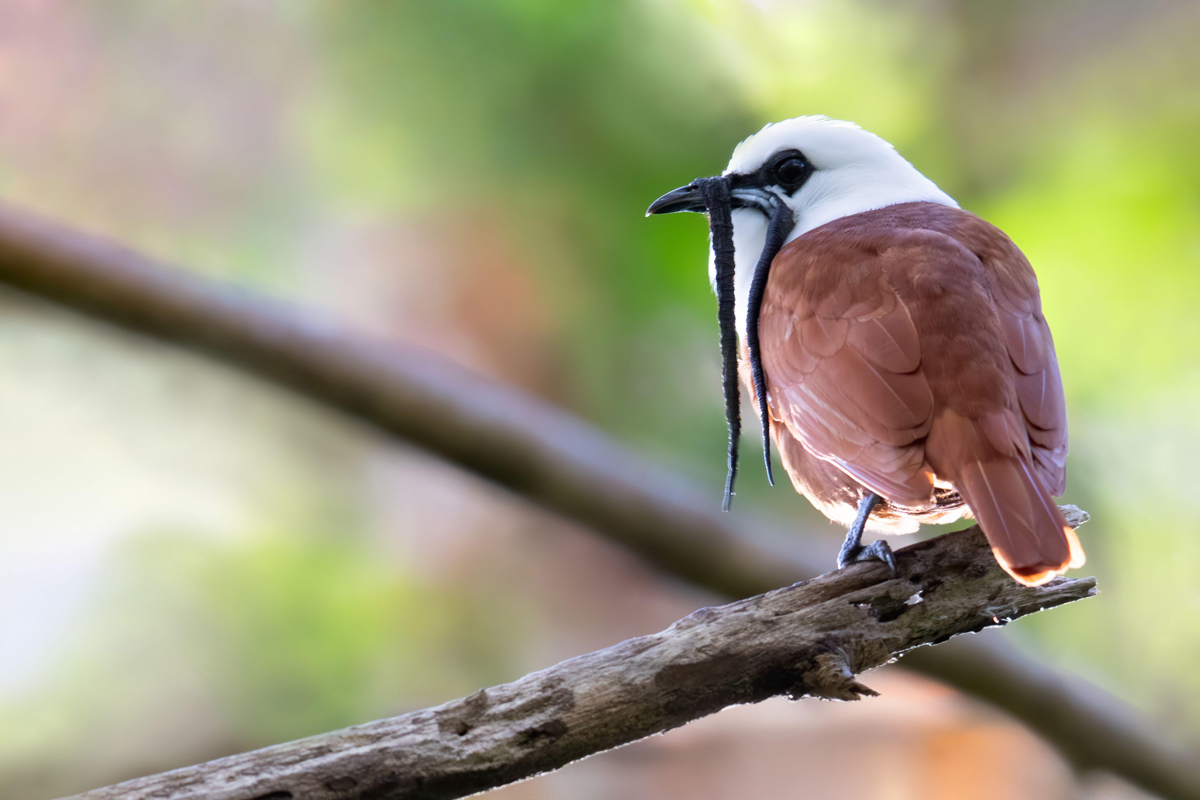
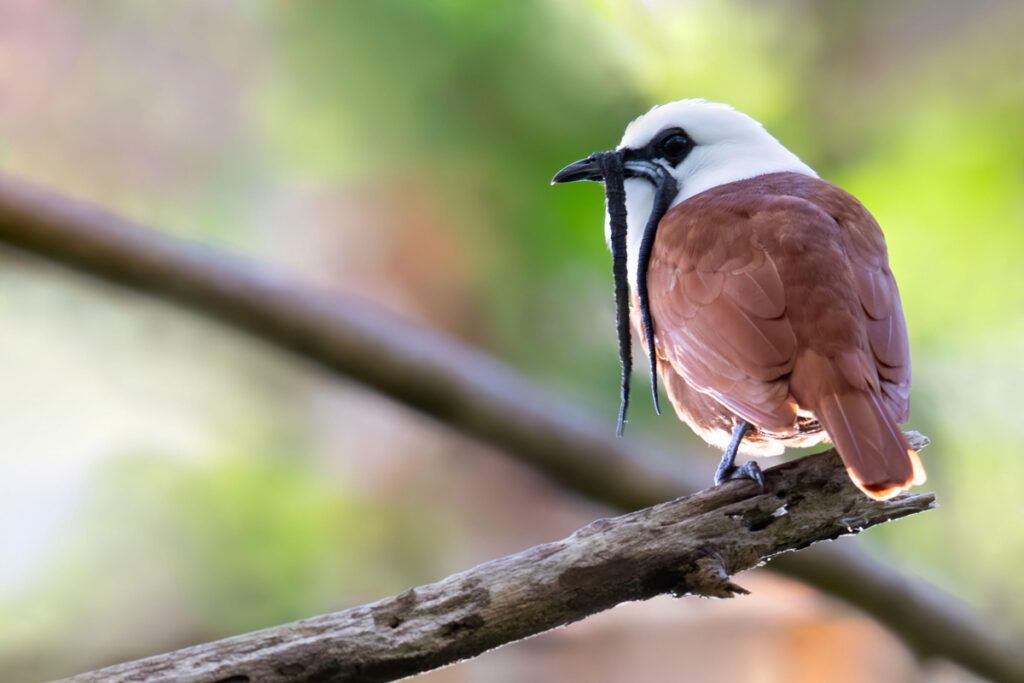
Despite being roughly the size of a pigeon, the white bellbird of the Amazon jungle holds the record for the loudest bird call ever documented. Peaking at around 125.4 decibels, their call is louder than an industrial drill.
In what would seem like a very bad move, male bellbirds deliver this deafening song — from close range — directly at females during courtship. It’s an odd strategy that prioritizes ear-splitting volume over any pretense of romance, but somehow it works.
In 2019, ornithologist Mario Cohn-Haft decided to figure out how bellbirds make such an awesome din. He discovered that they possess an unusually muscular, sculpted chest; as he told the BBC, “It had a six pack.” The bellbird’s thick abdominal muscles act like a powerful pump, forcing air out through its syrinx (a bird’s vocal organ) at an extremely high pressure, explaining how the males make such a piercing, alarmlike, two-toned cry despite their relatively small size.