Why Frogs Are Way Weirder Than You Think

Frogs may seem like fairly unassuming little pond-dwellers, but a closer look reveals some decidedly bizarre biology. With about 7,600 known species found across nearly every continent, these amphibians play important roles in their ecosystems, both as predators and as prey.
They also happen to vary widely in how they survive and reproduce, producing some adaptations that are unseen in just about any other kind of creature. Here are seven reasons frogs are among nature’s biggest weirdos.
One Frog Raises Its Babies in Its Back
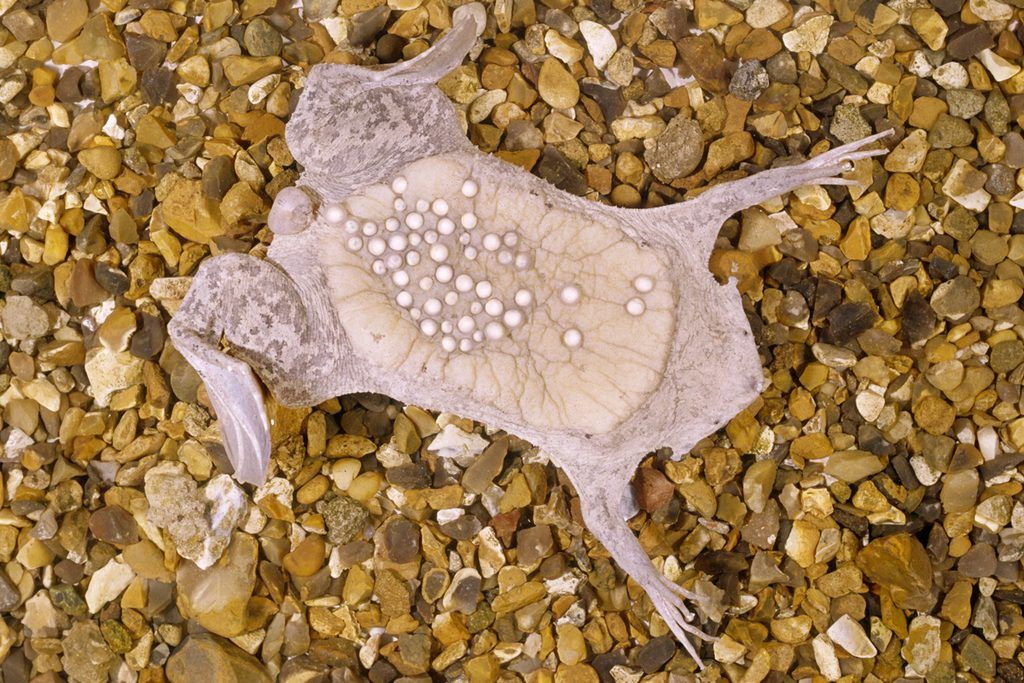
If you think human pregnancy sounds like some form of body horror, allow us to introduce the erroneously named Surinam toad: After mating, around 100 fertilized eggs stick to this Amazonian amphibian’s back. Within a day, they sink into the female’s skin and become sealed inside, where they hatch and finish developing. Eventually, her back begins to bulge and ripple as the fully formed baby toads wriggle beneath the skin before bursting free.
Some Frogs Are See-Through
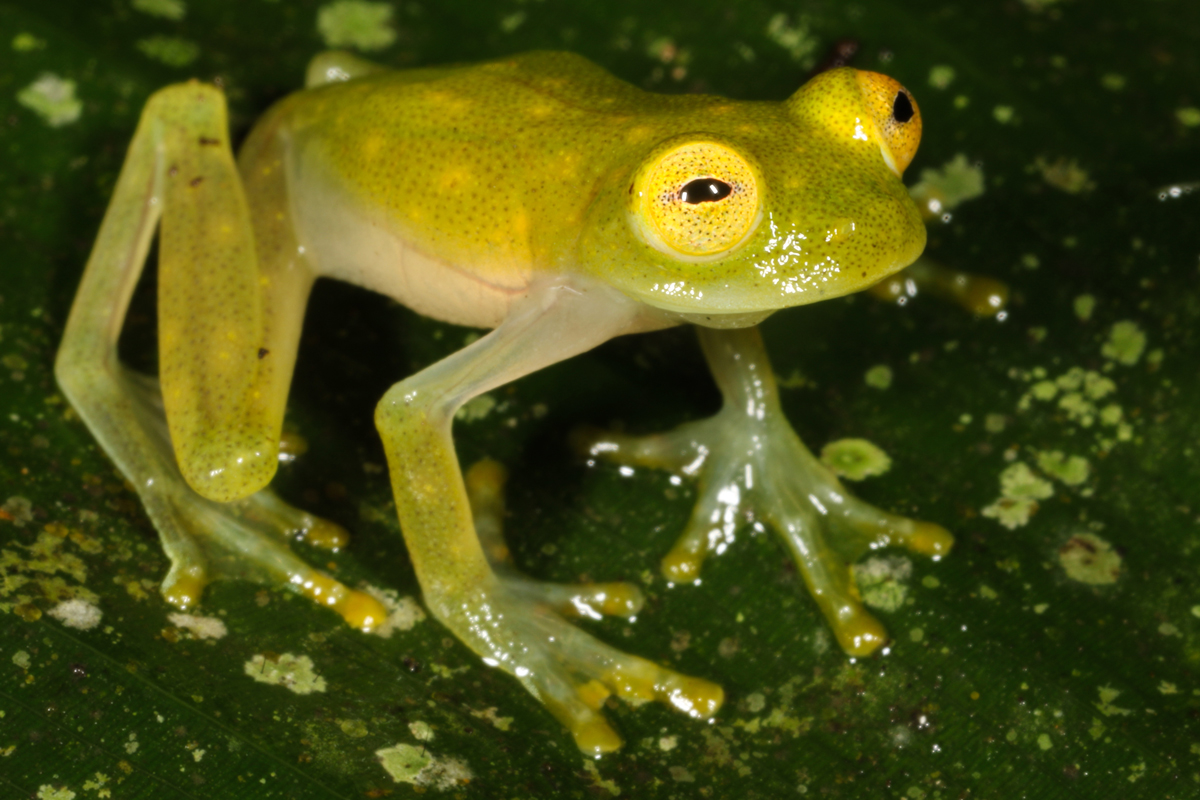
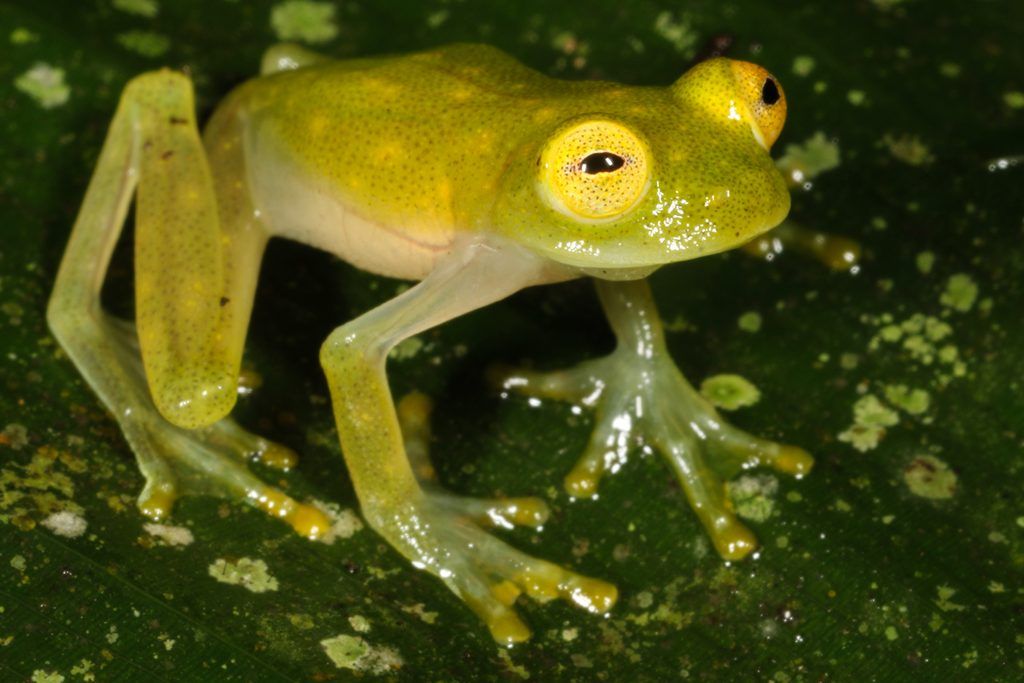
Transparency is a common form of camouflage in aquatic animals such as icefish and eel larvae, but it’s rare on land. Northern glass frogs, however, are able to hide nearly 90% of their circulating red blood cells in their liver while sleeping. This makes it much harder to spot the nocturnal creatures while they rest during the day beneath leaves in the tropical forests of Central and South America.
Their liver, which swells by about 40%, contains reflective guanine crystals that help mask the blood. When they wake up, the stored blood cells rush back into circulation, restoring their usual appearance.
Some Species Freeze Solid To Survive
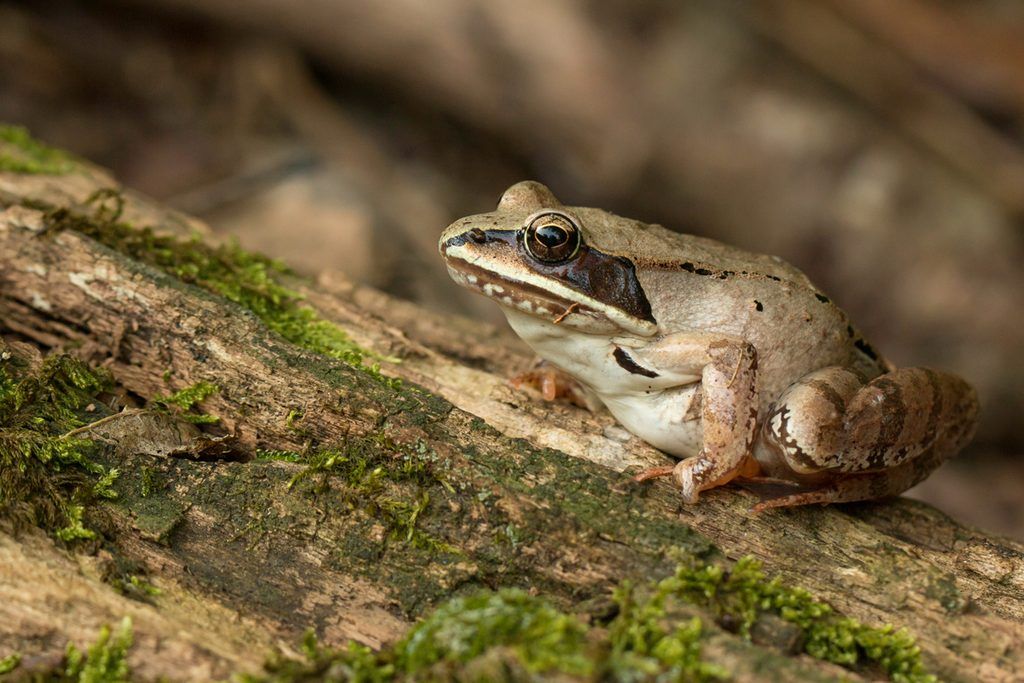
Wood frogs, found across Canada and Alaska, have an ice-cold survival adaptation: They freeze solid to get through the winter. As temperatures drop, ice forms around their organs, their hearts stop beating, and they stop breathing, remaining frozen for up to eight months before thawing in the spring.
The key to this is glucose: Their livers flood their cells with the sugar, which helps prevent the cells from fully freezing and dehydrating. When temperatures start to rise, the thaw begins, and soon they hop off to find breeding ponds.
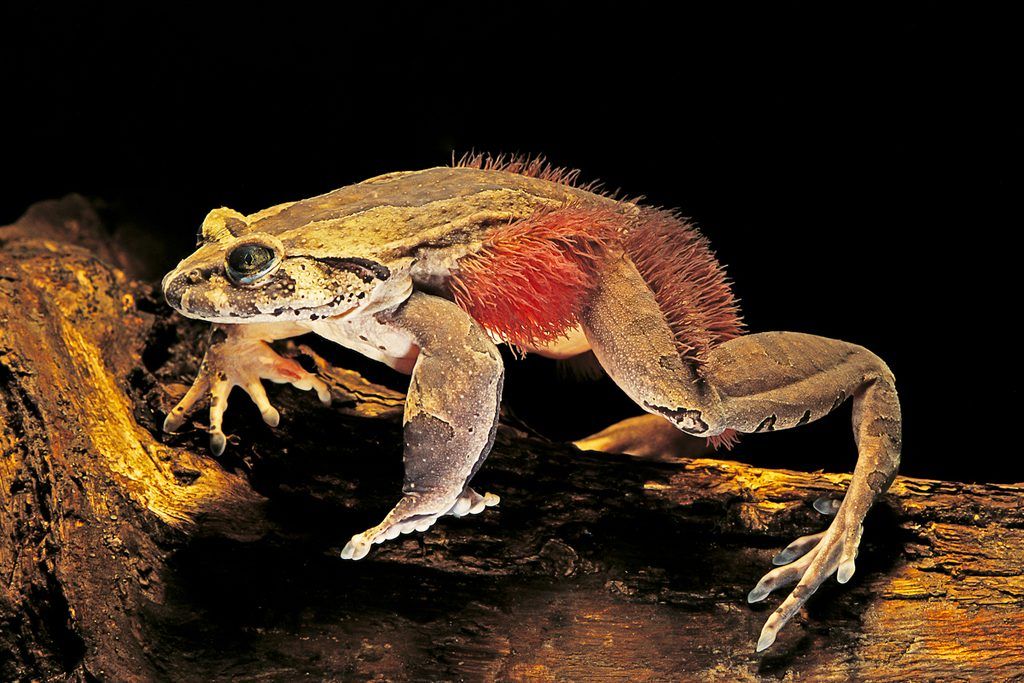
Hairy Frogs Turn Their Own Bones Into Claws
Central Africa’s hairy frog has a suitably unsettling name thanks to the hairlike tissue projections that develop along the bodies of breeding males. But that’s not even its strangest feature — when threatened, the hairy frog can turn its own skeleton into a weapon, snapping the tips of its toe bones free and sending them piercing through its skin as sharp claws used to slash at unlucky predators. The claws can also retract, after which the frog’s skin, muscles, and tendons heal and regenerate, ready to deploy again.
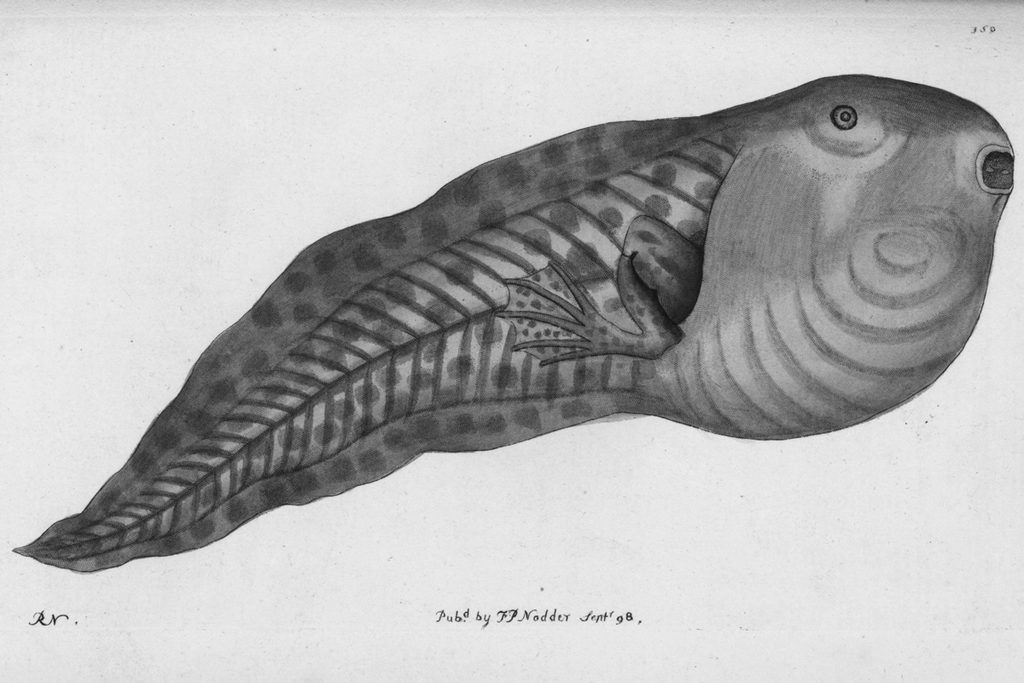
Some Tadpoles Shrink as They Grow
The paradoxical frog does things backward: Its tadpoles can grow to around 10 inches long, only to shrink dramatically as they develop into adults, measuring just 2 to 3 inches when grown. Unlike most frogs, which continue growing after metamorphosis, paradoxical frogs do most of their growing as tadpoles. By the time they lose their oversized tails and become adults, they’re already close to their final size.
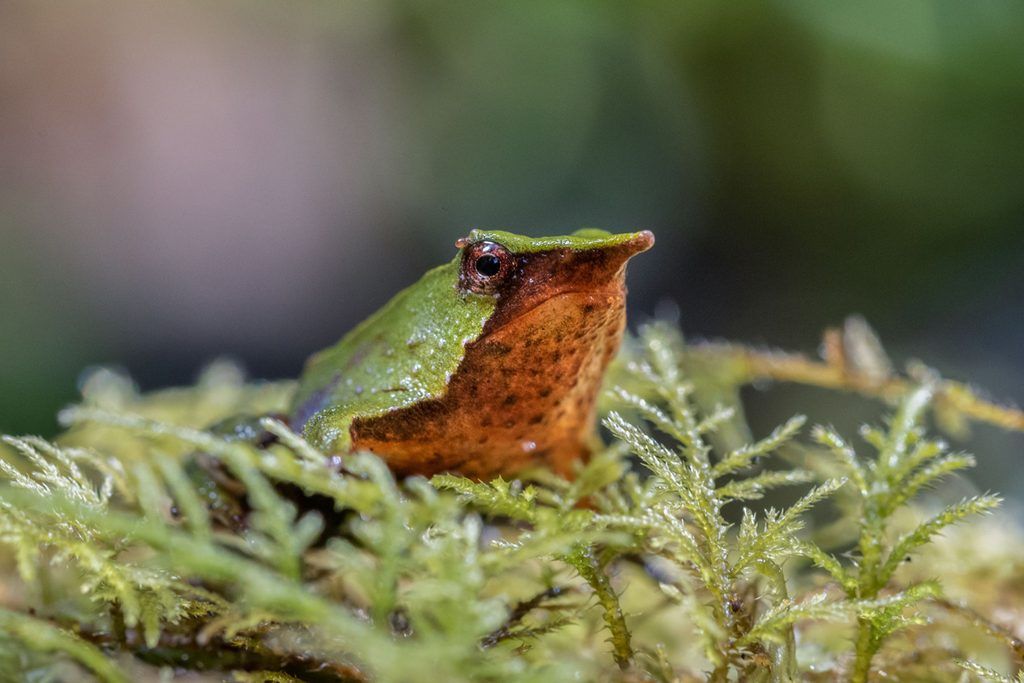
This Frog Dad Carries His Babies in His Throat
In Darwin’s frog, the father takes on the bulk of early parenthood. After the female lays eggs, the male guards them for about 20 days until they hatch. Then, strangely, he swallows them.
The tadpoles move into his vocal sac, where they safely spend another six to eight weeks developing. Eventually, fully formed froglets emerge through his mouth, ready to hop off into the world.
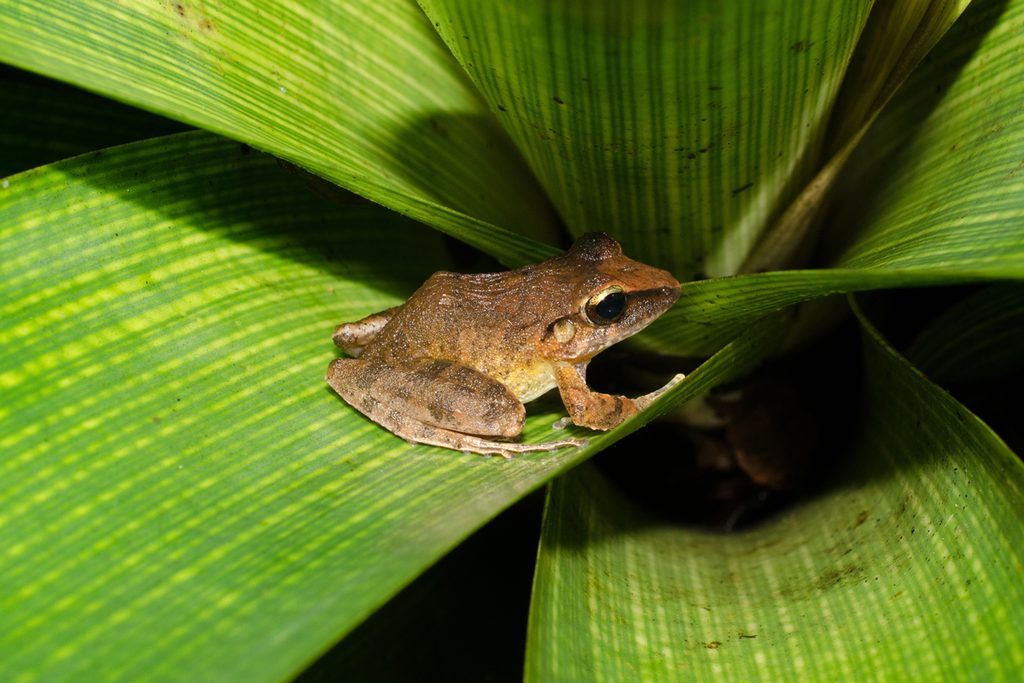
The Frog That Screams Silently
When threatened, Brazil’s clay robber frog lets out a defensive scream so high-pitched that parts of it are inaudible to humans. The call can reach ultrasonic frequencies above roughly 20,000 hertz, the upper limit of human hearing. Scientists suspect this silent scream may be used to shock or hurt a predator’s ears — or attract an even larger predator to chase the first one away.
Other frogs scream but aren’t nearly so subtle. The Cape rain frog of South Africa, for example, can emit a loud, high-pitched squeal when it feels threatened. These distress calls may help startle a predator into letting go — and they’ve also made the frog an internet star, with videos of the tiny amphibians’ screech delighting people around the world.