What Do Dogs Dream About?
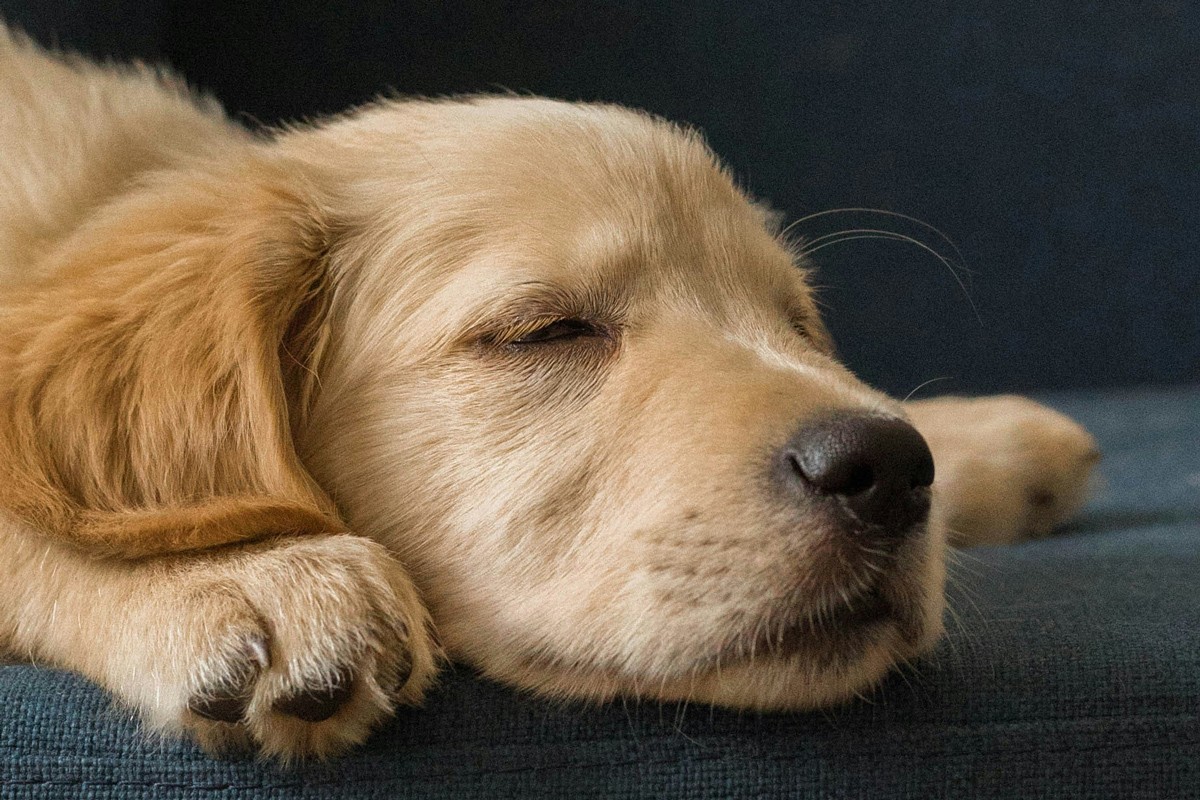

Your dog has spent an idyllic afternoon chasing squirrels, sniffing every tree on the block, and hovering hopefully near the dinner table. By the day’s end, your faithful friend is curled up on the couch, its paws twitching and tail occasionally thumping. Is it busy reliving the day’s events, you wonder?
Scientists can’t tell us exactly what happens in a dog’s dreams, but research does offer a surprisingly detailed picture of what goes on in their canine brains. And if dog dreams have anything in common with their waking lives, there’s a good chance those familiar faces, favorite activities, and everyday experiences are involved. So what do we think dogs dream about?
They May Actually Dream About Chasing Squirrels
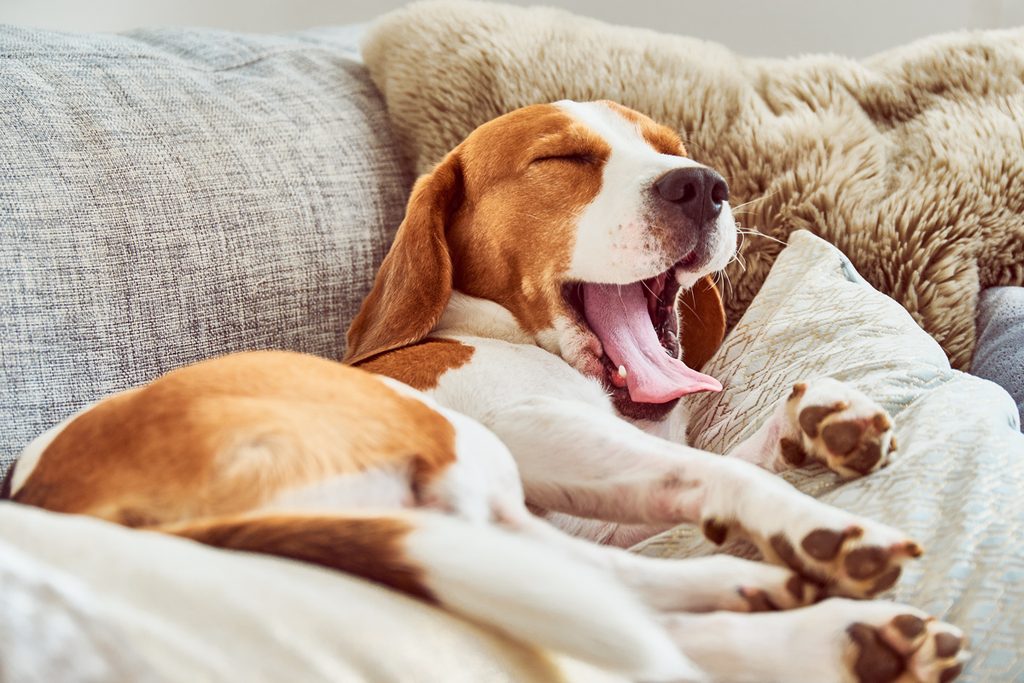
It’s easy to picture a sleeping dog imagining themselves chasing small, furry wildlife or racing through the dog park, and veterinarians and sleep researchers do consider these strong possibilities when it comes to a dog’s dreams. Dogs, who sleep an average of 12 to 14 hours a day, experience sleep stages similar to those of humans, including rapid eye movement (REM) sleep, during which dreaming most commonly occurs. A dog’s brain is active during that stage, and sleeping dogs may twitch, whimper, or paddle their paws.
Of course, those movements don’t reveal exactly what a dog is experiencing. A dog kicking its legs may be chasing something in a dream, but the movement alone can’t confirm that it’s dreaming at all, much less tell us what’s happening in its mind.
Still, there’s some scientific support behind the idea that dogs’ dreams draw on their day-to-day life. In a 2017 study, researchers taught dogs unfamiliar verbal commands for actions they already knew, then monitored their brain activity while they slept. They found that learning the new commands changed patterns of brain activity during sleep, and that some of those patterns correlated with how well the dogs remembered the commands when tested afterward.
While this doesn’t prove that dogs consciously replay things in their dreams, it does suggest that sleep helps dogs process and consolidate new information and that a dog’s brain is affected in some way by waking experiences after they go to sleep.
Do Dogs Dream About Their Owners?
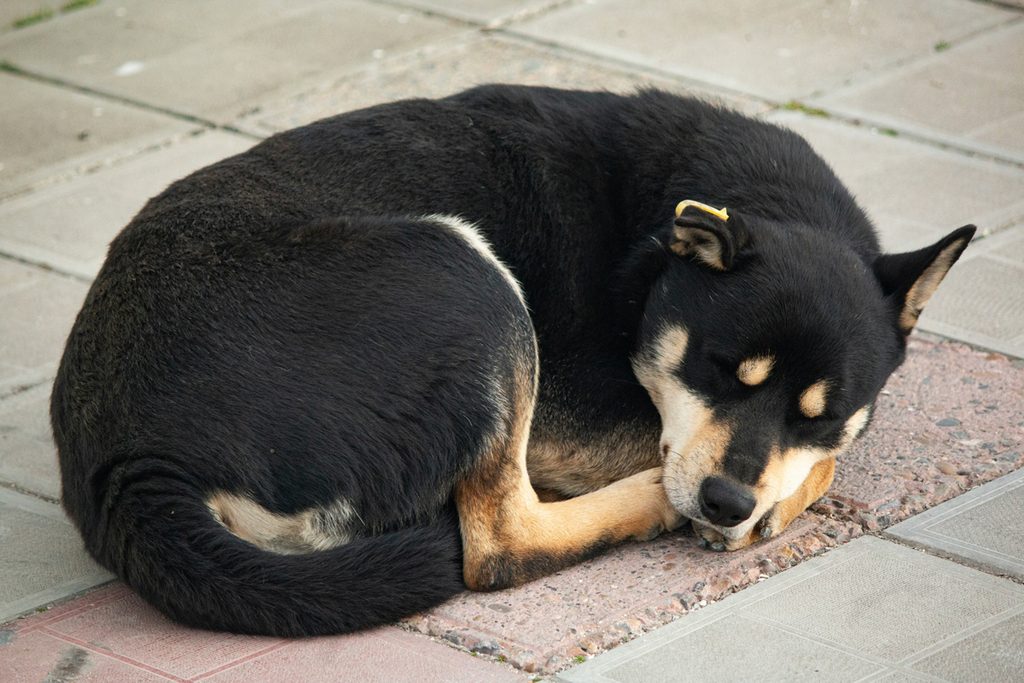
Dogs are famously known as man’s best friend, and although there’s no way to definitively confirm, it’s certainly possible they dream about their people. Psychologist Deirdre Barrett, a dream researcher at Harvard Medical School, has suggested that dogs may dream about their owners’ faces and even smells.
Because smells are a central component of the way dogs experience their worlds, their dreams likely involve scents more than ours do. Philosopher David Peña-Guzmán has suggested that smell may play a particularly important role in their dreams, just as it does in their waking lives.
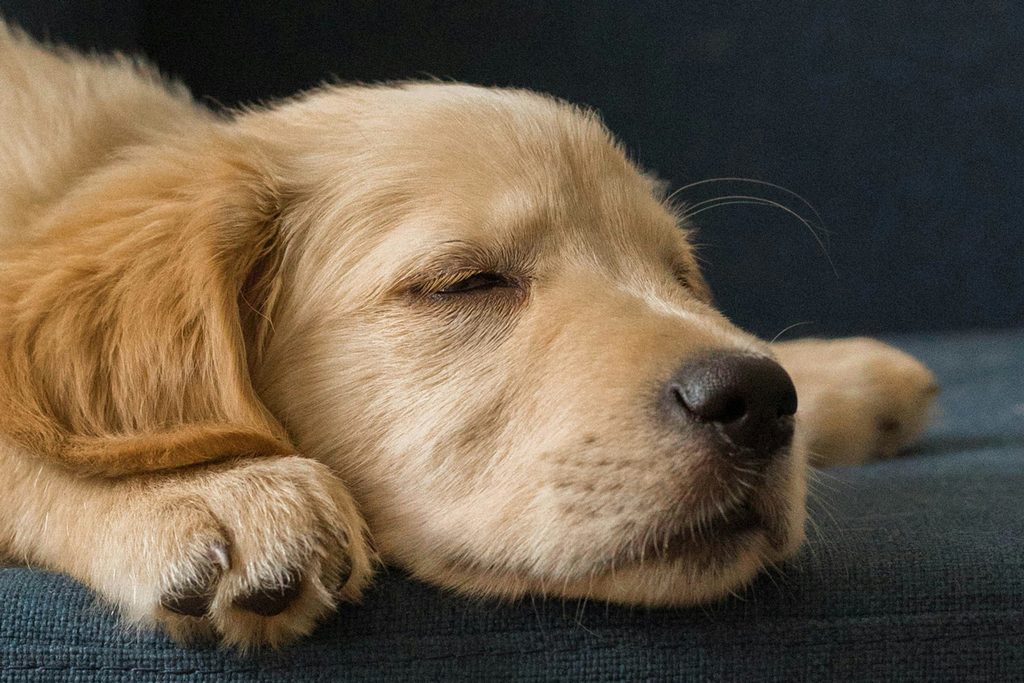
Do Puppies Have Playful Dreams?
Puppies seem particularly prone to twitching, paddling, and making tiny grunts and yips while they sleep. Their developing brains are processing a lot of new information, from the feel of grass under their paws to the sounds and visual cues of the world around them.
As previously mentioned, sleep is thought to be important for learning and memory in dogs, so it’s likely that rest helps puppies process some of those early experiences that play a critical role in their development. But while young pups need much more sleep than grown dogs — about 18 to 20 hours a day — to process all that learning, the frequent twitching doesn’t necessarily mean a puppy is dreaming more often than an adult dog.
Sleep-related movements can have other functions in infant animals too: Researchers think those little involuntary twitches may help the brain learn how the body’s limbs move by sending sensory feedback from the muscles and joints.
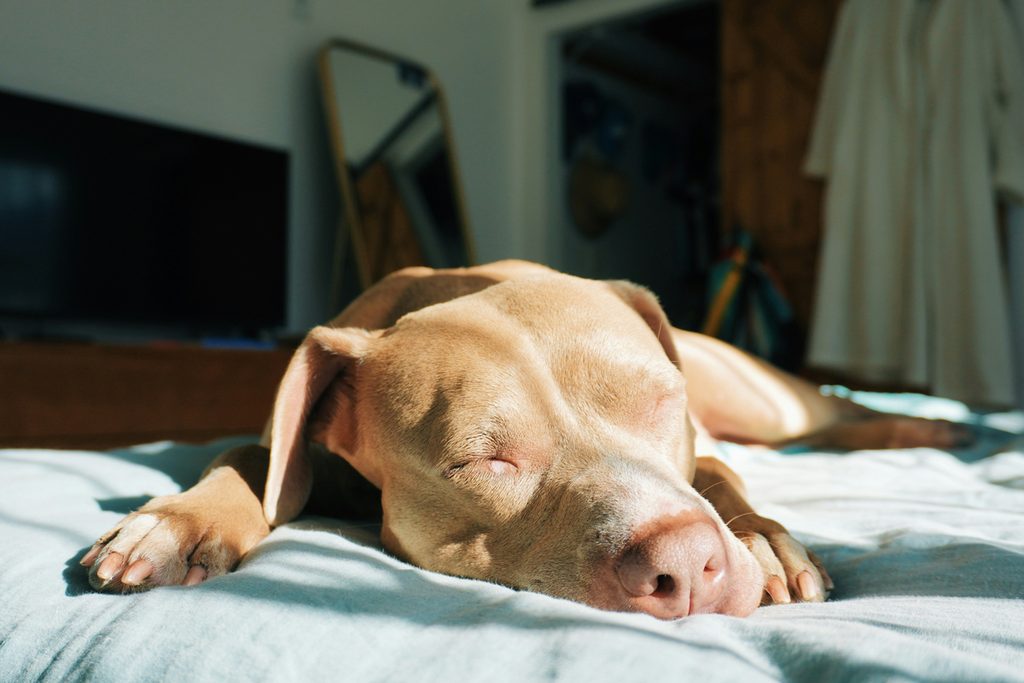
Can Dogs Have Nightmares?
Is it possible dogs experience bad dreams like we do? A whimper, growl, or sudden jerk of its paws and legs during sleep may make it seem like your dog is frightened or upset, but like most actions during sleep, the behaviors themselves don’t tell us much.
Given that their waking lives include stressful and frightening experiences along with the enjoyable ones, it’s likely those are reflected in their dream worlds as well. Of course, like our dreams, dogs’ dreams may not always follow the logic of real life. Their favourite people, toys, and activities may show up in strange or exaggerated ways.
As the saying goes, it’s best to let sleeping dogs lie — and enjoy the show, while you’re at it.