Why Do Cats Purr — and Is It Always Happiness?
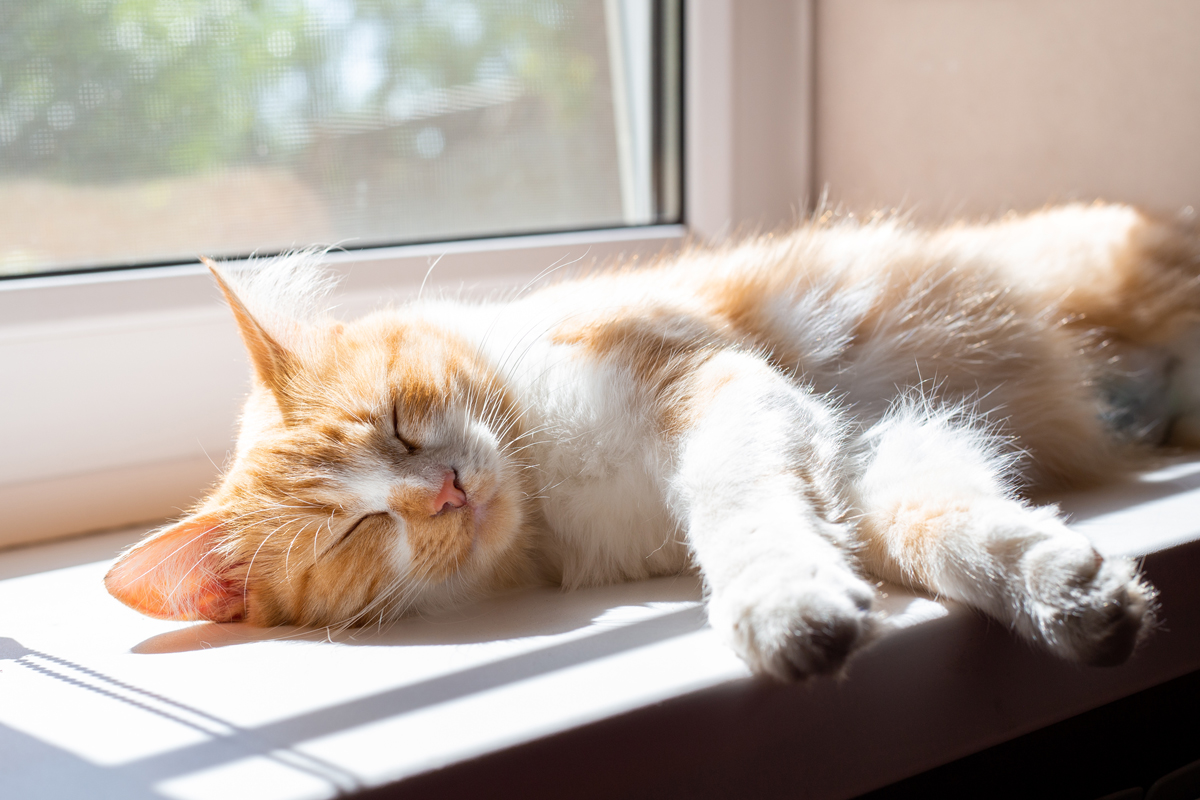

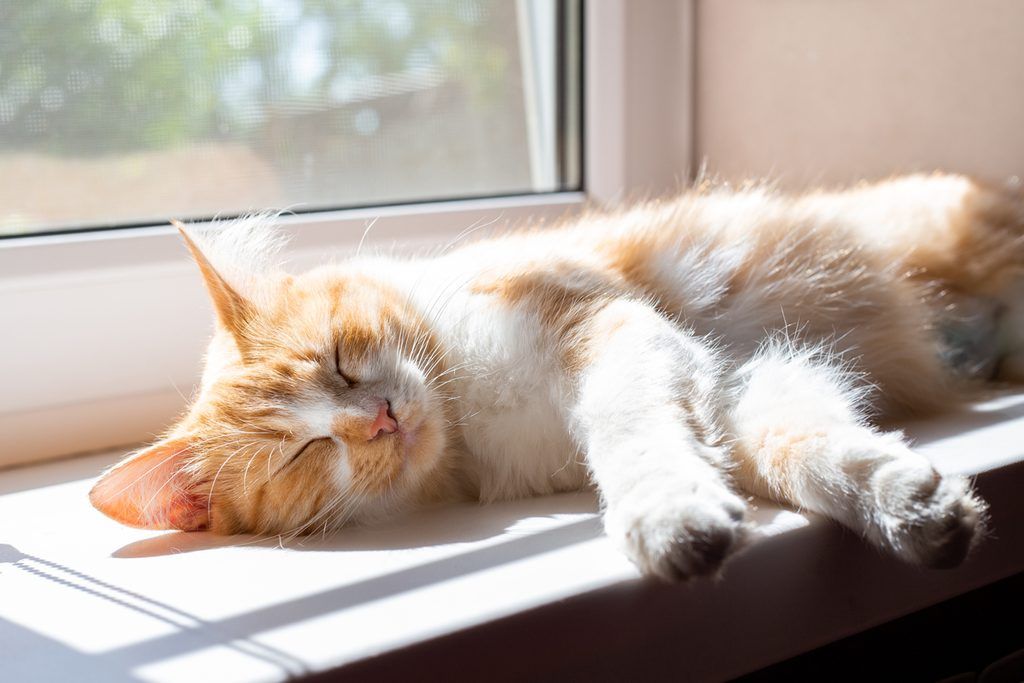
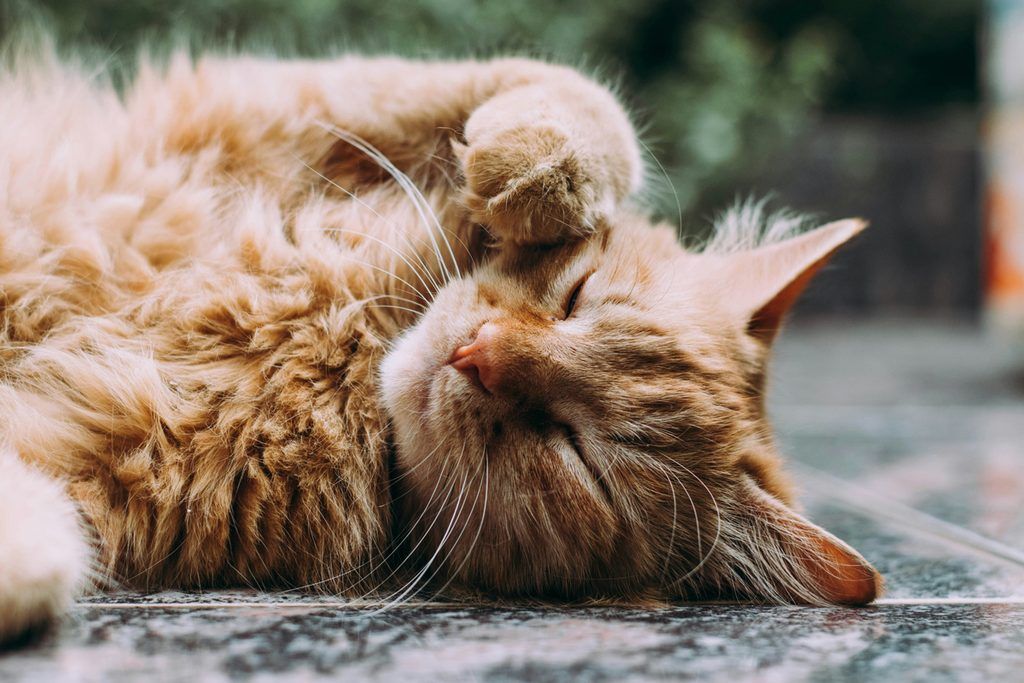
A cat curled up on your lap with its eyes half-closed, rumbling away seems to signify one thing: Life is good. And in that moment, it likely is, as cats do often purr when they’re happy,comfortable, and maybe even enjoying a good head scritch.
But as it turns out, that familiar sound is a bit more nuanced than you may suppose. A cat’s purr is less a straightforward sign of happiness than it is a flexible form of communication. So why do cats purr, anyway?
Purring Starts Early
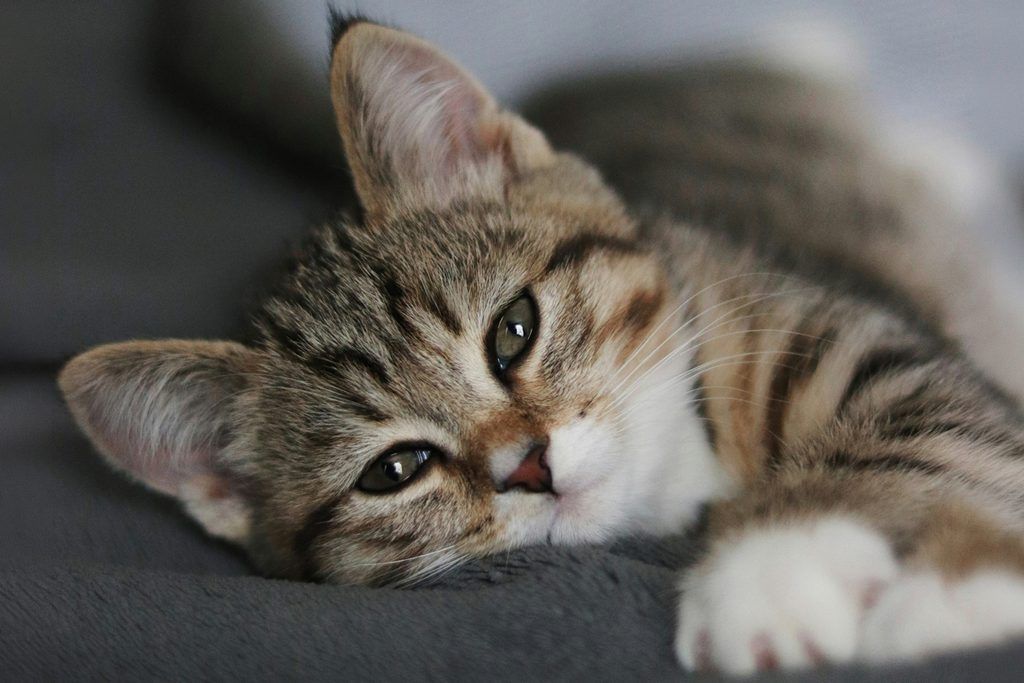
Kittens can start purring when they’re only a few days old, long before they open their eyes. In fact, cat experts believe it’s one of their earliest communication tools.
They purr not only to let mom know where they are and that they’re hungry, but they’re also known to purr while nursing. The mother cat will purr too, a mutual assurance between each other that all is well. That early connection says a lot about what purring is really for: It isn’t necessarily a declaration of happiness so much as a way of maintaining contact and signalling a particular state or need.
How Do Cats Purr?
For years, scientists thought cats actively produced their purrs by repeatedly contracting and relaxing muscles in the larynx, aka the voice box. But a 2023 study found that isolated larynges of eight domestic cats could produce purring sounds on their own when air was passed through them.
Cats also have unusual pads of fibrous tissue embedded in their vocal folds, and the added mass of those pads may help the vocal folds vibrate at frequencies as low as about 20 to 30 hertz. While the aforementioned study may be scientists’ clearest understanding of how a cat’s purr works to date, it still doesn’t tell us exactly how the process works in a living animal; researchers still suspect purring does involve both signals from the brain in addition to self-sustaining vibrations in the vocal folds.
So Why All the Purring?
Much like the mechanics of purring, researchers still don’t have a single explanation for why, exactly, cats make that unmistakable sound. The more we learn about purring, the more it seems likely to be a tool of communication, reassurance, and possibly even healing.
The most familiar reason for a purr is also the simplest: Cats do often purr when they’re relaxed and content. It’s a sign that a cat feels safe and comfortable.
Cats also seem to use purring to develop and maintain social contact and bonding. Just as kittens purr with their mothers as newborns, adult cats may purr when interacting with other cats — and, of course, with their human caregivers.
But cats don’t only purr when things are going well. They may also purr when they’re frightened, stressed, injured, or in pain. Cats have even been reported purring during stressful situations at veterinary clinics, which research suggests is an attempt to soothe themselves.
Cats can even tweak their purrs depending on what they want. Researchers found that hungry cats who are ready for their owners to feed them produce a higher-pitched purr with a sound component similar to a crying human baby, a trick known as a solicitation purr.
Could Purrs Be Healing?
There’s another interesting theory about those low purring frequencies: Vibration therapy has been studied for its therapeutic effects on bone and tissue healing. Domestic cats, servals, ocelots, and pumas all produce strong frequencies around 25 and 50 hertz — the two frequencies most closely associated with bone growth and fracture healing. Research has suggested that purring could potentially be used by cats to help them recover from injuries or maintain healthy bones and tissues.
Whatever the ultimate reason for a cat’s purr, one thing seems undeniably true: Having a warm cat purr contentedly in your lap is hardly a bad way to spend your time.