Pandas Really Shouldn’t Exist
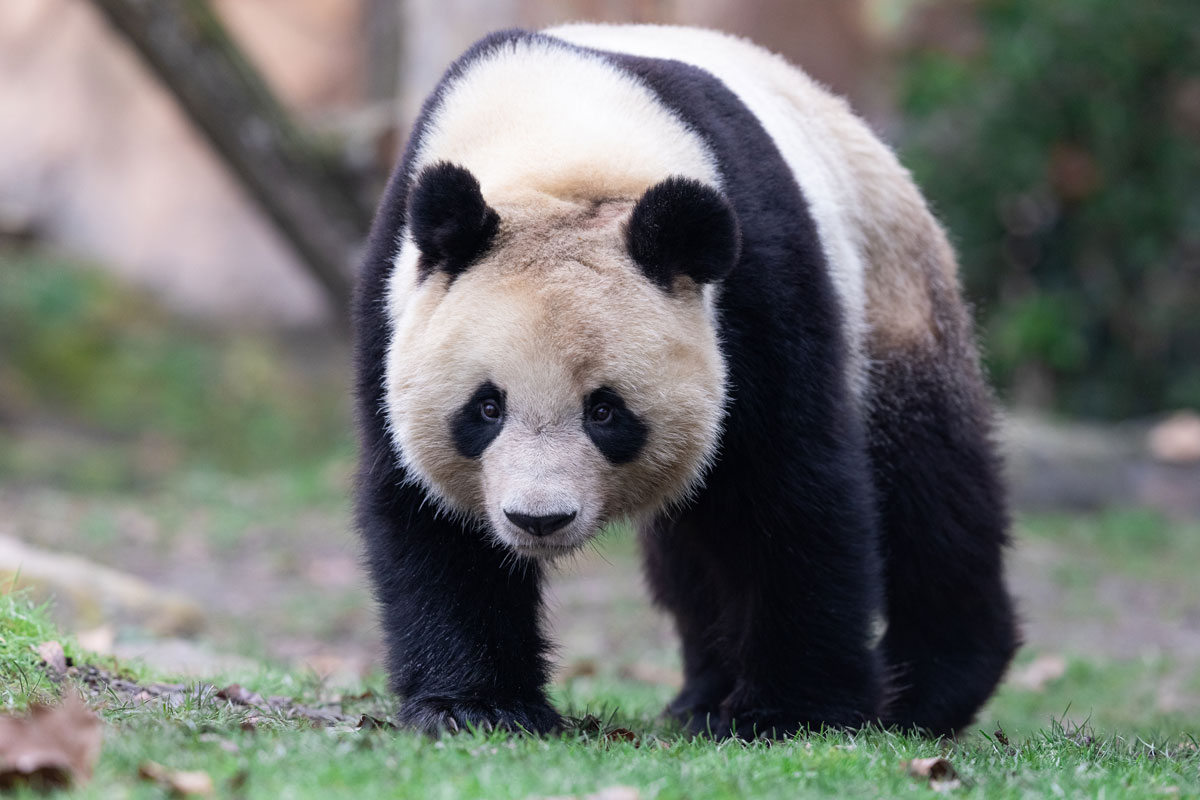

Goofy, clumsy, and cute — these aren’t exactly words that spring to mind when describing most bears, but then pandas aren’t your average ursid.
Native to China and only recently brought back from the brink of extinction, pandas rarely mate, often receive human help to raise their young, and have little energy to do pretty much anything except eat. They’re still here thanks to concerted conservation efforts, but it’s hard to see how they made it this far when you lay out all the facts.
They’re Incredibly Difficult To Impregnate
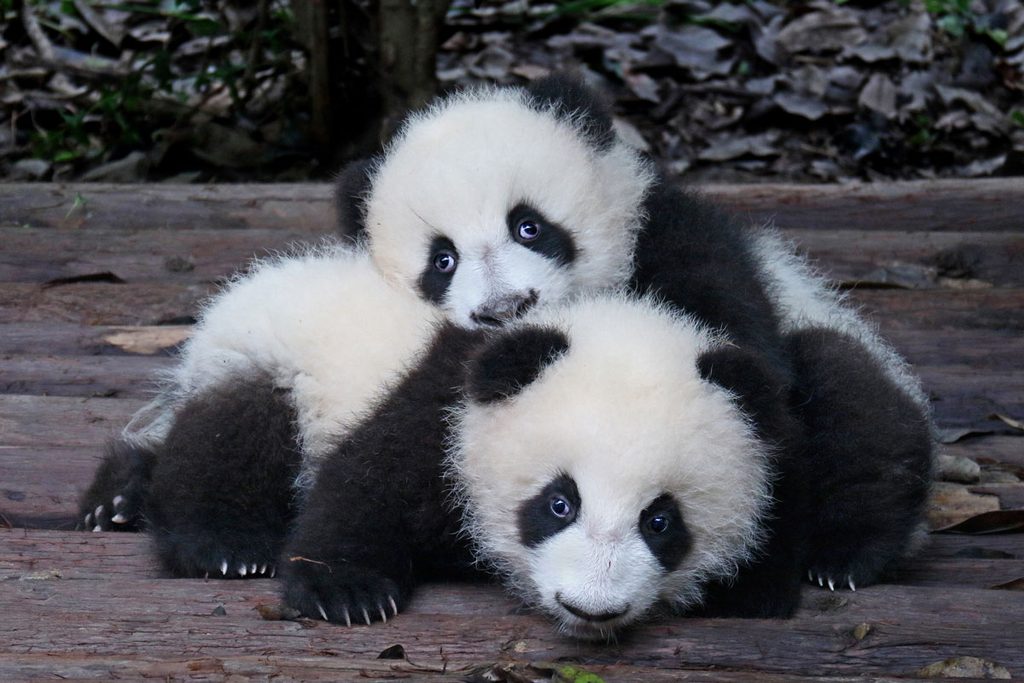
Staying alive as a panda is one thing, but being created in the first place is a whole other battle due to female pandas’ very small window of fertility . Their breeding season lasts for about two months, from March to May, but females (called sows) are only able to get pregnant one to three days out of the entire year.
Sows reach sexual maturity at around 5 years old, and their reproductive lifespan ends when they’re around 20 years old. So on average, they have 45 shots at most to conceive naturally in one lifetime.
Their Cubs Have Low Survival Rates
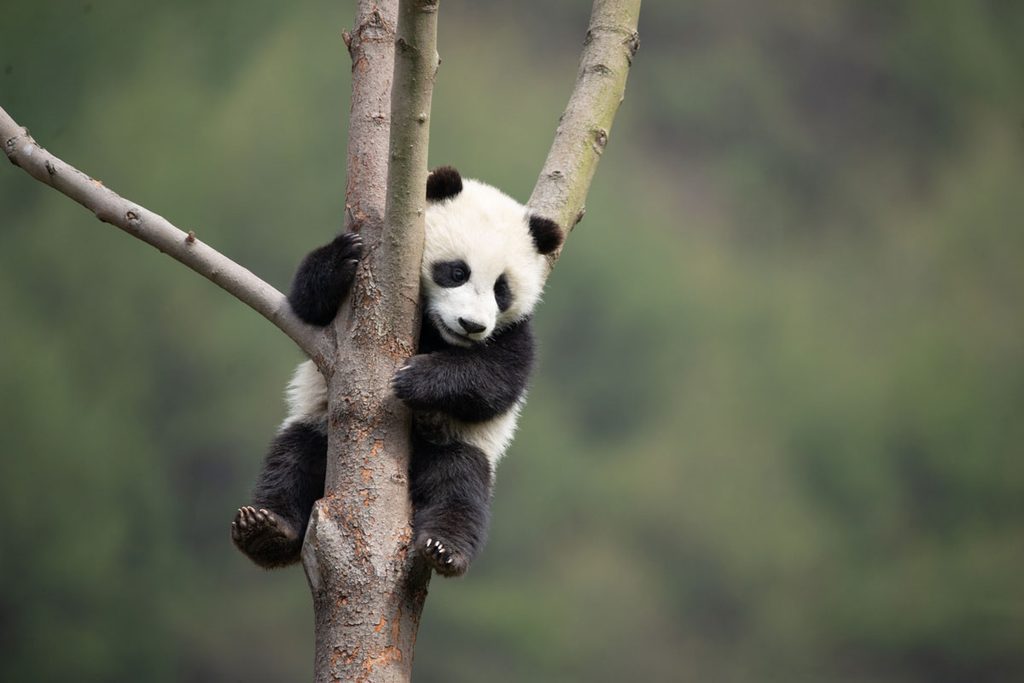
On the off-chance that a panda is born, it must face the daunting task of staying alive under the care of a parent with awful eyesight and a tendency to fall out of trees. Wild-born pandas have about a 30% survival rate, which essentially comes down to their total helplessness for the first months of life.
Hairless and sightless for nearly two months, and largely immobile for three, they rely on their mothers for absolutely everything, including food, temperature control, and stimulation to use the bathroom. As if that doesn’t sound difficult enough, they’re also about 1/800th of the size of their moms when they’re newly born, which means they’re easily crushed by an absentminded parent.
Plus, many panda births result in twins, but since panda cubs require so much attention, their moms can usually only care for one at a time and one of the two often doesn’t survive.
They Have No Appetite for Meat
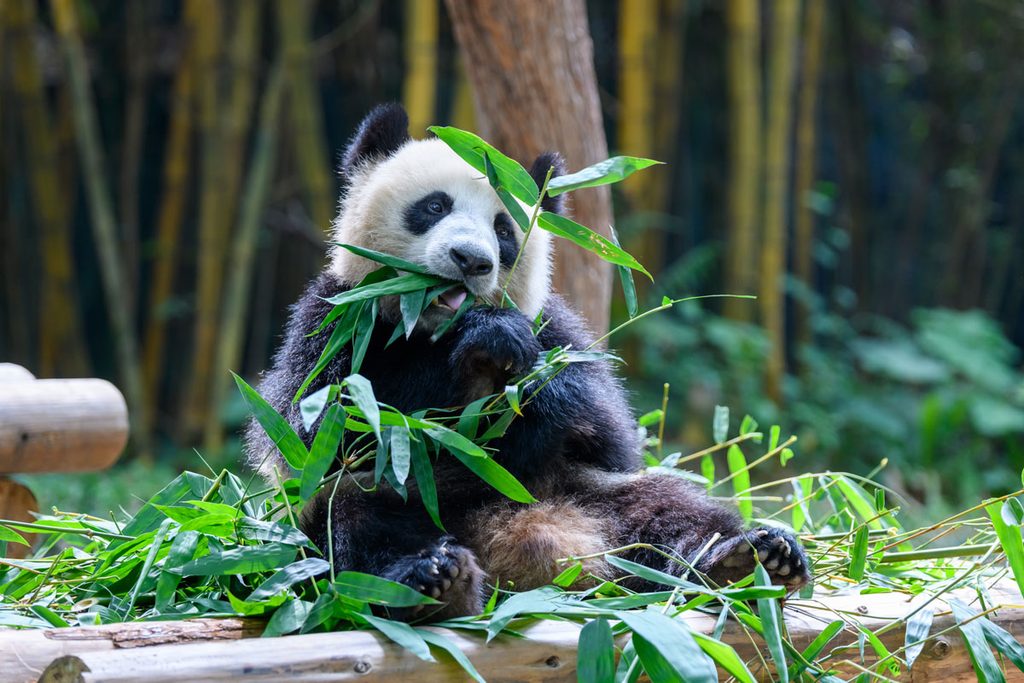
Unlike other bears, pandas don’t have a taste for meat; they lost that about 4 million years ago and have just been eating bamboo ever since. It’s believed that happened because there wasn’t sufficient prey around for them to kill and eat, and that it kept going because there was very little competition for fibery plants.
Because of this, pandas have lost use of the gene TAS1R1, which gives meat-eaters that taste for umami, the hard-to-describe flavor that’s created when we eat certain things, including meat. Instead, they’ve grown to evolve a stronger TAS2R42 gene, a bitter taste receptor that allows them to tolerate the toxic chemicals in bamboo.
Their Less-Than-Ideal Digestion
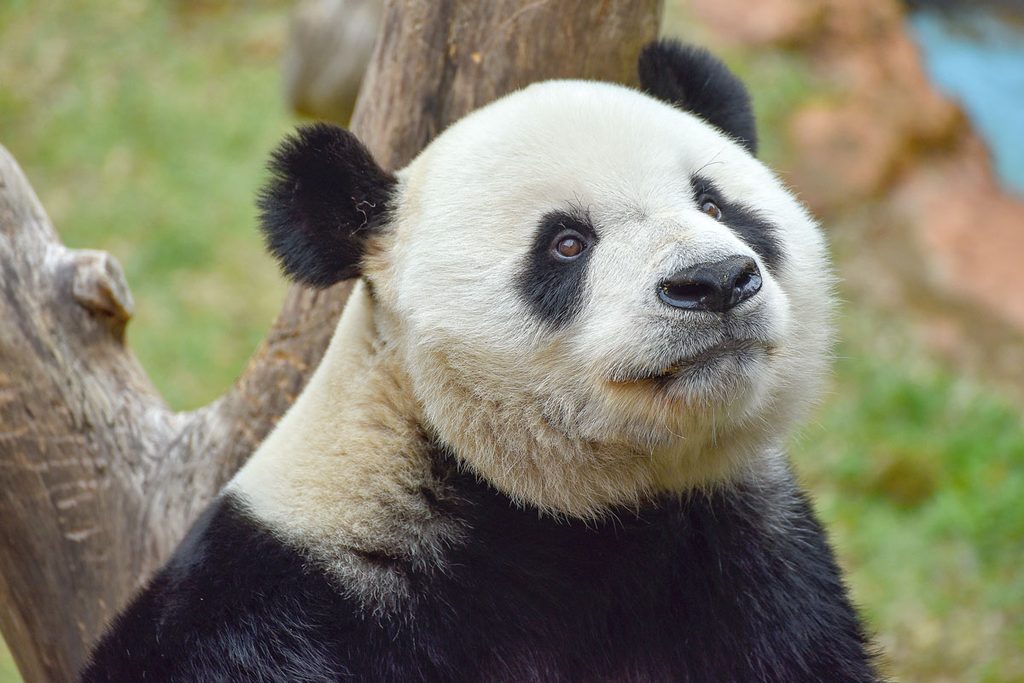
A panda’s high-fiber bamboo diet, essentially void of nutrients, isn’t easy for a panda to process — and only about 17% of what they eat even gets digested. That means they have to eat a lot to meet their ideal calorie intake, which they do all day, every day. In fact, it’s pretty much all they do.
Pandas spend 10-12 hours per day eating bamboo and need to consume up to 84 pounds every day to maintain their weight. Because panda digestive systems were originally built for that of a carnivore, they lack the ability to break down this all-vegetarian diet, resulting in a massive lack of diversity in their gut and fewer defenses against harmful microbes. The lack of nutrients in their diet also forces them to conserve energy, which is how they’ve earned a reputation for laziness.
Human Opposition and Assistance
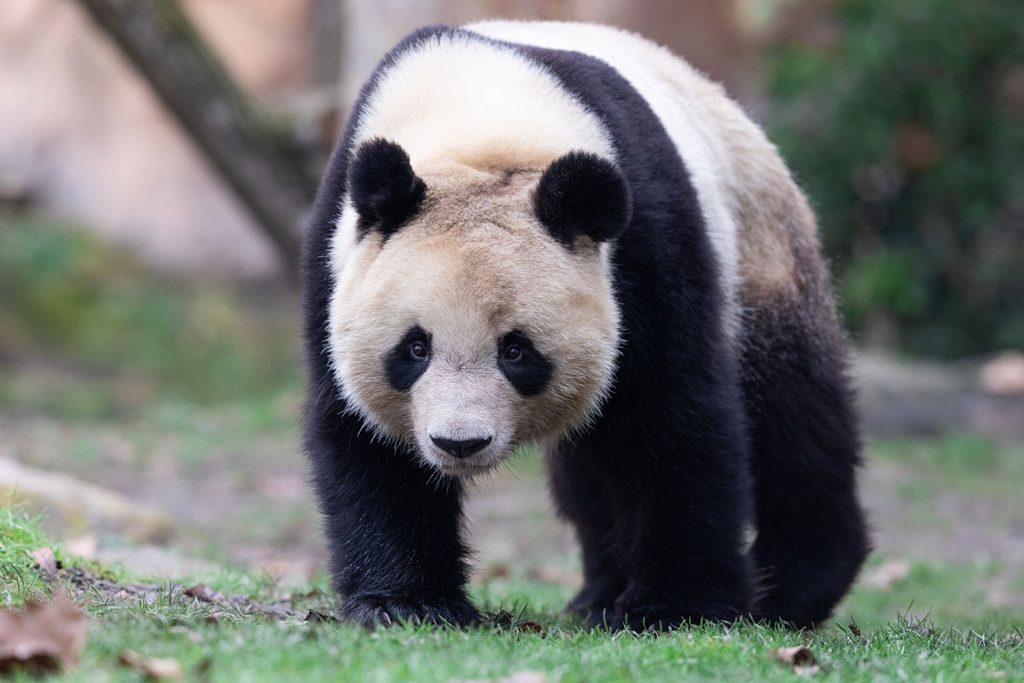
Despite what seems like an evolutionary determination to die out, pandas aren’t even endangered anymore. Since 2016, pandas have been bumped from the endangered species list, thanks in large part to conservation efforts. Cub survival rates for captive pandas have jumped from 30% to nearly 90%, and those twins each have a better shot at reaching adulthood thanks to extra sets of dedicated human hands to help them.
While pandas may have a low chance at surviving on their own, we humans owe it to them to help keep them alive, as logging, agriculture, and other types of development on our part have resulted in major deforestation of their native habitats.