
Why Do Roosters Crow?
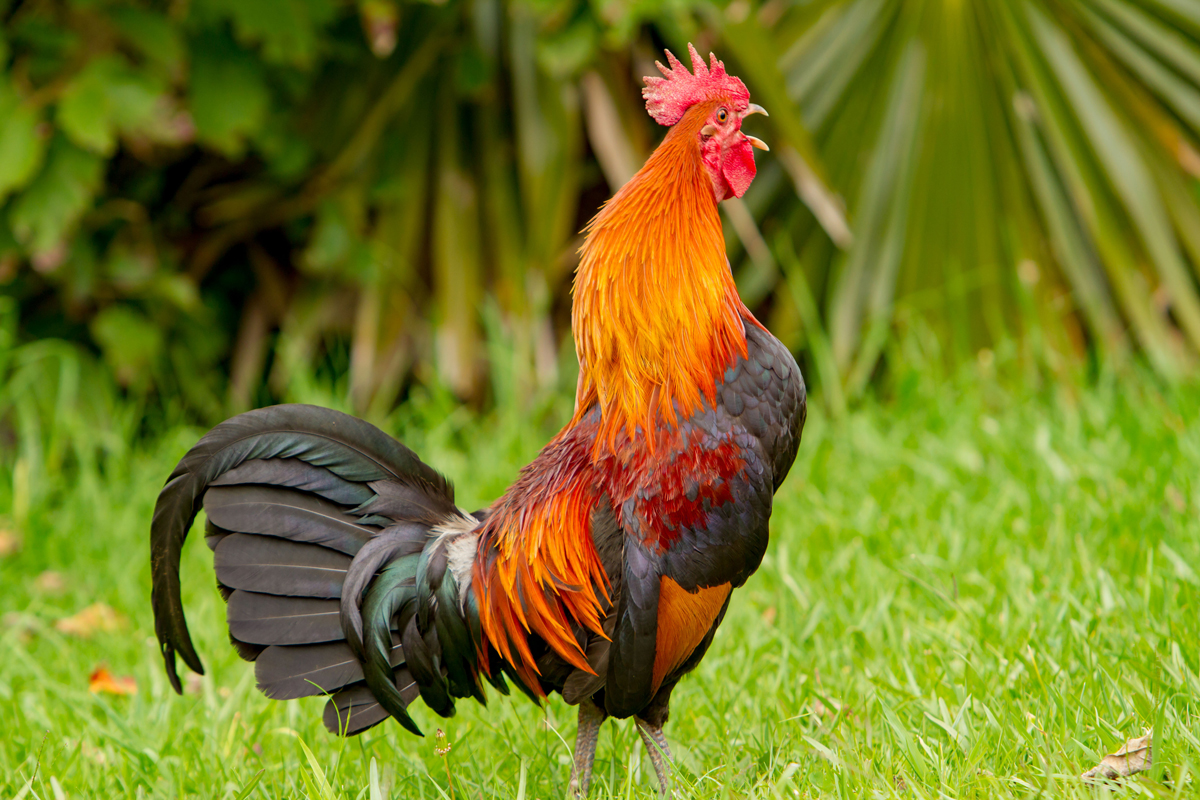

A rooster’s “cock-a-doodle-do” is one of the most recognizable sounds on a farm, and it’s long been associated with sunrise and early mornings. But roosters don’t need the sun to tell them when to crow; they can sound off in the dark, in the middle of the afternoon, and even at night for a variety of reasons. So what’s behind all that noise?
Crowing is primarily a male behavior, as it’s strongly influenced by testosterone. Roosters develop the behavior as they mature, while hens normally have much lower levels of testosterone and don’t develop the same vocalization. In rare cases, a hen may begin crowing if changes to her reproductive system alter her normal hormone balance.
A rooster’s crow is a form of communication, and there’s more to it than simply announcing the arrival of morning. From social signals to reacting to what’s happening around them, roosters have lots to crow about.
Roosters Have an Internal Clock
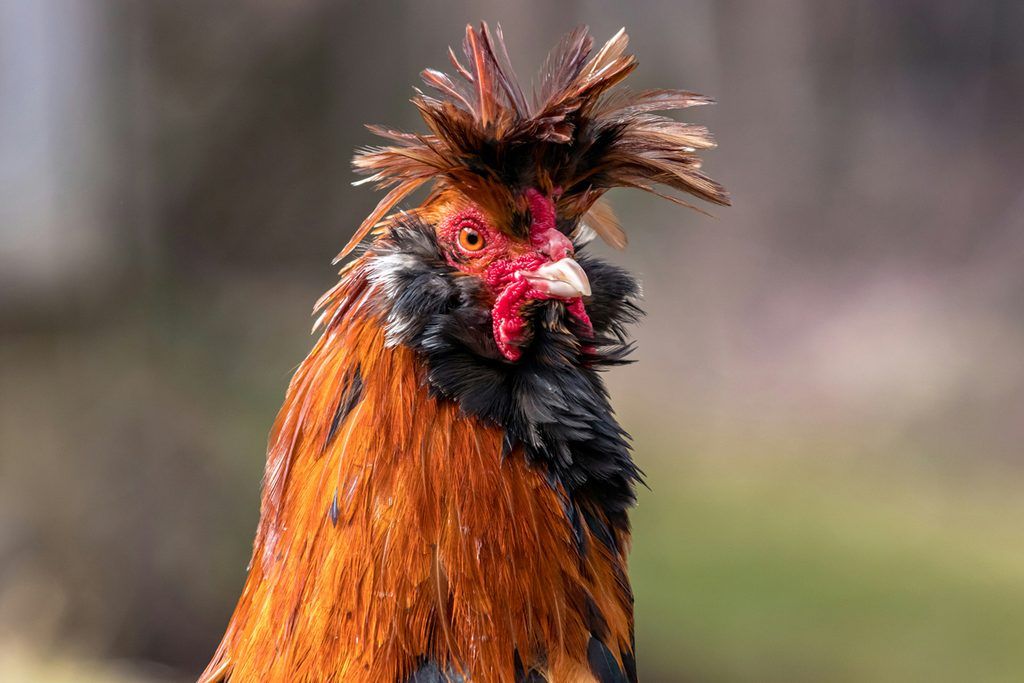
That familiar dawn chorus is closely tied to a rooster’s biological (or circadian) clock. Chickens, like many animals, have circadian rhythms that help regulate sleep, activity, feeding, and other daily behaviors.
Research has shown that roosters can anticipate dawn and begin crowing before they can actually see the approaching daylight. Even when kept in constant dim light, they continue to follow a roughly 24-hour rhythm, suggesting their bodies keep time internally and don’t just react to sunrise.
Light still makes a difference, though: A rooster’s internal clock can be reset by changes in the light-dark cycle, which is why artificial lighting can affect when chickens become active and when they crow. That predawn anticipatory crowing is a combination of internal timing and environmental cues. The rooster’s body clock tells him when dawn is approaching, while changes in light help keep that clock aligned with the day.
Crowing Helps Establish Social Order
A rooster’s crow can also serve as a territorial announcement, letting other roosters know he’s nearby and that the area is occupied. Roosters living near one another often respond to each other’s calls, creating a back-and-forth exchange that helps them keep track of neighboring birds even when they’re out of sight. Researchers believe this kind of vocal signaling can help establish territories while reducing the need for direct physical confrontations.
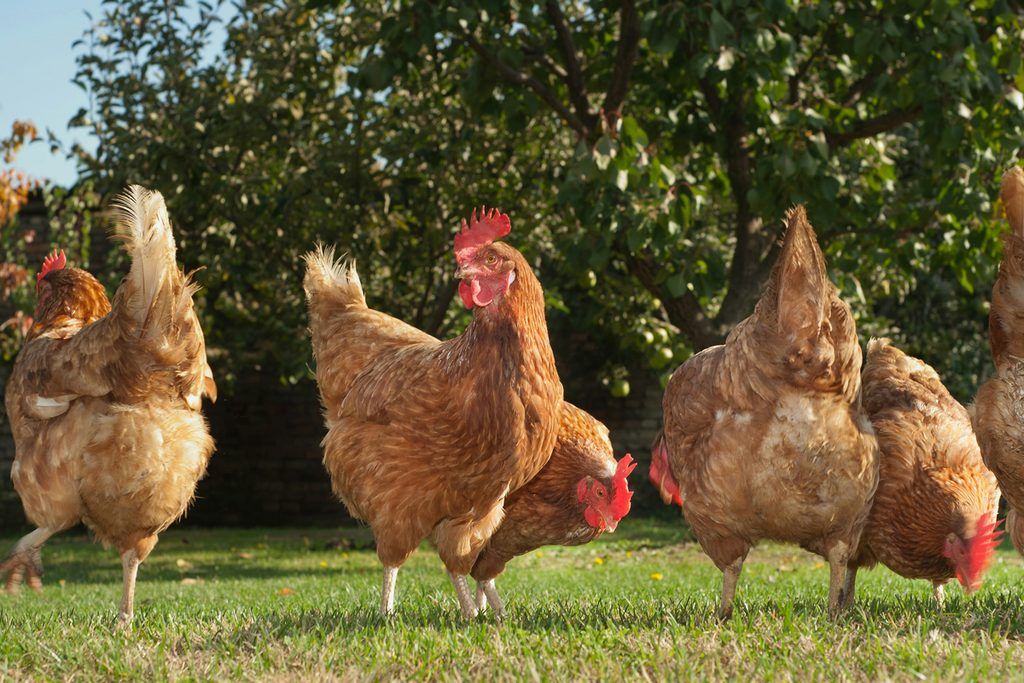
Crowing is also tied to the social hierarchy within a flock. Most backyard flocks don’t need multiple roosters, and flocks kept solely for eggs don’t need a rooster at all. Multiple roosters are more likely to be found in larger or breeding flocks, where one rooster may be kept for roughly every 10 hens.
In groups with more than one rooster, the birds establish a pecking order, and their position can influence when they crow. In a study of small groups of roosters, the highest-ranking bird almost always started the predawn chorus, followed by the other birds in descending order of rank. Lower-ranking roosters also crowed less frequently during the predawn period.
A Rooster’s Crow Is More Complex Than It Sounds
A rooster may respond to another rooster’s call at later times of day, as well as to a sudden noise, a predator, the arrival of a person, or other changes to his surroundings. Age, temperament, and social circumstances can also affect how frequently an individual rooster crows.
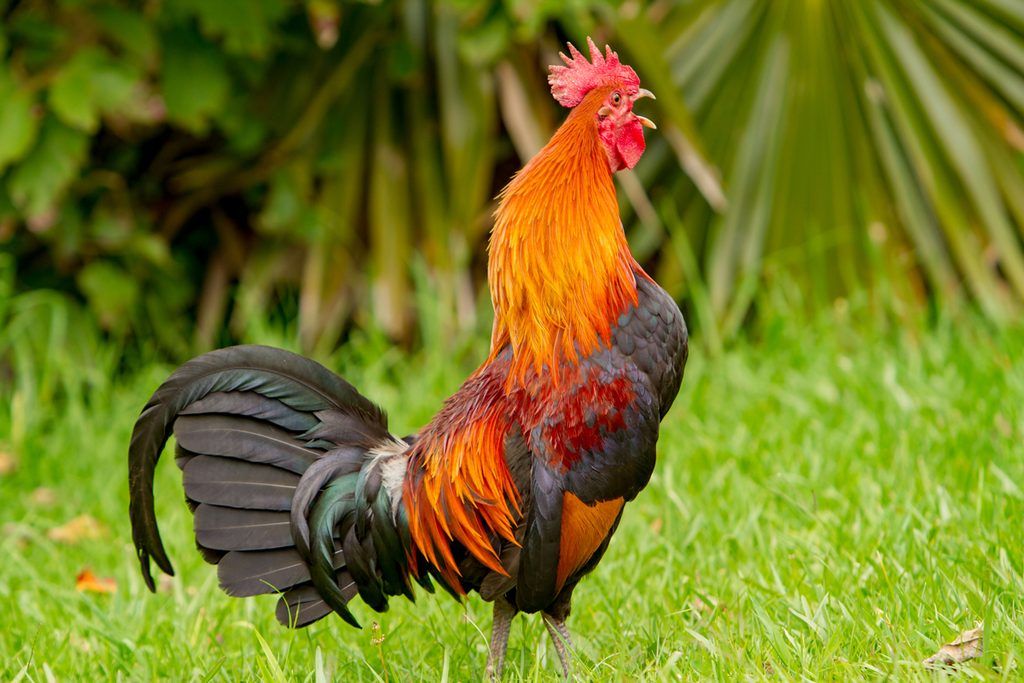
And that familiar crow may sound like one simple note, but producing it requires a specialized vocal organ called the syrinx. Found where the trachea divides into the bronchi, the syrinx allows birds to produce sounds in ways that differ from human speech. Roosters can vary the pitch, timing, and intensity of their calls, and individual birds can have distinctive acoustic characteristics.
Plus, a rooster’s crow is loud enough to carry beyond its immediate territory. Measurements have put crowing at about 100 decibels at a distance of one meter, while researchers measuring sound close to the rooster’s ears have recorded levels above 140 decibels (roughly equivalent to the level of a jet engine at takeoff). Roosters’ ears are anatomically designed to close off a part of the ear when crowing to protect their hearing.
To humans, it may sound like the same “cock-a-doodle-do” repeated over and over. To chickens, however, individual differences in those calls can carry information about the bird making the noise — and what sounds like simple farmyard noise can actually be a surprisingly complex form of communication.