Why Do Some Animals Drink Blood?

To most creatures, blood may seem like an unlikely food source on its own. It’s not exactly easy to get at, hidden beneath skin and often protected by the claws, teeth, or swatting hands of the animal it belongs to. Yet throughout the animal kingdom, a surprising number of species — upwards of 30,000 — have evolved to feed on blood.
Several animals, from mosquitoes to ticks and, yes, even vampire bats, all rely on blood to survive. This is known as hematophagy, or blood feeding, and it has evolved independently many times in different groups of animals. So why does nature keep nurturing such a strange strategy?
Blood Feeding Is Ancient
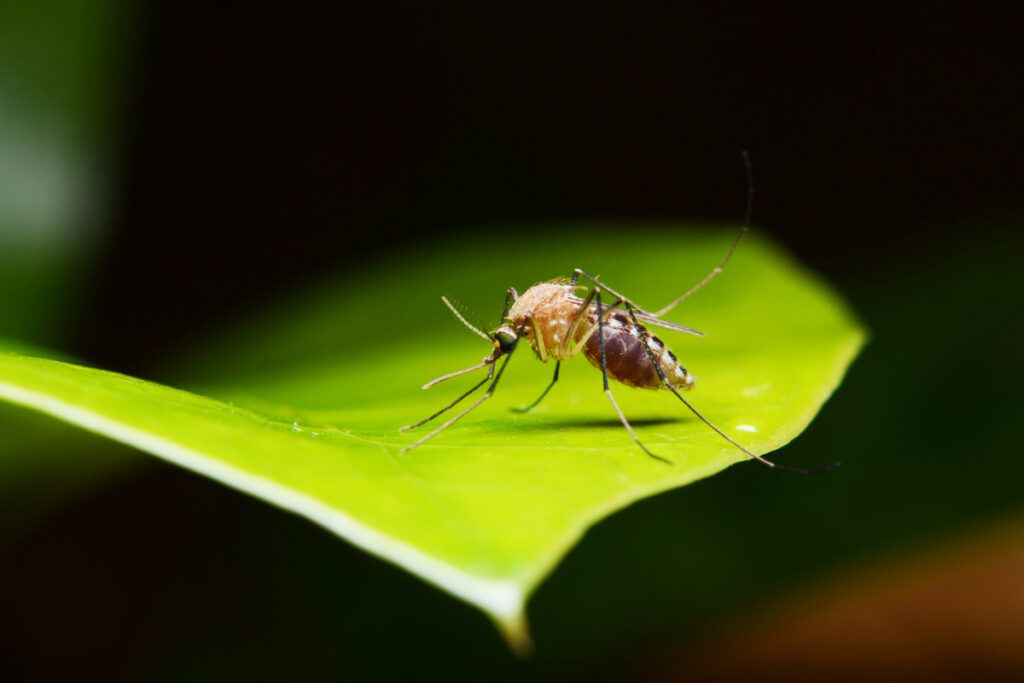
Mosquitoes are among the most familiar blood feeders today. The earliest mosquitoes likely appeared in the Jurassic over 130 million years ago, and even some of the oldest-known mosquito fossils already showed evidence of blood-feeding adaptations.
Today, only fertilized female mosquitoes feed on blood, using it as a source of protein and iron to develop their eggs. Males, by contrast, feed entirely on plant nectar. This split diet suggests that blood feeding didn’t replace plant feeding, but was instead adapted as a specialized reproductive strategy. Blood feeding, then, likely emerged as an added tool — a way to unlock a valuable resource when the opportunity arose.
Over time, different mosquito lineages refined this strategy in different ways, shaped by local ecology and available hosts. In some cases, that included the rise of a preference for human blood.
Why Blood Is Worth the Risk
Despite being relatively difficult to access, some animals continue to seek it out for its many beneficial nutrients. Blood is rich in proteins, lipids, salts, and iron — important parts of growth and reproduction. For a small animal, a single feeding of blood can provide far more nutrition than many plant-based meals combined.
Blood is also relatively predictable. Unlike food sources that fluctuate seasonally, vertebrate animals are widespread and available year round. Although hematophagy remains rare overall, the high payoff and steady availability of blood helps explain why it has evolved repeatedly.
There is another advantage: Unlike leaves, wood, or even many seeds, blood contains nutrients in a liquid form that can be absorbed more quickly. For small animals with limited feeding opportunities, that efficiency matters. A mosquito, for example, may only have a moment to feed before being smacked or swatted away, making a concentrated meal especially desirable.
The Blood Feeder’s Dilemma
Of course, blood is found inside living, reactive hosts that will actively try to prevent being fed on, so getting to it is not always straightforward. Blood-feeding animals have evolved specialized tools to attempt to solve that problem.
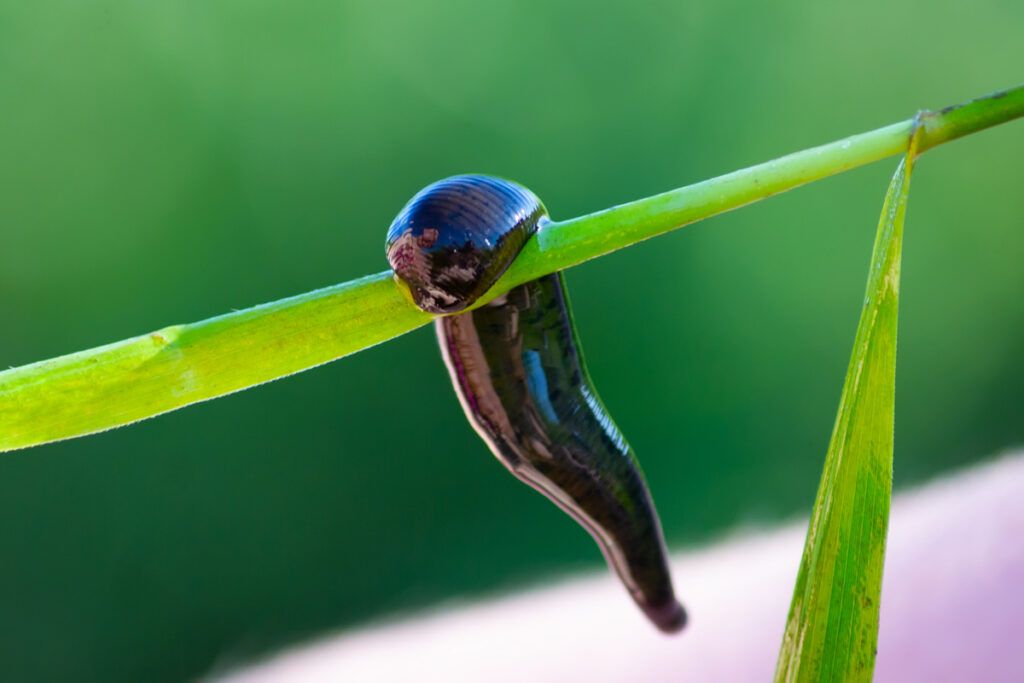
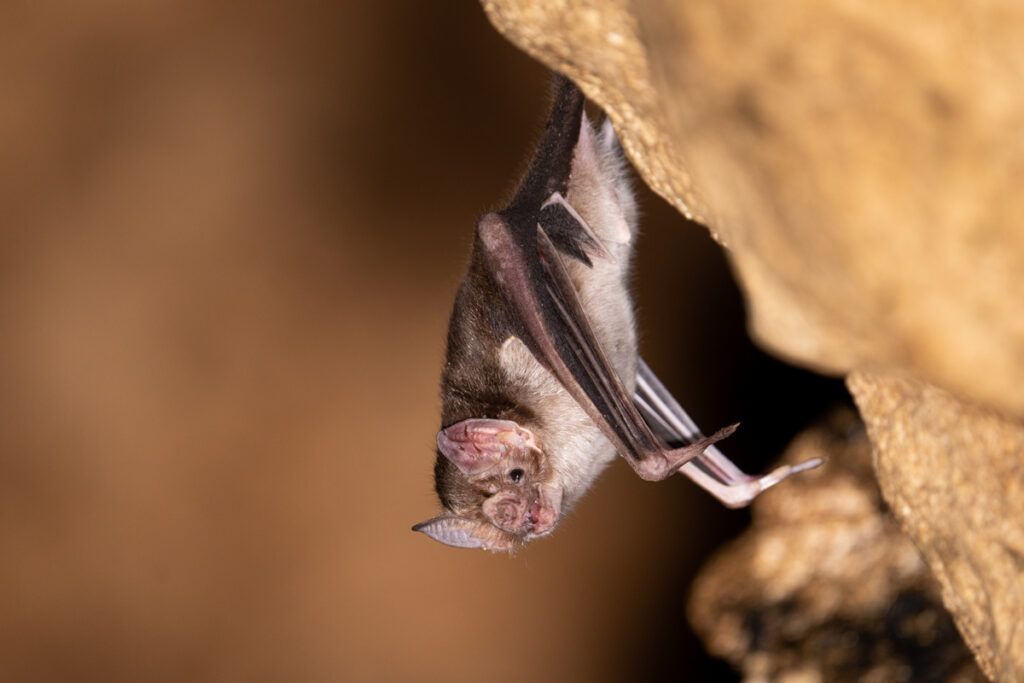
Mosquitoes, for example, use six needle-like mouthparts to pierce skin and locate blood vessels, while their saliva contains a chemical concoction that prevents clotting and reduces pain. Ticks anchor themselves with barbed mouthparts that can remain embedded for days. Leeches secrete a powerful natural anticoagulant called hirudin that keeps blood flowing freely. And vampire bats use their razor-sharp teeth to create small incisions while their saliva prevents clotting. They have also evolved unique heat-sensitive receptors that help them locate the best feasting areas on their hosts.
Feeding on blood also presents other challenges. Blood is very high in iron and proteins but relatively low in some vitamins, and consuming large amounts can expose animals to potentially harmful levels of iron. Many blood-feeding species have evolved specialized digestive systems or excretory processes that help them process excess nutrients and avoid toxicity.
A Pattern That Keeps Repeating
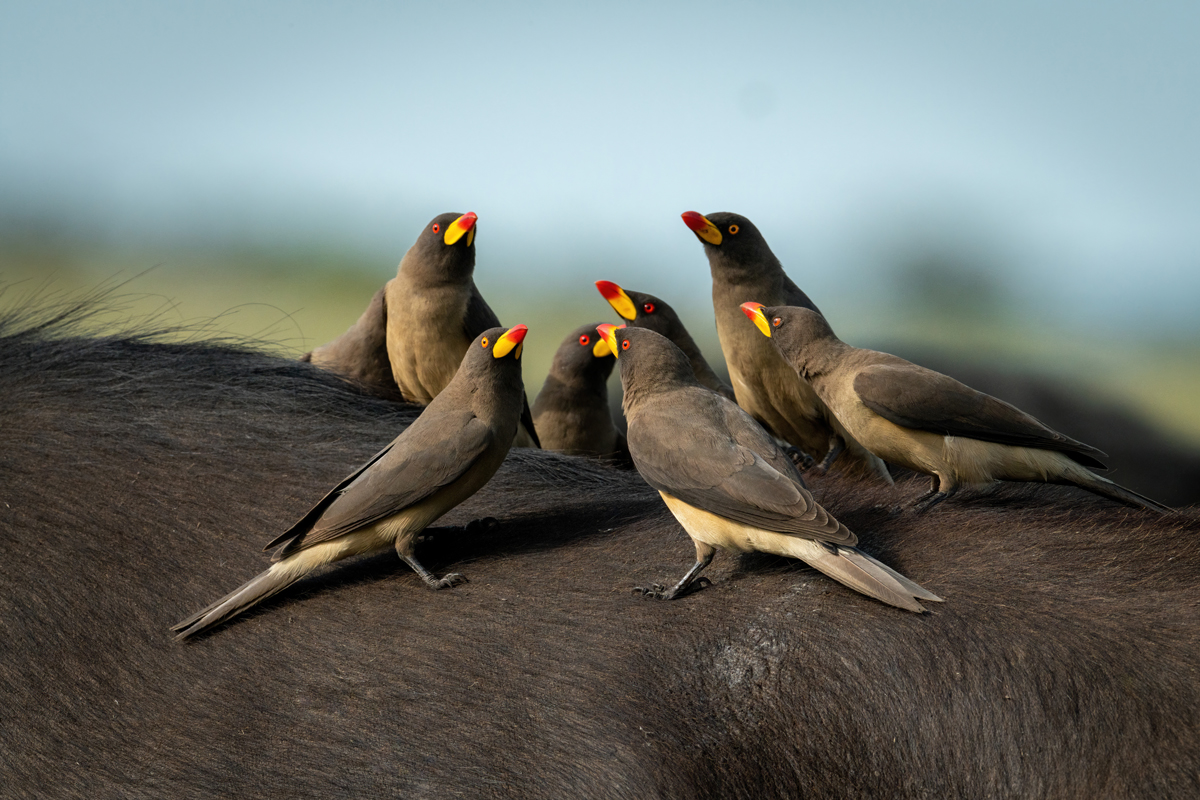
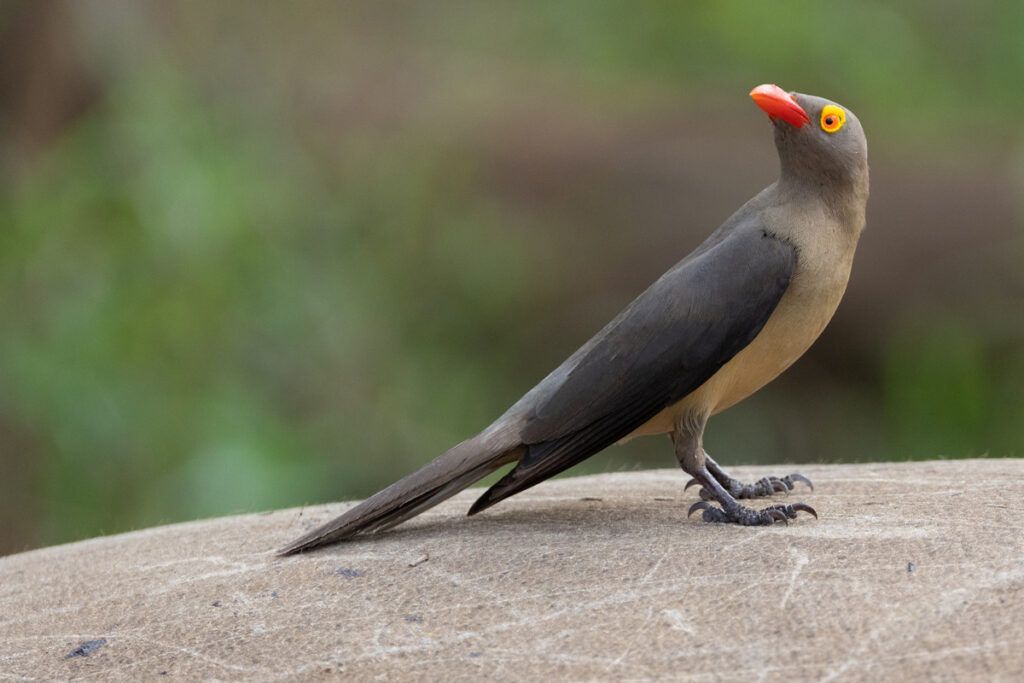
Blood feeding has evolved independently in different groups of animals: Mosquitoes are insects, ticks are classified as arachnids, leeches are segmented worms, oxpeckers are birds, and vampire bats are mammals. These groups are separated by hundreds of millions of years of evolution, yet they were all drawn in by the same opportunity: a resource that is valuable, abundant, and accessible with the right techniques. Blood-feeding animals may seem strange from a human perspective, and for animals, hematophagy can definitely be difficult and risky. But the misunderstood practice has proved valuable enough to evolve repeatedly throughout the animal kingdom.