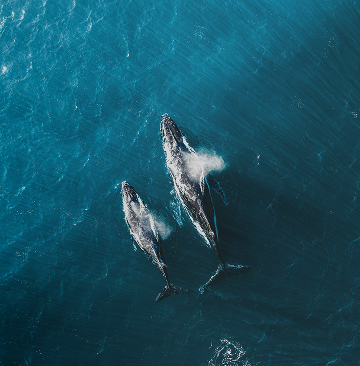
5 Animals With Built-In GPS Systems

Long before humans began using compasses and global positioning satellites, animals were already navigating our world with uncanny accuracy. Many species travel thousands of miles — whether across open ocean, featureless desert, or trackless sky — to arrive at precise destinations, often using senses we would deem positively superhuman. Some of these navigational abilities are so complex, and so unerringly precise, that scientists are still working out exactly how they function.
Here are five animals whose incredible skills allow them to navigate to precise destinations, in some cases without ever even having been there before.
Homing Pigeons
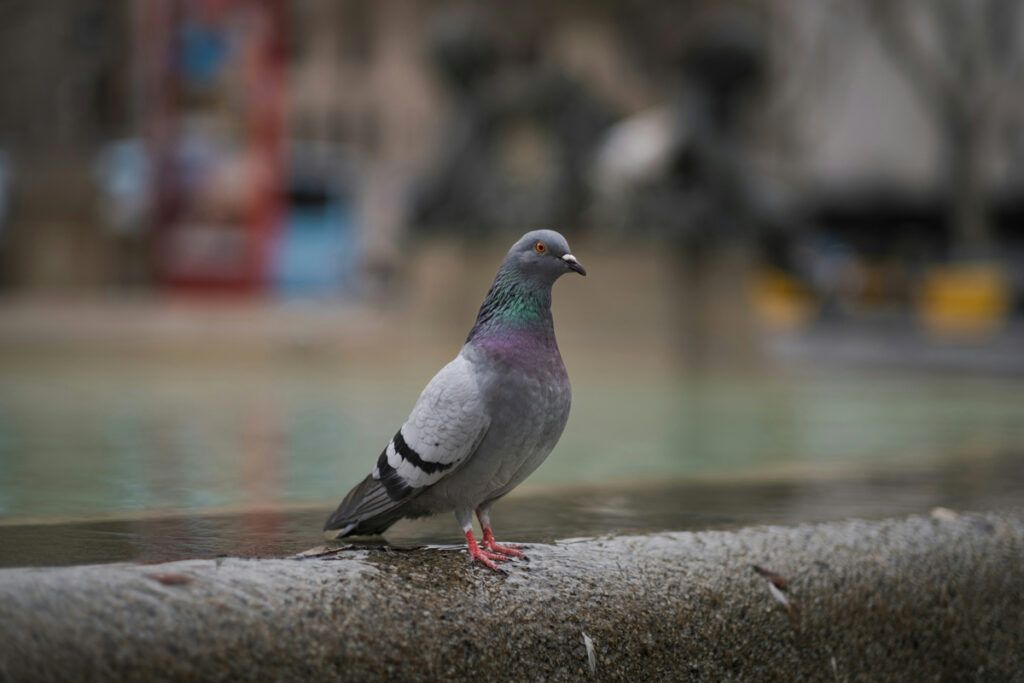
It’s not easy to pick just one champion navigator from the world of birds. Many avian species — Arctic terns, bar-tailed godwits, blackpoll warblers, and common cuckoos, to name a few — possess astounding navigational abilities. But the bird best known for these skills has to be the homing pigeon: These exceptionally skilled navigators have been used to carry messages for centuries — evidence suggests even the ancient Egyptians used pigeons for communication.
A homing pigeon’s ability to find its way back to a home loft from unfamiliar locations, sometimes hundreds of miles away, is legendary (and also made them vital messengers during both world wars). Researchers believe their shrewd navigational skills draw on multiple overlapping systems, including magnetic field detection, the position of the sun, and even a memorized “mental map” built from familiar smells and landmarks near their home loft.
Monarch Butterflies
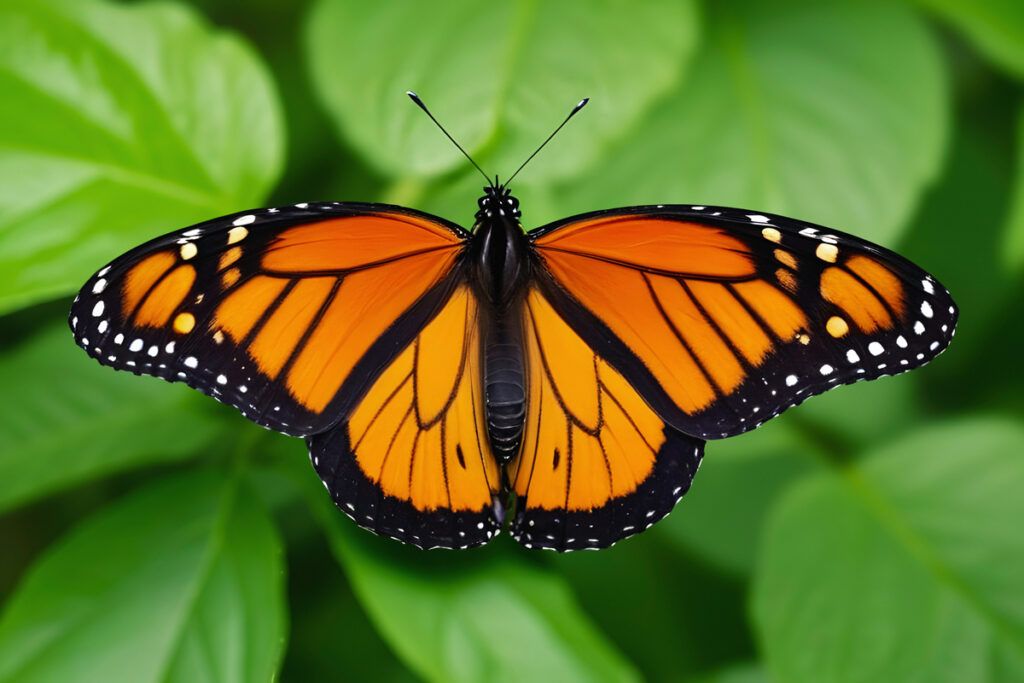
Every year, monarch butterflies migrate up to 3,000 miles from the U.S. and Canada to Mexico, making them the only known insects to make this type of long-distance migratory journey. This is a multigenerational voyage — the generation that migrates south is several generations removed from the one that flew north the previous year. This makes the journey even more impressive, as no individual has ever completed the entire trip, which begs the question: How do they know where they’re going?
Scientists believe the monarchs achieve this great migration using what’s technically known as a “time-compensated sun compass.” The butterflies use the horizontal position of the sun in the sky, combined with their own internal clock (circadian rhythm) to achieve this astounding feat of navigation.
Dung Beetles
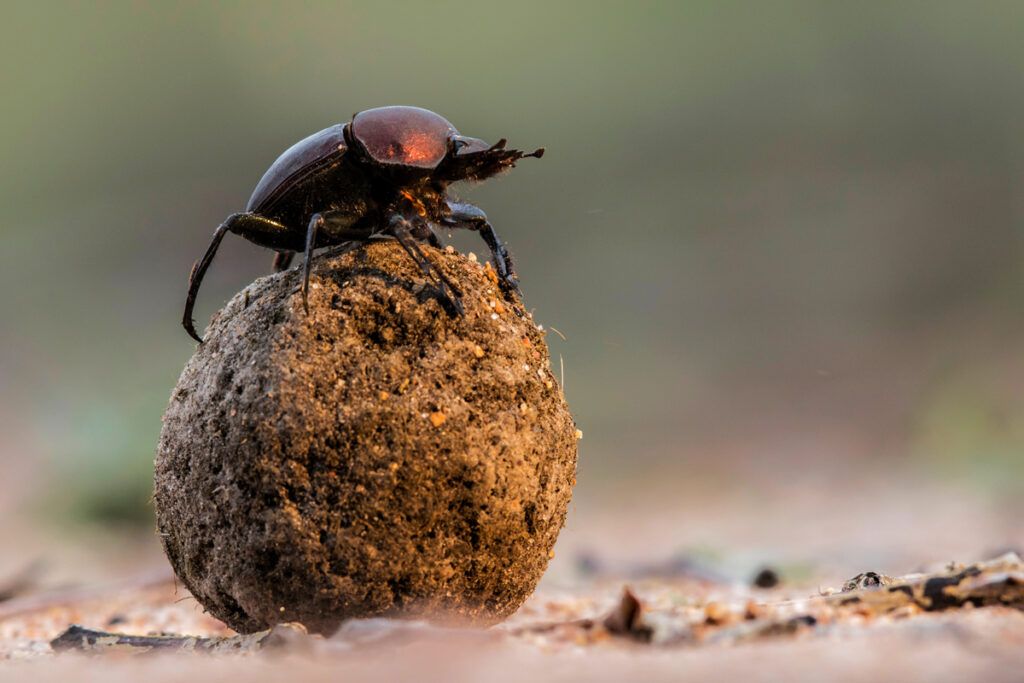
Dung beetles are named for their penchant for rolling balls of manure which they later bury themselves inside to feed upon. It’s not the most glamorous ability, but their rolling skills are impressively precise.
After forming a prized ball of dung, a beetle needs to roll it away from competitors in a straight line as quickly as possible, and avoiding accidentally circling back to the dung heap is crucial.
Researchers at Sweden’s Lund University discovered that nocturnal dung beetles orient themselves by recording a mental image of the positions of the sun, the moon, and the stars, all while scrambling around on their ball of manure. They then use that snapshot to travel in a precise direction. It’s a highly sophisticated bit of celestial navigation for a dung-obsessed beetle with a brain smaller than a grain of rice.
Bats
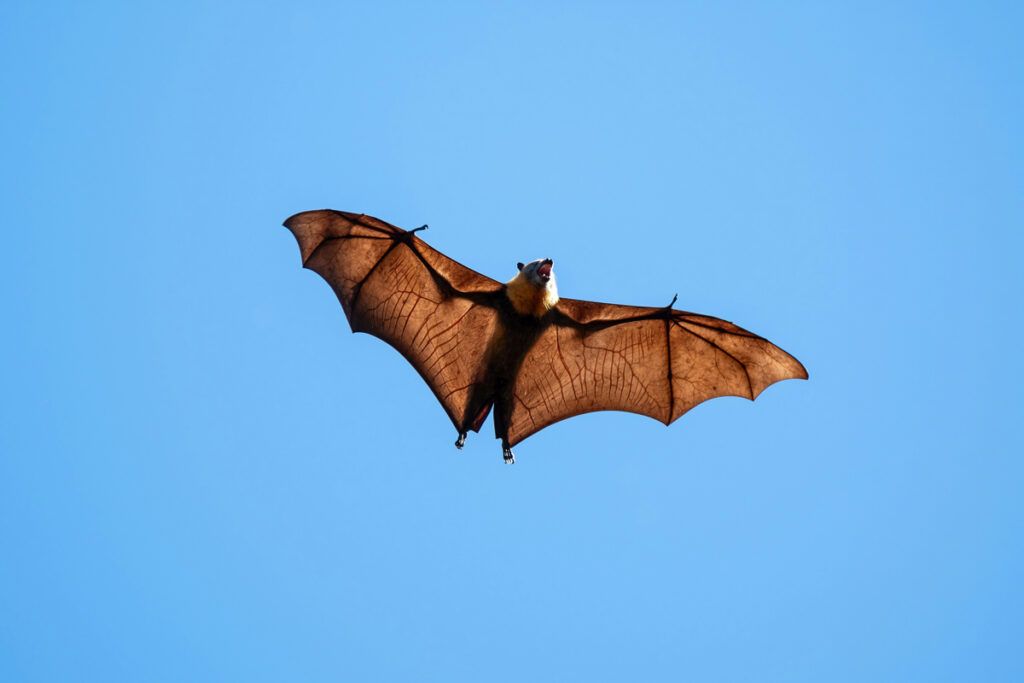
Bats use a range of tools to complete migrations spanning hundreds or thousands of miles. They’re perhaps most famous for using echolocation to navigate their immediate environments, but research has found that some bat species, including the Kuhl’s pipistrelle, use echolocation to create an acoustic cognitive map of their entire home range, allowing them to navigate accurately over distances of many miles.
Bats also navigate using a magnetic compass that’s calibrated each evening using the position of the setting sun. Studies of greater mouse-eared bats found they can calibrate their internal magnetic compass by reading the pattern of polarized light in the evening sky — making them the only mammal confirmed to use polarization cues for navigation, much like bees and some migratory birds.
Salmon
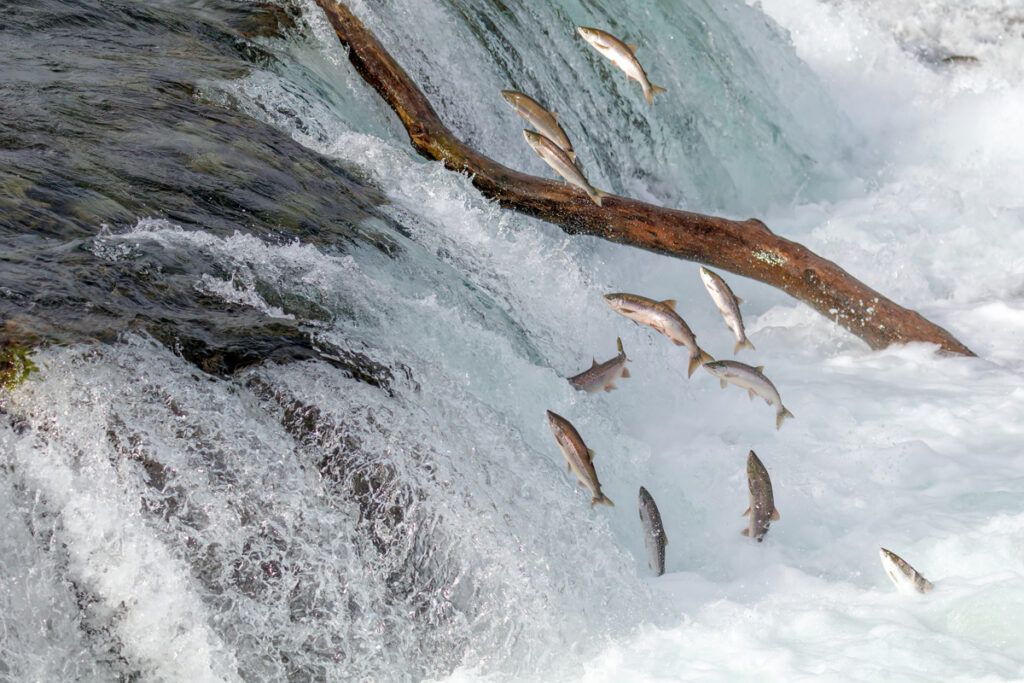
The ocean is full of incredible navigators, including sharks, harbor seals, spiny lobsters, humpback whales, eels, and loggerhead sea turtles. The Pacific salmon is right up there with the best of them, thanks to its remarkable ability to return from the open ocean to spawn in the exact freshwater stream where it hatched years earlier — often after swimming for thousands of miles.
Current research suggests that salmon combine two tools to find their way home: Out in the open ocean, they use magnetic field sensing, utilizing an internal “magnetic map” with which they’re born. By sensing changes in the intensity and angle of the Earth’s magnetic field, they can position themselves on this built-in map to establish their exact location in the ocean.
When they approach coastal waters, the salmon switch to using smell to find their way back to the stream in which they hatched. Using a smell memory-bank from when they were young, they’re able to detect the unique chemical signature of their home streams, taking them back to the very same waters where their life cycle began.