5 Animals With Senses Humans Don’t Have

Unless you’re like Haley Joel Osment’s character in The Sixth Sense, most humans are born with just the five basic senses: vision, hearing, touch, taste, and smell. The same goes for other animals, though you may be surprised to learn about all the “sixth” senses that exist in the animal kingdom.
Some creatures can sense electrostatic fields, others can visualize heat, and various animals use sound waves to navigate their surroundings. Here are several examples of animals with senses that we humans lack.
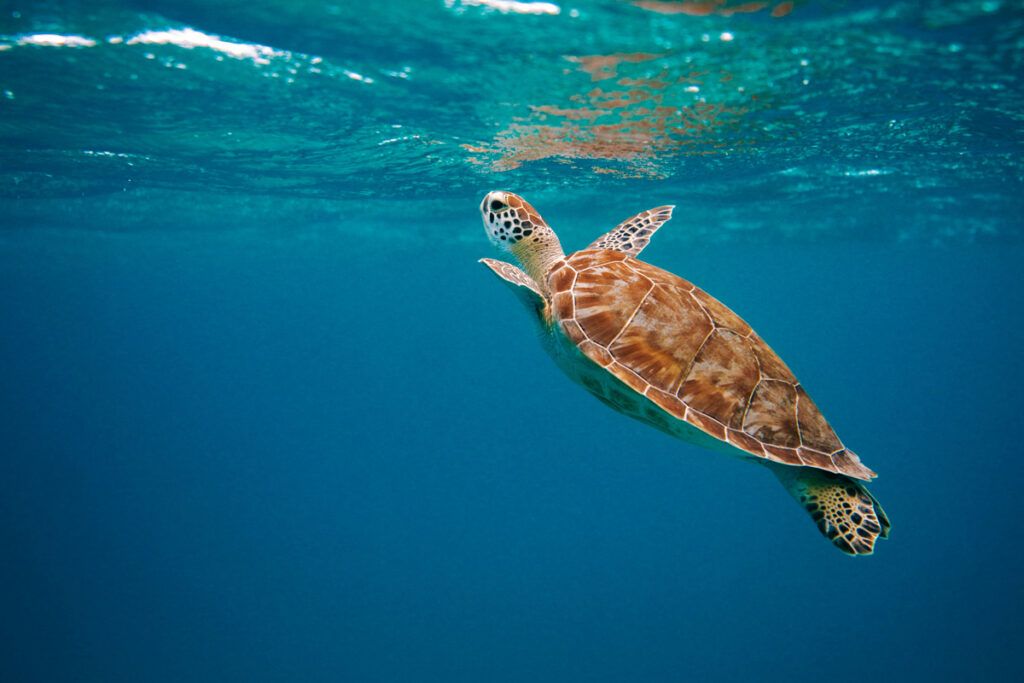
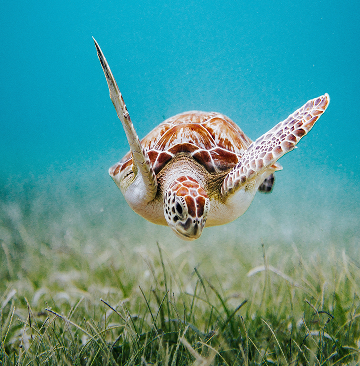
Sea Turtles: Magnetoreception
Imagine having the ability to navigate long distances without having to consult Google Maps even once. Sea turtles have just that, specifically in the form of magnetoreception, which essentially acts as a built-in compass that gleans information from the planet’s natural magnetic field. Turtles can also sense waves emanating from human-made structures such as offshore wind farms and power lines.
Whatever the source may be, studies show the turtles essentially create maps in their brains using the information provided by Earth’s magnetic fields. They can use those “maps” to travel to specific destinations, even ones located thousands of miles away. This comes in handy especially during migratory periods, allowing them to return to the precise spot they originally migrated from.
Magnetoreception is also present in a number of migratory animals besides turtles, such as salmon, birds, and insects. Perhaps one day scientists will devise a way for human snowbirds to use magnetoreception when traveling to Florida for the winter, but that day has not yet arrived.
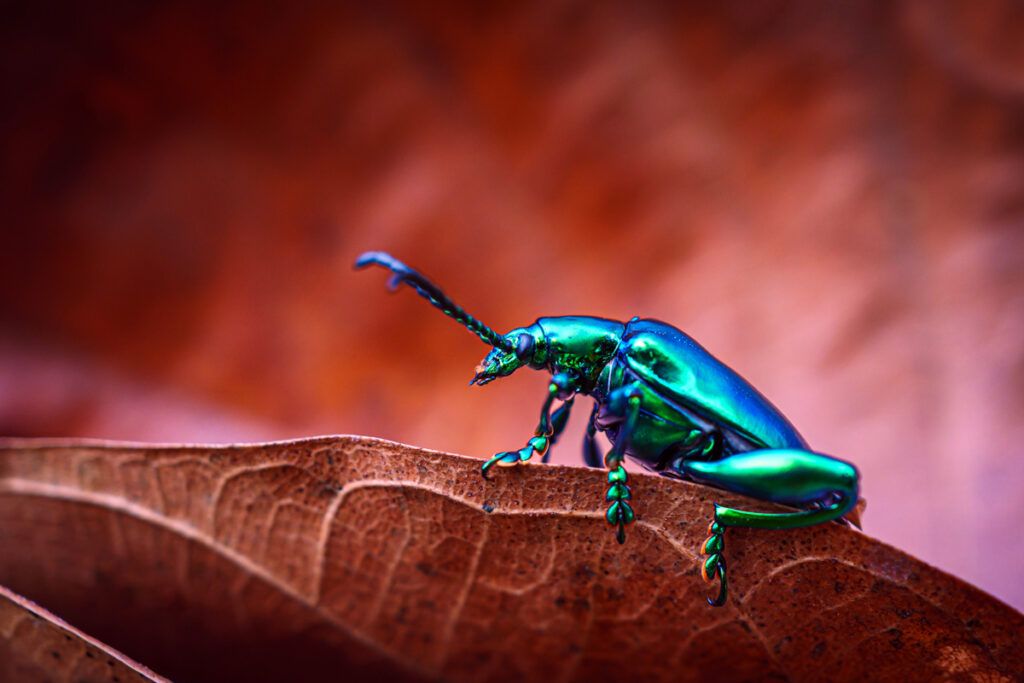
Jewel Beetles: Infrared Detection
Much like expectant parents searching for the right hospital, the jewel beetle is rather particular when it comes to where it gives birth. But unlike human parents, this beetle prefers to do so inside the charred husks of trees that have been damaged by forest fires.
You may wonder how jewel beetles can track down forest fires without access to news or social media. The answer lies in the creature’s genetic ability to detect infrared radiation from up to 50 miles away: Jewel beetles possess a pair of infrared-detecting organs that are used to sense heat.
Those organs are located under their wings and absorb radiation at the precise dominant wavelength (3 micrometers) emitted by wildfires. After absorbing the heat radiation, the organs expand, providing the beetle with a sense of which direction it must go to find the charred arboreal remains.
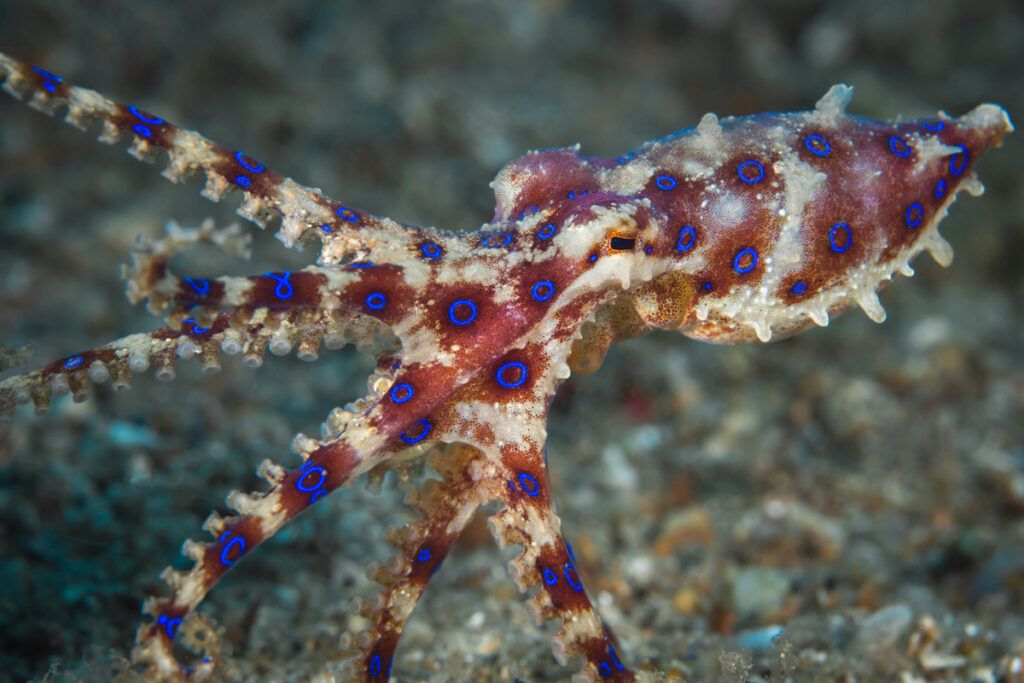
Octopuses: Polarized Vision
If you’ve ever worn a pair of polarized sunglasses, you know they’re ideal for eliminating intense glare. But under the sea, octopuses, along with other cephalopods including cuttlefish, also rely on polarized vision. Obviously those creatures don’t have access to Sunglass Hut or Warby Parker, but thankfully that helpful trait is built into their genetic makeup.
Octopuses are colorblind, and rely on polarized vision for protection and to navigate their surroundings. In many other creatures, the ability to process polarized light is impacted by spatial distortion — e.g., how the density of water causes light to refract and bend in a way that causes objects to appear blurry, closer/farther, or shaped differently than their actual form.
But an octopus’s photoreceptor cells are able to process the polarized light directly without distortion. This allows octopuses to clearly see the polarized light that reflects off predators and prey, and to camouflage their bodies to match the polarization of their environment.
There’s also a theory that octopuses may rely on this ability for hidden communication. In other words, they could potentially reflect polarized light off their own bodies to communicate with other octopuses, knowing that the reflections are imperceptible to other sea creatures.
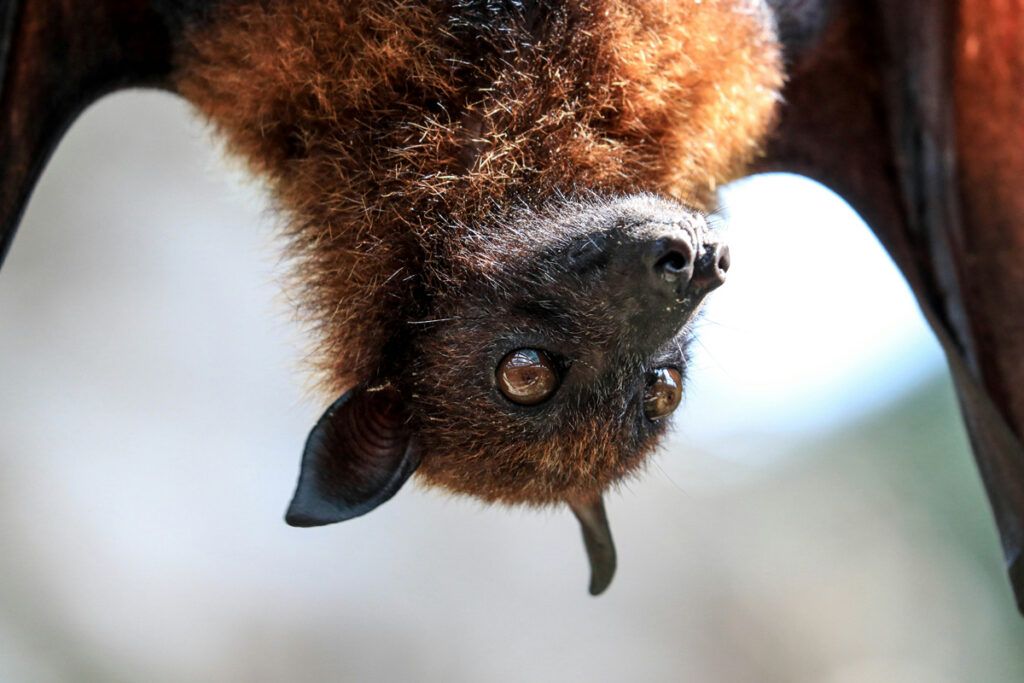
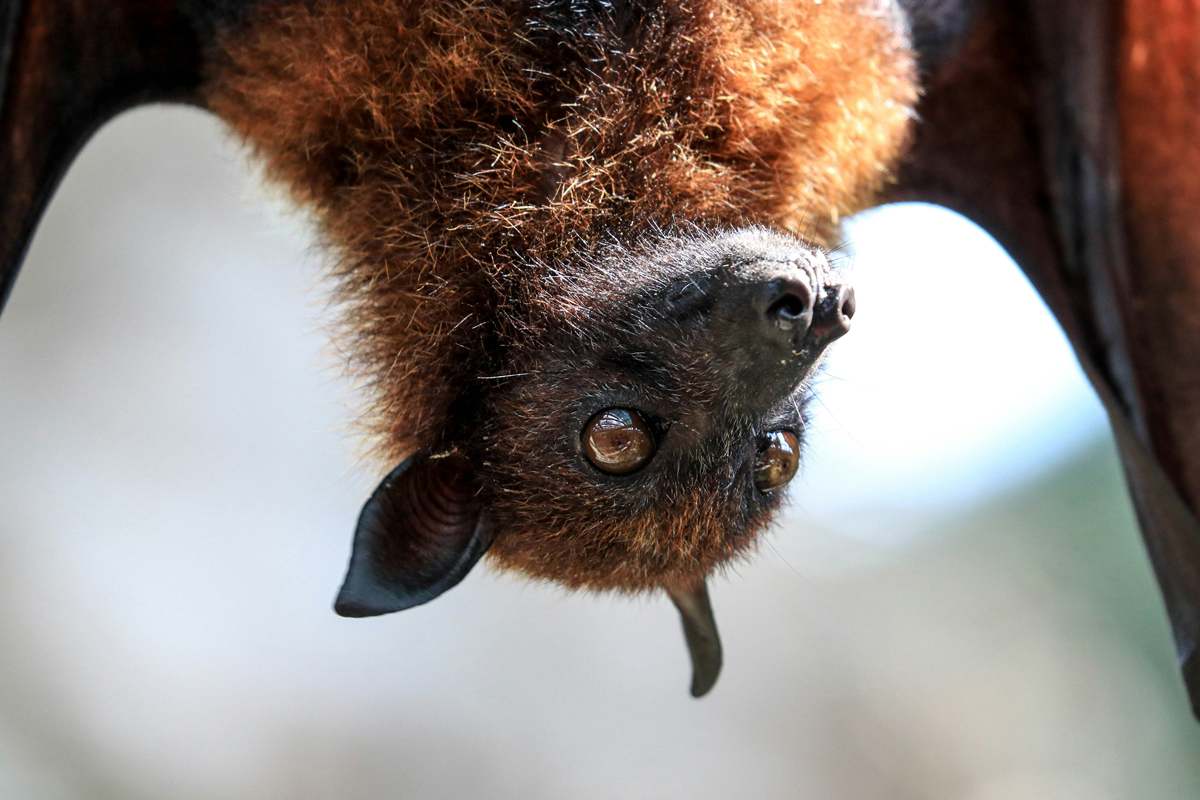
Bats: Echolocation
It’s a common misconception that bats are blind; if anything, they probably have better vision than most humans taking eye tests at the DMV. But despite the ability to see, bats largely rely on what’s known as echolocation to navigate and communicate.
Echolocation works by bats producing high-pitched sound waves that are imperceptible to the human ear. Those waves bounce off the surrounding environment and return to the source — the bat itself — to provide it with essential information.
For instance, besides communication and navigation, bats also use echolocation for hunting, producing sound waves that bounce off an insect to reveal its location. This tells the bat where it needs to swoop for a nice five-star dinner.
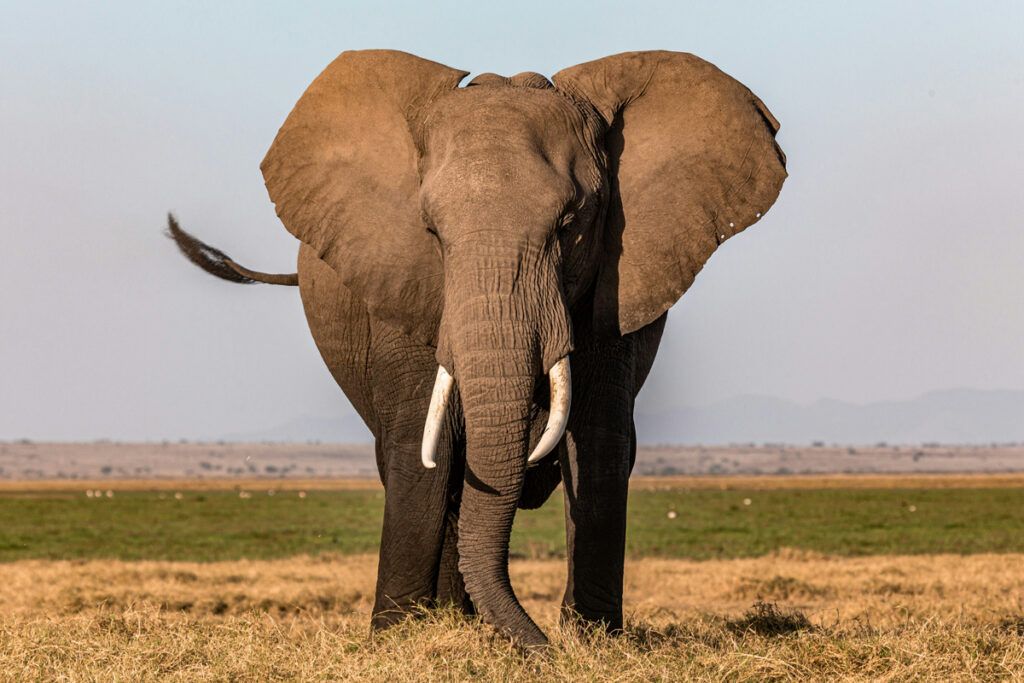
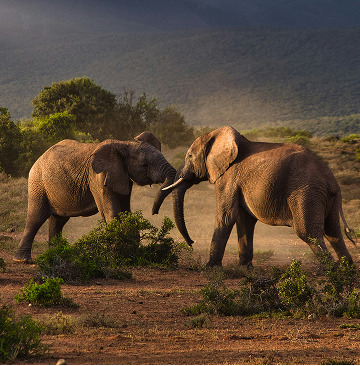
Elephants: Seismic Communication
Elephants seem to enjoy music, and if we had to guess their favorite tune, it may be “Good Vibrations” by the Beach Boys. While human beings are able to feel vibrations in their immediate vicinity, elephants are notably skilled at detecting seismic activity.
Elephants are able to detect those low-frequency rumbles in one of two ways: One theory is that it happens through bone conduction, specifically the huge bones located in their equally massive ears. Other researchers believe elephants have highly attuned mechanoreceptors located in their toes, feet, and trunks, which are sensitive to even the slightest vibrations.
There’s evidence of elephants sensing vibrations from thunderstorms as far as 100 miles away. Elephants in Angola were spotted heading north toward storms in search of water. Elephants themselves can also generate vibrations for communication that can travel as far as 20 miles, alerting other elephants within that range to their presence.