5 Animals That Hold Grudges

Animals often remember more than we give them credit for. Human grudges can involve anger, resentment, or even thoughts of retaliation — complex emotions that are difficult to prove or recognize in other species. But many animals do demonstrate long-lasting memories of past experiences or conflicts with other animals and even humans.
Some animals recognize people who have threatened them for years afterward, while others adjust their behavior in response to treatment from former rivals or remember those who’ve treated them well. These behaviors can help us understand the potential power of animal memories. Here are six animals that seem to be able to hold a grudge.
Crows
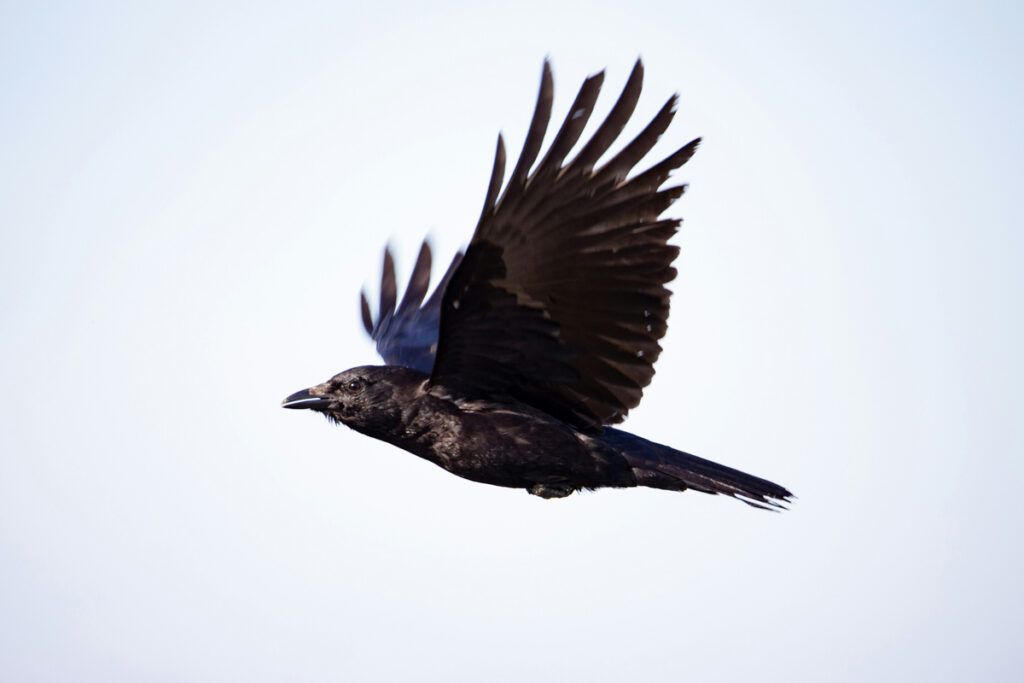
Crows are some of the most observant birds in the world, with a remarkable ability to remember individual humans. Research has shown that American crows can recognize and remember faces associated with negative experiences, such as people who captured or threatened them during experiments; even years later, they may respond to those people with defensive behaviors or cries of alarm. However, they’ve also been known to bestow small gifts such as buttons or pebbles upon people who’ve fed them or shown them other kindnesses.
Their memory doesn’t appear to be limited to their own experiences, either. Crows can learn about a potential danger by watching the way other crows react to someone, so one bird’s bad experience can become valuable information for the rest of the group.
Elephants
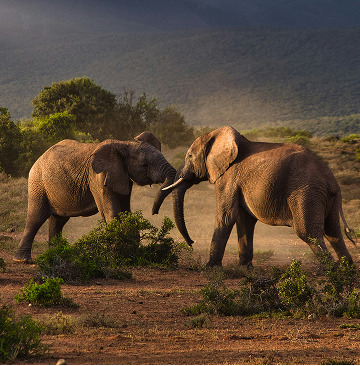
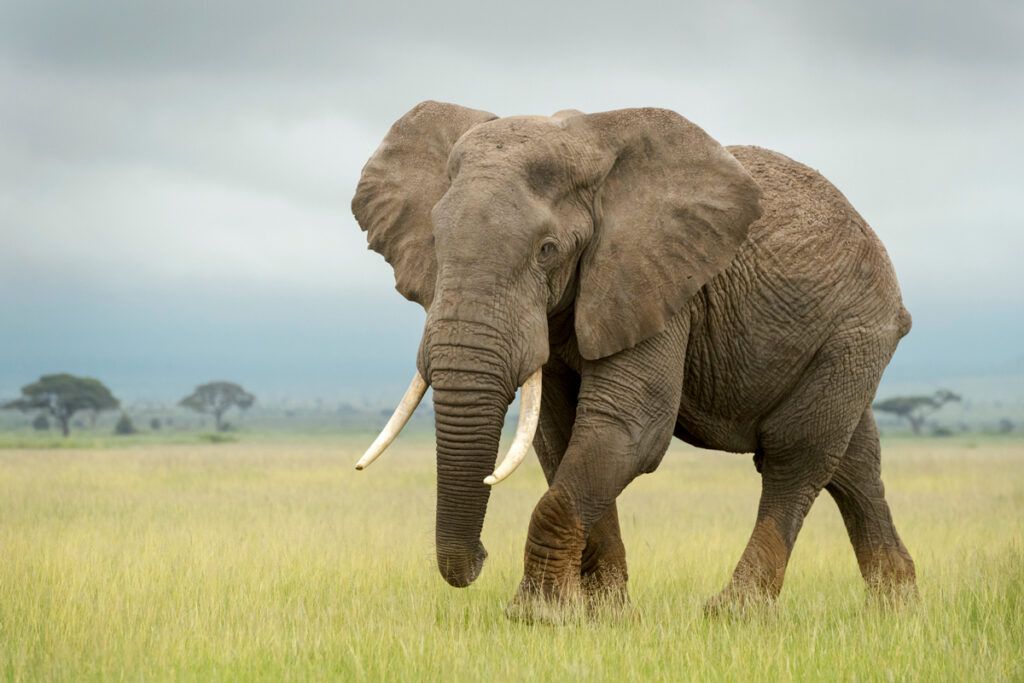
The phrase “an elephant never forgets” has become cliche, but, as with many cliches, there’s some truth behind it. Elephants have excellent memories and can maintain complex social relationships for decades. They can also recognize familiar faces after long periods of separation and they’re able to remember important details about their environment, including migration routes and locations of reliable water sources.
Researchers have found those memory skills also apply to certain danger cues; Elephants can distinguish between different human voices and exercise caution when hearing voices linked with past threats, such as hunting groups, suggesting that their memories extend not only to familiar individuals but also to those who’ve made negative impressions on them in the past.
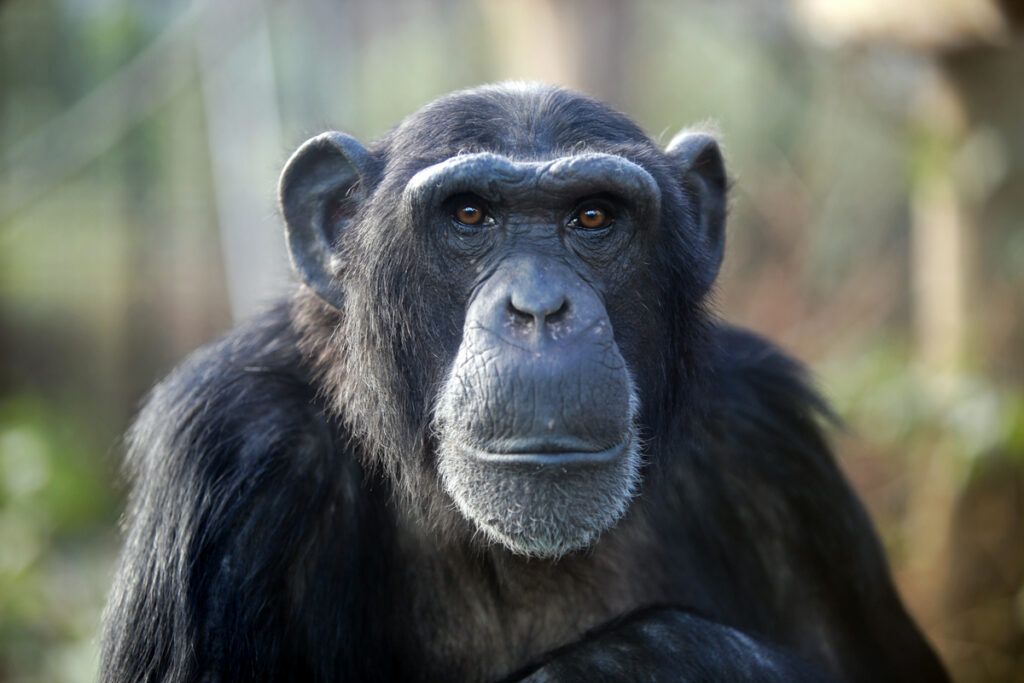
Chimpanzees
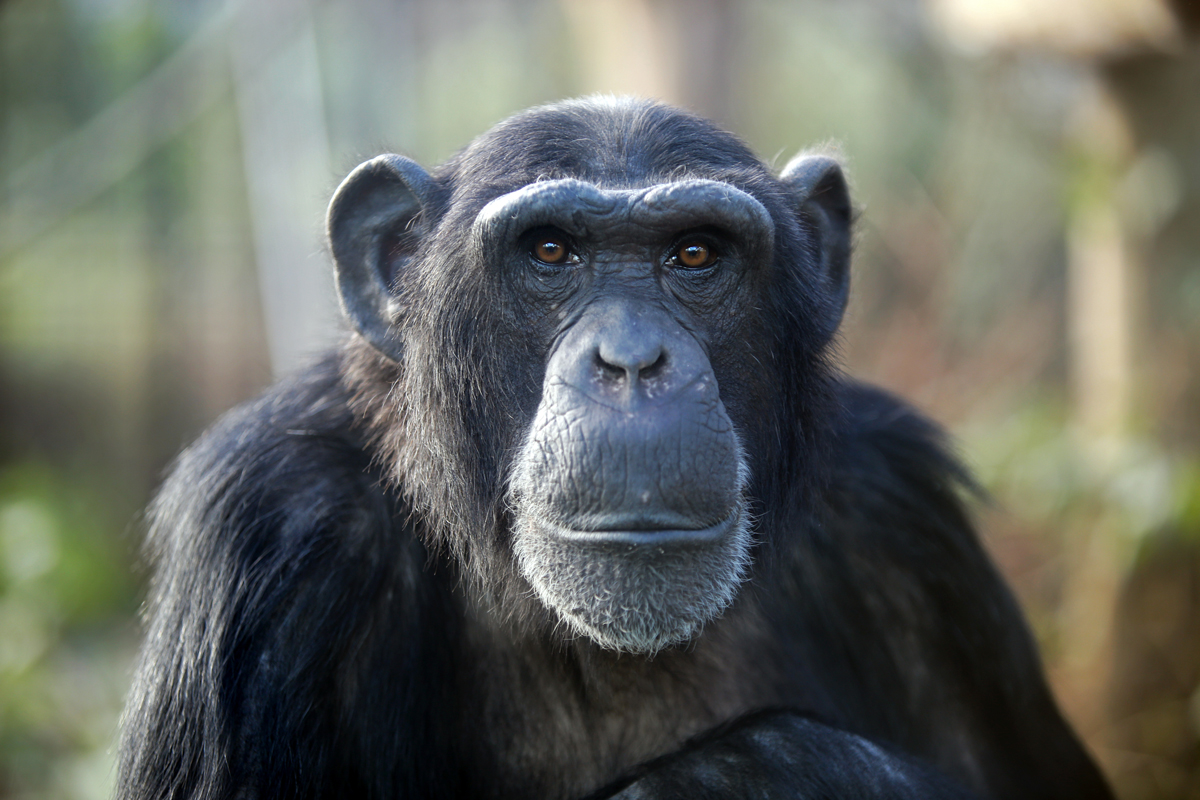
Chimpanzees live in societies built on alliances, friendships, and rivalries, so remembering past interactions is essential. They recognize not only friends and family they haven’t seen for decades, but also previous adversaries. It’s thought that a chimpanzee’s recognition abilities even outdo those of humans.
What’s more, chimps are known to adjust their behaviors in accordance with those memories: They’ll seek out trusted allies during conflicts, but they’ll also sometimes retaliate against past rivals. But research has shown their grudges can be resolved; chimps may also spend time repairing damaged relationships through behaviors such as grooming, embracing, and sharing food after disagreements.
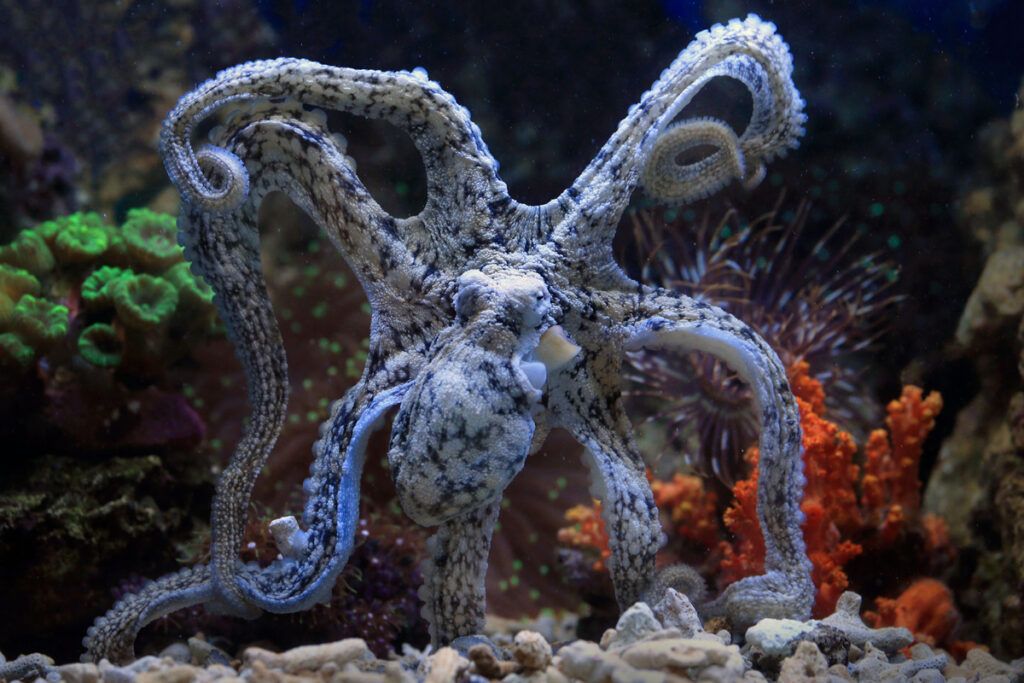
Octopuses
Octopuses are usually portrayed as solitary animals, but that doesn’t mean they avoid conflict. In fact, researchers have observed octopuses engaging in what looks suspiciously like underwater arguments, purposefully launching silt, shells, and algae at one another more than 100 times over a 24-hour period.
Their ability to remember encounters has also inspired some memorable stories. Naturalist Sy Montgomery described octopuses at Boston’s New England Aquarium as appearing to recognize familiar caretakers, including one octopus, Truman, who seemed to single out a particular person he disliked by repeatedly squirting water at her.
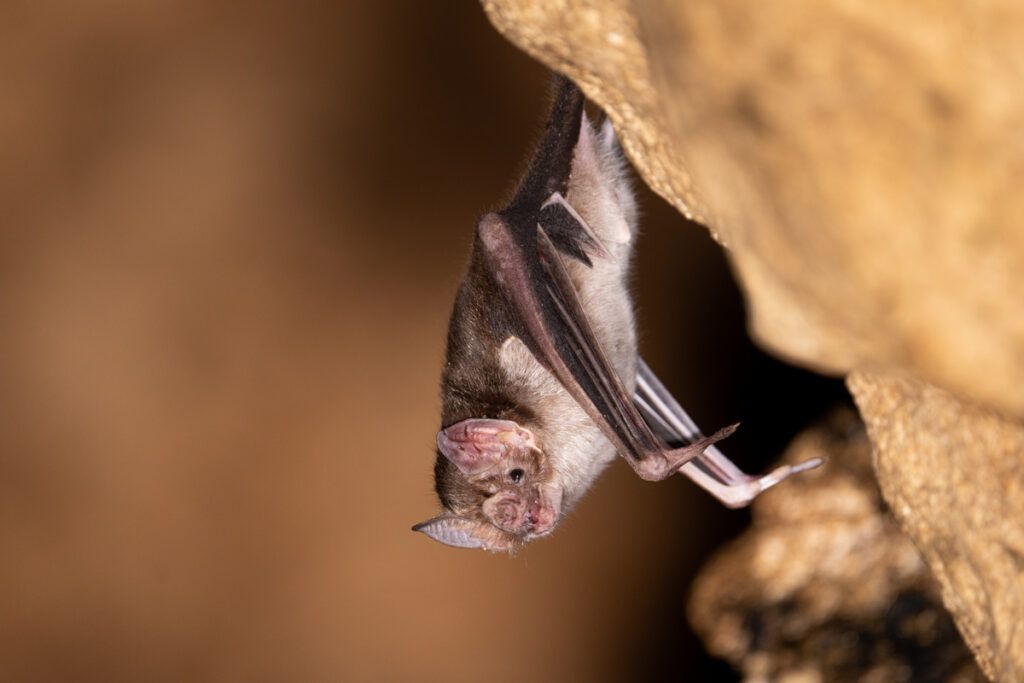
Vampire Bats
Vampire bats may have a reputation as spooky bloodsuckers, but their social lives are surprisingly collaborative. Because they feed only on blood and can’t survive longer than about two days without food, bats often share recently consumed blood meals by regurgitating some of it for hungry fellow bats.
This isn’t a random act of kindness, though. Vampire bats recognize individual roostmates and remember previous events, becoming more likely to help bats that have helped them in the past. In turn, however, those that take without eventual reciprocation, however, are likely to be refused a meal the next time they come looking.