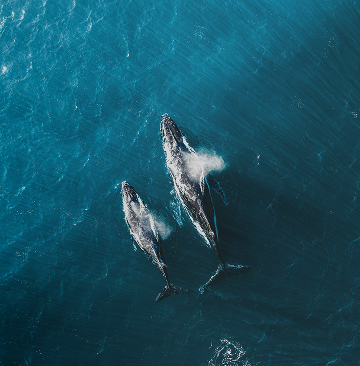
The 5 Oldest Animal Species That Still Exist

Our planet has been home to an incredible array of species since the first microscopic organisms emerged some 3.5 billion years ago. The vast majority of those species, however, are now gone. On Earth, extinction is the rule, not the exception — scientists estimate that more than 99% of all species that have ever lived have disappeared entirely.
Against this backdrop of seemingly inevitable extinction, a handful of animal species stand out as extraordinary anomalies: creatures whose basic body plans have remained largely unchanged for hundreds of millions of years. These species have survived ice ages, shifting continents, and at least a couple of the five mass extinction events that have periodically reset life on Earth. Here are five of these so-called “living fossils,” species whose stories are among the most remarkable in all of natural history.
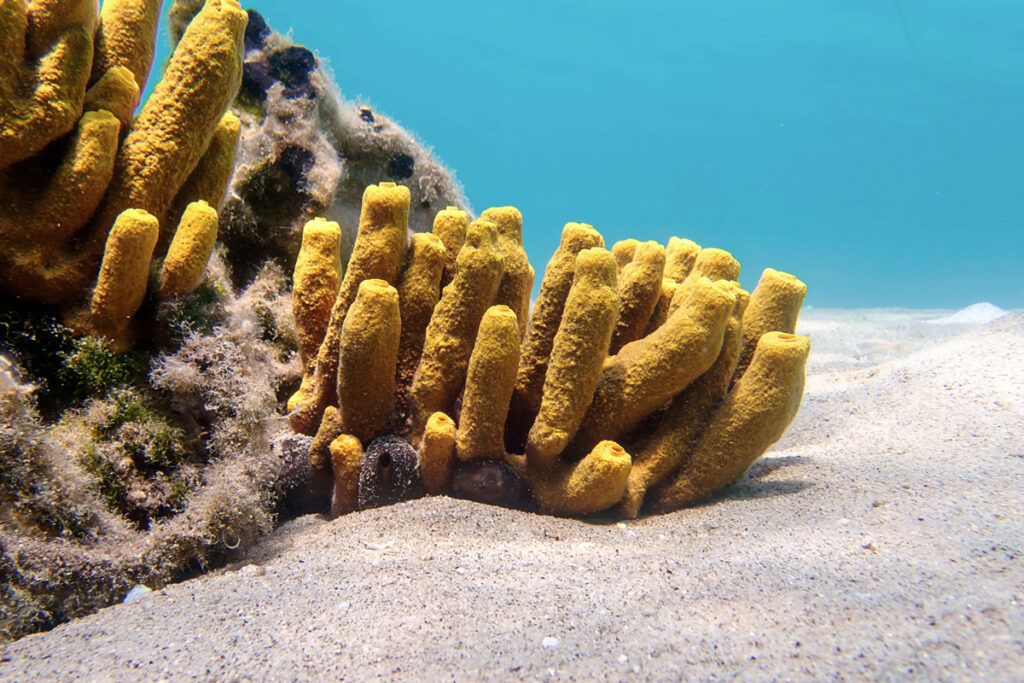
Sea Sponges
Sea sponges are among the oldest known animals on Earth. They evolved at least 540 million years ago, and some fossils suggest they may be more than 700 million years old — and yet, they’ve hardly changed at all since their earliest appearance.
These are incredibly simple creatures, with no brain, no organs, and no nervous system; they don’t hunt and they can barely move. They’re basically biological pumps, filtering ocean water through their porous bodies to extract organic particles for survival.
It’s their simplicity that largely explains their extraordinary longevity (and also why early naturalists regarded them as plants rather than animals). With very little that can go wrong in terms of their biology, and no real pressure to change or evolve, they’ve embraced the simple life to become one of the most successful and enduring animal groups in Earth’s history.
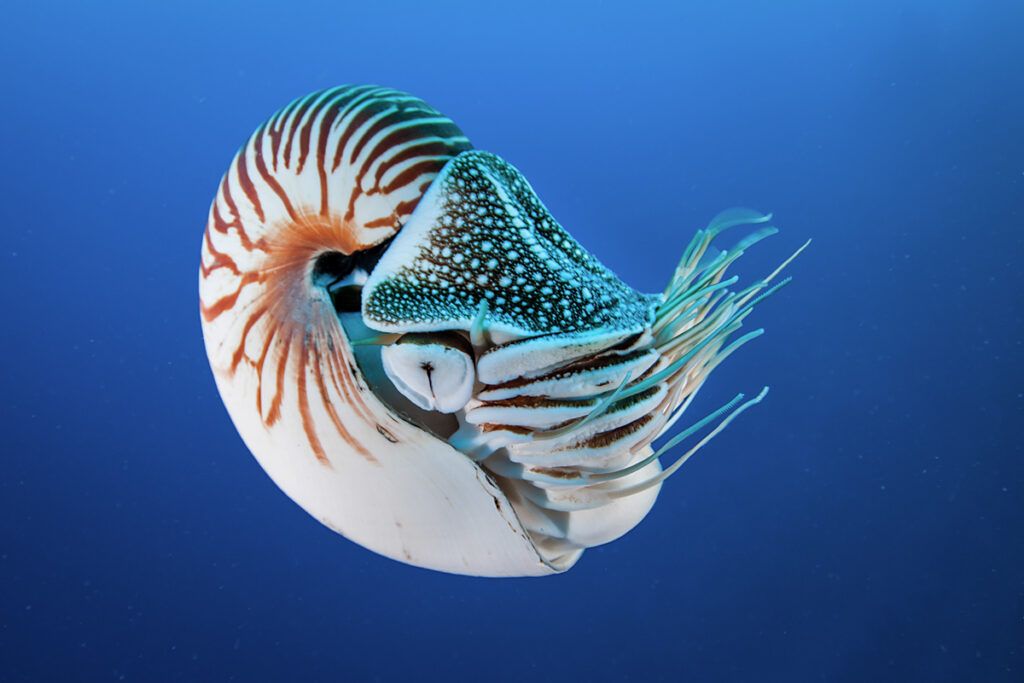
Nautiluses
The nautilus is a spiral-shelled cephalopod that’s changed remarkably little in half a billion years of existence — it’s basically the same now as it was when dinosaurs roamed the Earth. Nautiluses are distant cousins to squids, octopuses, and cuttlefish, but unlike those soft-bodied creatures, the nautilus lives inside a hard external shell. It navigates using jet propulsion (ejecting water to propel itself backward) and regulates its buoyancy through a network of chambers inside its shell.
Scientists aren’t entirely sure how the nautilus survived five mass extinctions, but research suggests the creature’s slow metabolism may have been advantageous during food shortages such as those the occurred at the end of the Cretaceous period, helping it survive while other cephalopod species became extinct.
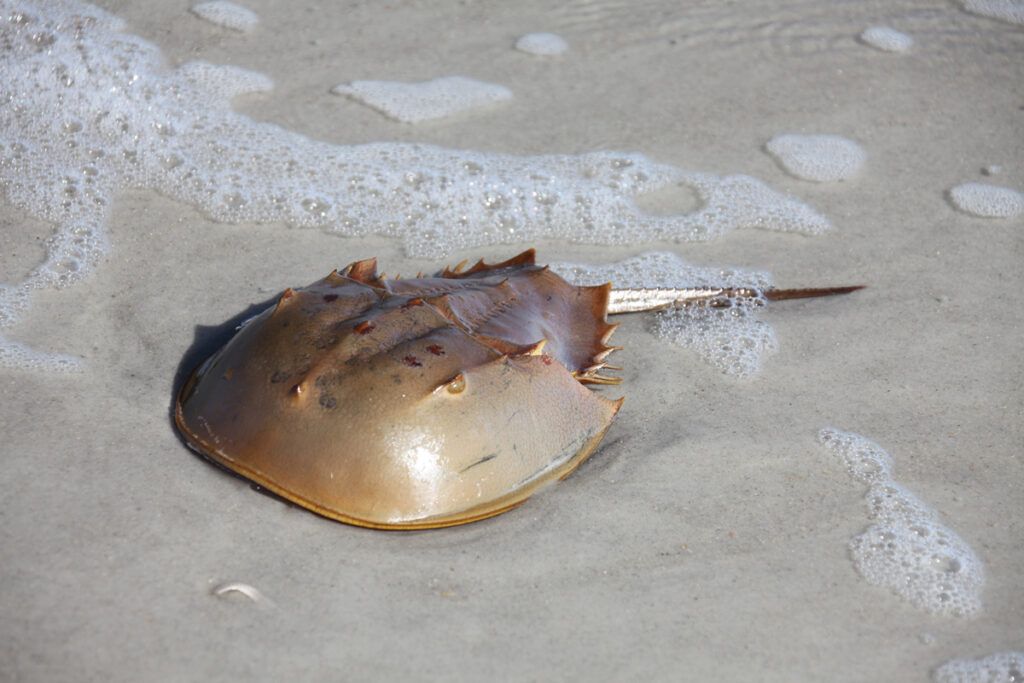
Horseshoe Crabs
Horseshoe crabs are in fact not crabs at all; they’re marine arthropods, more closely related to spiders and scorpions than to any crustacean. They’ve been scurrying across the ocean floor (on 10 legs) for around 450 million years — some 200 million years before the dinosaurs — and their distinctive domed shells and long spikelike tails have remained essentially unchanged for all that time.
One of the horseshoe crab’s more peculiar characteristics is their blue blood, caused by the presence of the oxygen-carrying protein hemocyanin. Unlike the hemoglobin found in human blood, hemocyanin contains copper rather than iron, giving horseshoe crab blood its bright blue hue.
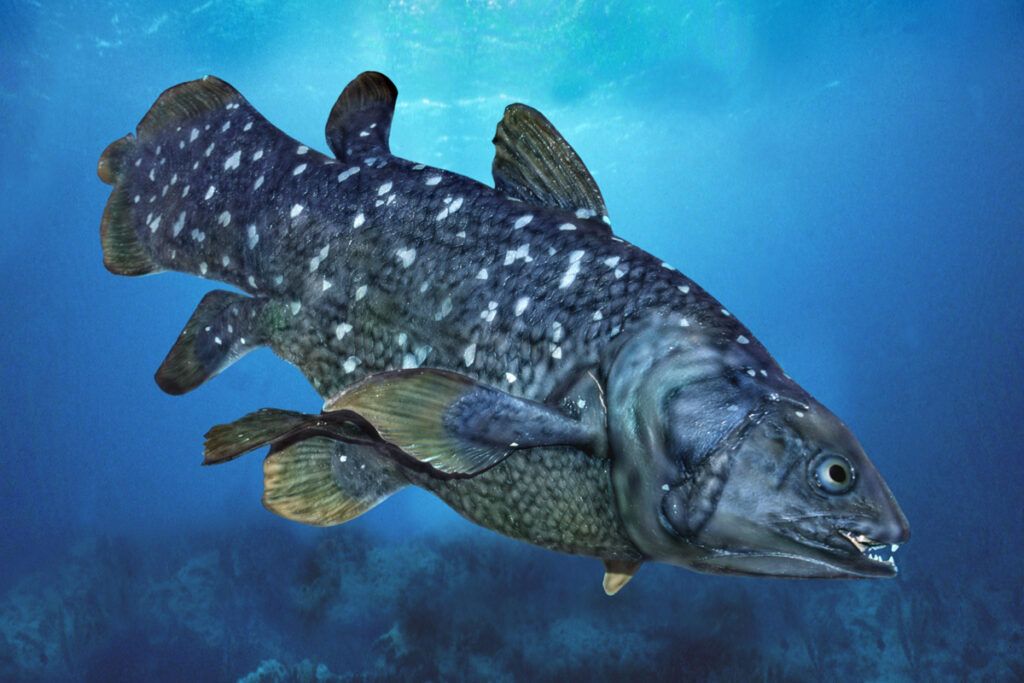
Coelacanths
The coelacanth ranks among the greatest natural history surprises of the 20th century. Scientists once believed that the lobe-finned fish,previously known only from fossils, had gone extinct with the dinosaurs 65 million years ago. Then, in 1938, a live coelacanth was caught by a fishing trawler in the Indian Ocean, astonishing the scientific world.
The earliest coelacanth fossils show that the creature existed as far back as the Devonian period, approximately 420 million years ago. The discovery of a live coelacanth was particularly significant as it’s one of the last remaining lobe-finned fish, whereas most fish today are descended from a common ray-finned ancestor.
Coelacanths have limblike fins that are paired and that move in a synchronized pattern similar to the legs of land-dwelling, four-limbed animals. As such, many scientists regard the coelacanth as representing an early step (no pun intended) in the evolution of fish into terrestrial animals.
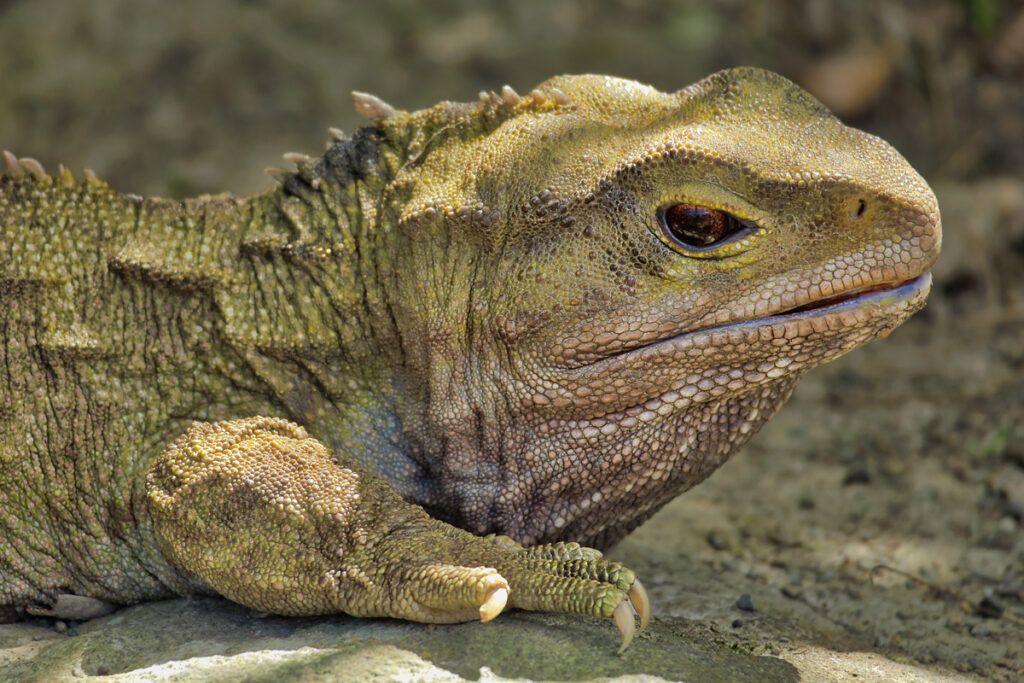
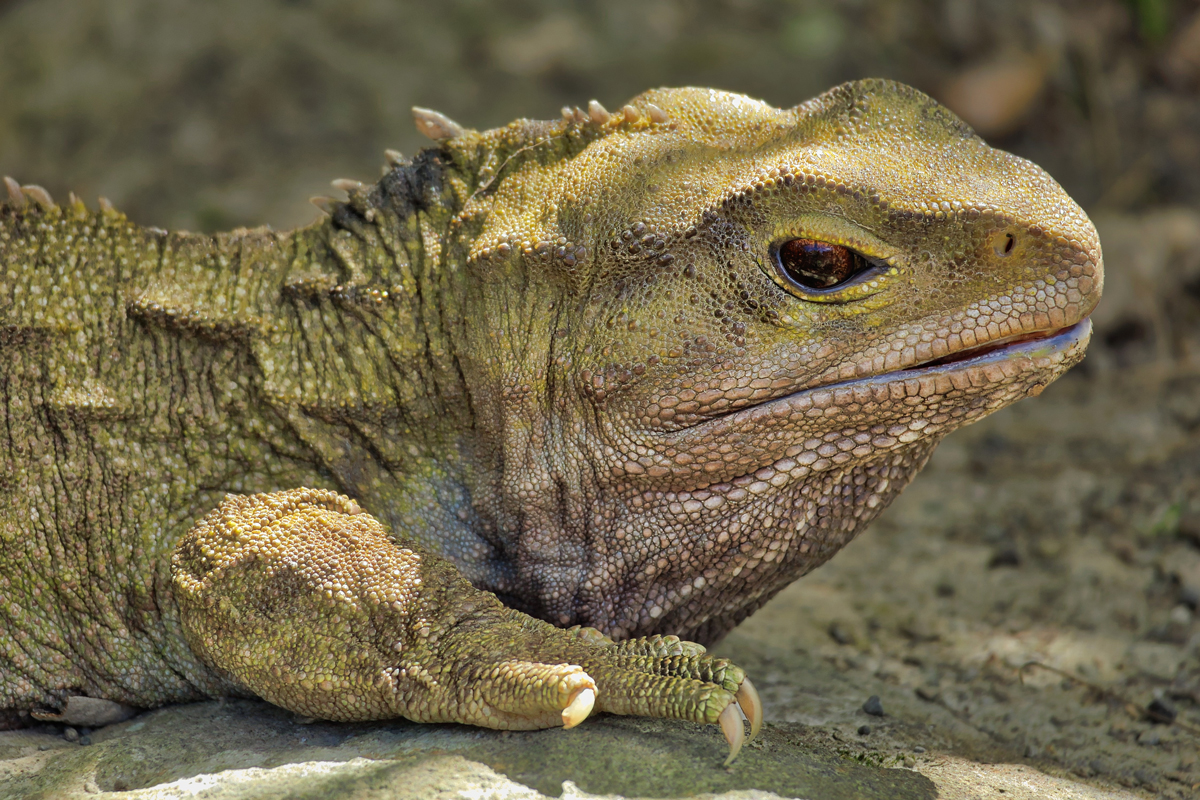
Tuataras
The tuatara is a medium-sized reptile endemic to New Zealand. If you ever see one, you may think it’s a rather average-looking lizardlike creature — but the tuatara is in fact the sole survivor of the ancient and mysterious order called Rhynchocephalia. This group of reptiles, which diverged from lizards and snakes, flourished some 230 million years ago but is now represented by this single extant species.
In 2022, researchers from Harvard University found that modern tuataras have changed very little from their 190-million-year-old ancestors — making them prime examples of what’s informally called “living fossils.” Individual tuatara can live for up to 120 years, making them true survivors both in terms of lifespan and the existence of the species as a whole.