5 Animals That Ignore the Laws of Physics

Gravity makes things fall, friction keeps things from sliding, and energy has to come from somewhere. These are just some of the basic rules of physics we learn in school — but in the animal kingdom, some creatures perform feats that seem to defy those rules.
Of course, no animal can actually break the laws of physics. Instead, evolution has given them ingenious ways to exploit forces that are always at work, from microscopic attractions to the elastic properties of tendons and the aerodynamics of gliding bodies. Let’s take a peek at the physics behind these seemingly impossible abilities.
Basilisk Lizards
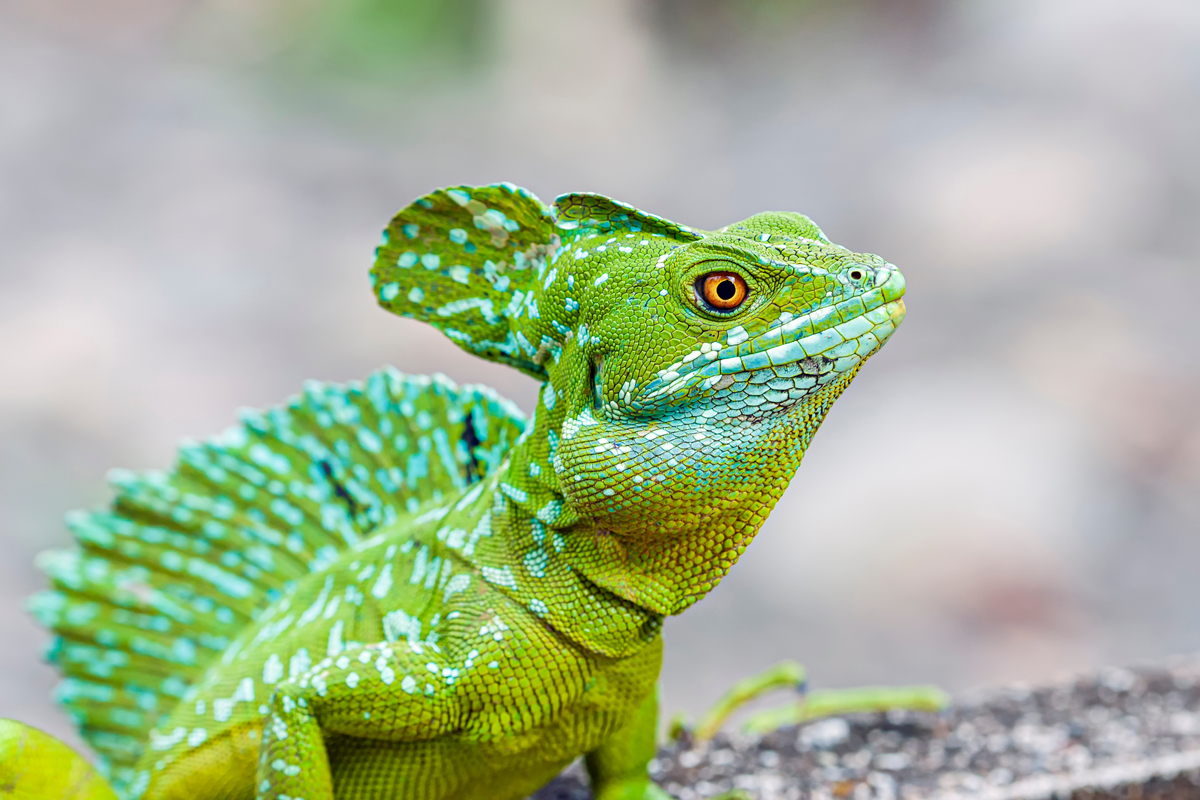
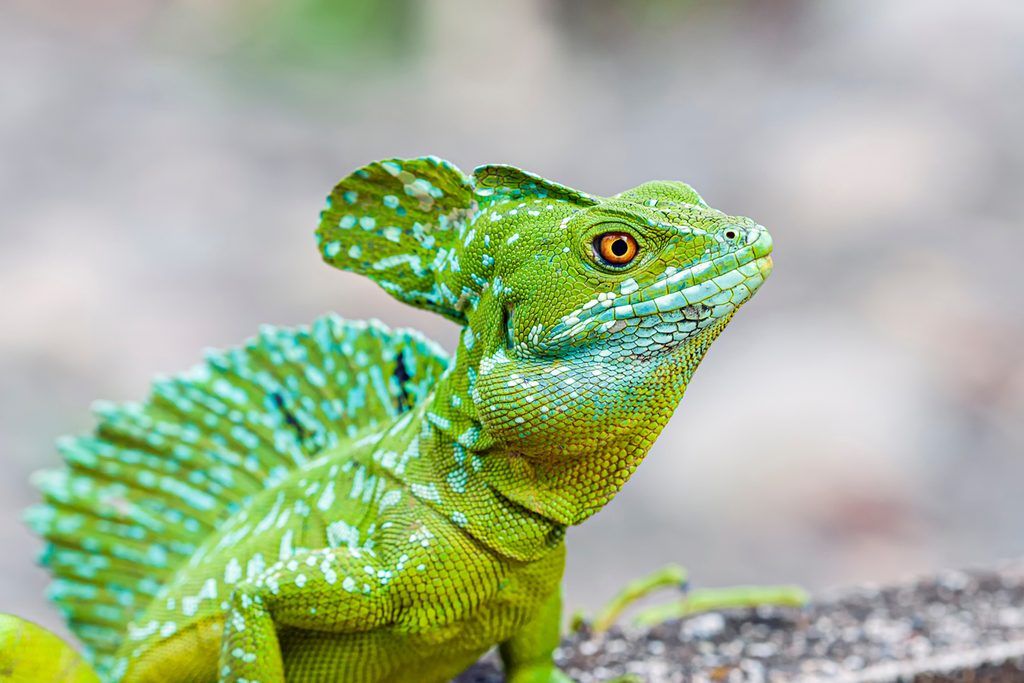
A lizard sprinting across a pond’s surface sounds like something out of an animated film. Yet basilisk lizards can do exactly that, using their hind feet to generate enough force to keep their bodies from sinking. As a basilisk takes a step, its foot strikes downward against the water, creating an air cavity around the foot. That foot then pushes backward against the water, generating both upward and forward forces.
Also known as Jesus lizards, these swift-footed reptiles repeat that motion rapidly to keep their bodies above the surface. An adult basilisk lizard can travel roughly 15 feet at around 3 miles per hour. Young basilisks are particularly adept at water-running because their smaller, lighter bodies require less force to stay above the surface, while their proportionally large hind feet help them more efficiently distribute force.
Flying Squirrels
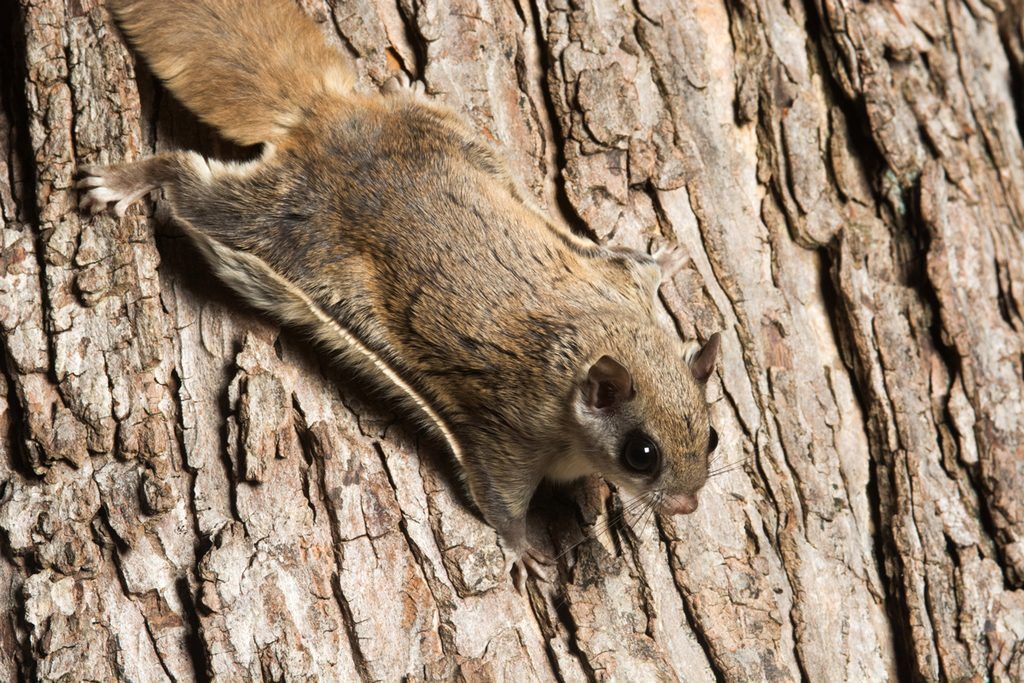
Flying squirrels don’t actually fly; they glide thanks to a loose fold of skin called a patagium that stretches between the squirrel’s front and hind legs. When it launches from a tree, the squirrel extends its limbs, stretching the membrane into a flexible gliding apparatus. Unlike a bird, it doesn’t generate powered flight: Instead, it uses its starting height to gain horizontal distance.
The squirrel can adjust its limbs and bushy tail to control its trajectory, allowing it to steer and brake as it travels between trees. Depending on the species and circumstances, flying squirrels can glide as far as 150 feet. The physics of this airborne skill is surprisingly simple: As gravity pulls the squirrel downward, the spread-out patagium creates aerodynamic lift, slowing its descent and allowing it to travel forward rather than dropping to the ground.
Mountain Goats
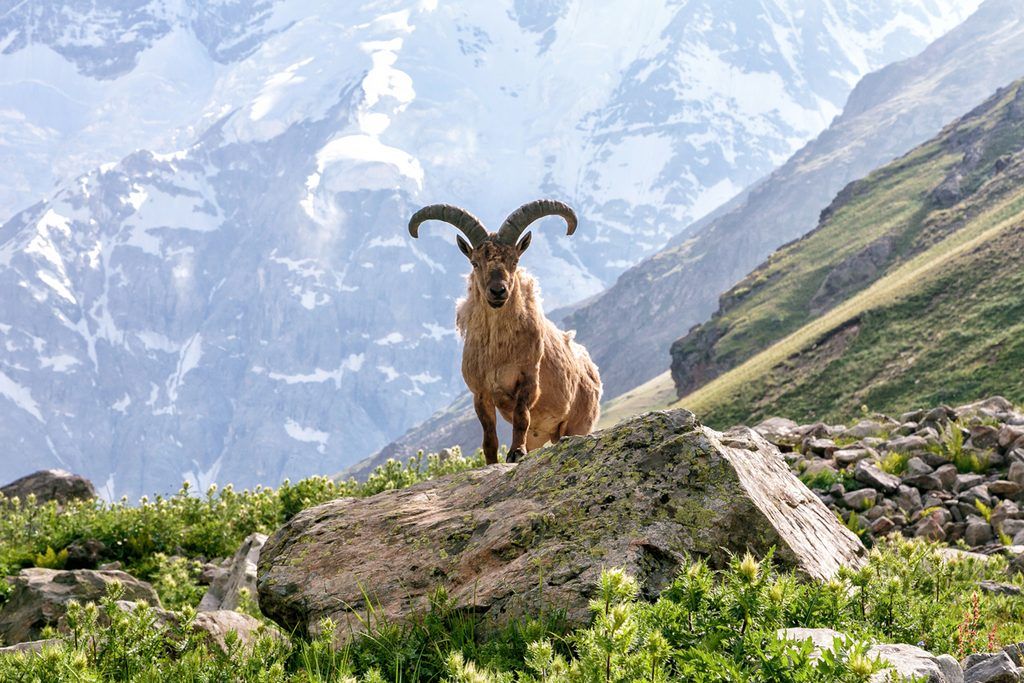
Mountain goats routinely stand on near-vertical slopes as steep as 60 degrees or more. Their impressive surefootedness starts with their hooves: The hard, sharp outer edges can catch on small ledges and cracks in the rocks, while the soft, rubbery inner pads provide traction against the surface. The split hooves, also known as cloven hooves, can spread apart, helping the goat find and hold onto small footholds.
Strong legs, flexible joints, and a low center of gravity help mountain goats maintain their balance as they move across uneven ground. They can place their feet with remarkable precision, using whatever small irregularities the rock provides. By making the most of friction, grip, and careful weight distribution, their agility allows them to scale steep mountain terrain without gravity sending them tumbling downhill.
Geckos
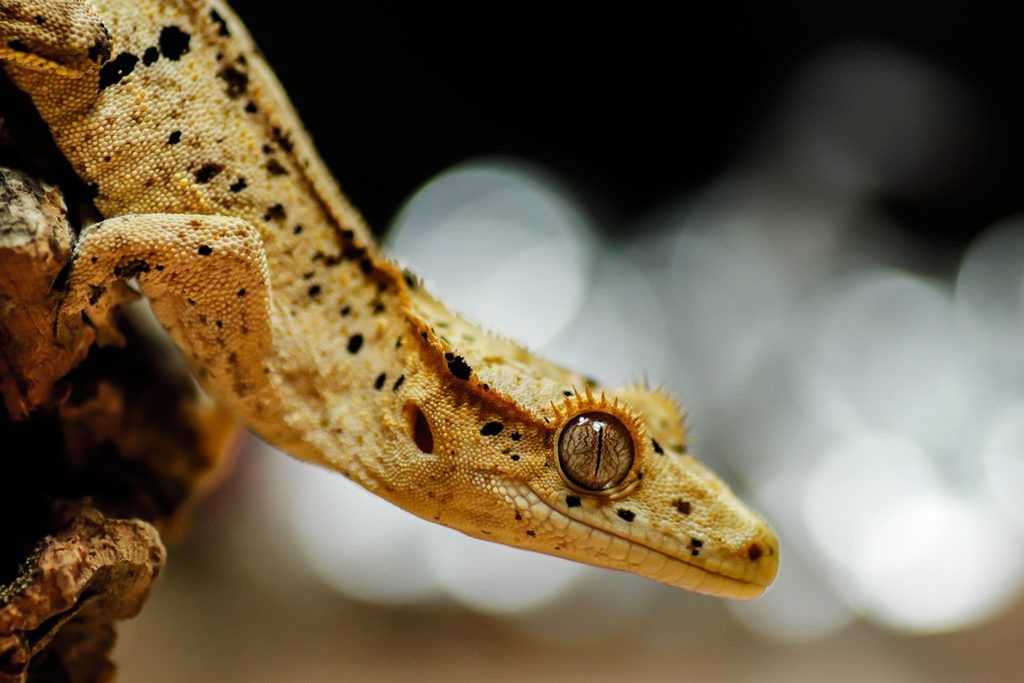
Spider-Man isn’t the only one who can cling to a wall; geckos can also scamper up smooth vertical surfaces and across ceilings, seemingly ignoring gravity altogether. The secret lies in their toes, which are covered with hundreds of thousands of microscopic hairlike structures called setae. Each seta branches into even tinier structures called spatulae, creating an enormous amount of surface contact.
At that microscopic scale, weak molecular attractions called van der Waals forces collectively become strong enough to hold a gecko against a wall. The gecko can also control when its feet stick and release by changing the angle and direction of the force it applies. For anyone who isn’t a fan of lizards, that may make the gecko’s ceiling-walking skills even more unsettling — but it’s undeniably impressive.
Kangaroos
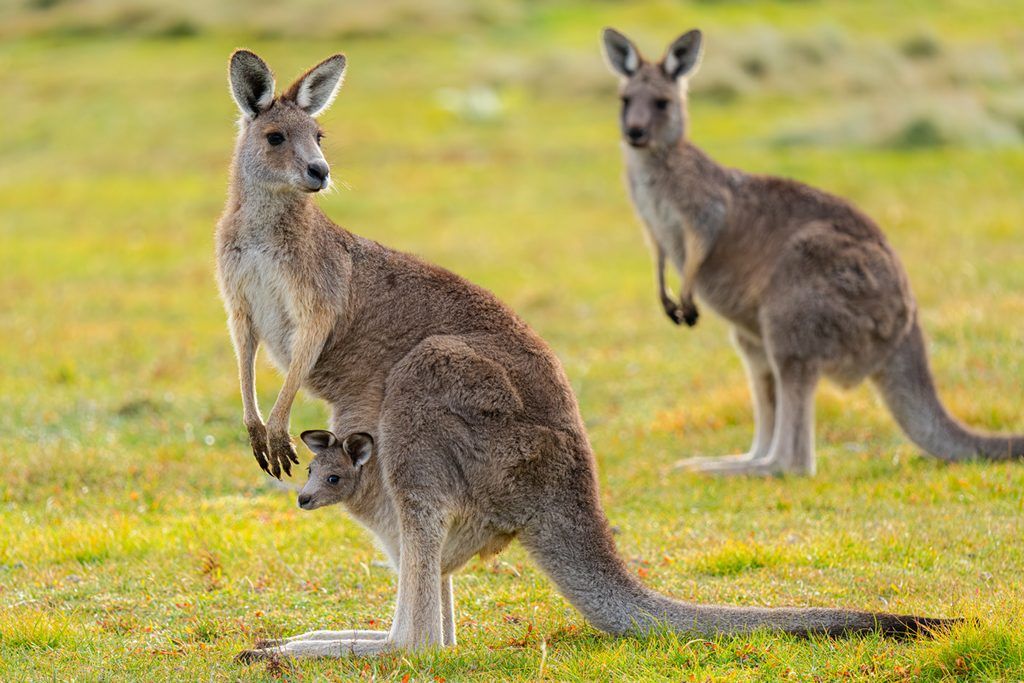
A kangaroo hopping across the Australian landscape can look effortless, especially at higher speeds. That’s because its powerful hind legs work like biological springs, with long ankle tendons that stretch and store elastic energy as the animal lands.
As it pushes off, those tendons recoil, returning that stored energy and helping launch the kangaroo into its next hop. Large kangaroos can cover about 25 to 30 feet in a single bound and reach up to speeds of 37 mph.
That system becomes particularly efficient as the kangaroo speeds up: Rather than taking bigger leaps, it recycles energy from one hop into the next, with elastic recoil from the ankle tendons providing up to half the energy needed for steady-speed hopping. A kangaroo’s muscular tail acts as a counterbalance, helping it maintain stability and control its body as it hops. At cruising speeds, this spring-loaded system allows a kangaroo to cover substantial distances while using surprisingly little additional energy as its speed increases.