The Difference Between Flying and Gliding in Animals
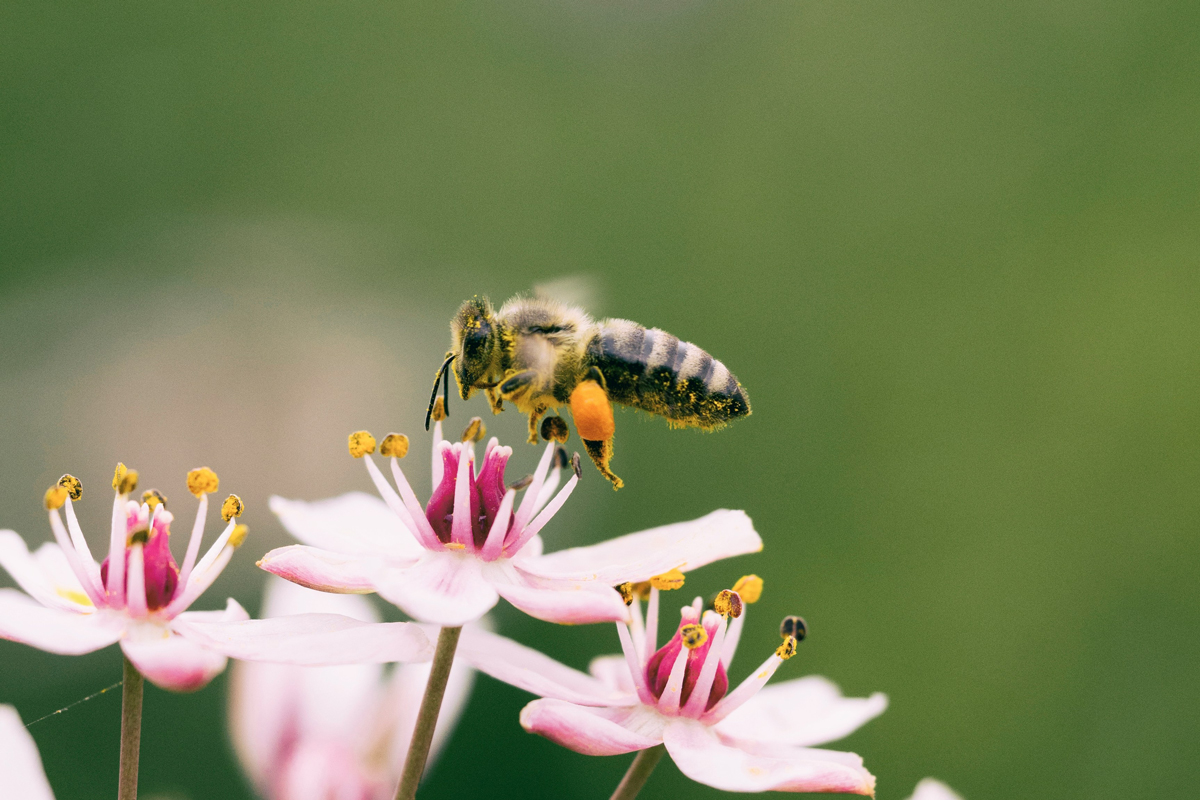

On any given day we can look up and all around to see birds and insects moving through the air. Bees buzz from flower to flower, hawks soar casting shadows from above, and hummingbirds flit around impossibly fast. But not every airborne animal technically flies — sometimes, they glide.
The distinction isn’t always obvious at first glance. For instance, a flying squirrel and a bird can both travel similar distances between trees, and a flying fish and a seabird can both take to the air from the water. But only one of these in each pair of animals is truly flying. So what is the difference between flying and gliding in animals?
Taking True Flight
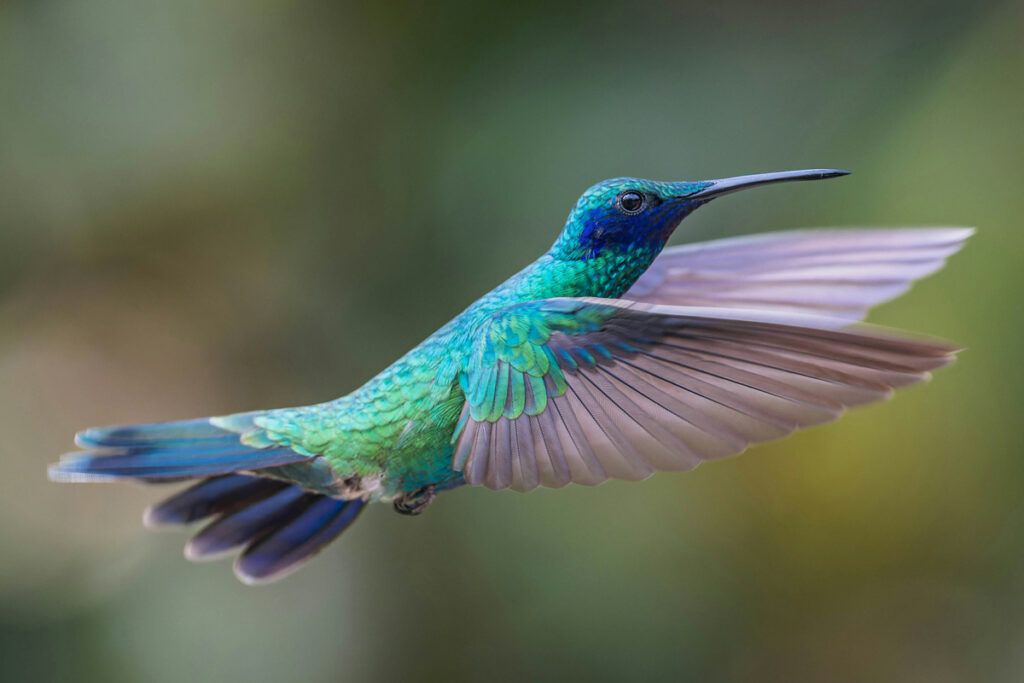
True flight is defined by one key feature: when an animal produces lift and thrust (or upward force and forward force) through continuous effort. Birds that fly are the most familiar example. Their flight is powered by powerful chest muscles — the pectoralis for the downstroke and the supracoracoideus for the upstroke. These muscles alone can make up to about 20 percent of a bird’s body weight. With every wingbeat, the muscles generate the lift and thrust needed to keep the animal airborne; even when a bird appears to be cruising effortlessly, that seemingly peaceful moment took a major amount of energy.
Bats are the only mammals capable of true flight, and they accomplish it much the same way as birds. Strong chest muscles largely power their movements, but they have a different wing structure than birds. Where birds have lightweight, fused bones and stiff, overlapping feathers that form streamlined wings, bats have thin membranes that stretch across elongated finger bones, allowing for finer control in flight.
Insects are also capable of true flight, but instead of a single pair of wings powered by large chest muscles, they use one or two pairs of wings. These are driven by muscles inside the thorax which then drive a complex marionette-like system at a hinge where the wing meets the body. The system works very well: the teensy midge, which has the fastest wingbeat in the insect world, flaps its wings at an astonishing rate of about 63,000 beats per minute. For many insects, flight happens in controlled bursts of movement rather than steady movements through the air.
In all cases, flight demands a lot of energy and requires a skeletal system capable of handling the stress of flying. The payoff, however, is a lovely coordinated control: True fliers can gain altitude, change direction, and remain airborne for a long time without needing outside forces such as wind or gravity.
Gliding and Gravity
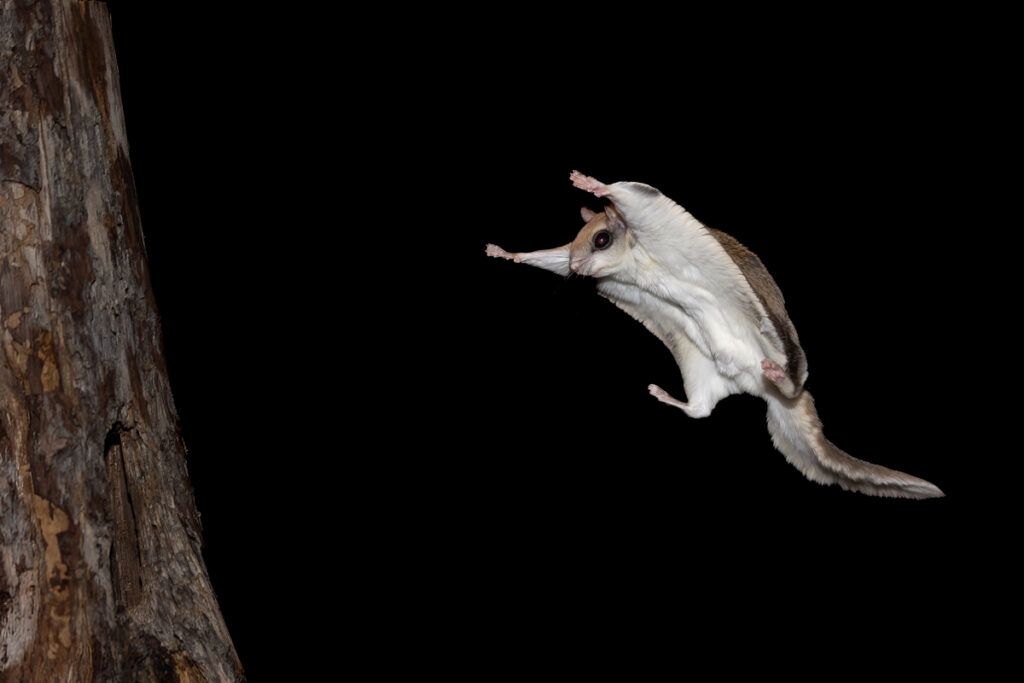
Powered flight is not the only way animals travel through the air. Gliding also allows animals to soar through the air, but it primarily relies on an initial leap from a height. From there on down, the animal is no longer able to gain altitude, so instead, it skillfully manages its descent.
Flying squirrels — one of the few ironically named animals who don’t technically fly at all — are a well-known example. When they leap from a tree, a membrane that’s stretched between their limbs expands. The increased surface area helps them slow their fall and steer toward another tree trunk. Some reptiles, such as Draco lizards (also known as flying dragons) also use membranes to glide between trees in Southeast Asian forests. Even certain frogs and ants have evolved some gliding skills, using enlarged webbing or flattened limbs to create limited airborne travel time.
And what about aerial movements that don’t quite fit neatly into either category? Take flying fish, for example. These long, lean marine creatures generate enough speed underwater to launch themselves up into the air. Once out of water — sometimes reaching as high as four feet — they spread their large pectoral fins and can glide approximately 655 feet across the water. They won’t flap their fins while gliding, but they will use their tail to help propel them forward and extend their airborne journey. It’s different than a glide from up high, but ultimately, is not true flight either.
Fundamentals of Flight
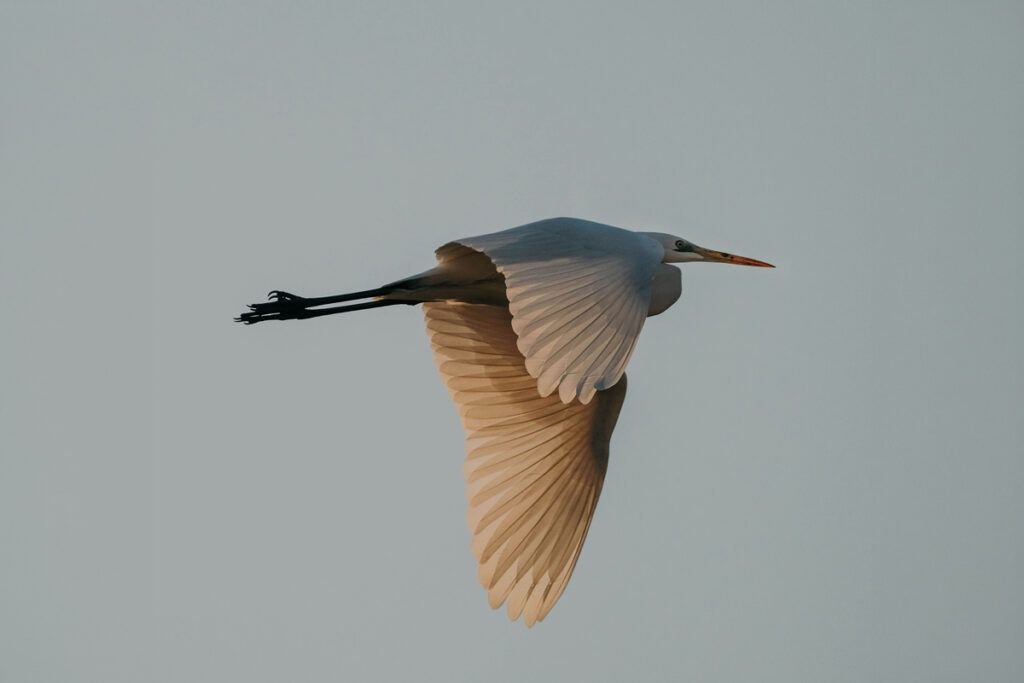
Animal flight evolved slowly over time. One leading idea is that it may have begun in tree-dwelling animals that first glided between branches; other ideas suggest flight started from the ground up, evolving from leaping and running. Evolution rarely does, of course, happen in clean lines; many species, whether they can truly fly or just glide, still use hybrid strategies shaped by their needs or environment (birds, of course, both fly and glide). The split between flying and gliding reflects different evolutionary solutions to the same problem: how to move efficiently through the spaces around us.