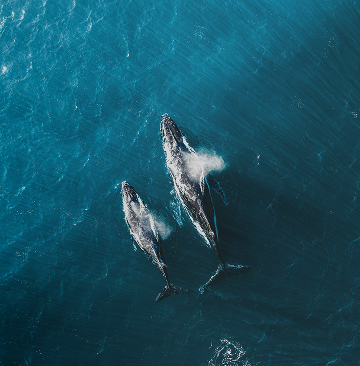
6 Animals That Laugh

It’s said that laughter is the best medicine, but it’s also one of the most multifaceted reactions. Humans use laughter to bond with other humans, and to express joy. Laughter has even been shown to soothe the nerves and have a psychological effect on stressful or awkward situations. But while laughing is commonly considered a purely human response, several members of the animal kingdom can be heard cackling through the day and night for a number of reasons.
Apes
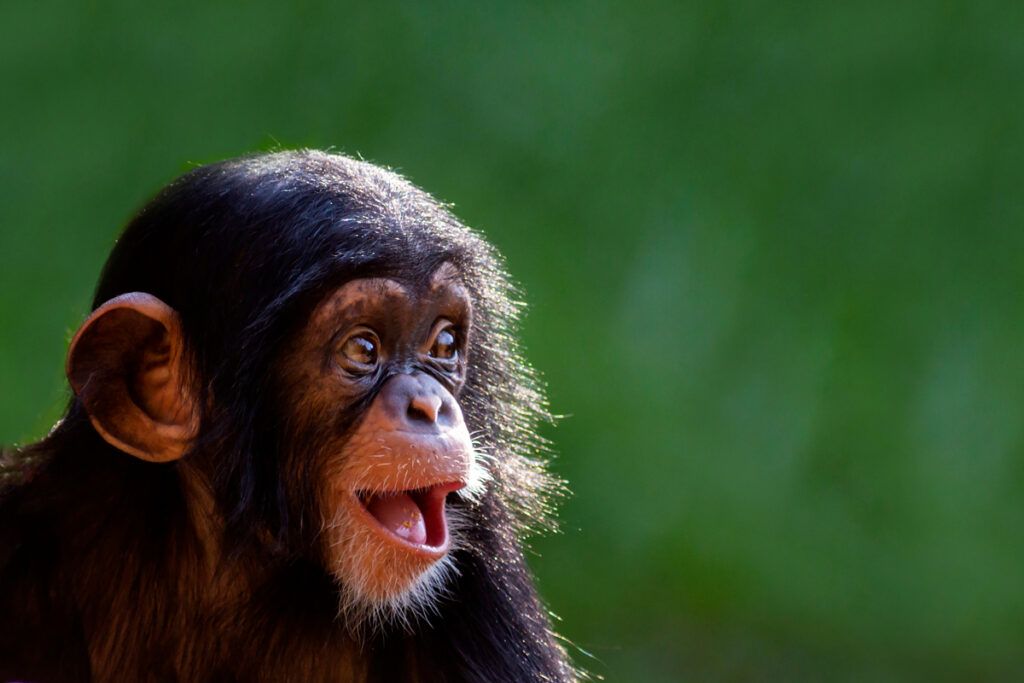
It comes as no surprise that our closest wild animal relatives engage in laughter, just like we do. Primate laughter sounds quite different from human laughter, however, resembling more of a breathy pant as apes can laugh on both the inhale and exhale. Adult humans can only laugh on exhales, but interestingly enough, human babies can laugh during both, just like apes.
Apes generally use laughter to show they mean no harm during playtime, which can get quite rough, and signal their harmless intent by dropping their lower jaw to reveal an open mouth. Teeth baring can be a sign of aggression for apes, which is why the relaxed jaw posture is so important.
Dogs
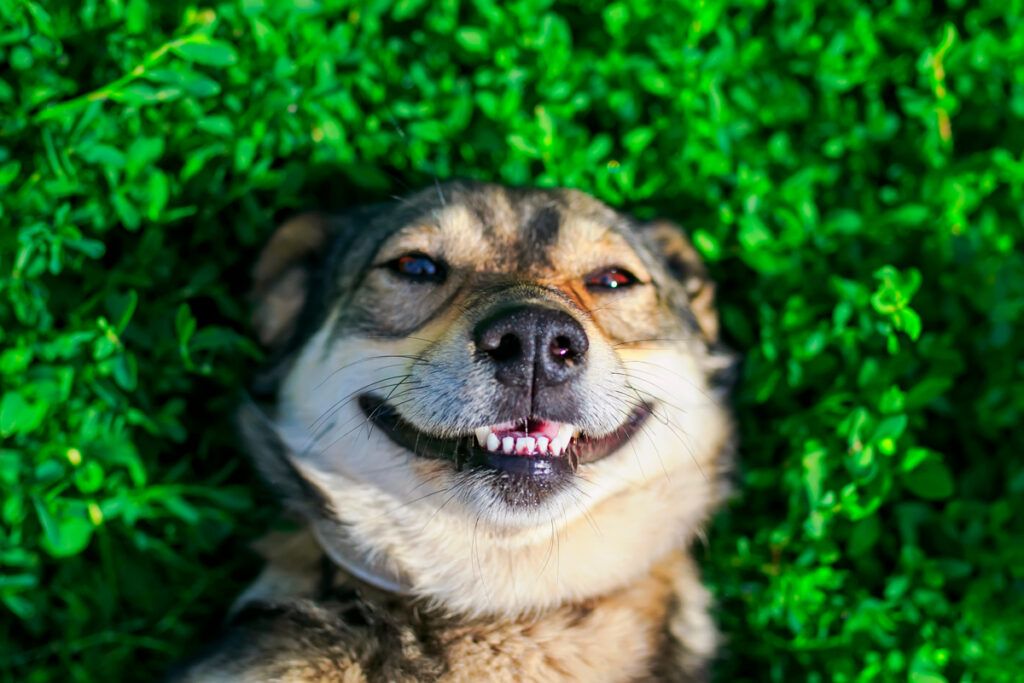
Heads thrown back, upturned mouths, squinted eyes, and a harmless flash of teeth. This is what it looks like when dogs laugh, but is it truly a sign of joy or just an anthropomorphic trait we’ve assigned them? It could certainly be a little of both, but one study showed that dogs do vocalize in a specific way that evokes play and relaxation in other canines around them.
The trick here is to look beyond the wide smile and listen to the sound. To our ears, the noise associated with laughter in dogs just sounds like regular old panting, but for dogs, this breathy expression is filled with a range of frequencies that suggest playtime is on the table.
To test this, researchers gathered 30 puppies into two equal groups for what might be the best day of work ever. Fifteen of the puppies were played a recording of dog “laughter,” and 15 were not. The group that heard the pants immediately started playing, while the other group did not.
What’s even more interesting is that the playful group didn’t respond to other canine sounds that were recorded to capture the panting play sounds, like barking and whining, suggesting that this pant/laugh alone was enough to get the games going.
Rodents
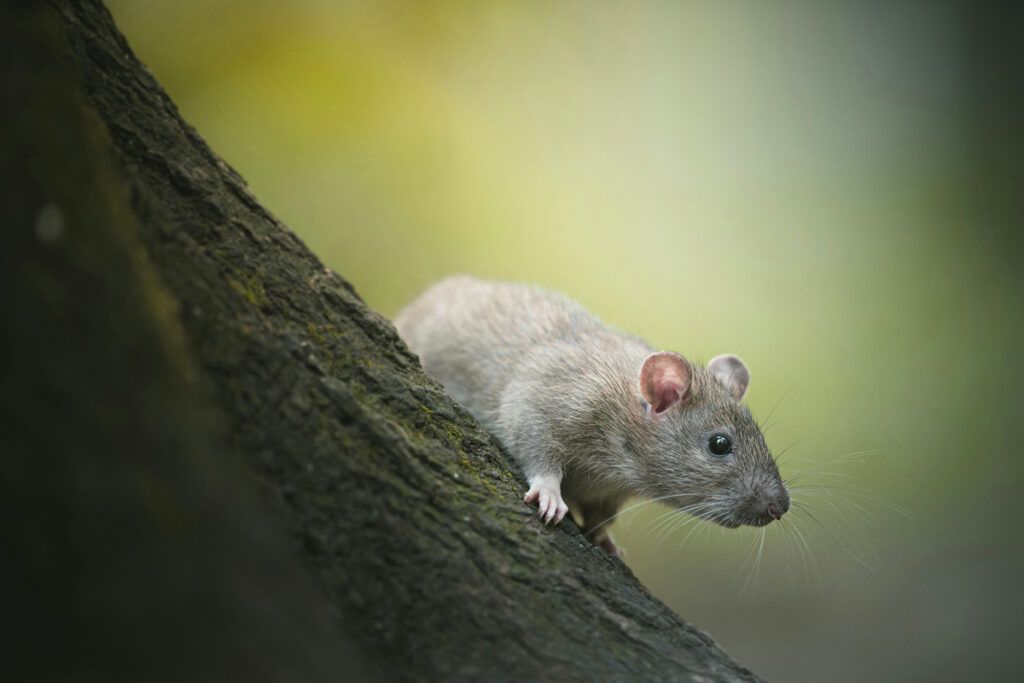
It’s too high-pitched for a human to pick up, but rats do laugh, and for many of the same reasons we do. In one study, rats were fitted with electrodes that measured their response each time the rodents were tickled. The rats and researchers played games of hide and seek, and when the rats found the humans, they were rewarded with a flick of the fingers on their backs and bellies.
How do the scientists know that the rats were laughing? Not only did the electrodes catch the high-pitched squeals of joy during these tiny tickle fights, but they also measured the PAG, or periacqueductal grey. This is a midbrain structure that regulates pain by releasing endorphins and enkephalins that are also released when you chuckle. It also organizes fight or flight responses, aids in vocalization, and works to organize involuntary laughter.
Researchers noticed that neurons in the PAG were lit up when the rats were screeching with joy, but when they injected the area with chemicals to essentially turn it off, the rats stopped laughing when they were touched.
Birds
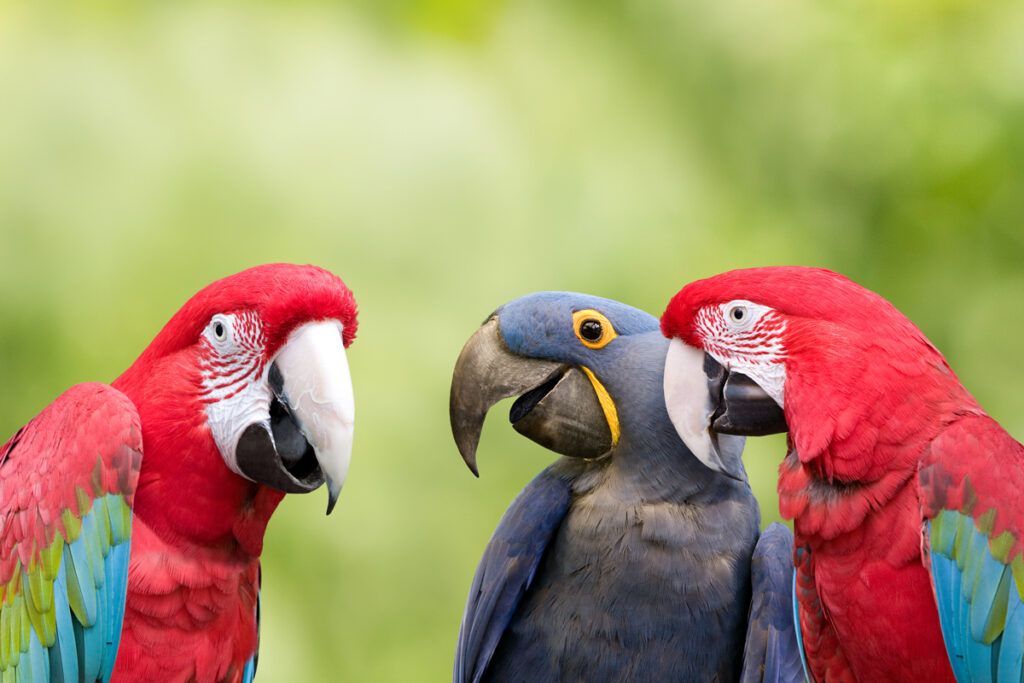
Not all birds laugh, but a few avian species are known for their humorous calls. Parrots, both wild and domesticated, have been known to laugh as a way of inciting play and expressing joy. Kea parrots in New Zealand are famous for their cackles and sustained calls. They make this sound when they’re alone and when they’re with others, and research has shown that when they laugh in the company of other Keas, playtime ensues.
Pet parrots such as African greys and cockatoos also laugh, but only because they are experts at mimicry. If you’re laughing around the house and they hear you, they’ll join in on the fun, but not necessarily because they find you funny.
Perhaps best known for their distinct laugh are Kookaburras but they, too, aren’t doing it because they’re amused. These sounds are used to defend territories, or call out to and locate other kookaburras included in their riot, or group.
Spotted Hyenas
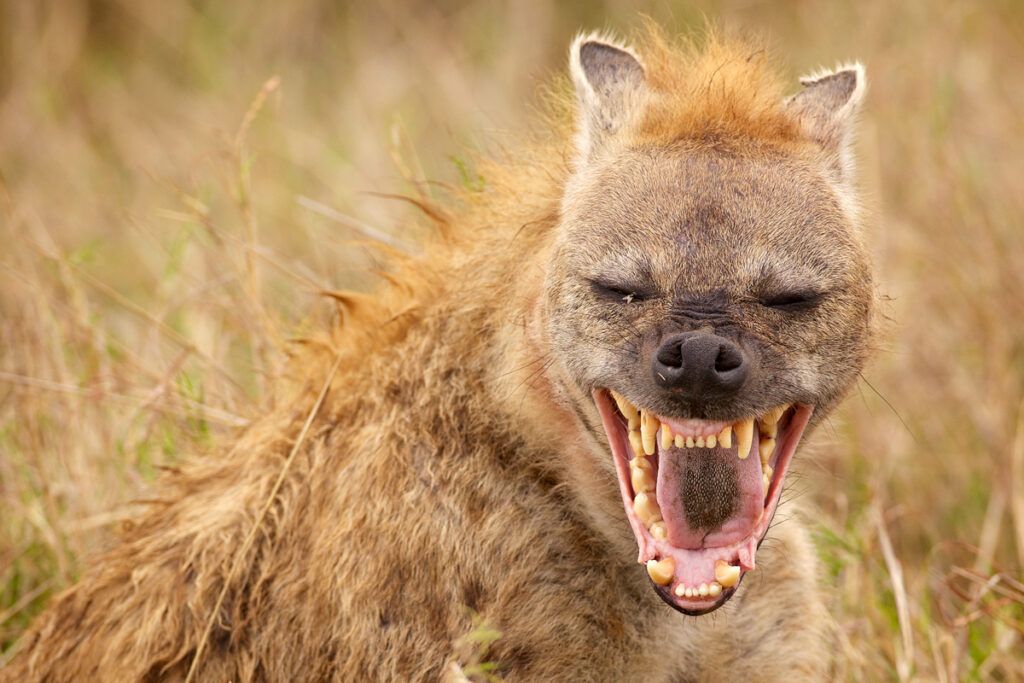
One of the most famous laughing animals in the wild, hyenas are known for their cackling noises, but what you hear isn’t as funny as it sounds. That high-pitched, repetitive chuckle that spotted hyenas are associated with isn’t actually a sign that these scavengers are having a good time. In fact, it most often means the opposite.
Highly social animals that they are, and living within a very specific pecking order, hyenas use this sound to communicate with other members of their clan. They can use “laughter” to introduce themselves, and their status, to other members, with younger hyenas calling out in higher pitches, and older, more established ones speaking in lower tones. The wild, unsettling giggle that you hear is usually a sign of stress, either warning other hyenas to back off, or to alert other clan members that food, or danger, is nearby.
Dolphins
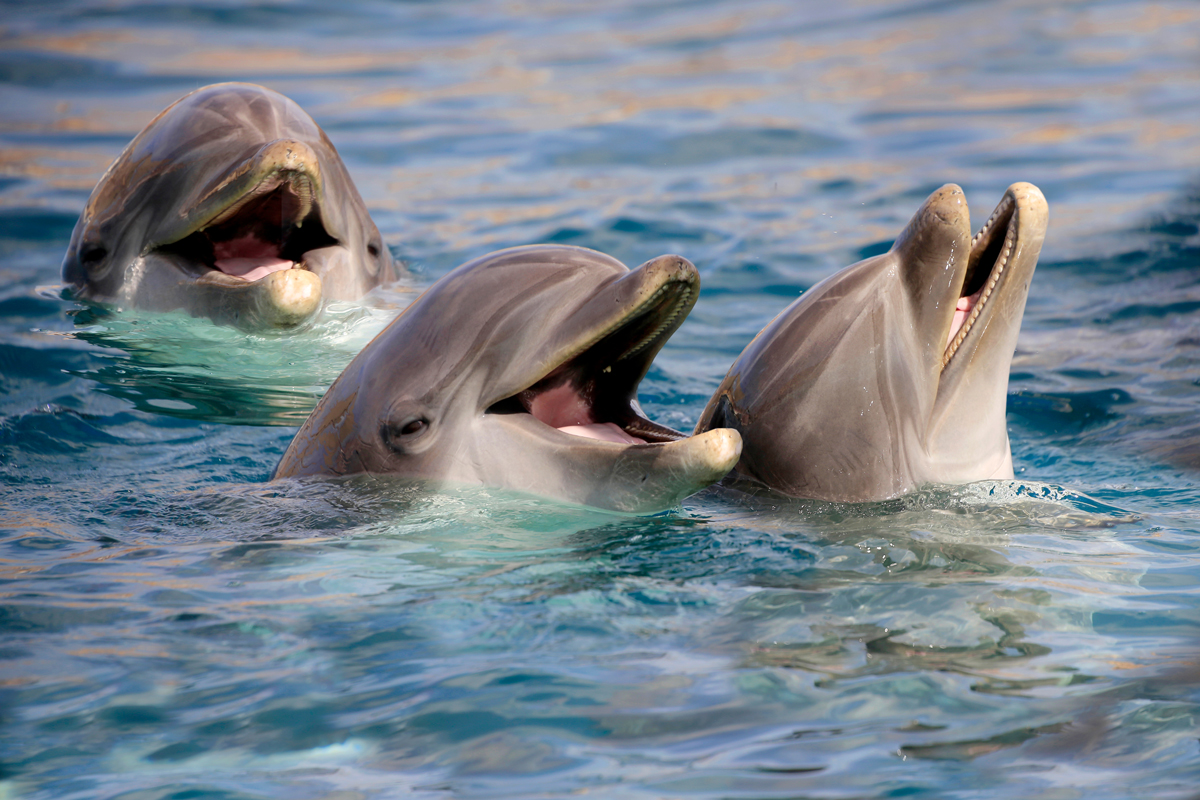
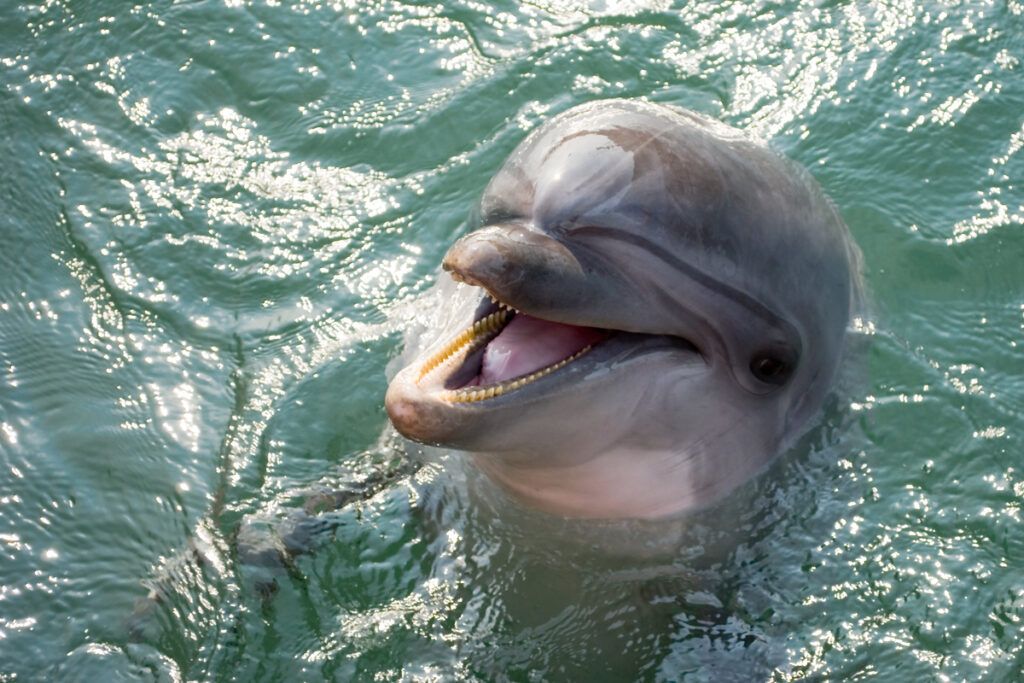
Dolphins laugh for reasons that are very close to human displays of joy. Expressed as a high-pitched staccato, sometimes followed by a whistle, dolphins mostly use the sound of their laughter to assure other dolphins that they mean no harm. This is done as a way to keep the peace during play fighting, which could easily get rough and mistaken for actual fighting.
This sound has not been recorded during aggressive activities, like biting, leading scientists to safely assume that this form of laughter is, indeed, used to express happiness. Like many of the animals on this list, dolphins are social animals who live in pods where communication is key, and these sea dwellers use a series of clicks, whistles, and chatters to express themselves to those around them.