6 Creatures That Sound Shockingly Human

When you think of animal sounds, you likely think of birds chirping, dogs barking, or cats meowing. But listen carefully to your surroundings, and you may discover a more unusual wildlife soundtrack. Some animals, it turns out, can sound eerily human — and no, we don’t mean the clever roster of birds who can perfectly mimic our speech.
Although fascinating, those unexpected noises aren’t for our entertainment. Animal calls can serve all kinds of purposes, from attracting mates to warning off rivals or desperately calling for a parent. Here are six animals that make some of the weirdest, most humanlike sounds in the animal kingdom.
Goats
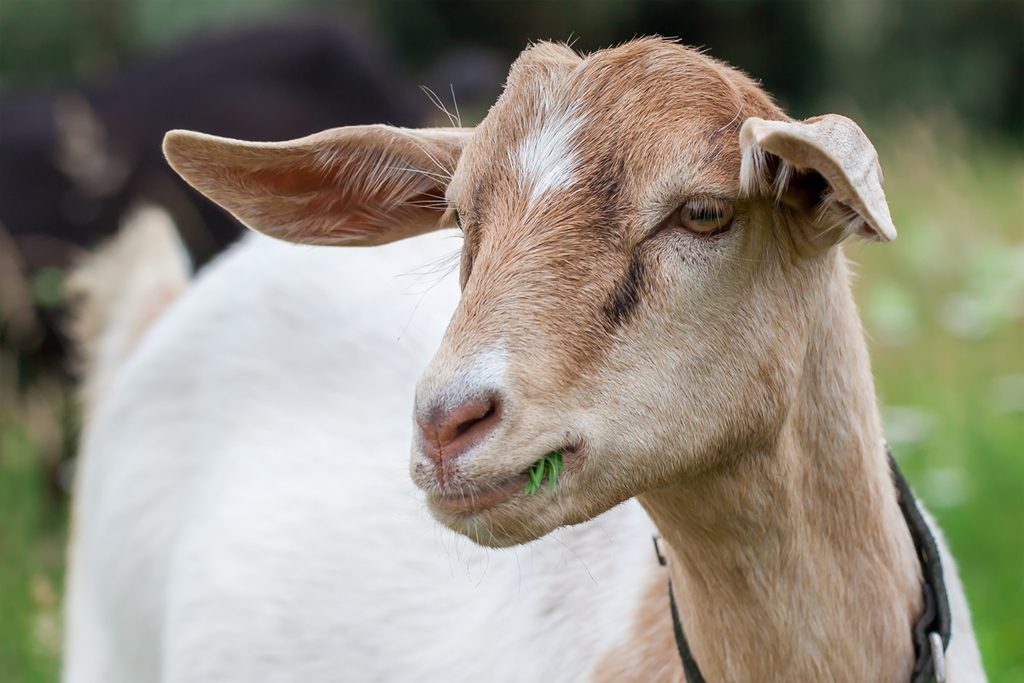
You’ve surely seen an internet video or two of a goat that sounds like a yelling man. They’re not fake: Goats really are able to make a noise that sounds remarkably like a human person yelling, but they’re actually just producing an unusually dramatic bleat.
Goats have a wide range of vocalizations, and even individual specimens can have their own unique voices that vary in pitch, volume, and depth. They may bleat when they’re hungry, stressed, separated from their herd, or trying to find another goat — all perfectly good reasons to let out a little scream.
Red Foxes
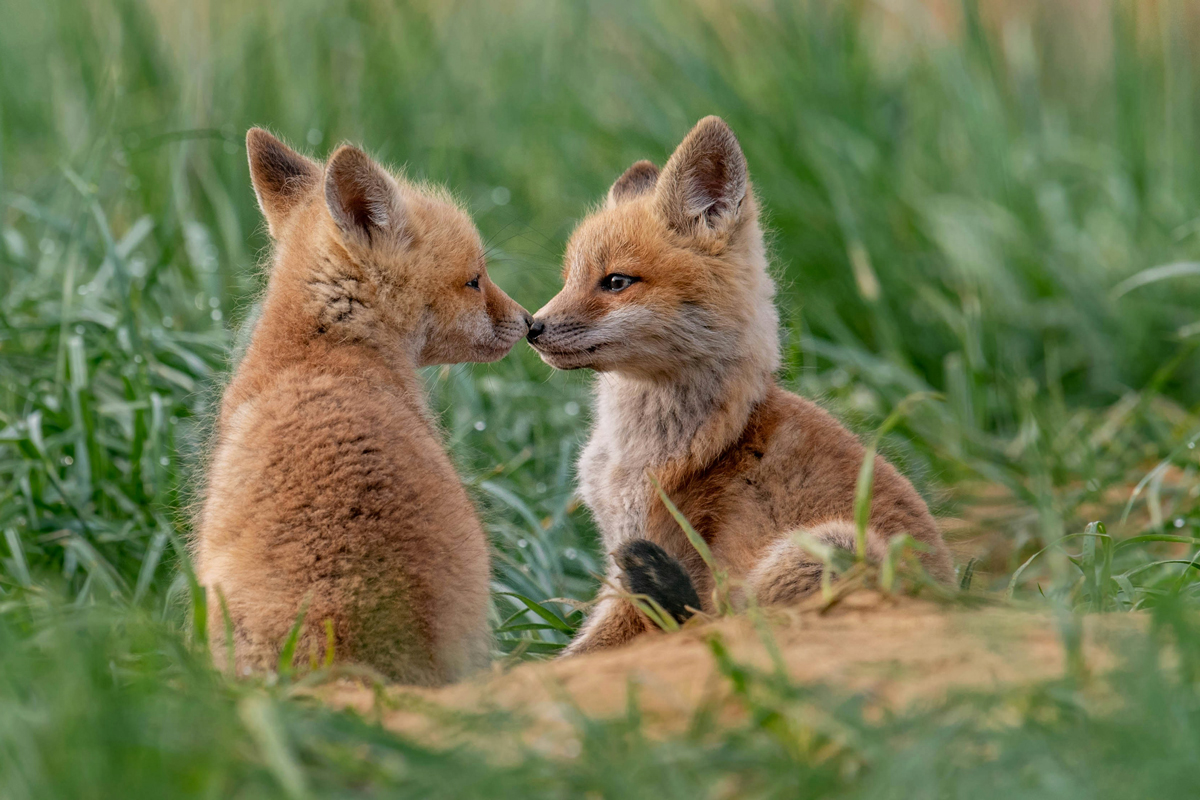
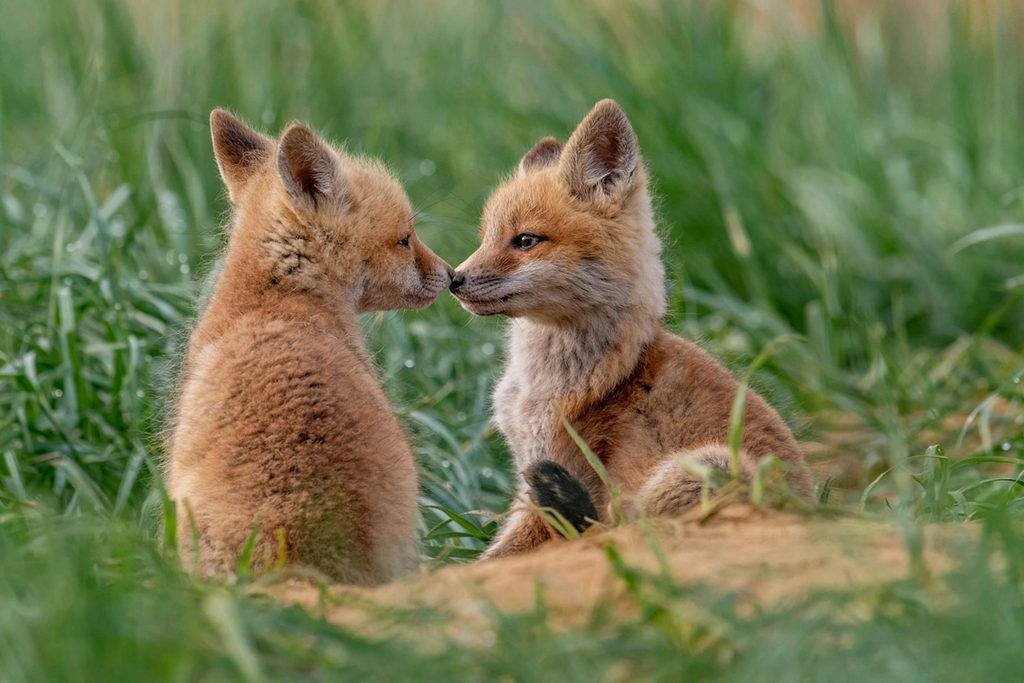
Red foxes are undeniably adorable, but they’re capable of some rather jarring sounds. From gekkering to barking and even what sounds like giggling, these mammals have a surprisingly wide vocal repertoire, with researchers identifying as many as 20 different calls.
The loudest and most chilling is the famous red fox scream, a contact call most often made by female foxes (known as vixens) during breeding season. The unsettling shriek can sound far too similar to a human woman screaming — a particularly unnerving sound to hear in the forest after dark.
Fawns
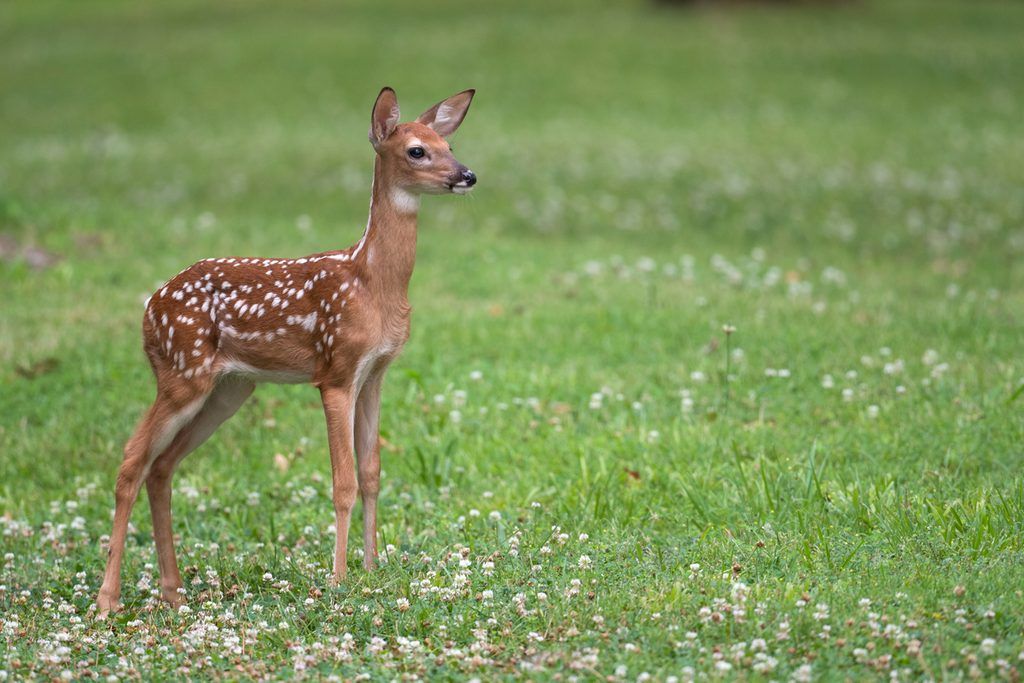
A fawn’s distress call can sound remarkably similar to the cry of a human baby. That’s not entirely coincidental: Researchers have found that the distress calls of young mammals share certain acoustic features, even across very different species.
In one experiment, researchers played recordings to deer mothers of distressed young animals including marmots, seals, cats, bats, and humans. The mothers approached the calls when their pitch fell within the sound range that normally triggers a response to their own fawns. Mother deer have even been observed urgently approaching crying human babies at residential homes, only to have to be shooed away.
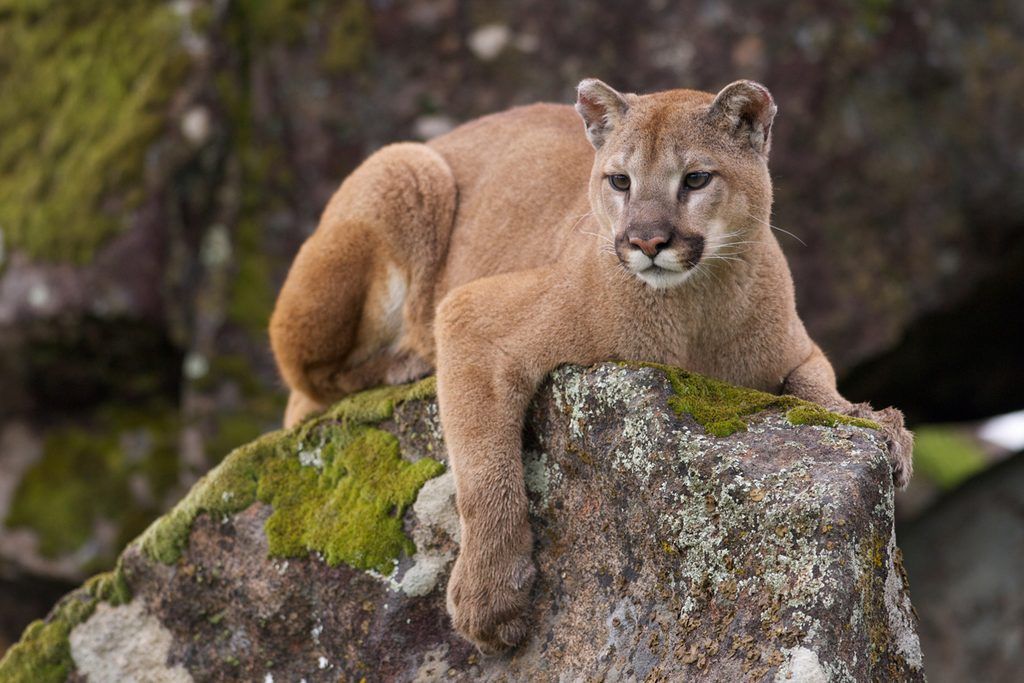
Mountain Lions
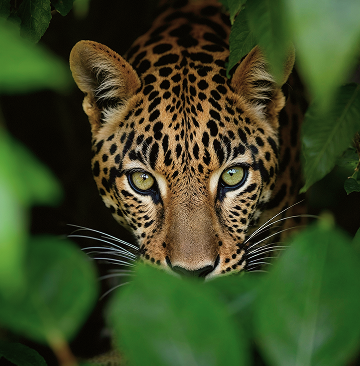
Although mountain lions can be solitary, quiet, and notoriously hard to spot, they have one vocalization that’s difficult to ignore: a blood-curdling scream. This is the sound females make to attract male mates during breeding season. If you’ve ever heard one echoing through a secluded campsite at night, you could be forgiven for thinking someone was in serious trouble, as the scream has been compared to everything from a woman crying out to a person in pain.
This surprising scream is just one part of the mountain lion’s varied vocal repertoire. They can also growl, hiss, yowl, and chirp. Unlike lions and tigers, mountain lions can’t roar, but they are one of the largest cats known to purr — making them a rather unusual combination of screaming wild cat and contented house cat.
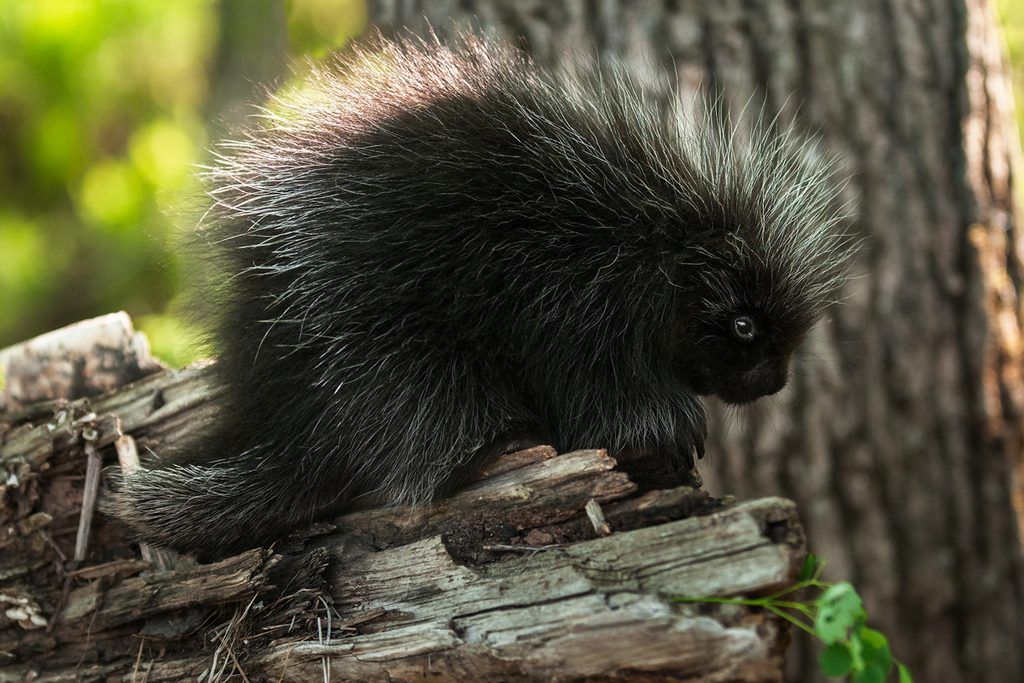
Baby Porcupines
Porcupettes — the adorable name for baby porcupines — may be covered in spiky quills, but their voices are considerably more vulnerable sounding. Young porcupines make high-pitched cries and squeals not unlike that of a human baby, particularly when separated from their mothers. Adult North American porcupines do develop a surprisingly varied amount of sounds, including whines, moans, grunts, and shrill screams.
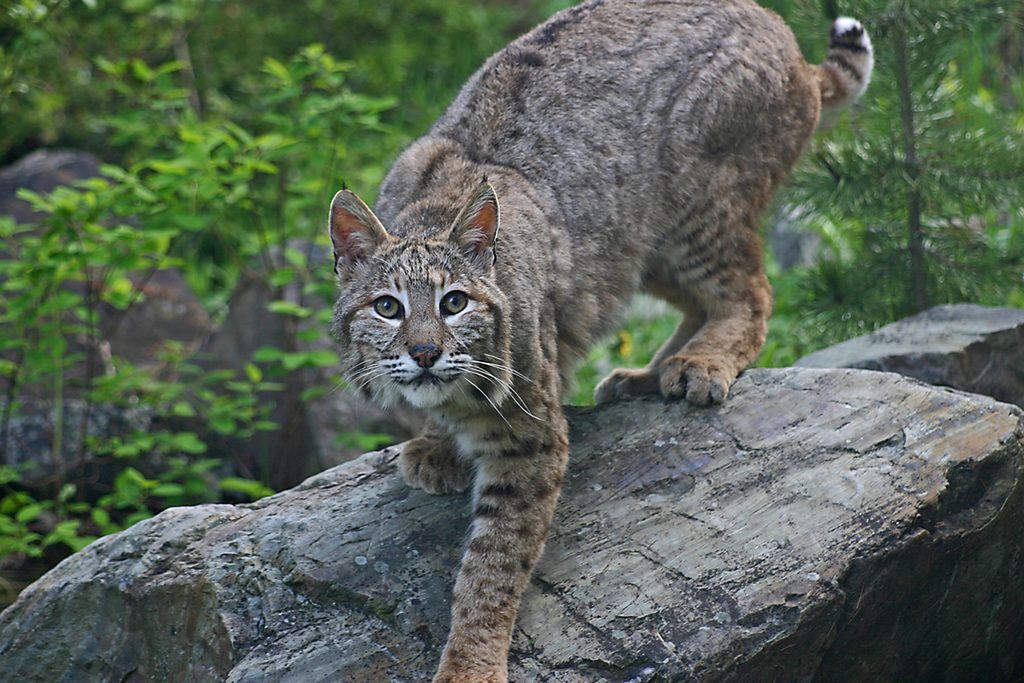
Bobcats
The elusive bobcat is not always quiet. During mating season, these animals can produce loud yowls and screams that sound surprisingly similar to the cries of a much larger animal — or, to an unsuspecting person hearing one at night, unsettlingly similar to some human yelling and screaming sounds.
The dramatic calls, also described as sounding like screaming alley cats, are one way these solitary cats attempt to track down potential mates. These sounds tend to be distinct to the breeding season, so if you hear one yowling in the woods, there’s a good chance it sounds much more alarming than it is — just don’t get in its way while it’s looking for love.