Why Do Some Birds Mimic the Sounds They Hear?

Have you ever heard a bird that sounded uncannily like a car alarm, a police siren, or even another animal? Mimicry, or the ability to copy sounds, is surprisingly rare in the animal kingdom, and the birds that can do it take the talent in some fascinating directions. Some copy the sounds of their own species, while others borrow sounds from different birds, animals, or even the world around them.
But how do they pull this off — and why do they bother copying sounds in the first place?
How Do Birds Start Copying Sounds?
Before a bird can copy a sound, it needs a way to learn that sound in the first place. Scientists call this ability vocal learning: the capacity to hear a sound, remember its characteristics, and use that information to modify or develop its own vocalizations. In species that don’t possess this ability, vocalizations are largely inherited and develop without the need to learn them from other individuals.
Young birds of vocal-learning species often spend considerable time hearing their parents or other adults sing or call before they can produce polished versions themselves. They practice, produce imperfect sounds, listen again, and gradually adjust their vocalizations. This process bears some similarities to the ways human babies learn spoken language, although a species’ processes are shaped by its particular biology and social environment.
Only a relatively small number of bird groups are capable of vocal learning, including songbirds, parrots, and hummingbirds. What a bird hears while growing up can influence what it eventually sounds like, and birds in different regions can even develop recognizable song dialects.
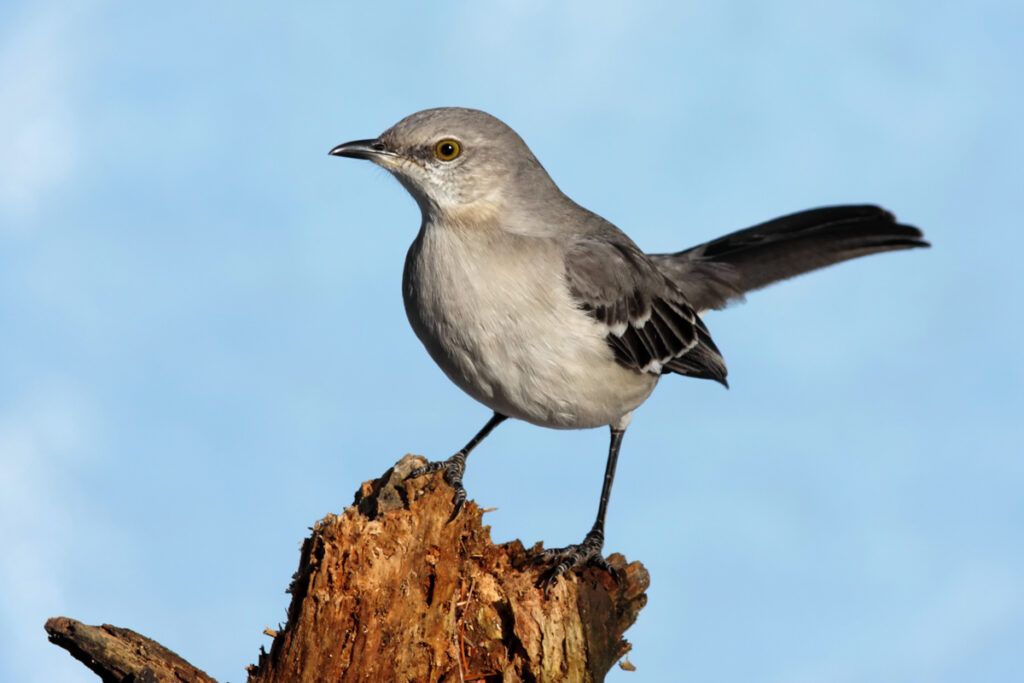
Vocal mimicry is a more specific use of vocal learning. This occurs when a bird reproduces sounds that aren’t part of its usual species-specific repertoire, including sounds made by other species or by the environment. A mockingbird can learn up to 200 songs in its lifetime and may incorporate the calls of other birds into its own songs, while a superb lyrebird can imitate other birds as well as other non-bird sounds it hears.
In other words, vocal learning is the ability, while vocal mimicry is one possible result of that ability. Not every vocal learner is a mimic, and a bird doesn’t need to imitate another species to be considered a vocal learner.
Their Songs Help Them Find Mates and Socialize
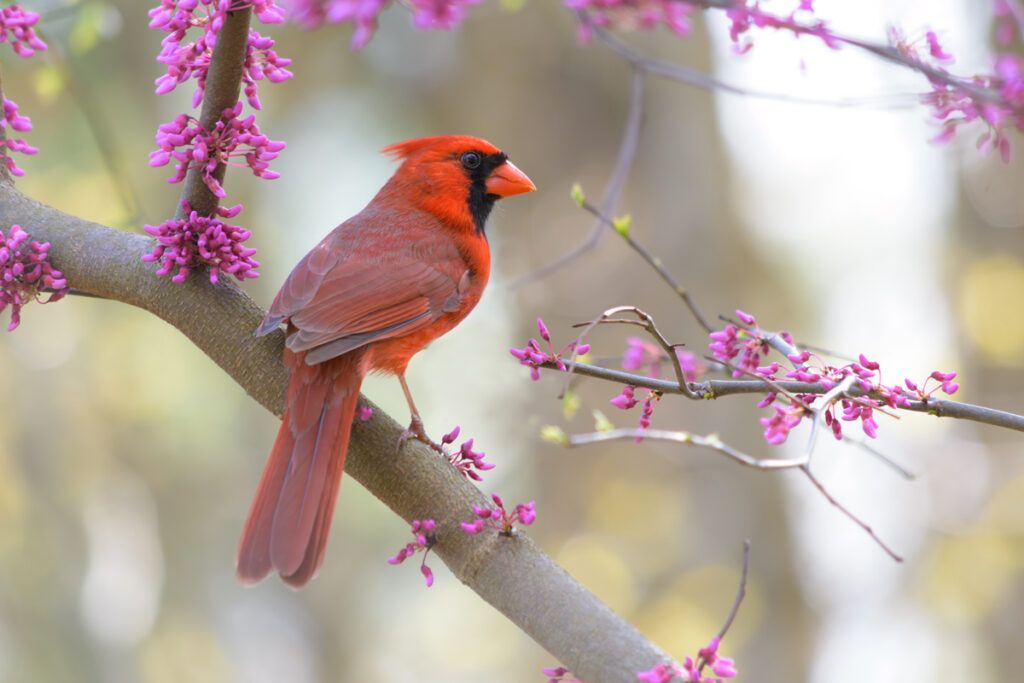
For many birds, learned vocalizations are ultimately a method of communication. Male songbirds may use learned songs to attract mates or warn competing males away from their territory. Learning the local version of a song can also help a young bird communicate with its neighbors and integrate into its social group.
Copying sounds from other species can serve different purposes, and scientists don’t yet know all of them. Some birds incorporate other species’ calls into their repertoires as part of courtship or territorial displays.
Mockingbirds, for example, may incorporate environmental sounds such as car alarms into their songs as they expand their vocal repertoires. Researchers have found these birds are especially likely to copy sounds that resemble the pitch and rhythm of their own vocalizations, which may help explain why certain human-made sounds become part of their song.
A bird may simply have a powerful capacity for vocal learning and incorporate the sounds it regularly encounters into its “songbook,” although scientists still don’t understand all the reasons particular sounds are copied. For species capable of flexible vocal learning, the sounds around them can simply become raw material for their own vocal inventory.
Parrots Take Vocal Learning to Another Level
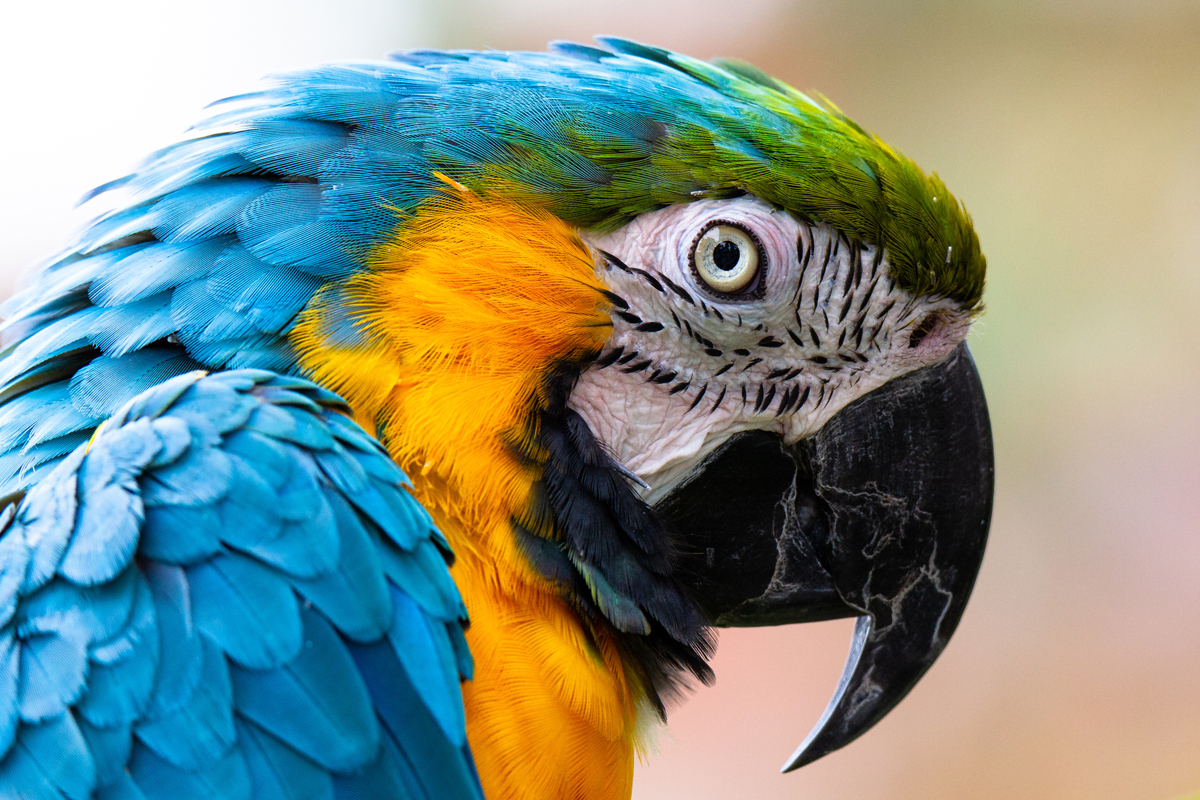
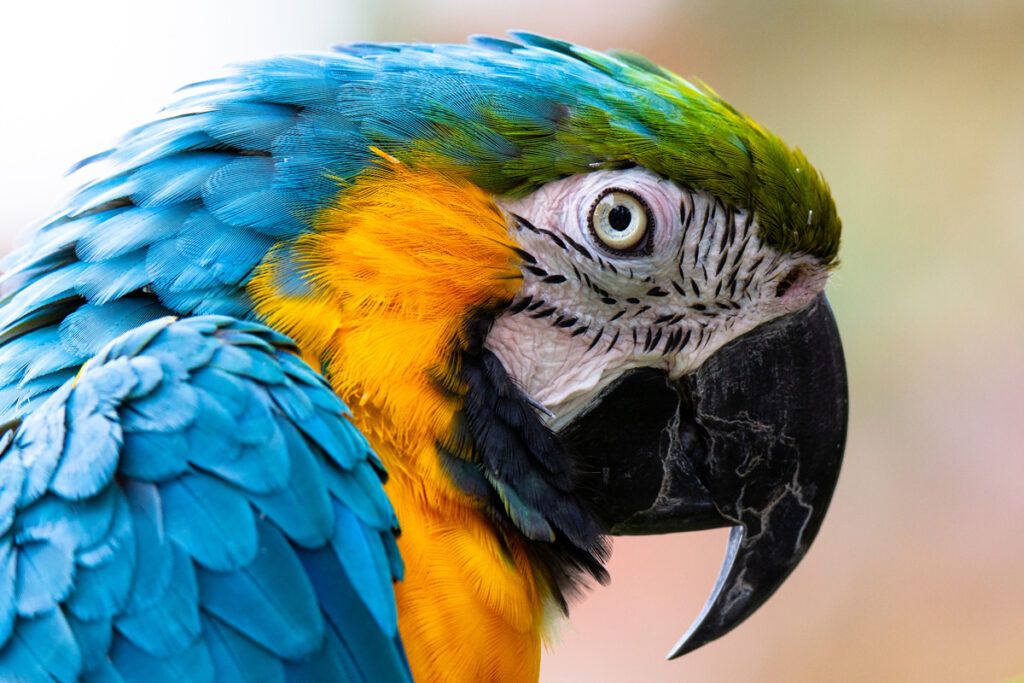
Parrots are among the most accomplished vocal learners, as evidenced by their renown for copying human speech. They can learn new sounds throughout their lives and use their specialized vocal-learning systems to replicate everything from other birds’ calls to household noises and human words.
Their ability to learn sounds is closely tied to their social lives. In the wild, parrots use vocalizations to maintain contact with members of their groups, and some species develop distinctive contact calls that help individuals recognize one another.
Captive parrots may instead learn sounds from the humans and animals that surround them. Some have also demonstrated an ability to associate human words or sounds with specific objects, actions, or requests, although that’s not the same as understanding language in the same way humans do.
When a bird copies sounds, the imitation itself is only the observable part of a much more complicated process. Somewhere between hearing a sound, remembering it, practicing it, and implementing it is a remarkably flexible form of animal learning — one that allows some birds to incorporate the sounds of their world into their own voice.