6 Animals That See Colors Humans Can’t

The human eye is a remarkable sensory organ, capable of distinguishing as many as 10 million colors. But we don’t see all the colors out there. Those that lie beyond our visible spectrum are forever hidden to the human eye.
Some animals, however, can see these colors just as well as we see the red on an apple, thanks to their adapted ocular systems. From bees who see secret runways to spiders with built-in sunglasses, here are six animals who see colors we can’t.
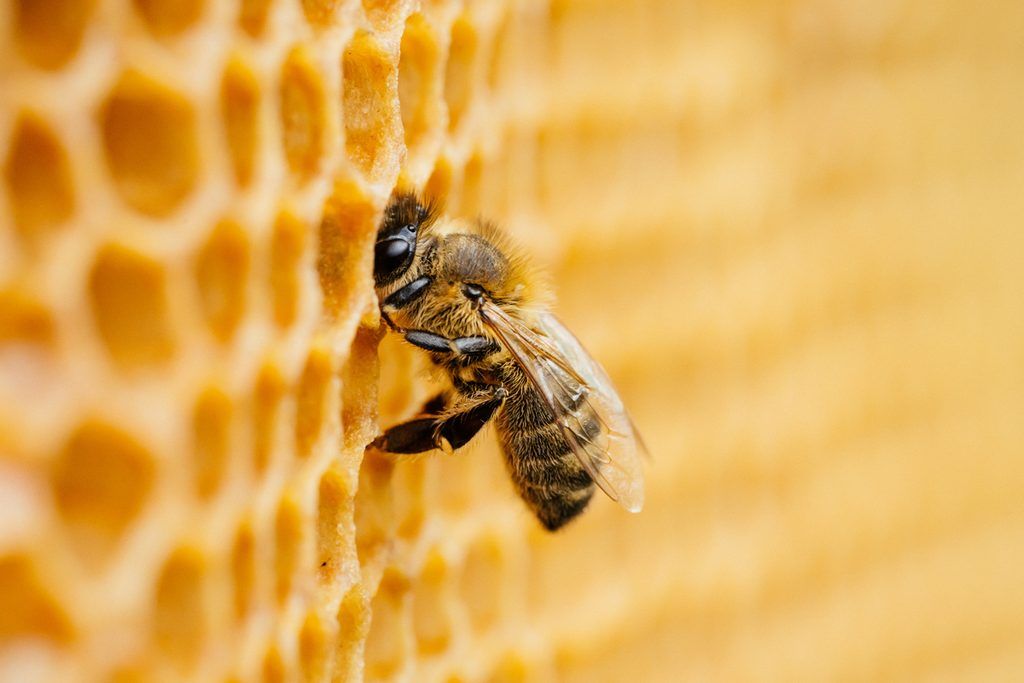
Bees
Humans see light in wavelengths from around 390 to 750 nanometers, and that range determines the spectrum of colors we can perceive. Bees, on the other hand, see from approximately 300 to 650 nanometers, as do many insects. That makes them almost blind to the color red, while capable of seeing the ultraviolet spectrum — which we humans cannot.
Because of this, bees see a hidden world of botanical landing strips. Many flowers sport ultraviolet patterns that are invisible to human eyes but clear to bees, essentially serving as light-up arrows guiding them straight toward the nectar. What looks like a plain yellow petal to us might appear as a bold, contrasting pattern of concentric circles to a bee — a secret display system that flowers evolved specifically because bees, not humans, are the ones doing the pollinating.
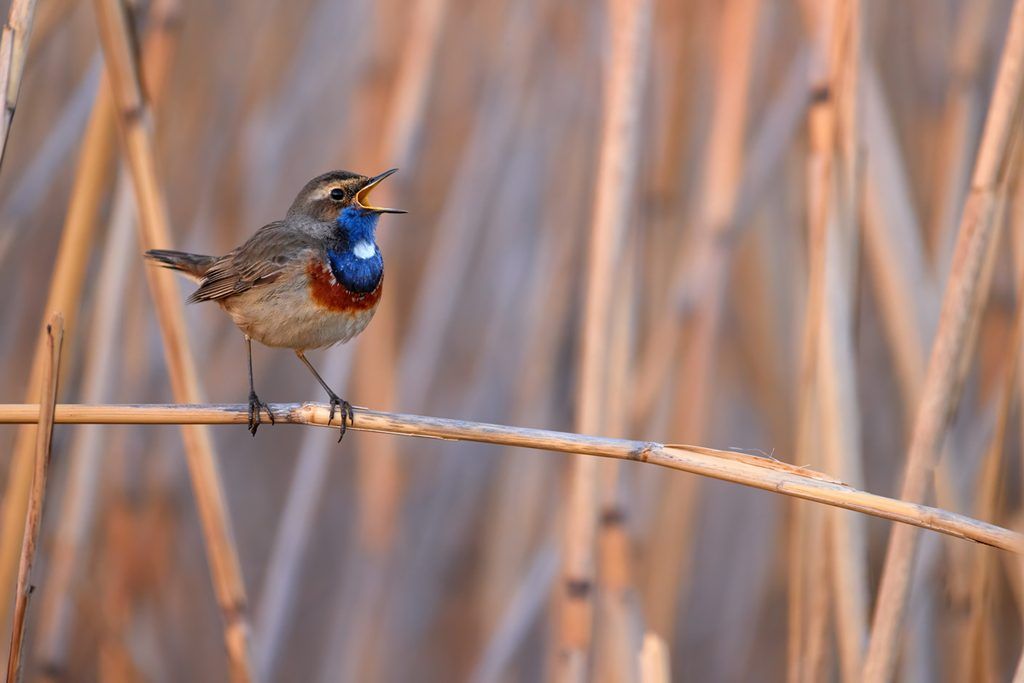
Songbirds
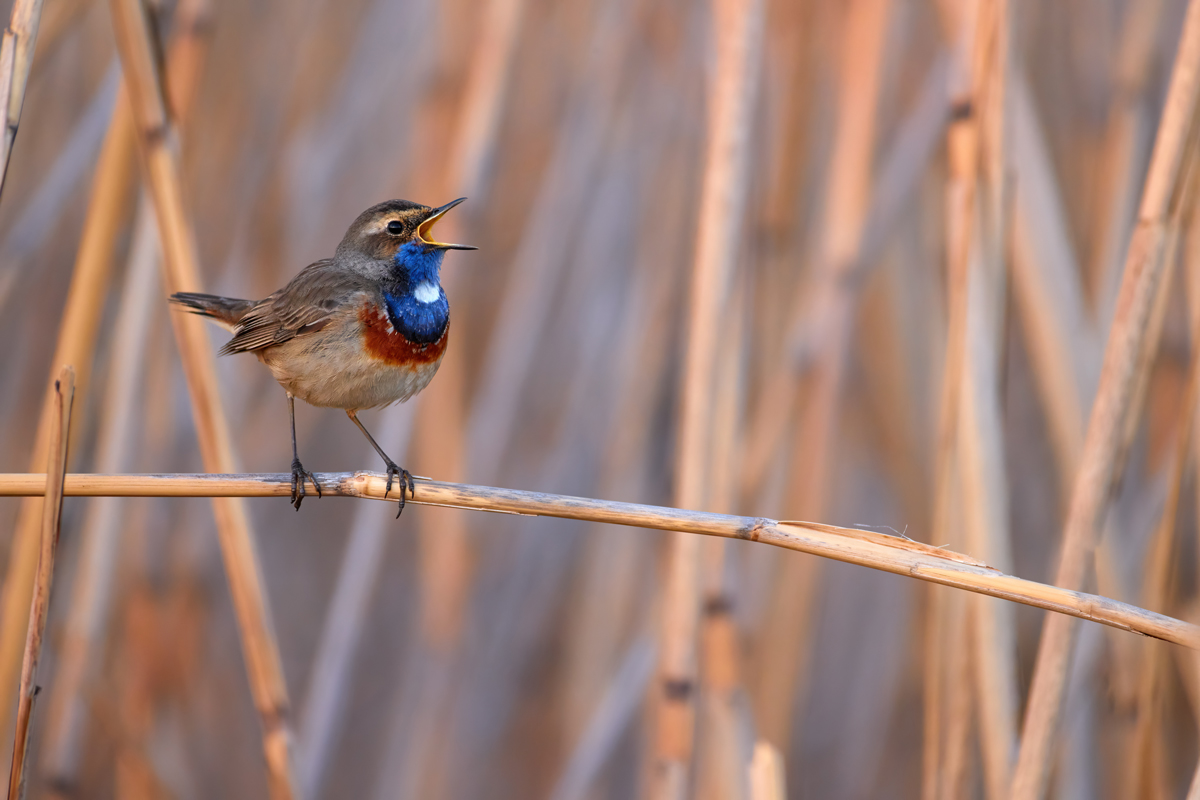
Most birds, especially songbirds, see a whole world of colors hidden to humans. Birds have tiny, brightly colored oil droplets inside their retinal cone cells that filter incoming light and significantly sharpen their color perception.
While the human eye has only three types of color receptors, many birds have four, allowing them to detect colors in the ultraviolet range. This lets them see UV patterns on each other’s feathers, which is particularly important for mate selection; the birds are attracted to the flashy, colorful designs that remain completely invisible to us.

Reindeer
Reindeer have evolved a genuinely strange trick, especially among large mammals, for surviving Arctic winters: Their eyes detect ultraviolet light, which makes otherwise invisible details pop against blinding white snowscapes. This enables them to spot predators such as wolves; the canine’s coat absorbs UV light, making it appear darker against the snow to the keen-eyed reindeer.
They’re also better equipped to identify urine trails — which can signal the presence of other reindeer — and lichen – one of their main food sources. This ability to see UV light gives reindeer a critical visual edge in an environment that would otherwise look like a featureless blank expanse.
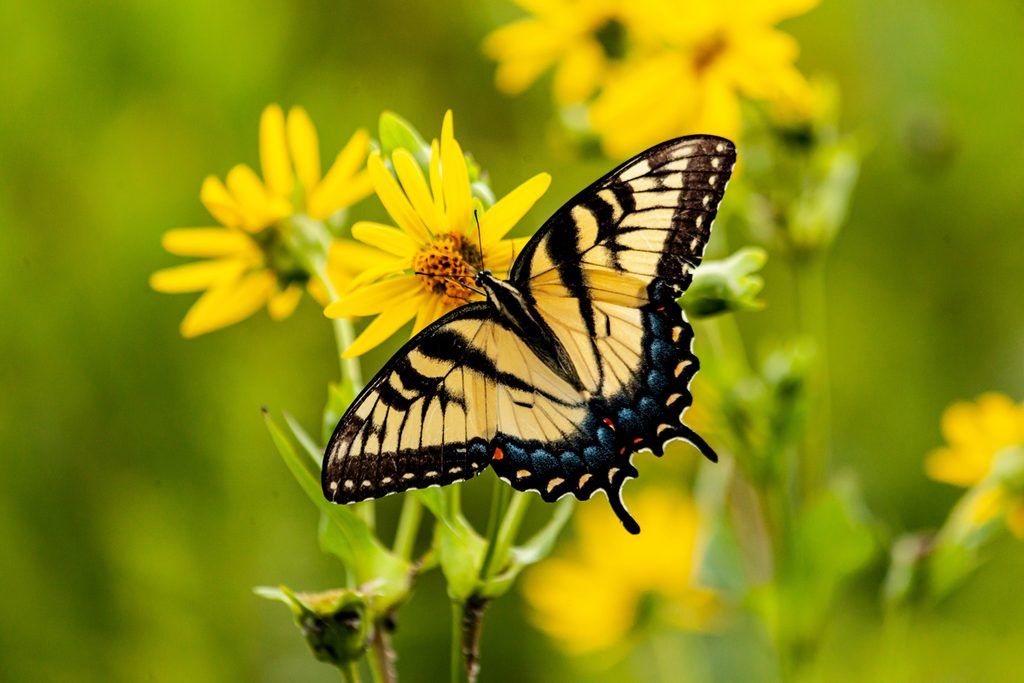
Swallowtail Butterflies
Butterflies generally have at least twice as many photoreceptor classes as humans do, with common bluebottle butterflies boasting the most. The swallowtail species has up to 15 types of these light-sensitive cells, making them the color-spotting champions of the natural world.
These extra visual channels let them distinguish between colors that would look identical to the human eye. This is especially useful for spotting a potential mate, finding food, recognizing predators, and identifying nectar in flowers.
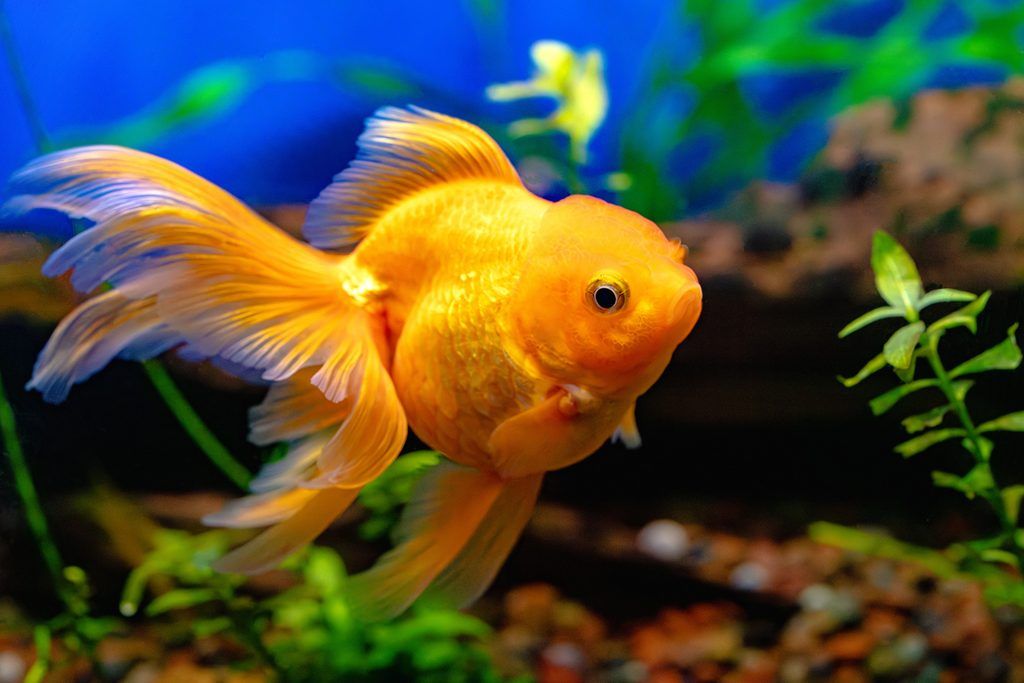
Goldfish
The notion that goldfish are uniquely forgetful is a myth; their memories can actually last for months and even years. What is true, and perhaps a little surprising, is that goldish are tetrachromats just like many birds. This means their eyes possess four independent types of cone cells, allowing them to perceive four base colors: red, green, blue, and ultraviolet light.
This helps goldfish spot prey, predators, and each other more clearly underwater. So rather than being stereotyped as forgetful, perhaps goldfish should be known for their stellar sense of vision.
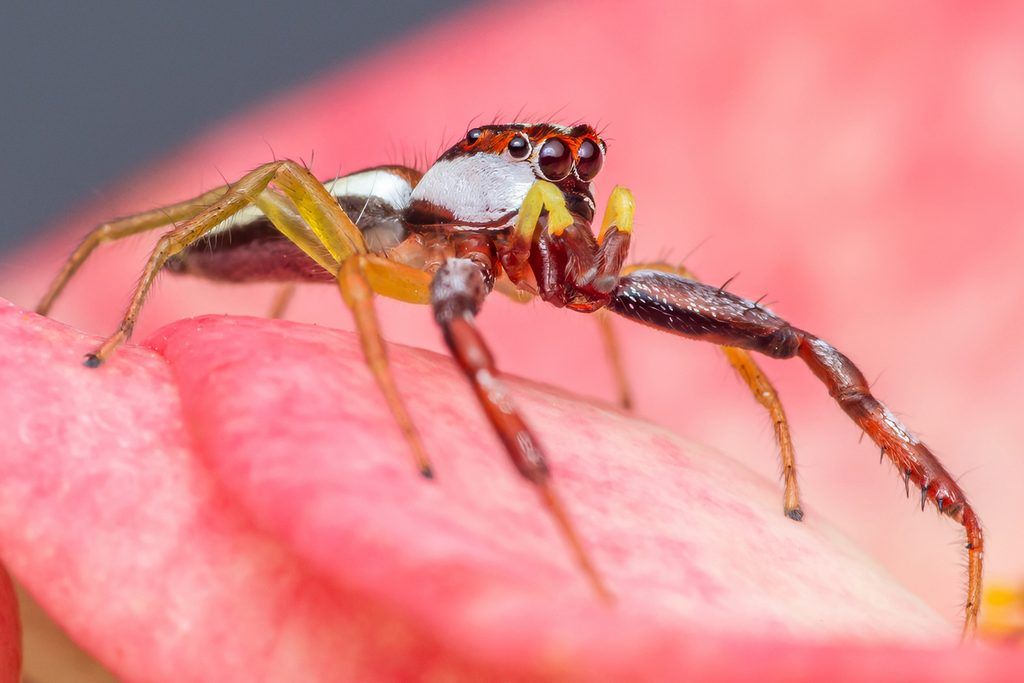
Jumping Spiders
Certain jumping spiders have evolved one of the cleverest color-vision workarounds in nature. Rather than growing a whole new type of receptor, species such as Habronattus pyrrithrix developed a built-in red filter that sits directly in front of some of their green-sensing cells.
This filter acts almost like a tiny pair of red sunglasses, basically creating a third color channel out of thin air — and giving them the ability to see more colors than we can. With their enhanced color perception, these little eight-eyed arachnids can better spot the vivid red and orange markings that males show off during their courtship dances.