6 Animals That Stay Together for Life

True lifelong bonds in the animal kingdom are relatively rare. This is especially true among mammals — it’s estimated that only 3% to 5% of all mammal species (excluding humans) form monogamous relationships, and not all of those are for life.
Many species form temporary mating pairs or seasonal alliances, but only a select few maintain strong, enduring partnerships that can last for decades. Here we look at six species known for forming some of the strongest lifelong bonds in the animal kingdom.
Mute Swans
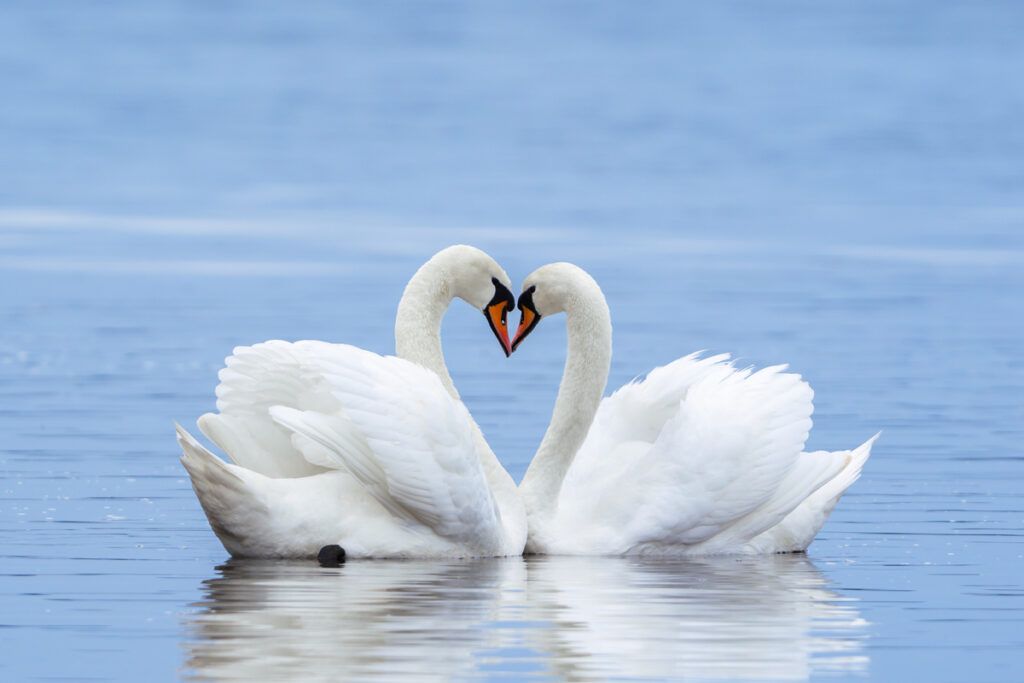
The widely held belief that swans mate for life is largely true — although some species aren’t quite as loyal as others. Mute swans are among the most committed when it comes to lifelong monogamy. Once paired, they stay together for life, migrating and wintering as a unit.
But even these bastions of exclusivity aren’t perfect: “Divorce” does occur, but only in about 3% of mates who breed successfully (rising to around 9% among unsuccessful pairs). Due to these lifelong bonds, swans have become symbols of enduring love — but they’re hardly unique in the avian world. As many as 90% of all bird species are monogamous, with many forming lifelong bonds, including, but not limited to, albatrosses, bald eagles, sandhill cranes, black vultures, Atlantic puffins, and macaroni penguins.
Gray Wolves
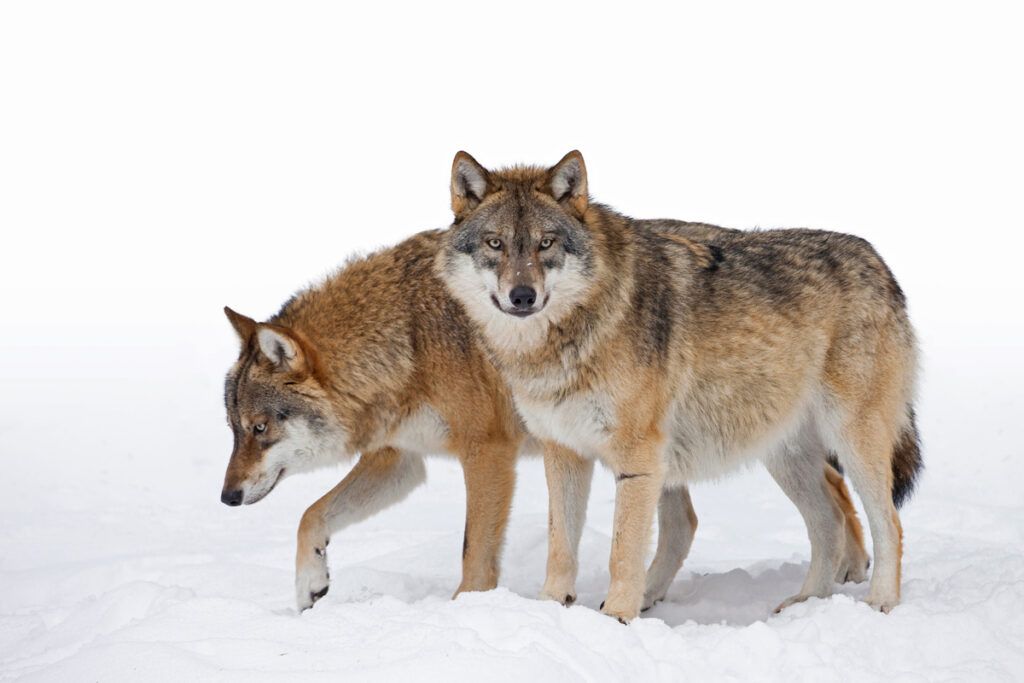
Wolf packs are highly complex social units. The job of leadership falls upon the two alphas — a breeding pair that typically mates for life, producing a new litter each year to ensure the stability of the entire group and to maintain their position as pack leaders.
All pack members exhibit strong loyalty, with social bonds extending beyond the breeding pair to create a strong and stable family unit that hunts, defends territory, and cares for the young together over many years.
Gibbons
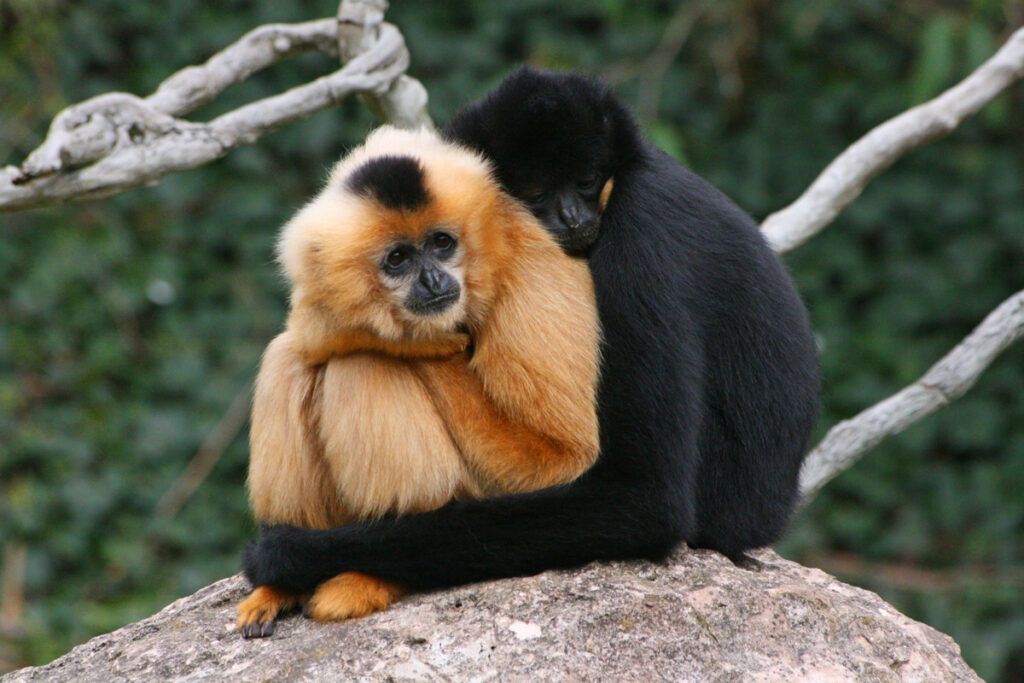
Gibbons are among the few primates that form strong, long-term monogamous pair bonds. These long-limbed apes spend most of their time in the upper and middle levels of the forest canopy, living in small family groups consisting of the mated pair and their offspring. Not only do the pair raise their young and defend their territory together, but they also perform complex duets — elaborate songs that reinforce their bond and warn off rivals.
Gibbons aren’t the only primates known to form such strong bonds — coppery titi monkeys, for example, also mate for life and even become distressed when separated from each other — but such commitment is quite rare among apes and monkeys, as it is among mammals in general.
Beavers
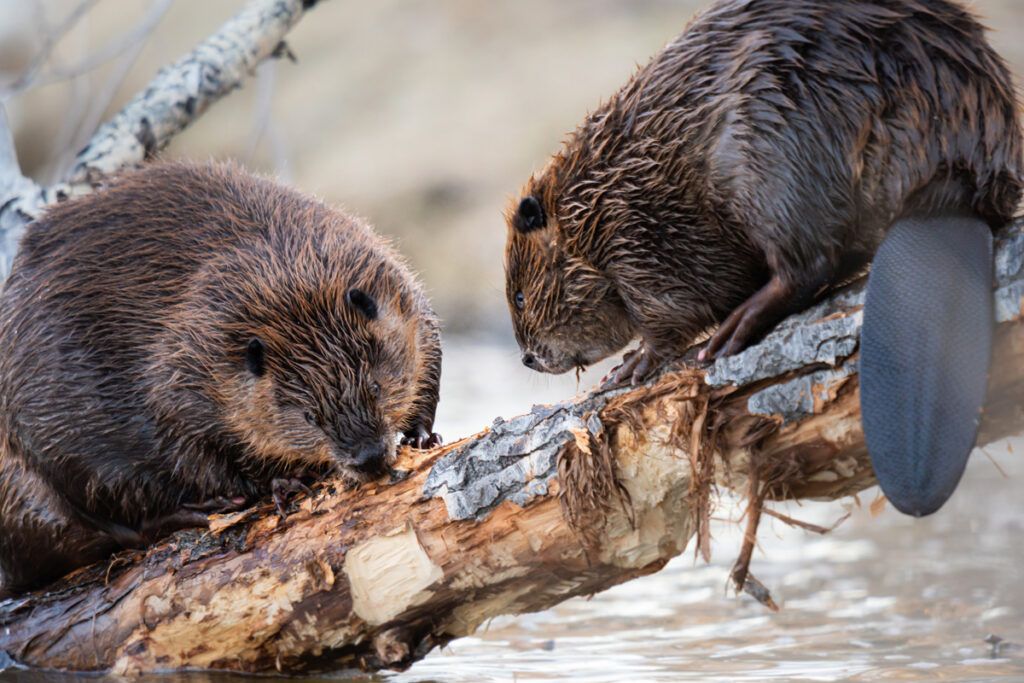
Eurasian beavers (unlike their North American counterparts, who often have multiple mates) are another rare example of highly monogamous mammals that usually mate for life. The bonded pair forms the core of a family colony, working together to build and maintain their dams, lodges, and food caches while defending their territory.
They also share parenting responsibilities for their kits (baby beavers), teaching them essential survival skills until the kits move out of their parents’ dam at about 2 years of age. The average lifespan of a Eurasian beaver is seven to eight years, but they can live up to an astounding 25 years old with a bit of luck and a secure, resource-rich territory — making for years of busy but seemingly blissful companionship.
Prairie Voles
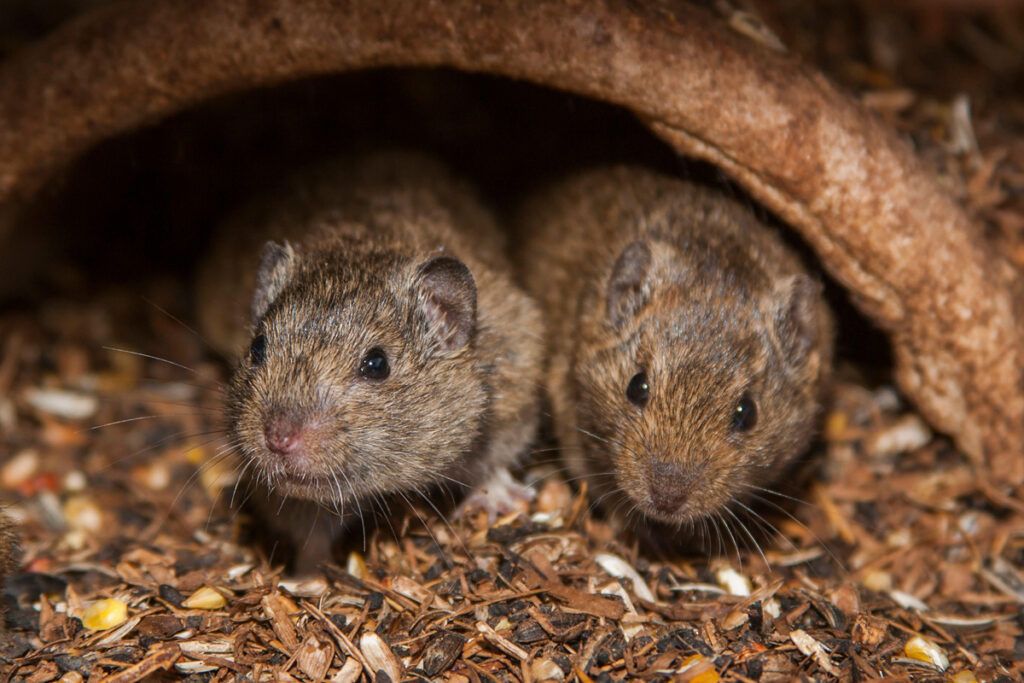
Prairie voles display remarkable lifelong pair bonds — so much so that researchers have studied their neurochemistry for clues about the effects of pair bonding and breakups (e.g., how oxytocin and dopamine can lead to lifelong bonds). Unlike most rodents, these small voles form strong attachments after mating, often staying with the same partner for life. The bonded voles share a nest, groom each other, and cooperatively raise their pups.
Another rodent famous for commitment is the Californian mouse. They often form strictly monogamous lifelong pairings — but they’re known to argue at times. Researchers have observed reunited pairs angrily barking at each other after short periods apart, possibly due to suspicions over their mate’s loyalty (even if no cheating actually occurred). In most pairs, the arguing lasts no longer than a week.
Shingleback Skinks
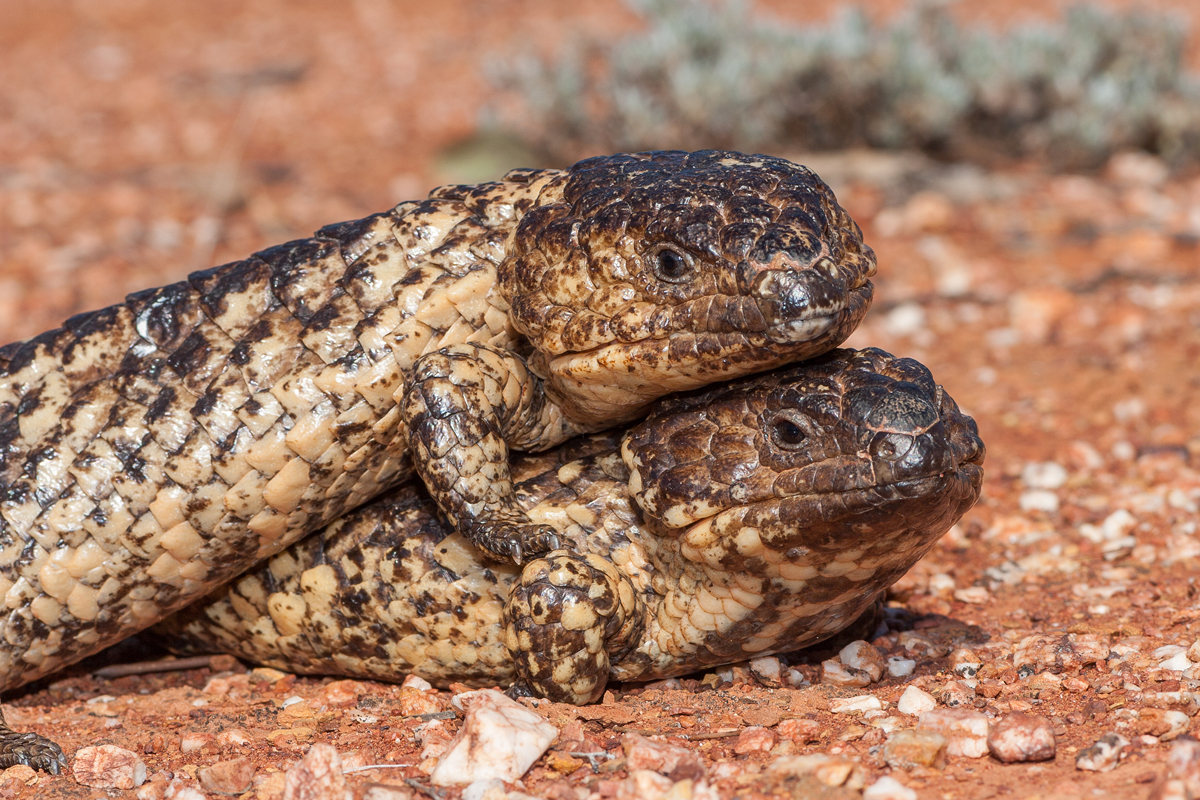
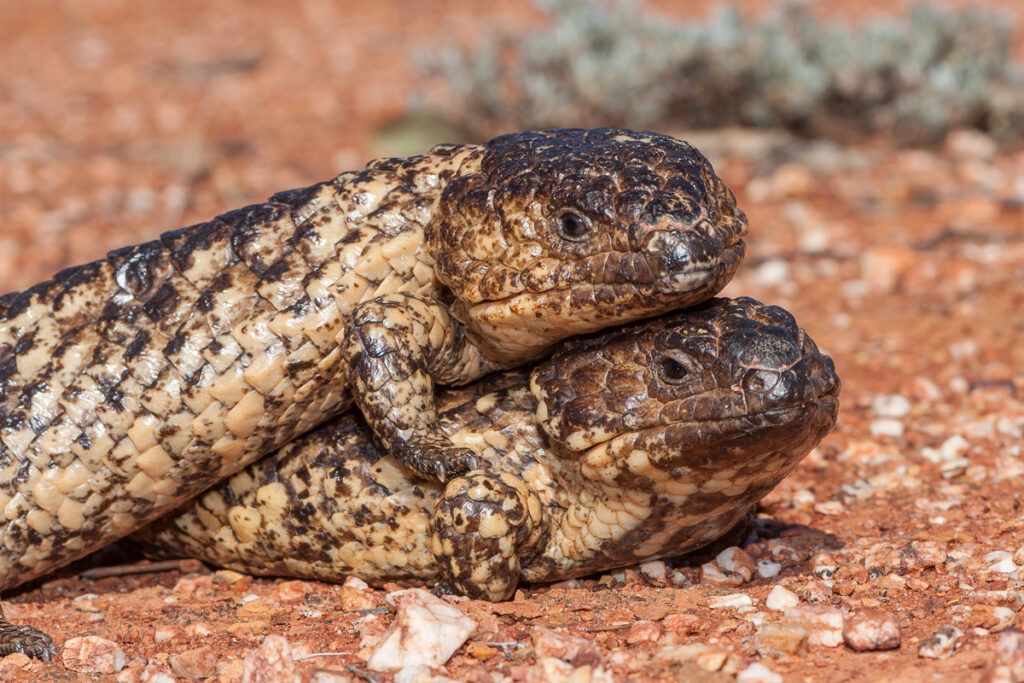
Shingleback skinks, also known as bobtail lizards, are among the few reptiles that form long-term pair bonds. Native to arid regions of Australia, these slow-moving, armored lizards typically live solitary lives, but during the mating season the male seeks out a mate. Once a female catches his eye, he follows her everywhere for up to two months, gently nudging and licking her to show he’s interested.
Once the pair has bonded, they actively seek one another out every breeding season. Pairs have been documented reuniting year after year, with some bonds lasting more than two decades. Even after death, the bond remains: Shingleback skinks have been observed mourning their partners, staying with their bodies for days in a show of grief.