8 Animal Diggers That Can Move Some Serious Dirt

Humans tend to talk about “digging ourselves into a hole” as though it’s a bad thing, but in the animal world, digging oneself a good hole is a means of survival. For some, it means creating a safe place to sleep; for others, it’s a way of finding food, escaping predators, or surviving extreme temperatures.
Many animals are capable diggers, but some have taken that skill to impressive extremes. From reptiles that excavate corkscrew-shaped tunnels to rodents that work together to construct miles of underground passages, here are eight of the best diggers in the animal kingdom.
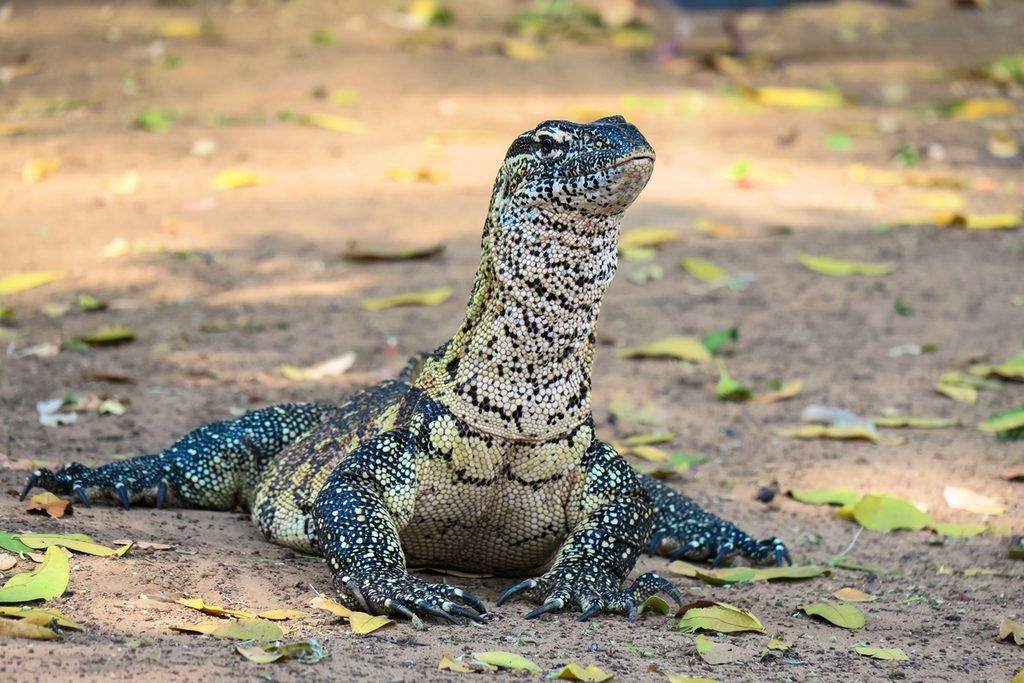
Yellow-Spotted Monitors
The yellow-spotted monitor, also known as the Argus monitor, digs some of the deepest and most elaborate burrows known among vertebrates. In Western Australia, females excavate corkscrew-shaped nesting burrows that can descend nearly 12 feet underground.
The deepest part contains a chamber where eggs are laid, and some burrows have as many as eight twists and turns. These creations aren’t only the deepest-known digs made by any vertebrate; they’re also the only known helical (aka corkscrew-shaped) burrows made by a reptile.
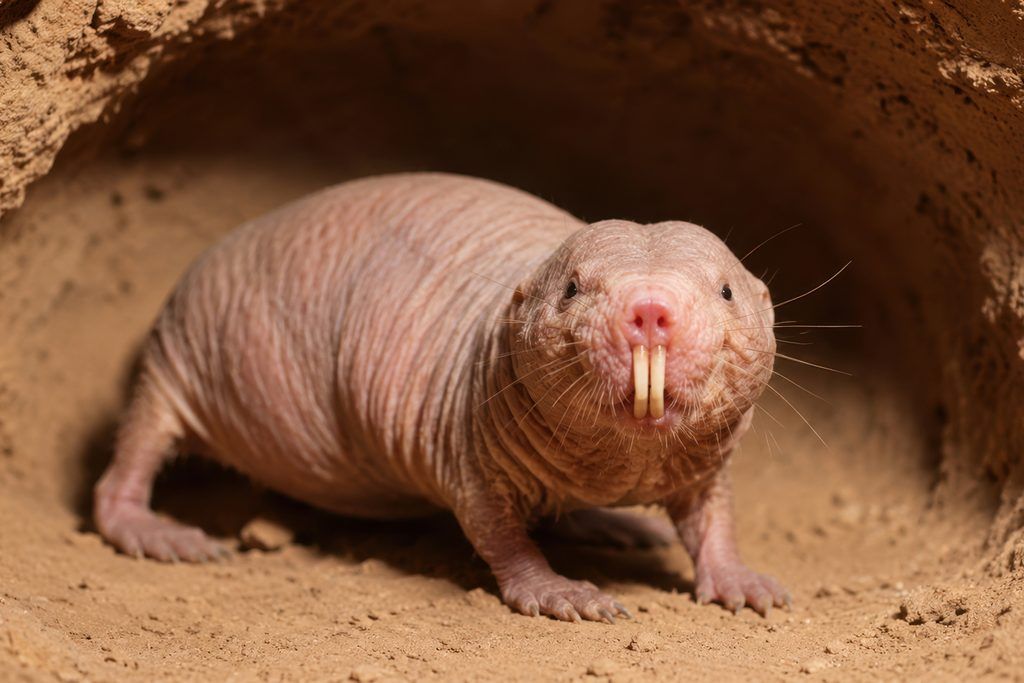
Naked Mole-Rats
Naked mole-rats may be tiny, typically measuring just a few inches in length, but they work together to create surprisingly extensive tunnel systems. Colonies can excavate networks stretching up to 2.5 miles, with tunnels connecting separate chambers for sleeping, eating, and using the bathroom.
These animals do most of their digging using their enormous front teeth, which are powered by their unusually strong jaw muscles. Their lips also close behind their teeth, allowing them to dig through soil without inhaling a mouthful of dirt.
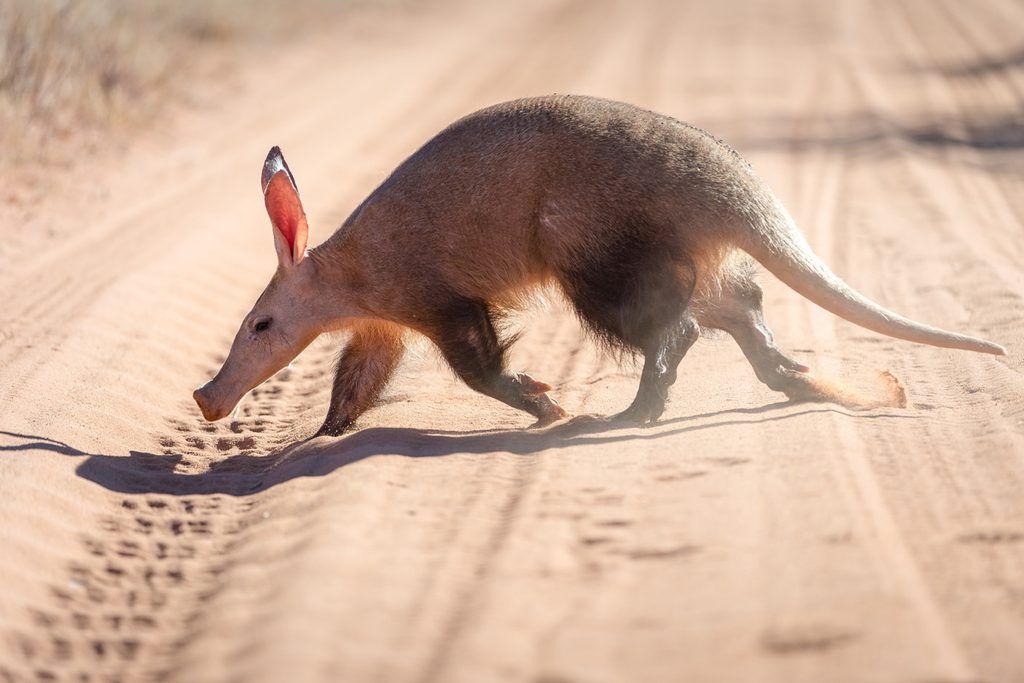
Aardvarks
Aardvarks don’t just dig well — they dig fast. Their powerful front claws can move about 2 feet of soil in 15 seconds, allowing them to quickly excavate termite mounds and ant nests at feeding time. Digging also comes in handy when aardvarks feel threatened and find themselves out of range of an existing burrow, as they can dig a hole and cover themselves with soil in about five to 10 minutes.
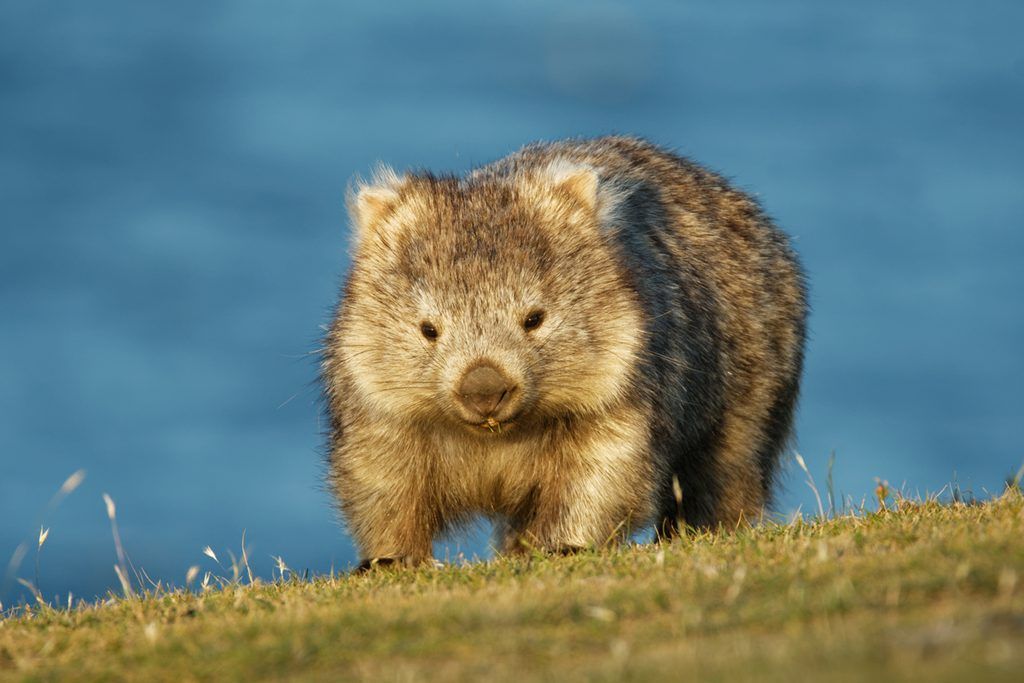
Wombats
Wombats are among the world’s largest burrowing animals, their stocky bodies basically purpose-built for heavy-duty excavation. Their burrows can stretch anywhere from 10 to 100 feet across and upward of 11.5 feet deep, and they often feature interconnected tunnels, sleeping chambers, and sometimes several entrances. There’s a good reason for all that time and effort: These Australian marsupials spend much of their lifetime — up to two-thirds of it — underground.
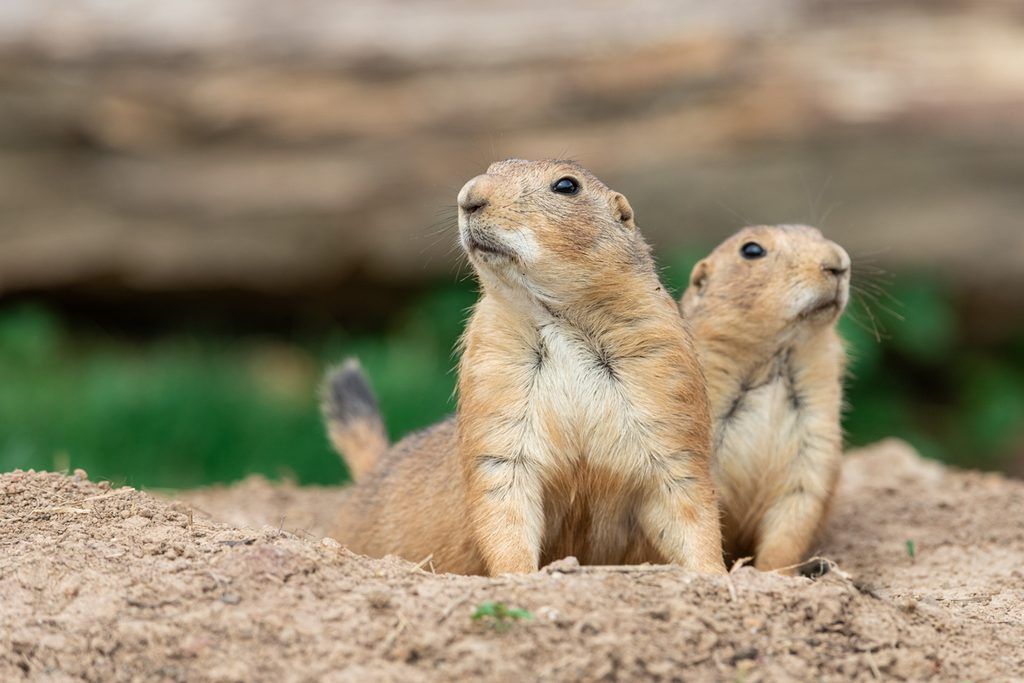
Prairie Dogs
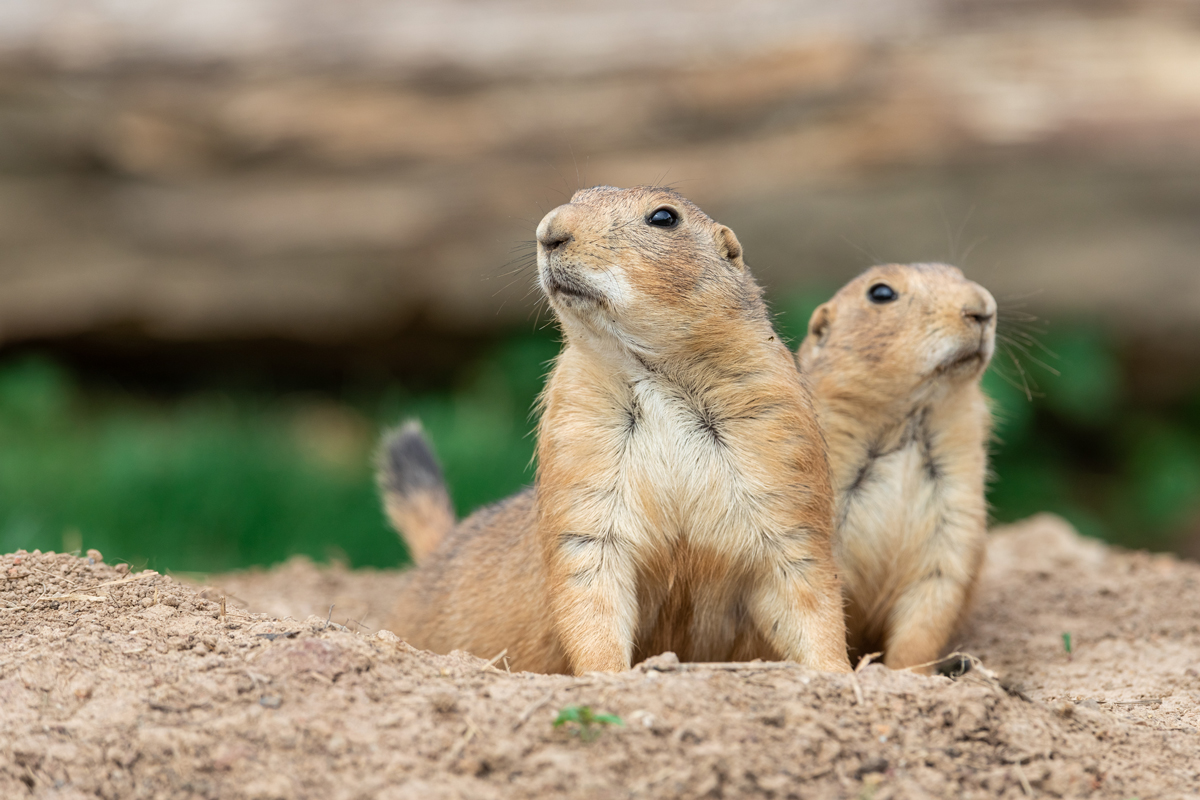
Prairie dogs don’t simply dig burrows; they build entire underground neighborhoods. Their U-shaped creations contain interconnected tunnels and separate chambers for sleeping, raising young, and escaping predators, and they can reach depths of about 15 feet.
Groups of burrows form colonies known as towns, which can cover hundreds or even thousands of acres. The tunnels also provide homes for other species, making prairie dogs not just skilled homemakers, but also important ecosystem engineers.
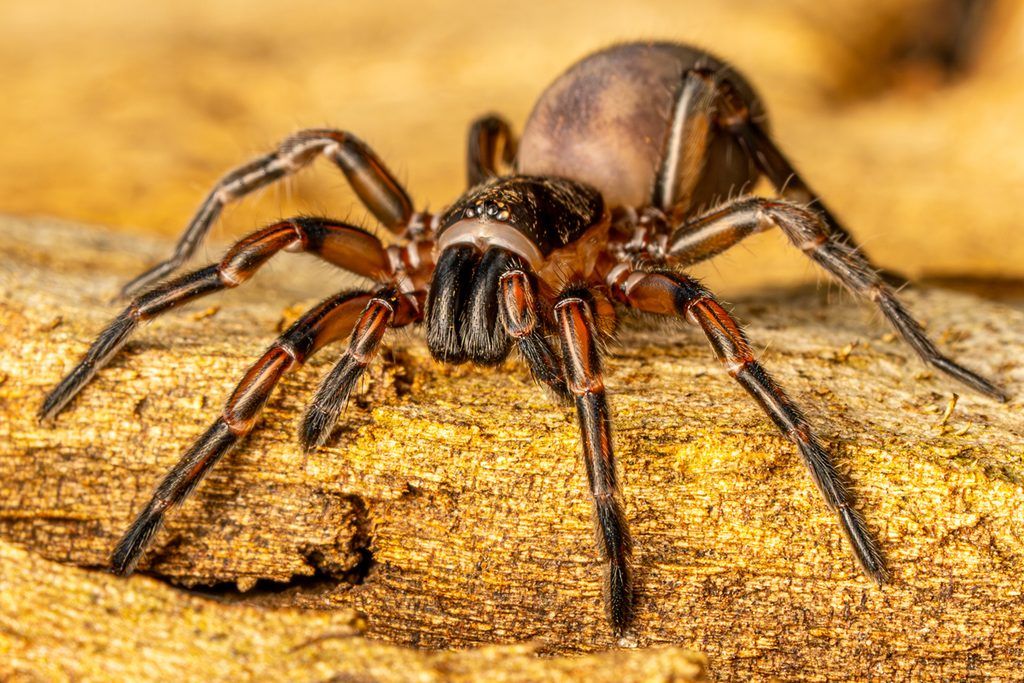
Trapdoor Spiders
Trapdoor spiders tend to dig for a different reason than most animals: They turn their burrows into well-hidden hunting posts. After excavating a vertical tunnel, the spider reinforces it with silk and constructs a hinged door from soil, leaves, and, yes, more silk.
Threads around the entrance act as trip wires, and the spider can detect vibrations from passing prey such as crickets, beetles, grasshoppers, and other insects. The spider waits patiently inside its covered burrow before skillfully ambushing its unsuspecting meal.
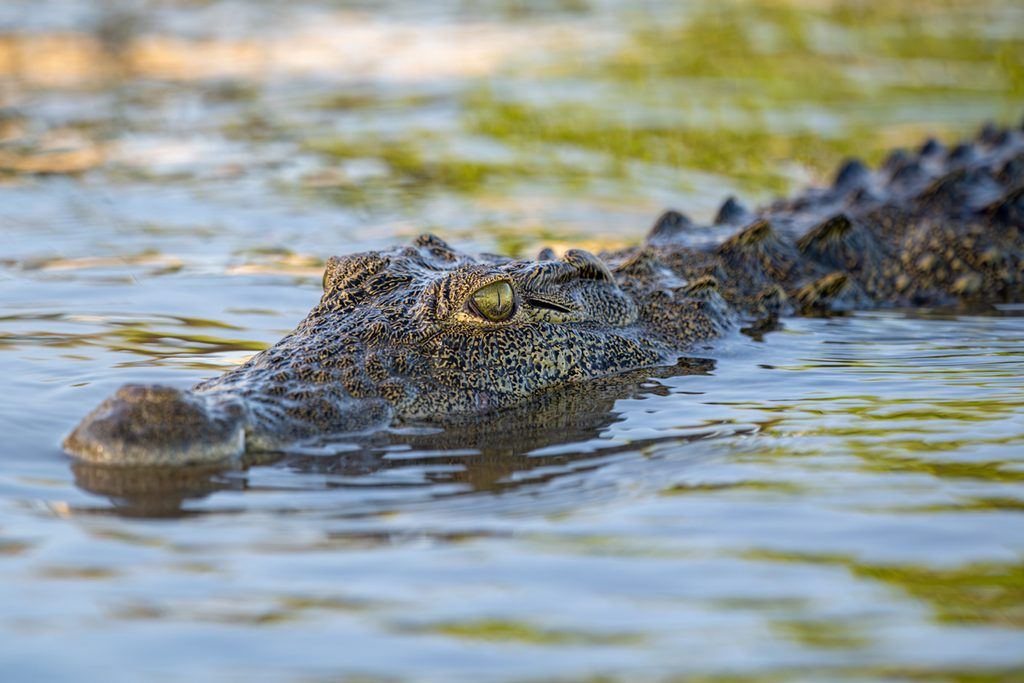
Nile Crocodiles
Nile crocodiles may not be the first animals that come to mind when you think of burrowing, but these sub-Saharan African reptiles can excavate burrows up to 40 feet deep, making them the deepest-burrowing crocodilians currently known.
These massive crocs, which average about 16 feet long and 900 pounds, use their powerful feet and large snouts to dig into the soil and form burrows that serve as a cool place to escape the heat and a den for laying eggs. Their dens are typically dug into the banks of rivers or lakes, offering easy access to their preferred environment.
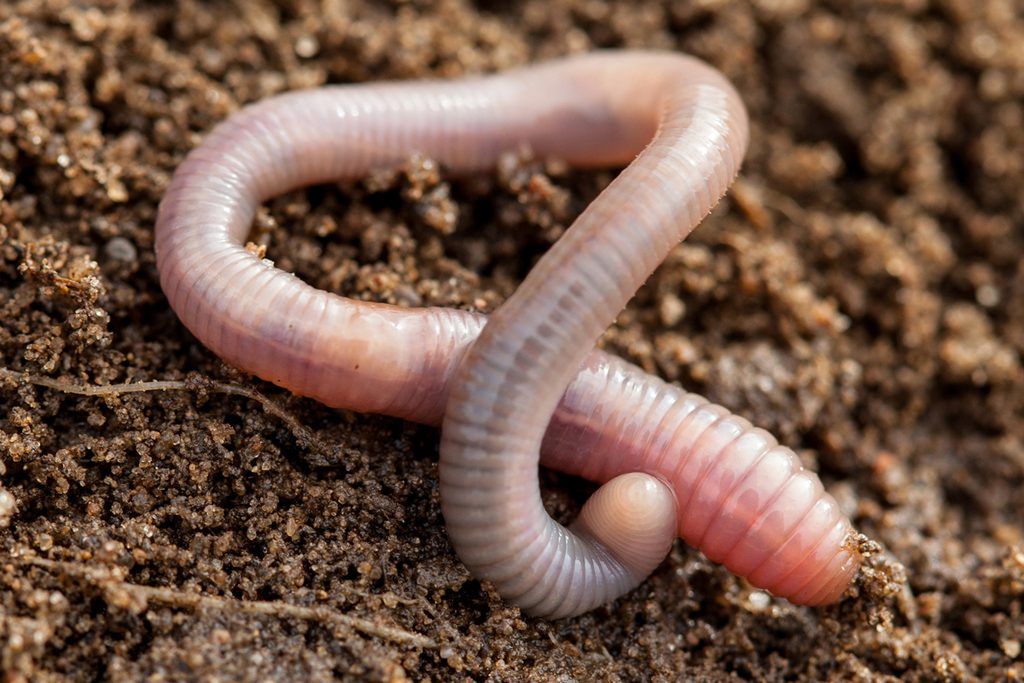
Earthworms
And who could forget the humble common earthworm? These unassuming little diggers spend much of their lives moving through soil, burrowing up to about 10 feet underground and moving approximately 50 tons of soil per hectare each year. Their tunnels help water and air better penetrate the soil and give plant roots easier pathways, while the worms drag leaves and other organic matter underground to break down and recycle nutrients.