The 10 Biggest Animals on Earth

Being intimidatingly large in the animal kingdom offers some key advantages when it comes to survival, including protection from predators, easier long-distance travel, and access to food sources smaller creatures simply can’t reach (being small also has plenty of its own advantages, of course, but that’s a different conversation).
It’s no surprise, then, that evolution has produced some truly staggering giants, whether in the deepest trenches of the ocean or the dry grasslands of Africa. Here are 10 of the biggest animals alive today, from “smallest” to largest.
Polar Bears
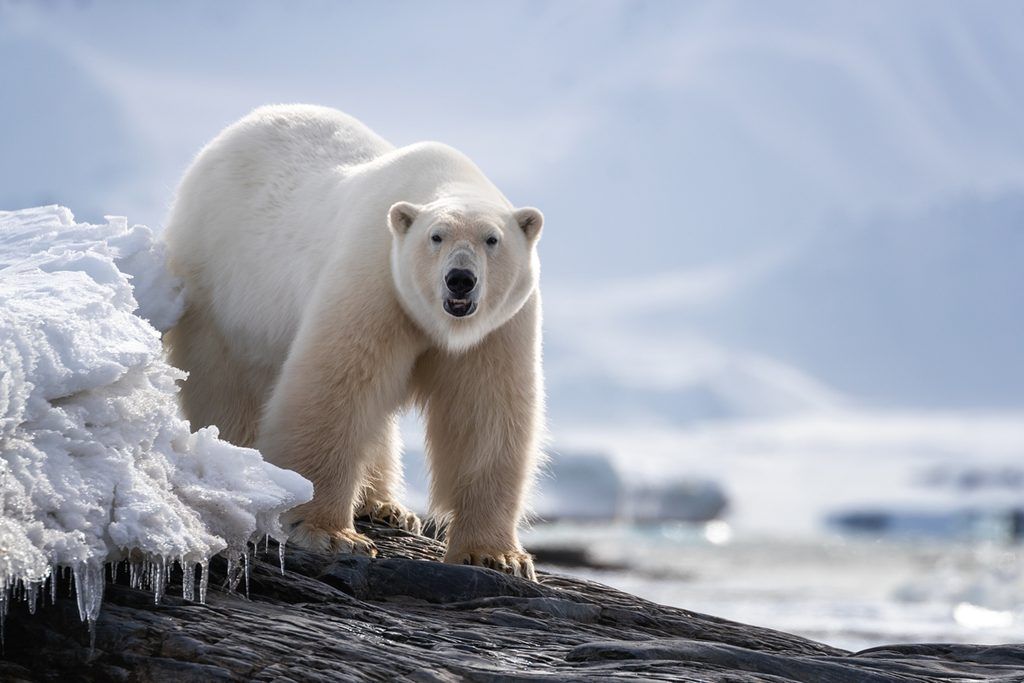
There’s stiff competition for 10th spot, including saltwater crocodiles, American bison, and Alaskan moose, but the polar bear just about pips it. Polar bears are the largest species of bear and the largest land predators on Earth, often weighing up to 1,600 pounds, or just under a ton — although the largest polar bear ever recorded reportedly weighed a mighty 2,210 pounds.
Walruses
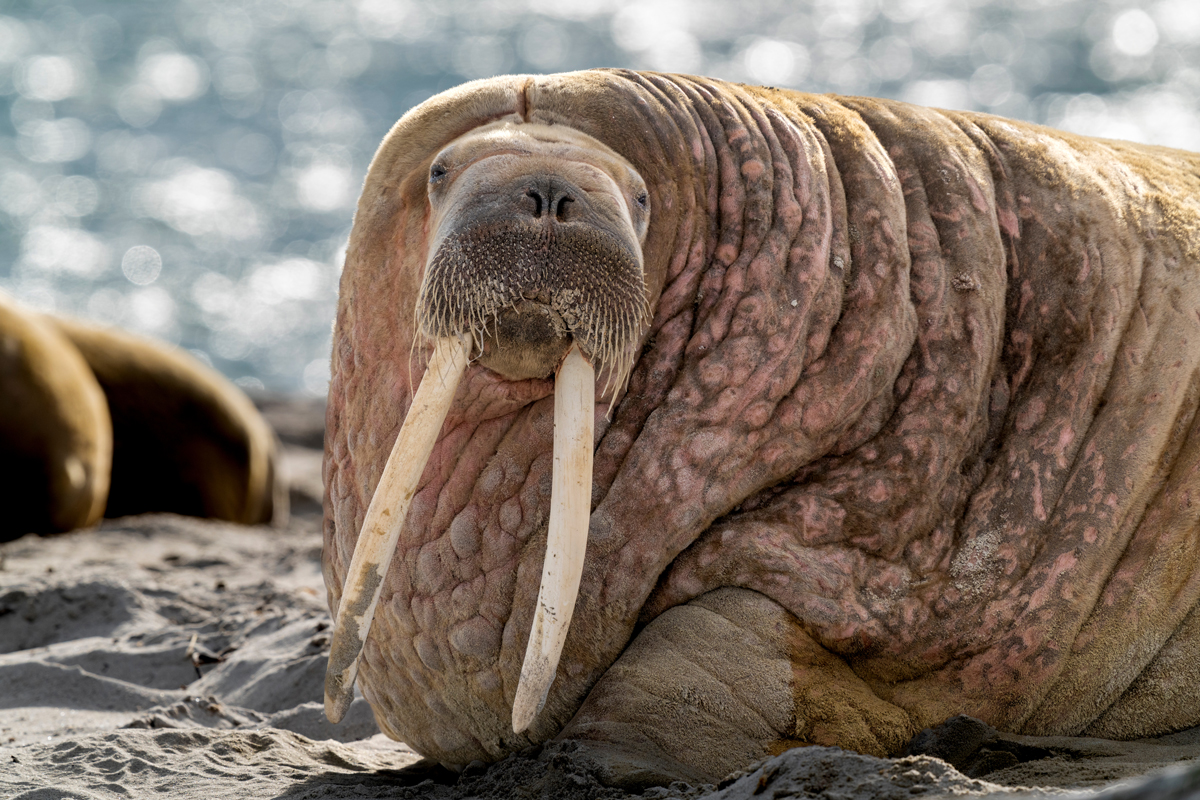
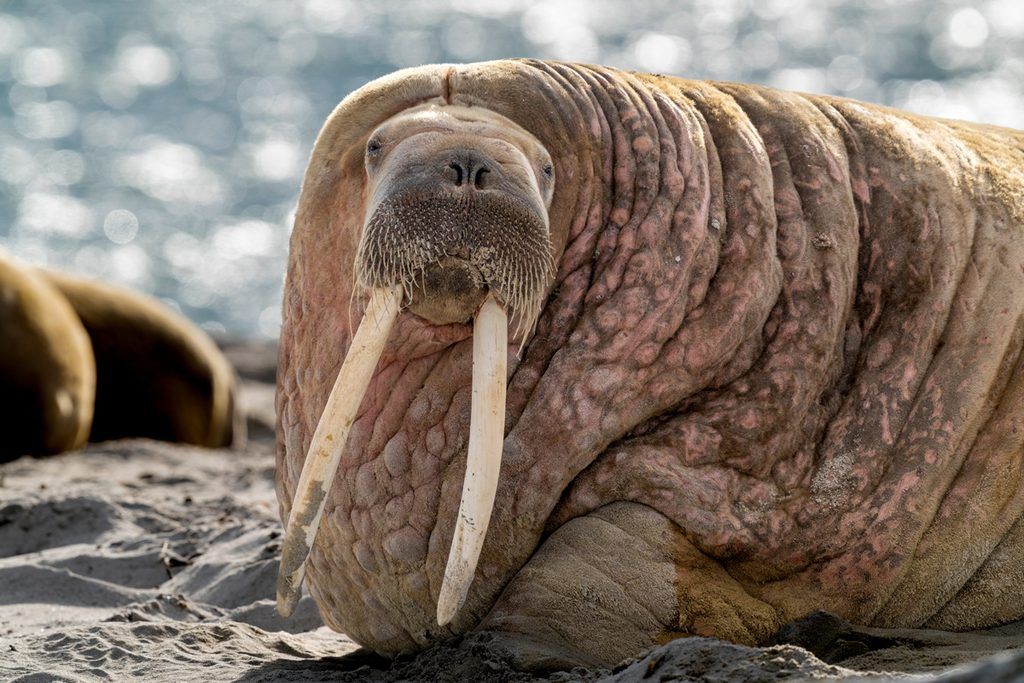
Male Pacific walruses can reach lengths of almost 12 feet and typically weigh between 1,800 and 3,700 pounds, though some exceptionally large males have been recorded at around 4,400 pounds, or a little more than 2 tons. As such, they’re one of the heaviest marine mammals outside the whale family. Much of that bulk is stored as blubber, which insulates them against the frigid Arctic waters.
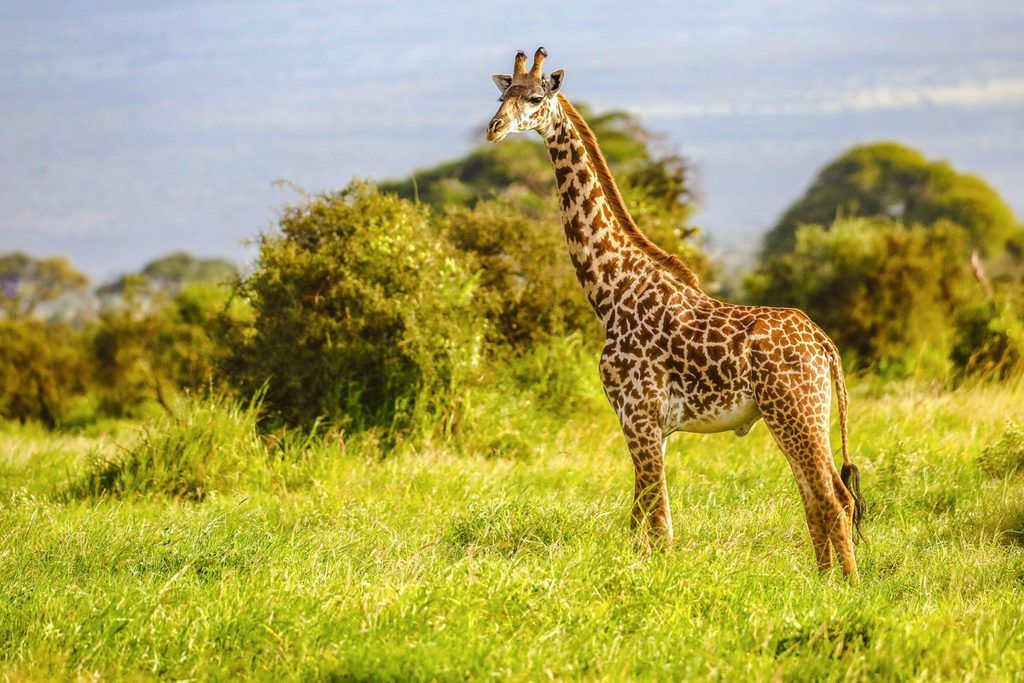
Giraffes
Despite lacking the raw bulk of some of the bigger animals on this list, giraffes are still genuine heavyweights. Male giraffes, or bulls, measure up to 18.7 feet in height, making them the tallest living terrestrial animals. They can weigh up to 4,255 pounds (or around 2.1 tons), with a significant amount of mass distributed through their extraordinarily long necks, which can weigh up to 600 pounds alone.
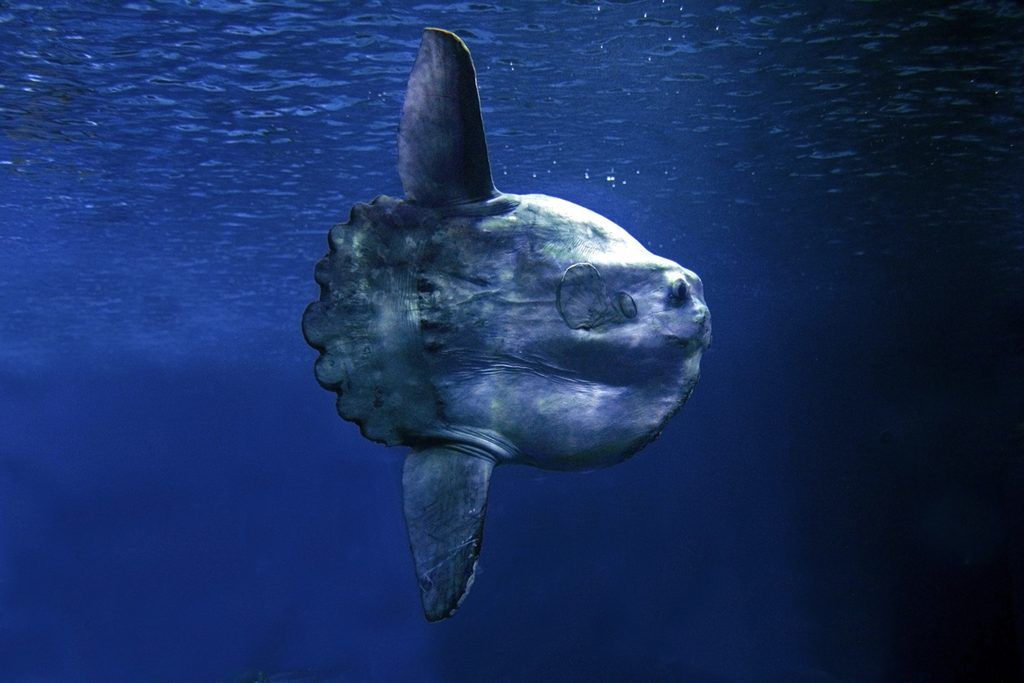
Ocean Sunfish
The ocean sunfish, or mola, is widely regarded as the heaviest bony fish in the world. This peculiar fish, which looks almost like a giant fish head without a tail, typically grows to a maximum weight of around 2.5 tons, although the heaviest specimen on record weighed a little more than 3 tons. It’s an especially impressive achievement considering sunfish begin life as larvae barely a few millimeters long.
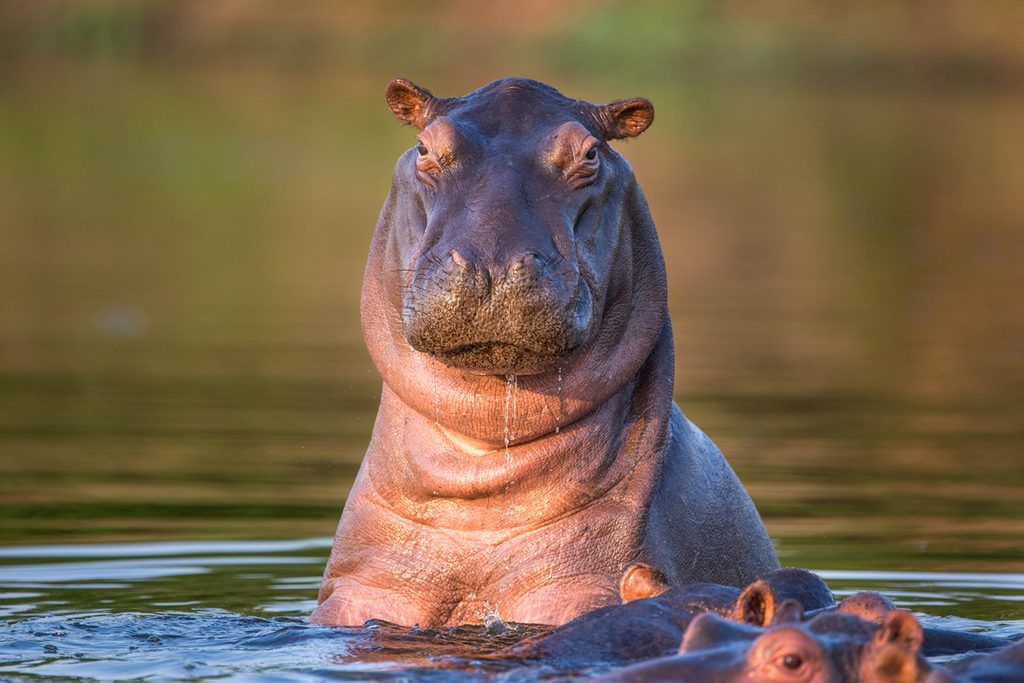
Hippopotamuses
An adult male hippopotamus typically weighs between 3,500 and 7,050 pounds (up to 3.5 tons), with exceptionally large individuals weighing more than 4 tons. Generally speaking, white rhinos are larger (more on that in a second), but the biggest hippos can rival them in terms of sheer bulk. Despite their size, and their tendency to spend most of their time in water, hippos are surprisingly fast on land and more than capable of outrunning humans.
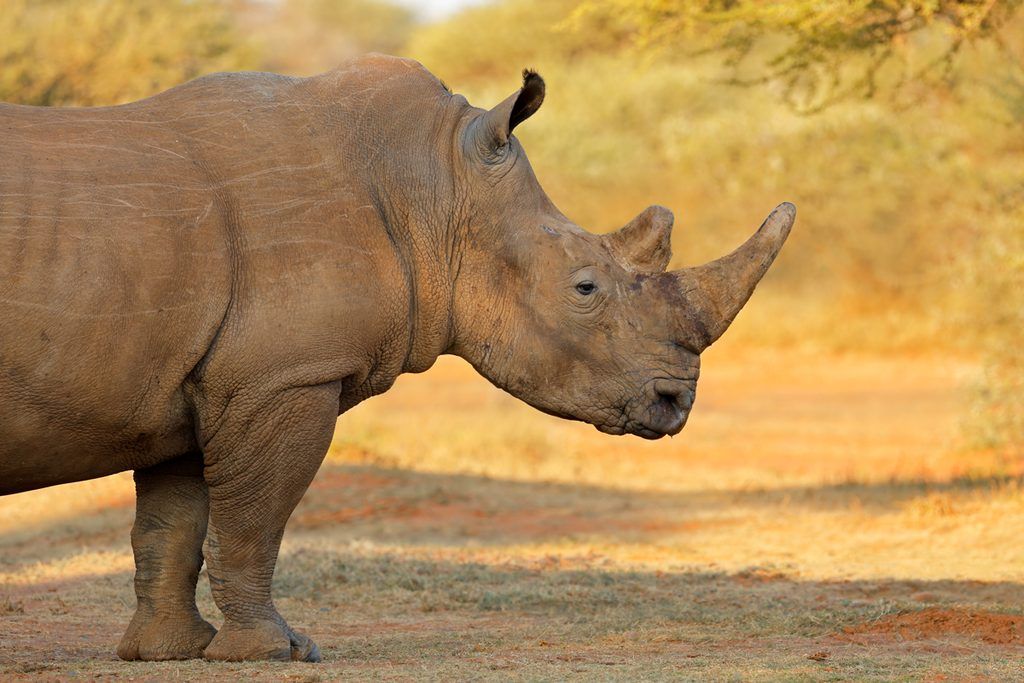
White Rhinoceroses
The white rhinoceros just barely edge out hippopotamuses to be widely considered the second-largest land mammal. White rhinoceroses are incredibly powerful animals: Their massive heads are anchored by thick neck muscles, strong enough to support two horns, the longest measuring up to 80 inches long. These tank-like creatures can weigh up to 4 tons, with some specimens estimated at even more than this — but understandably, weighing a rhino isn’t easy.
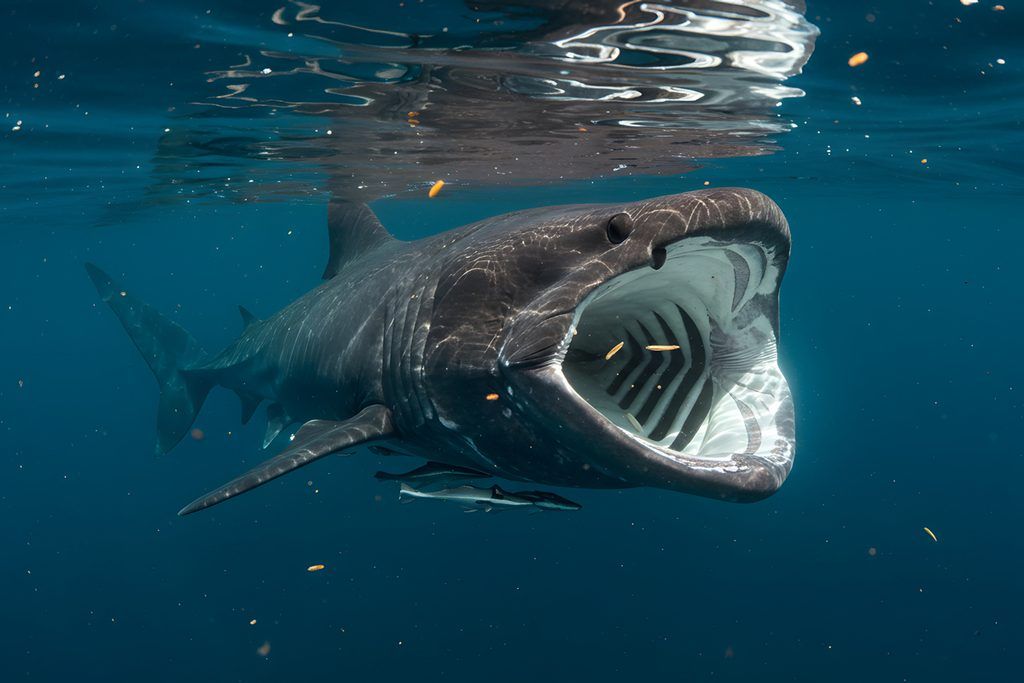
Basking Sharks
Often overshadowed by its cousin the whale shark, the basking shark is still an impressive fish. It’s the second-largest fish in the ocean, in fact, with large individuals reliably documented in the multiple-ton range, although records vary greatly.
On average, they weigh around 5 to 6 tons, but the largest basking sharks ever recorded were around 16 tons — far larger than an African elephant. Great whites and tiger sharks, by comparison, have maximum known weights approaching 3 tons.
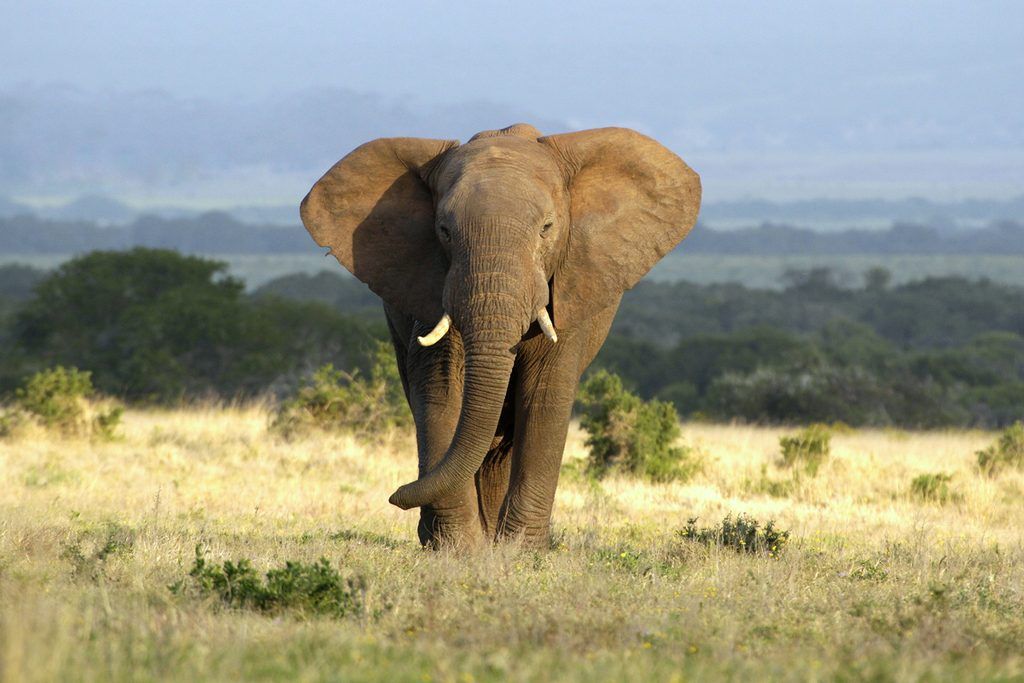
African Elephants
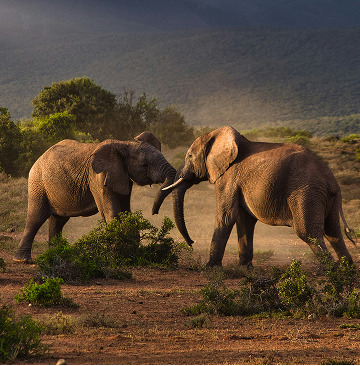
Typically weighing up to 7 tons, the African bush elephant is the largest land animal on Earth. They often reach heights of 8 to 13 feet tall at the shoulder, although the largest specimen ever recorded measured more than 13 feet tall and weighed a whopping 12.24 tons. These terrestrial behemoths are noticeably larger than their Asian counterparts, but even Asian elephants can weigh an impressive ~6 tons.
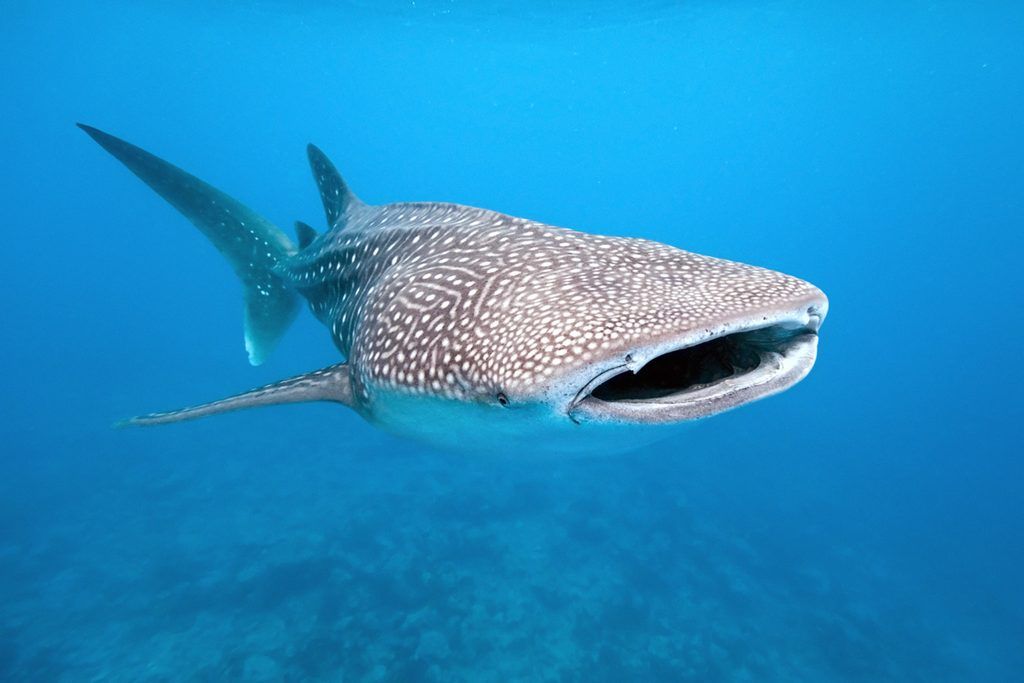
Whale Sharks
The whale shark,which is very much a shark and not a whale, is the largest fish in the world (and quite possibly the largest fish ever to have existed). They regularly grow to lengths of 32 feet, with fully grown adults weighing in excess of 20 tons — although the largest specimen ever recorded was 61.7 feet in length and may have weighed up to 40 tons. This may sound like a terrifying creature to encounter in the open ocean, but whale sharks are gentle filter-feeders that pose no threat to humans despite their massive size.
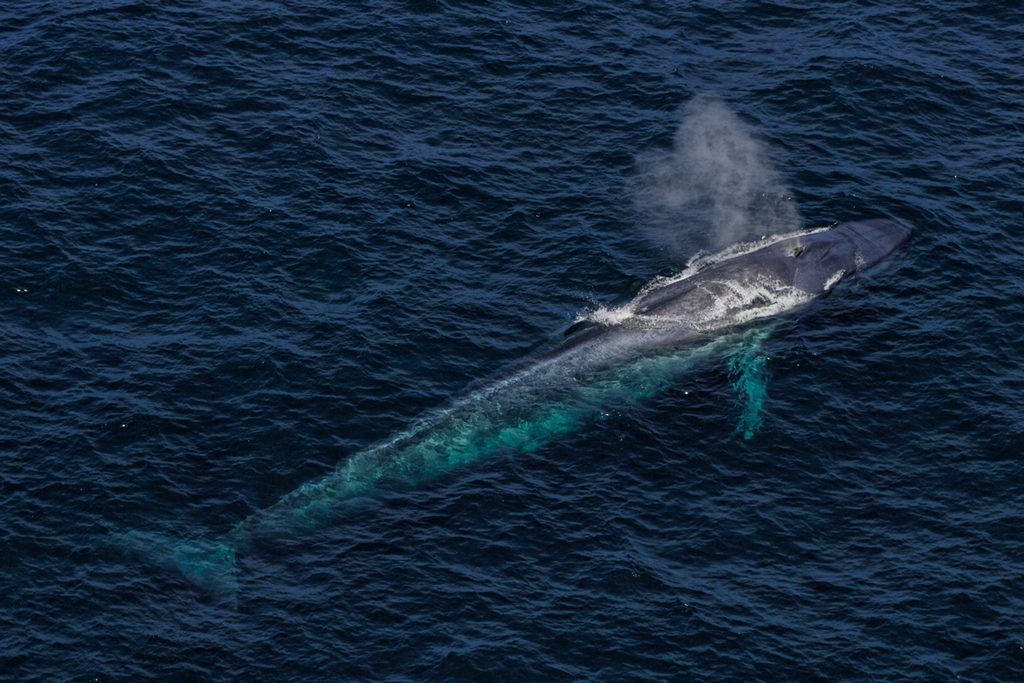
Whales
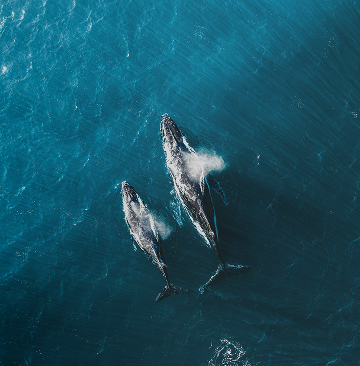
Nothing on Earth, living or extinct, comes close to the size of the blue whale, the largest animal ever known to have existed. They even put the dinosaurs to shame: A single blue whale weighs about the same as 30 Tyrannosaurus rexes. A fully grown blue whale can reach around 100 feet in length and weigh as much as 200 tons.
It isn’t the only giant in the family, either — in fact, the heaviest living animals are all whales. The fin whale clocks in as the second-largest animal on the planet at around 80 feet long and a weight of up to 80 tons. Right whales, sperm whales, and humpbacks are just some of the other species that would round out the top 10 if we chose not to group whales together as one entry — which we will, to give some other hefty animals a chance.