5 Animals That Eat the Most Bizarre Foods

There’s no accounting for taste — especially in the animal kingdom. While most creatures stick to familiar menus, some animals have developed a taste for foods that would make most species run the other way. Rotting flesh, toxic leaves, and other unlikely meals may sound unappetizing to us, but for these specialized eaters, they’re the key to survival.
These extreme diets are the result of millions of years of evolution, as animals adapted to take advantage of food sources that few others could use. Some creatures developed powerful digestive systems, unusual feeding strategies, or specialized body parts that turned seemingly impossible meals into a reliable source of energy. These species reveal just how creative nature can be when it comes to mealtime.
Vultures
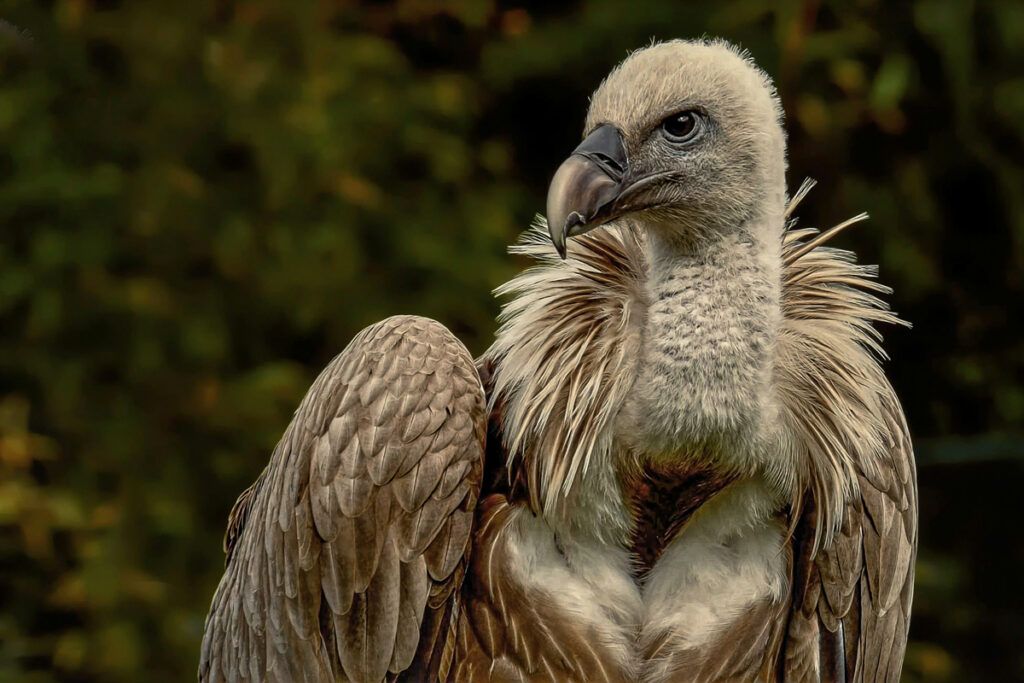
Vultures have a nasty reputation, but their disgusting diet makes them one of nature’s most important cleanup crews. Most vultures are scavengers, feeding on animals that have already died. A meal of rotting flesh might not sound terribly healthy, but vultures’ extremely acidic stomachs help destroy many of the harmful bacteria and pathogens found in carcasses — organisms that could make other animals dangerously sick.
Some vultures take their extreme diet even further. The bearded vulture, also known as the lammergeier, specializes in eating bones, a food source most other scavengers leave behind. Its powerful digestive system allows it to break down bone and extract nutrients such as calcium. Together, these adaptations make vultures highly specialized recyclers who return nutrients to ecosystems and help limit the spread of disease.
Koalas
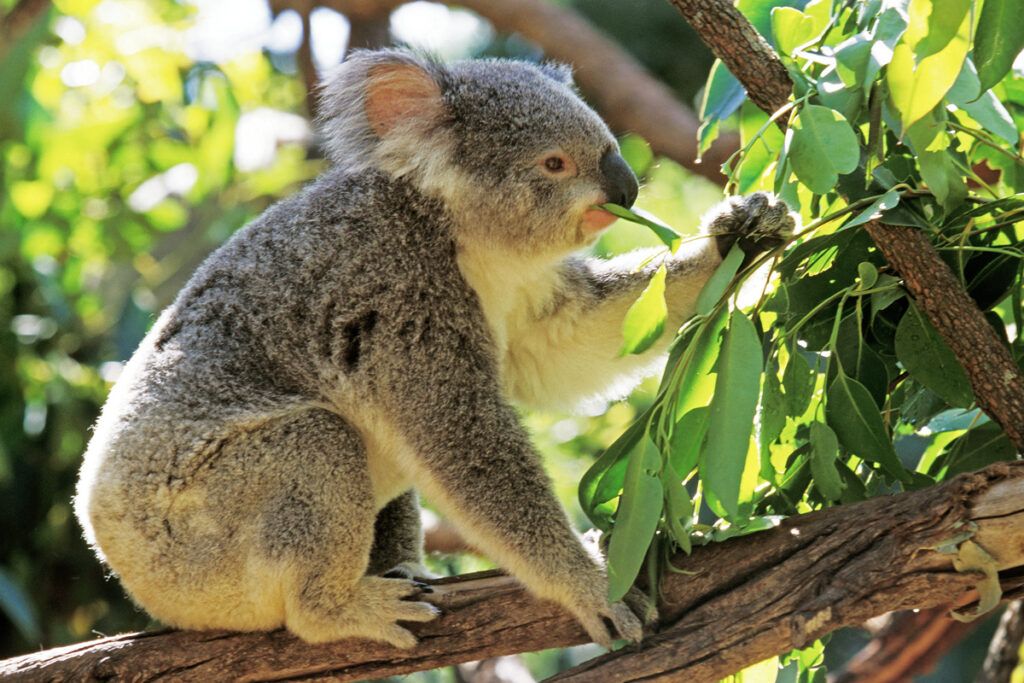
Koalas survive on a food source that is both low in nutrition and difficult to digest — eucalyptus leaves. These leaves contain compounds that discourage many animals from eating them, but koalas have specialized digestive systems, including an enlarged fermentation chamber called a caecum, that helps them break down tough plant material and process these chemicals.
Because eucalyptus provides limited energy, koalas have adapted to conserve calories in other ways. They rest and sleep up to 22 hours each day and move slowly to reduce their energy needs. Their specialized diet reduces competition with other animals, allowing koalas to thrive on a food source that most creatures cannot tolerate.
Leatherback Sea Turtles
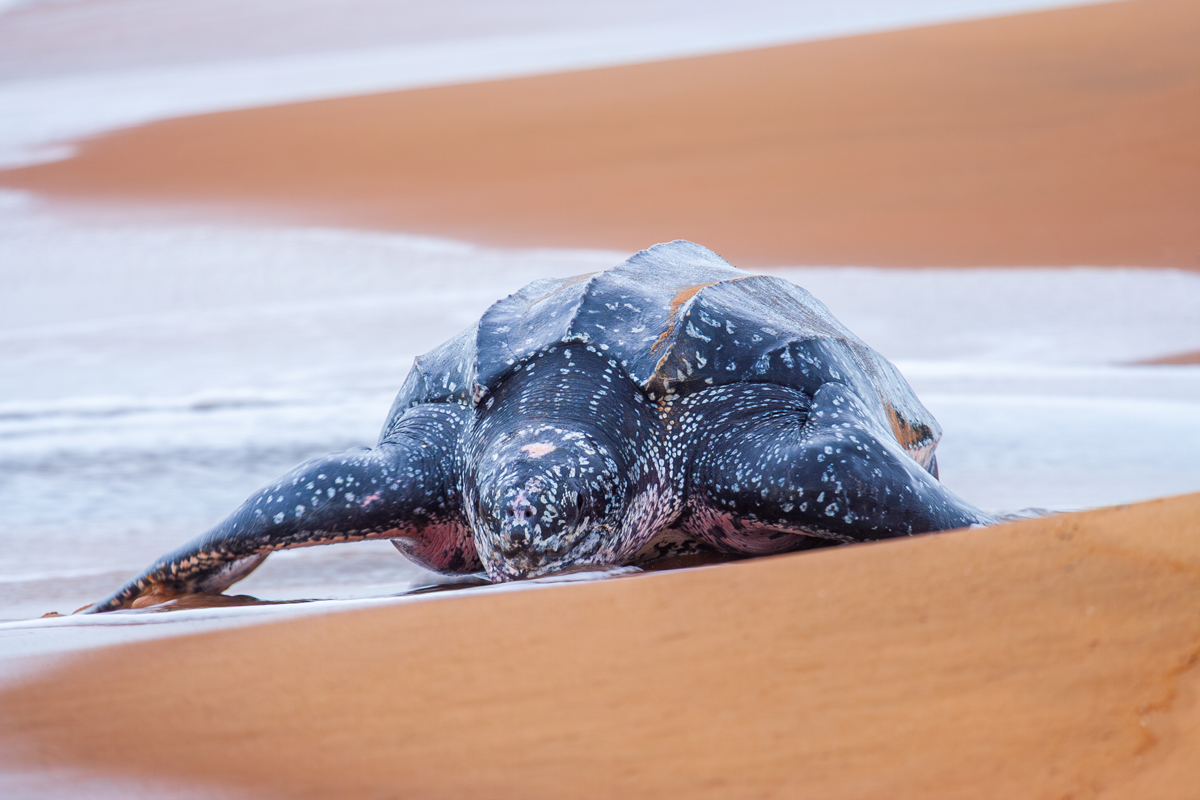
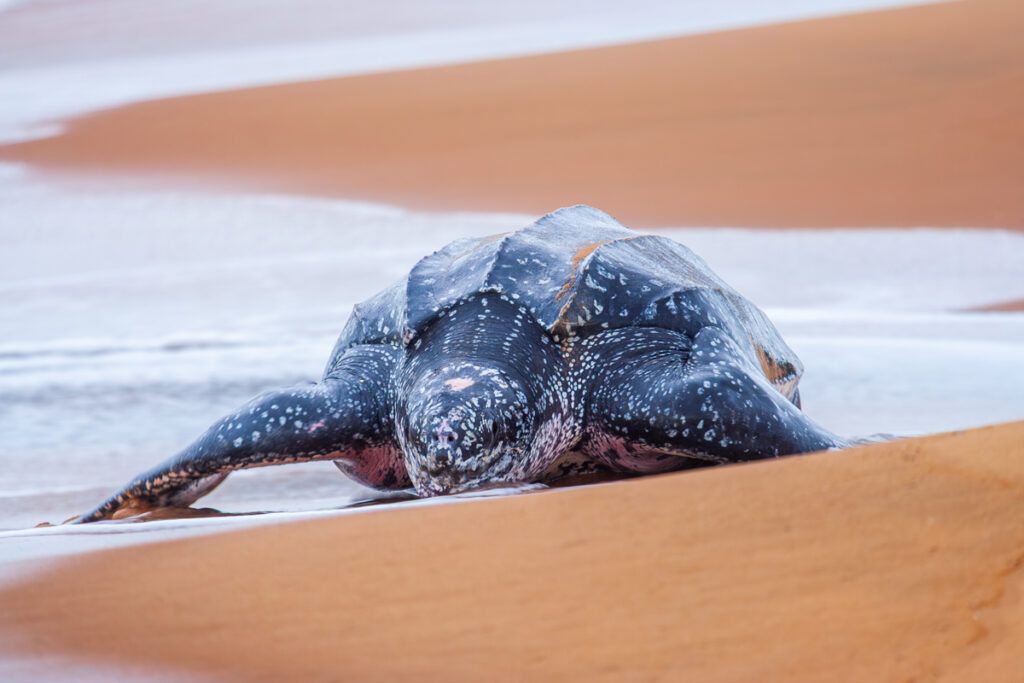
Leatherback sea turtles have one of the strangest diets among marine animals; they survive largely on jellyfish and other soft-bodied ocean creatures. Jellyfish may seem like a poor food choice since they are mostly water and provide relatively little energy, but leatherbacks have evolved specialized adaptations that allow them to make the most of this slippery meal.
They’re also resistant to jellyfish stings, thanks in part to the thick, protective tissue and pointed spines lining their mouths and throats. The spines help guide jellyfish down while preventing them from escaping, and the protective tissue helps shield the turtle from the prey’s stinging cells.
Leatherbacks also have a unique ability to maintain their body temperature in cold ocean waters, allowing them to hunt jellyfish in places where many other reptiles cannot survive. Their enormous size — they are the largest sea turtles in the world — allows them to store energy for long migrations into jellyfish-rich waters. By making the most of a food source that many predators pass by, leatherbacks have turned an unlikely meal into an evolutionary advantage.
Vampire Bats
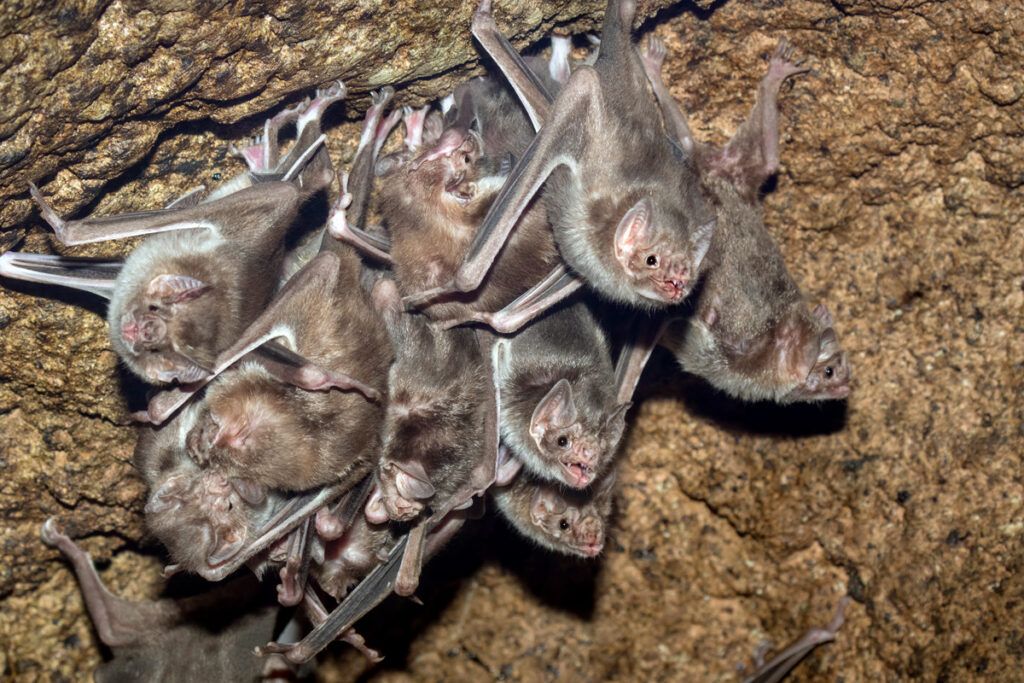
The vampire bat has one of the most famous extreme diets in the animal kingdom. Unlike most bats, which eat insects, fruit, or nectar, vampire bats feed only on blood. Their unusual diet, known as hematophagy, requires some equally unusual adaptations. Vampire bats have razor-sharp teeth that create tiny cuts in their prey, and their saliva contains compounds that keep blood flowing while they feed.
They are also very social animals. Vampire bats that find a meal may share blood with hungry members of their group, especially those that may need extra assistance. A successful hunter can regurgitate some of its meal to help another bat survive. Although their diet sounds frightening, vampire bats typically feed on livestock and birds and usually take only small amounts of blood.
Pandas
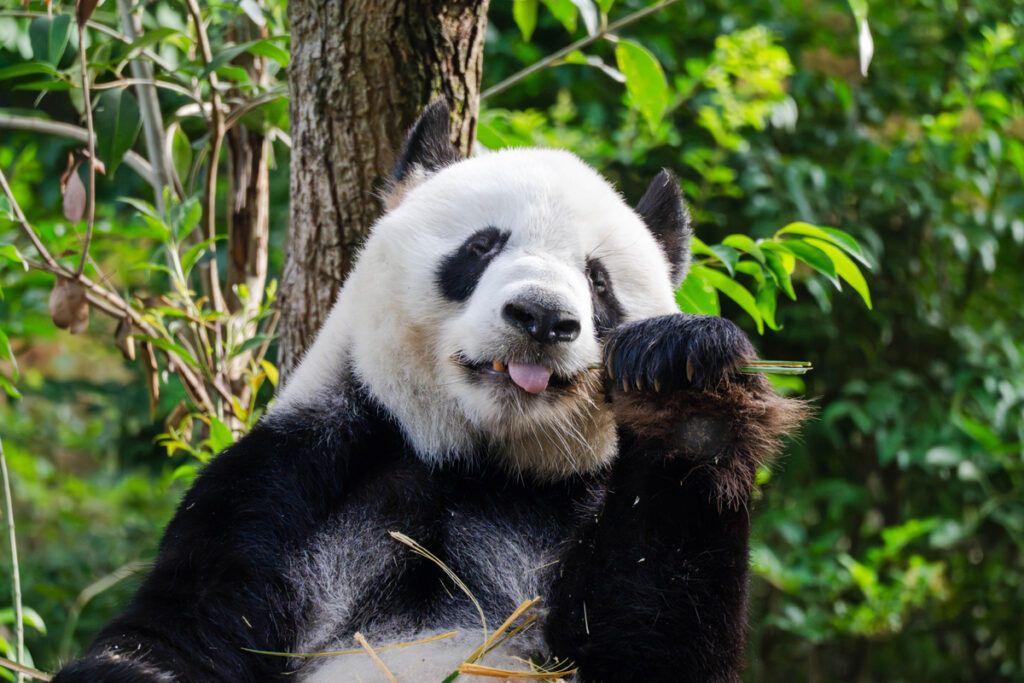
Giant pandas belong to the same mammalian group as lions, wolves, and other meat-eaters — yet bamboo makes up nearly all of what they eat. The switch to a vegetarian diet occurred over 2 million years ago as pandas adapted to rely heavily on bamboo, a plant that is abundant in their mountain habitats but low in nutrients.
To survive on such a challenging food source, pandas spend much of their day eating, consuming large quantities of bamboo and using their powerful jaws and specialized teeth to break down the tough plant material. They also have a modified wrist bone that acts like an extra thumb, helping them grip bamboo stalks. Although their digestive system still resembles that of a carnivore, their lifestyle has transformed them into one of the world’s most famous plant-eating mammals.