5 Bizarre Survival Tactics in the Animal Kingdom

The fight, flight, or freeze response is a survival mechanism found in animals of all shapes and sizes. But while evolution has standardized those three threat responses across most living creatures, it’s also seemingly added a fourth option: Do the weirdest thing possible.
When it comes to staying alive, some animals have skipped past sensible options such as running away, fighting back, or playing dead in favor of strategies that seem too outlandish to even be real. Here are five of the most downright peculiar defense mechanisms found anywhere in the animal kingdom.
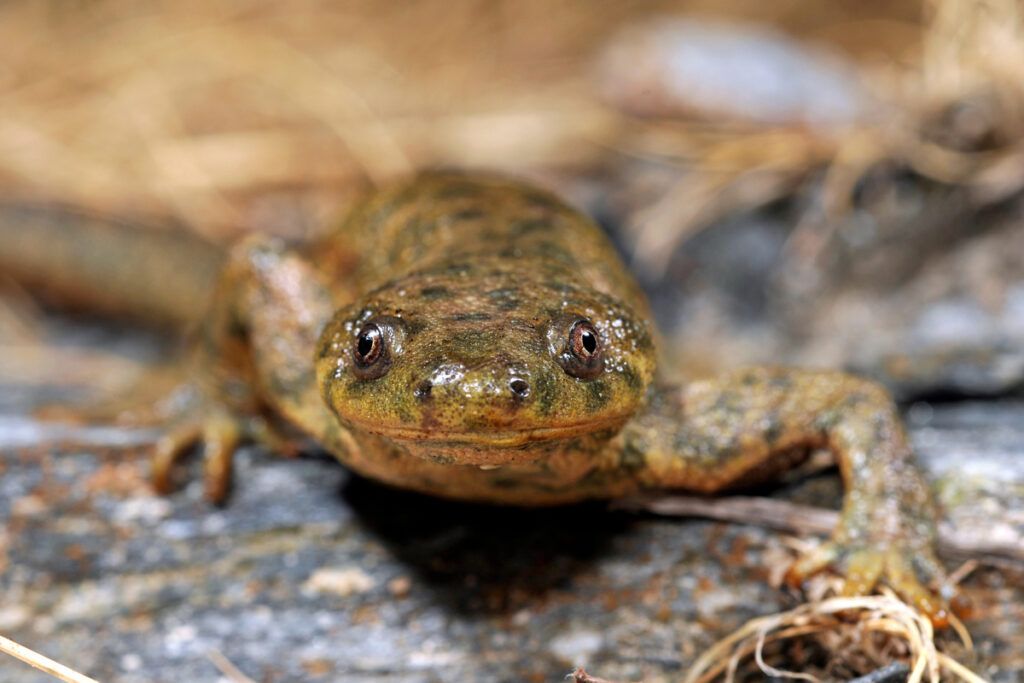
Iberian Ribbed Newts Pierce Their Own Skin With Venomous Ribs
The Iberian ribbed newt is nothing if not committed when it comes to defense. When threatened, it flattens its body, arches its back, and thrusts its ribs forward so they’re perpendicular to its spine.
The pointed tips of its ribs puncture straight through its own skin, exiting through a row of orange-marked spots along its sides. As the ribs emerge, they pass through poison glands, becoming coated in toxic secretions. This transforms the ribs into venomous barbs capable of injuring or even killing anything that gets too close.
This may seem like an unnecessarily gruesome and self-defeating act, but the newts have regenerative powers not unlike those of the X-Men character Wolverine. Once the danger passes, the ribs retract and the torn skin heals — without infection — within days, ready to be used again.
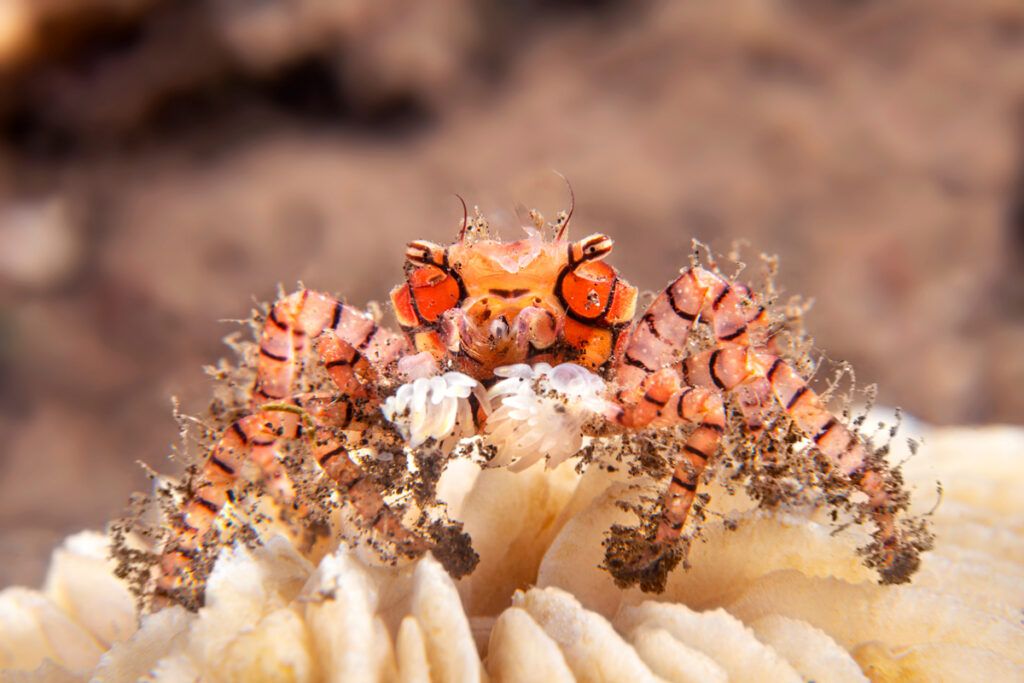
Boxer Crabs Use Sea Anemones as Boxing Gloves
Tiny boxer crabs, also known as pom-pom crabs, carry their weapons rather than growing them — and their “weapons” are other living creatures. In each of its front claws, the crab holds a small, venomous sea anemone, which it waves at threats in a punching motion. This pair of living boxing gloves serves as a potent deterrent, as the anemones are covered in stinging tentacles.
Being carried around by an apprehensive crab may not sound fun for the anemones, but in exchange for becoming ready-made weaponry, the crab feeds its anemones scraps of food, creating a mutually beneficial — if highly unconventional — arrangement. If the crab ever loses one of its anemones, it simply splits its remaining one in half (presumably not part of the original agreement), which then regenerates into two clones, ensuring the pugilistic crab is never left without a matching set.
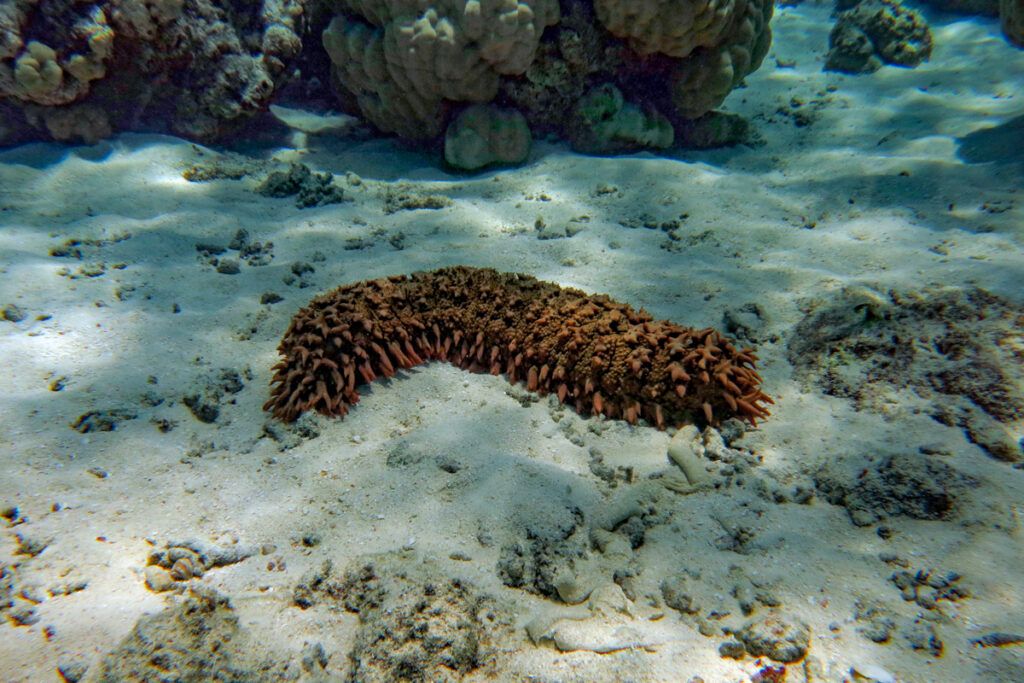
Sea Cucumbers Shoot Their Internal Organs Out of Their Butts
Of all the ocean’s creatures, the sea cucumber has arguably one of the most passive-sounding names. And yet, it possesses one of the most extreme defensive mechanisms in all of nature.
When threatened, some species of sea cucumber respond by blasting their own internal organs through their anus. Yes, you read that correctly. Using powerful muscle contractions, the sea cucumber expels sticky, threadlike structures called Cuvierian tubules out of its rear end — an act known as evisceration — entangling and immobilizing approaching predators. Remarkably, this isn’t fatal: The sea cucumber is able to fully regenerate the lost organs within a few weeks.
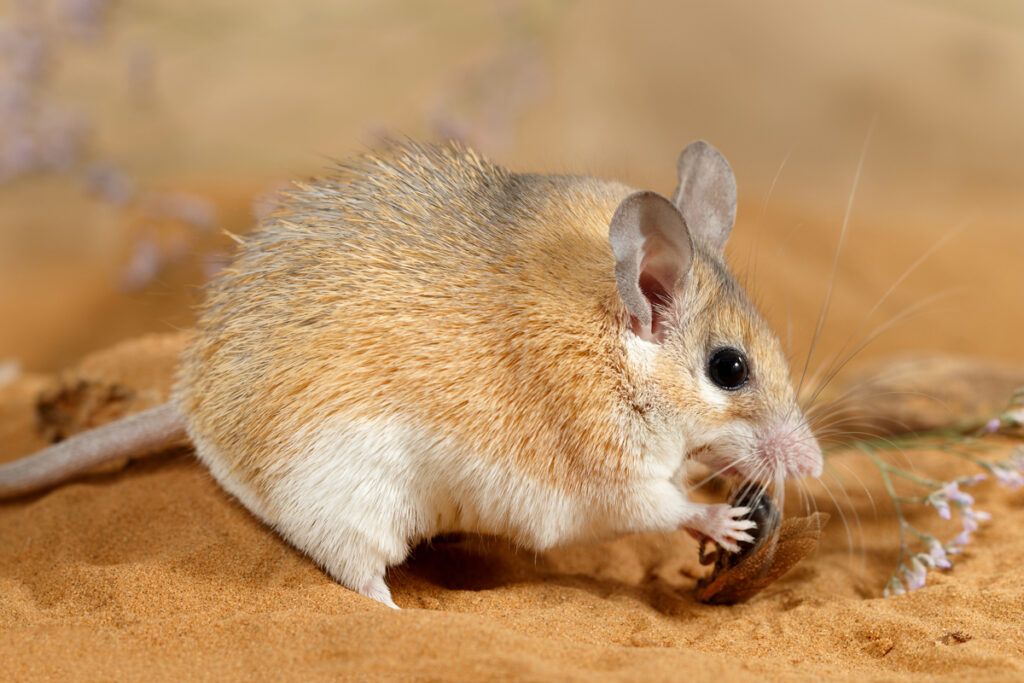
African Spiny Mice Shed Their Skin To Escape
“Jumping out of one’s skin” is an age-old expression for being suddenly surprised or frightened. Normally, this is metaphorical — but the African spiny mouse has taken it very literally indeed.
Rather than fighting or fleeing, the mouse escapes predators by jettisoning its own skin. Its skin is unusually fragile and tears away almost instantly under a predator’s grip, allowing the mouse to wriggle free while the attacker is left holding nothing but a patch of fur. But perhaps the most remarkable part is what happens next: Unlike most mammals, which would scar permanently, the African spiny mouse can regrow its lost skin, along with hair follicles, cartilage, and even some muscle tissue, essentially healing itself as though the injury never happened.
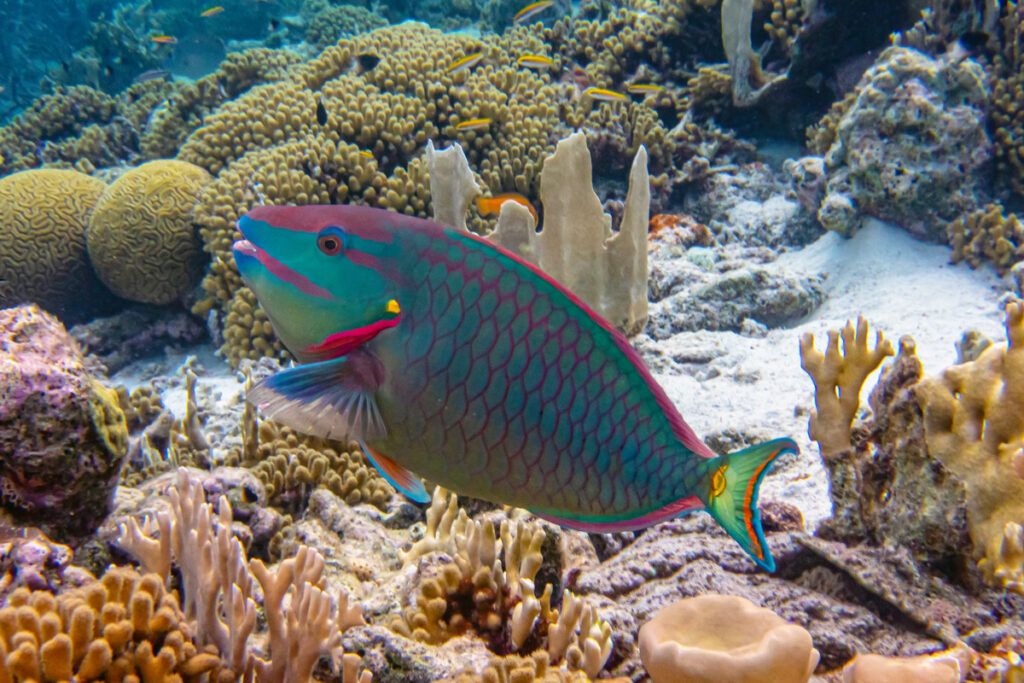
Queen Parrotfish Encase Themselves in Mucus Bubbles
Every night, the queen parrotfish settles into a reef crevice and surrounds itself in a kind of force field. By secreting mucus from glands near its gills, the fish gradually inflates a translucent bubble around its entire body.
This protective cocoon of slime serves multiple defensive purposes: It physically blocks blood-sucking parasites, it contains antibiotics that kill potentially harmful pathogens, and it seals in the fish’s scent, making it harder for predators to sniff out its presence. And if some unseen threat bursts the bubble while the parrotfish sleeps, the fish immediately wakes up and takes evasive action. It may be slimy, but it’s a highly impressive, all-in-one home-defense system.