Can Animals Get Allergies?


Millions of people sneeze, itch, or develop watery eyes around animals. In fact, an estimated 10% to 20% of the world’s population experience allergies to cats and dogs, while many also react to allergens produced by other animals including rabbits, rodents, and horses. It isn’t the animal’s fur itself that usually causes the problem; allergens are proteins found in substances such as dander, saliva, and urine, which can hitch a ride on fur and become airborne.
But humans aren’t the only ones who can experience allergies. Animals have immune systems, too, and they can overreact to substances that are harmless to most other animals. So while you might blame your cat for your itchy eyes and sneezing, Fluffy may be experiencing allergies of her own.

Pets Are More Prone to Allergies Than Other Animals
Household pets seem to be more prone to allergies than farm or wild animals, although it’s not entirely clear why. One possibility is that pets live in relatively clean, controlled environments and are therefore less exposed to the microbes and parasites that wild animals encounter regularly. This may influence how their immune systems develop and respond to harmless substances, although scientists are still investigating the connection.
Most recognized allergies in pets fall into three categories: environmental, flea, and food allergies. Environmental allergies can be caused by pollen, mold spores, and dust mites. They may be seasonal, although some animals experience symptoms year-round.
In dogs and cats, these allergies most commonly cause itchy, inflamed skin rather than the sneezing and watery eyes humans experience. An allergic pet may scratch, lick, chew, or rub its skin so frequently that it develops hair loss, sores, or secondary skin infections.
Flea allergies are another common problem, particularly in dogs and cats. In this case, the animal isn’t simply reacting to a flea bite; its immune system is responding to the proteins in flea saliva. Even a small number of bites can cause intense itching in a sensitive animal.
Dogs and cats can also develop immune reactions to proteins in foods such as beef, dairy, chicken, or fish, although virtually any food protein can be a culprit. Food allergies can cause skin problems as well as vomiting, diarrhea, and other gastrointestinal symptoms. Veterinarians typically diagnose them through a strict elimination diet followed by carefully reintroducing foods to see whether symptoms return.
Such allergies are relatively uncommon, however. One review found them in just about 1%–2% of dogs and fewer than 1% of cats receiving any type of veterinary care. Among animals being seen specifically for skin disease or itching, however, the numbers are much higher — up to 40% in dogs and 21% in cats.

Can Your Pet Be Allergic to You?
Pets can be allergic to plenty of things found in their homes, including pollen and dust brought in on clothing as well as soaps, lotions, perfumes, and other household products. But it’s also possible that some pets may be allergic to human dander. Dogs and cats are constantly exposed to flakes of human skin, and the proteins in that dander could trigger an immune response in sensitive pets.
The problem is figuring out whether a pet is reacting to its human or something on its human. Allergy testing can help narrow down the offending substance: During an intradermal test, a veterinarian injects small amounts of suspected allergens, including human dander, into the skin and looks for a reaction. But pets aren’t routinely tested for every possible allergen, and environmental allergy testing is generally performed after other potential causes of itching have already been ruled out.
As more dogs and cats are tested for environmental allergies, veterinarians are getting a clearer picture of human dander as a potential trigger — which means it’s certainly possible your beloved furry friend may be allergic to you too.
Other Animals Can Experience Immune Reactions
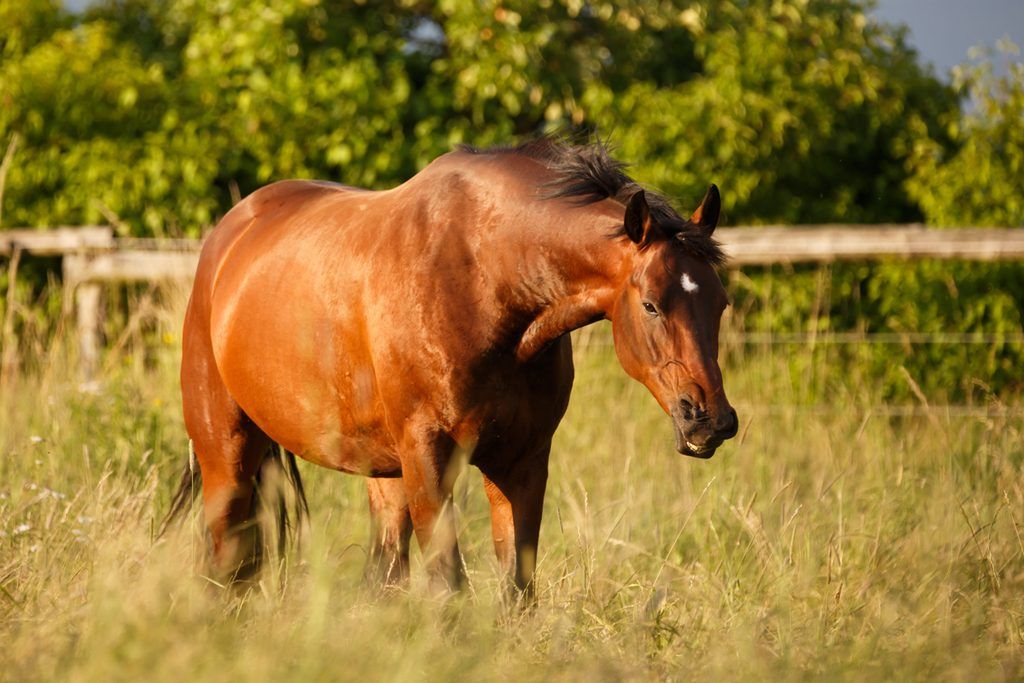
Farm animals can experience allergic and hypersensitivity reactions, but they don’t necessarily develop the same chronic allergies seen in household pets. Horses are the most common example: They can develop respiratory conditions triggered by dust, mold, and other particles in hay and stable environments, as well as allergic skin reactions to biting insects. Similar reactions to parasites, insects, plants, and other environmental substances have been documented in cattle, sheep, pigs, and other livestock.
Allergic reactions have also been documented in captive wild animals, although they’re much less understood. Zoo veterinarians have diagnosed allergic skin diseases in species including Sumatran tigers, Asian elephants, and even polar bears, using allergy testing and — in some cases —successfully treating the animals with immunotherapy.
What we don’t know is how common allergies are among wild animals overall. Free-ranging animals aren’t routinely examined the way zoo animals are, and skin problems can have many possible causes, including parasites and infections. So while we know wild animals can experience allergies, there’s no way of knowing how frequently it occurs in the wild.