Can Parrots Actually Talk or Just Mimic Sounds?
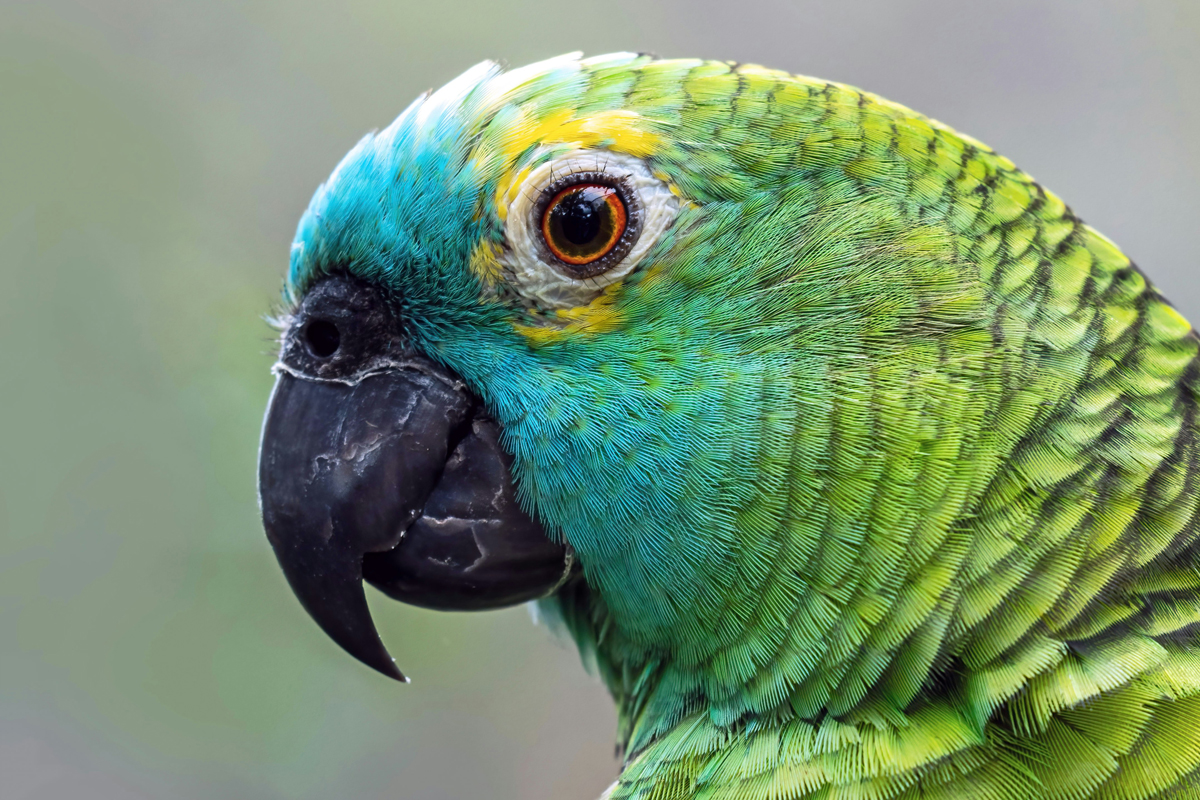

A parrot saying “hello” can sound remarkably human, especially when it delivers the word in the right context. Some birds build impressive vocabularies, imitate individual voices, and seem to know when to use a particular word or phrase. But are those birds actually talking, or are they simply copying sounds they’ve heard?
The answer is more complicated than either possibility suggests. Parrots are exceptional vocal mimics, but mimicry is only one part of their communication skill set. They also use sounds to communicate with one another, continue to learn new vocalizations throughout their lives, and, in some cases, they can learn to use human words in meaningful ways.
Parrots Are Vocal Learners
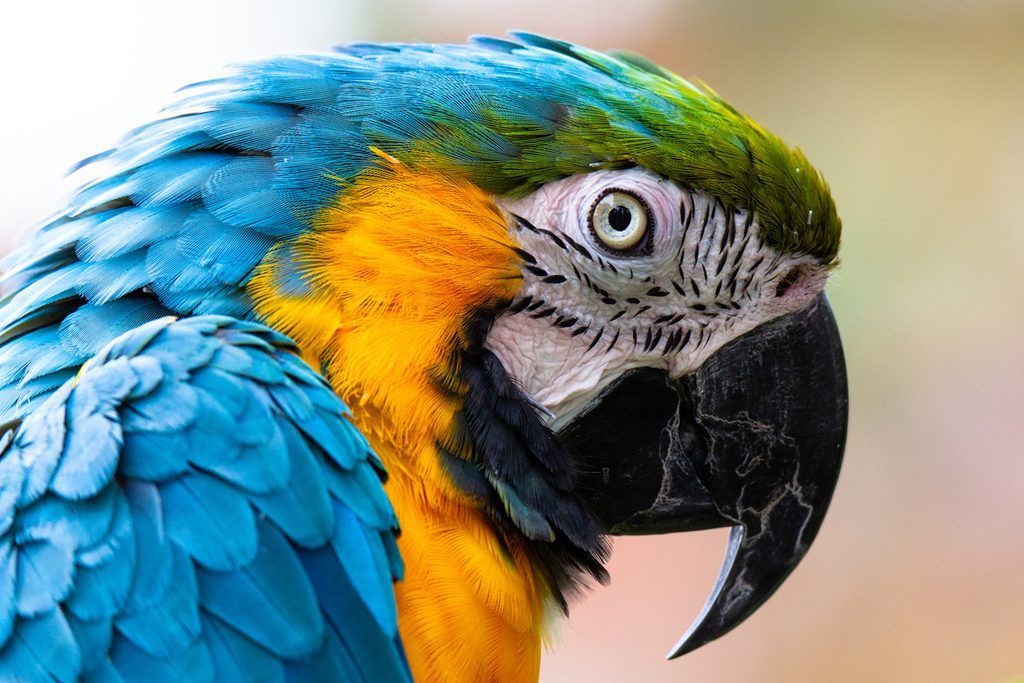
Unlike humans, parrots don’t have vocal cords. Instead, they produce sounds with an organ called the syrinx, located where the windpipe divides into the lungs. Muscles surrounding the syrinx allow parrots to control their vocalizations with remarkable precision. Their tongues also play an important role in shaping sounds, which helps them reproduce some of the sounds they hear from humans.
But the real trick is their ability to learn new sounds: Parrots are vocal learners, meaning they can hear a sound, remember it and modify their own vocalizations to reproduce it — an ability that’s relatively rare among animals. Parrots can continue learning new vocalizations throughout their lives, rather than being limited to a set of sounds they acquire when they’re young.
Why Do Parrots Mimic People?
In the wild, parrots don’t have any particular reason to imitate humans. They use vocalizations to communicate with other parrots, including calls that help members of a flock stay in contact.
Some parrots even develop individual contact calls that function somewhat like names. Research on wild green-rumped parrotlets found that young birds learned their signature contact calls from their parents, rather than producing them entirely through genetic programming.
That social learning helps explain why a pet parrot may become such an enthusiastic mimic. To a parrot, the humans in its household are its social group. Repeating the sounds those companions make can be a way of participating in the group’s vocal activity. In other words, your parrot isn’t necessarily sitting around trying to learn English; it’s doing something parrots are naturally inclined to do to learn the sounds of the social world around them.
Do They Know What They’re Saying?
A parrot repeating “hello” when someone walks into the room may have learned that the word is associated with greetings and attention. But a parrot that repeats “hello” randomly throughout the day may simply have learned that humans react when it makes that sound. The same vocalization can therefore be imitation in one context and a meaningful signal in another.
Some parrots have demonstrated a much more sophisticated ability to use learned human words, however. One of the best-known examples is Alex, an African grey parrot studied by researcher Irene Pepperberg for more than 30 years.
Alex learned labels for colors, shapes, and objects and could use some of those labels to answer questions and request things. His abilities became the subject of decades of research into animal cognition and communication.
Researchers have been careful to distinguish between parrots learning words and humans possessing language with its complex grammar and abstract structure. But birds such as Alex provide evidence that at least some parrots can associate vocal labels with objects and concepts and use those labels in flexible ways.
Parrots Keep Adding to Their Vocal Repertoire
A parrot’s imitation of human speech gets most of the attention, but parrots don’t need to copy us to put their vocal abilities to work. In the wild, they used learned calls to communicate with other parrots and coordinate social interactions. Studies of budgerigars have found that birds living together develop similar contact calls while retaining individually distinctive vocal signatures that distinguish one bird from another.
That flexibility helps explain why parrots are such accomplished mimics. Unlike many birds that learn their vocalizations during a limited developmental period, parrots are open-ended vocal learners that can continue learning and modifying sounds throughout their lives.
Their brains contain specialized neural mechanisms involved in vocal learning and production, allowing their repertoires to change along with their social surroundings. To mimic human words, parrots simply tap into the vocal-learning ability they already use to communicate with each other.