6 Clever Ways Animals Stay Cool

When temperatures rise, animals can’t simply turn on a fan or relax in an air-conditioned dwelling to get relief. Instead, they’ve evolved some ingenious ways to reduce their body heat, from sweating foam and blowing mucus bubbles to using their own waste as a natural coolant.
These unusual adaptations help animals survive in some of the planet’s hottest environments. Here are six clever ways animals have to keep cool.
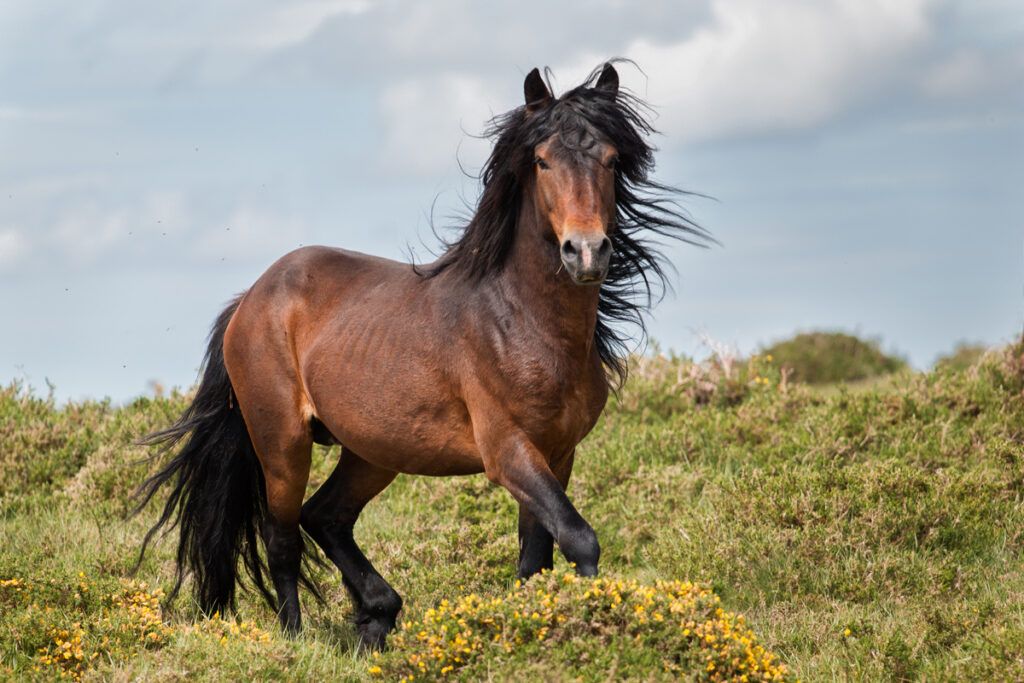
Horses Sweat Foam
Humans aren’t the only animals that rely on sweat to beat the heat, but horses have one unusual advantage: Their sweat contains a protein called latherin, which acts like a detergent to move sweat from the skin to the coat for quicker cooling. The latherin causes their sweat to foam, especially in areas of increased contact such as where two body parts rub together.
Getting the sweat to the surface faster means it can evaporate more quickly and accelerate cooling. Unlike many mammals, horses can sweat heavily when working hard, losing up to 15 liters of fluid in an hour. Although it may sound excessive, that’s what allows horses to maintain their temperature even while running.
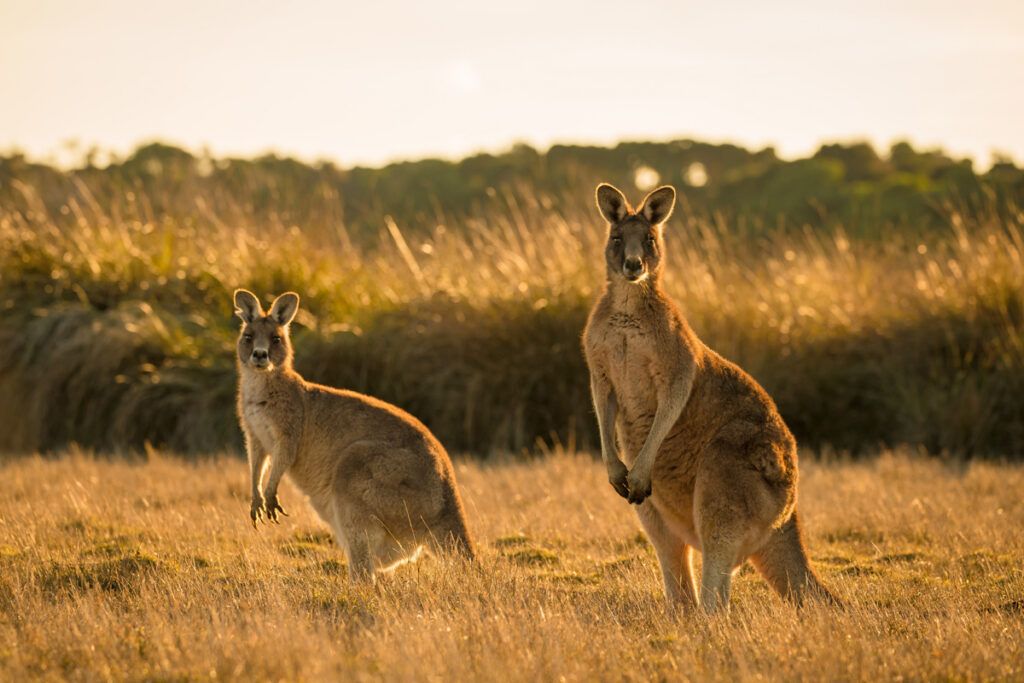
Kangaroos Lick Their Arms
If you happen to see a kangaroo repeatedly licking its arms, it may appear like ordinary animal grooming — but it’s actually how these marsupials beat the heat. Kangaroos cool themselves by spreading saliva across their forearms; without sweat glands, they rely on a dense network of blood vessels that sits close to the skin. As the moisture from the saliva evaporates, it lowers the temperature of the blood flowing through those vessels that lie beneath the surface.
Of course, kangaroos find other ways to survive Australia’s hot, and often arid, environments. During the hottest parts of the day, they rest in the shade when they can find it and restrict most activity to dawn and dusk. In desert regions, red kangaroos may even dig shallow holes to access cooler soil or pockets of moisture below the dirt.
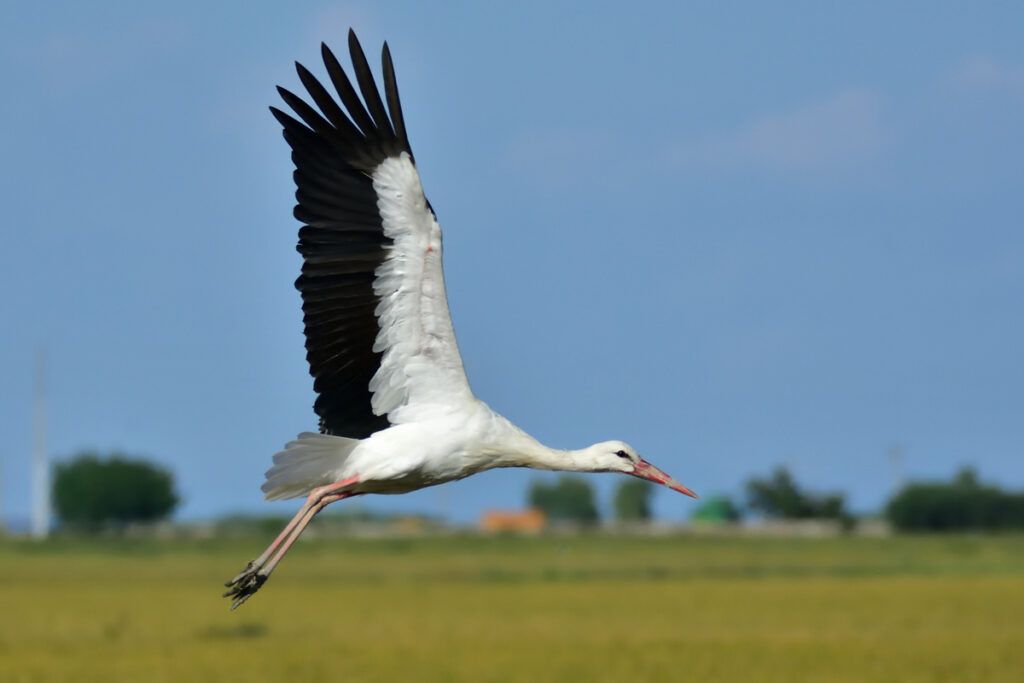
Storks Use Their Own Waste
Storks have one of the strangest cooling strategies in the animal kingdom: They defecate on their own legs, a technique known as urohidrosis. Storks have long, bare legs with lots of blood vessels close to the skin. As the mixture of urine and fecal matter evaporates, it cools the blood circulating through these vessels before it returns to the rest of the body.
Other long-legged birds, including herons and vultures, use similar strategies. This behavior also explains why species such as the marabou storks’ legs often appear white: The dried residue left behind by repeated cooling attempts makes their dark skin chalky.
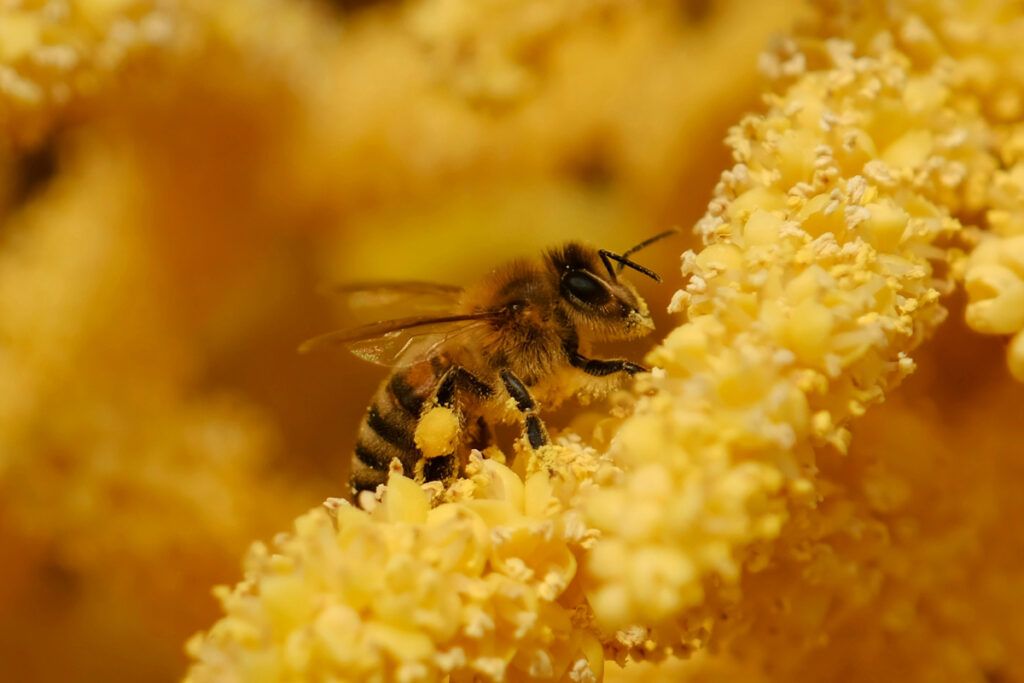
Bees Air-Condition Their Hives
Honeybees have a cooling system that resembles air conditioning — only the workers themselves are the machinery. When temperatures climb and a hive gets too warm, some of the bees position themselves at the hive’s entrance and rapidly fan their wings, bringing cooler air in and moving heat out.
Other workers collect water and spread droplets throughout the hive. As the water evaporates, it lowers the temperature inside the colony. Maintaining the hive temperature isn’t just for the queen’s comfort: Developing larvae are extremely sensitive to temperature changes.
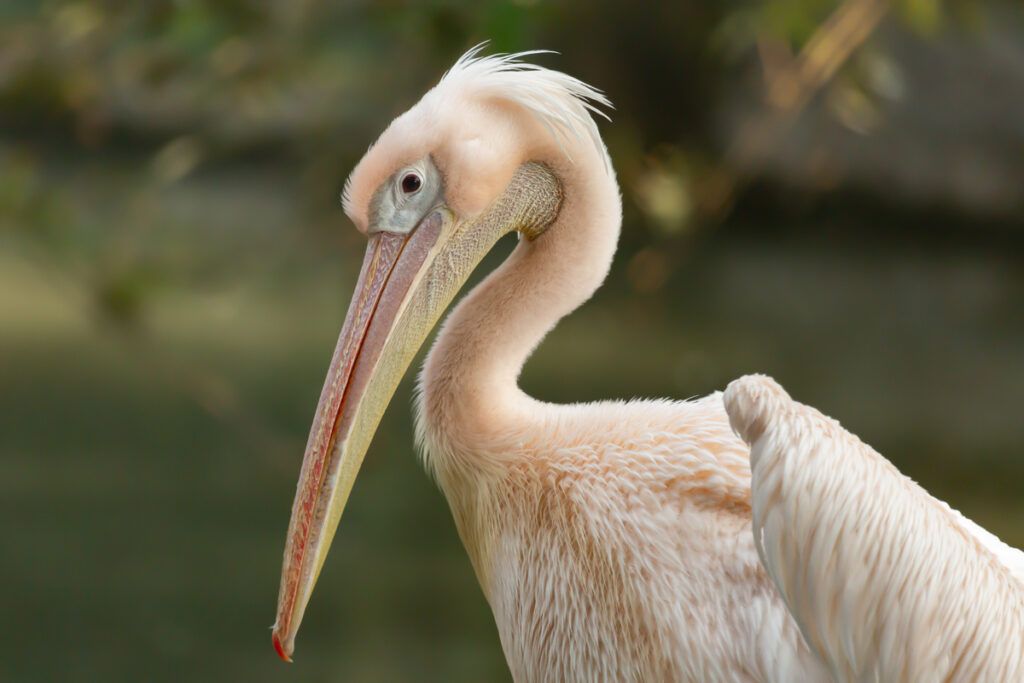
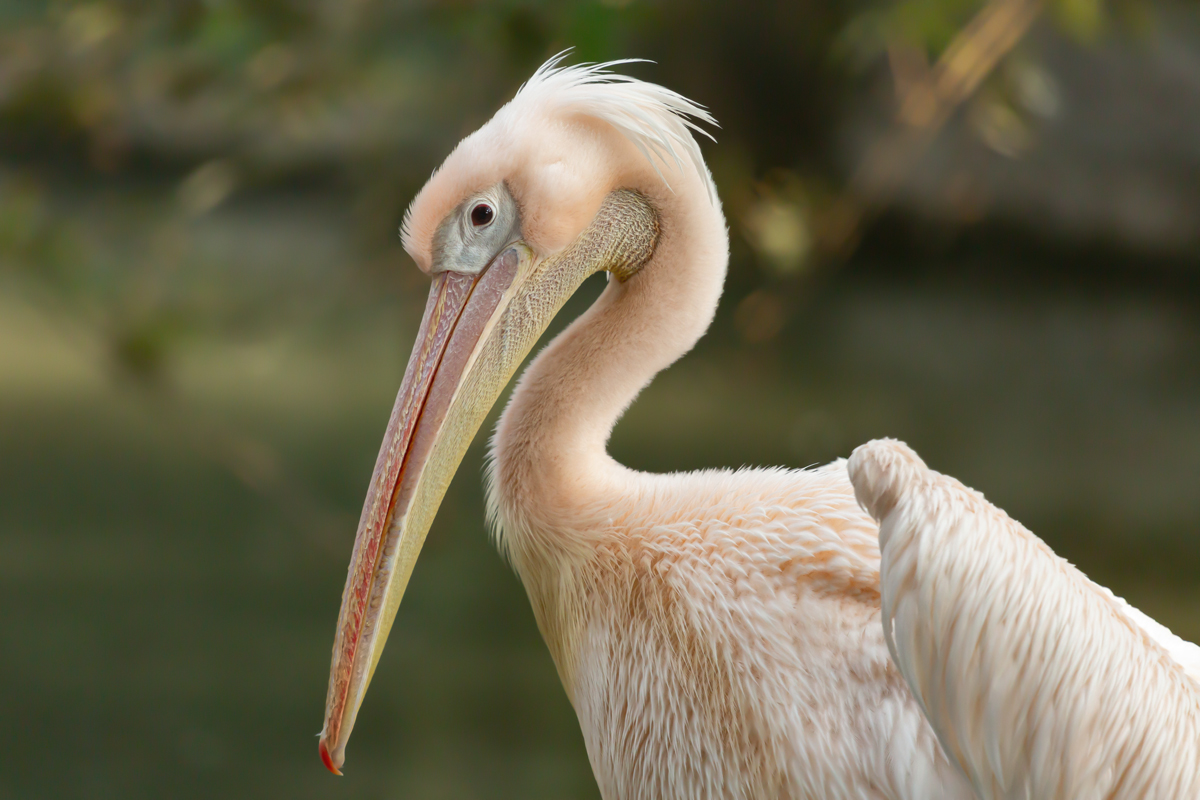
Pelicans Use Gular Fluttering
Without sweat glands, some birds rely on a technique known as gular fluttering. Pelicans and other birds partially open their beaks while they rapidly move the thin membranes in the floor of their mouth, throat, and upper airway, increasing airflow across those moist tissues. As that moisture evaporates, it removes heat from the body.
If you’ve seen a bird do this, you may have thought it was panting. But instead of involving the whole respiratory system, gular fluttering focuses specifically on the throat area. Because birds put high pressure on their metabolism while flying and are covered in insulating feathers, having efficient ways to cool down is crucial.
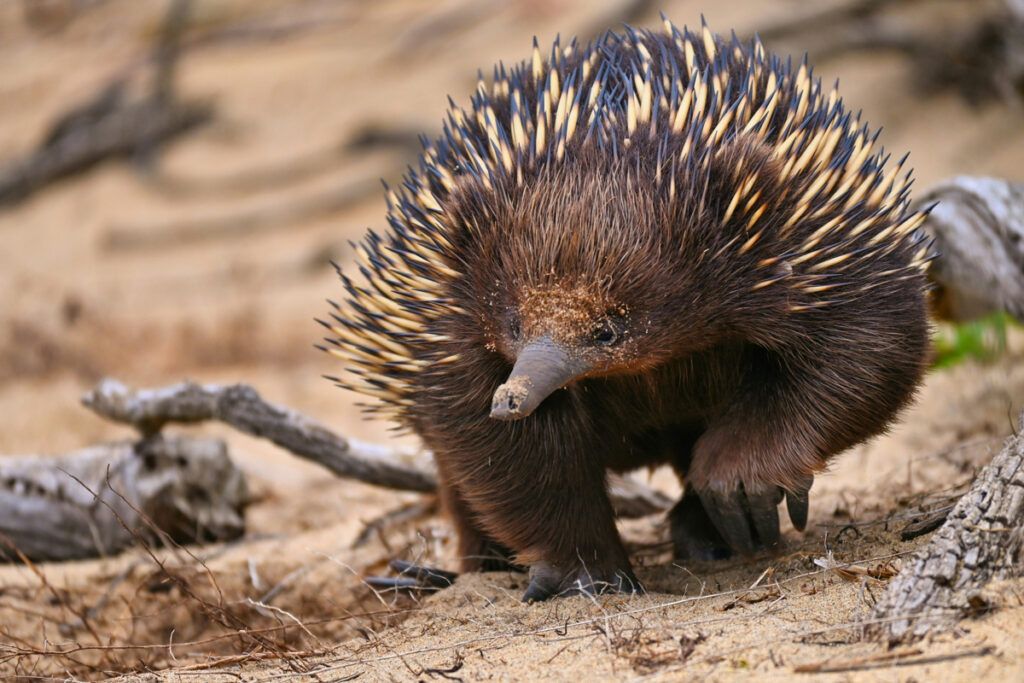
Echidnas Blow Snot Bubbles
The short-beaked echidna has a strange — but very effective — way of cooling down: It blows bubbles of mucus from its nose. When temperatures rise, echidnas, also known as spiny anteaters, generate a thin layer of mucus around the tip of their snouts. As that moisture evaporates, it cools the blood flowing through the many vessels in the echidnas’ beaks.
The cooled blood then circulates back through the body, helping lower the animals’ overall temperature. This adaptation is especially useful because echidnas, which call the toasty environments of Australia and New Guinea home, have a limited ability to sweat.