4 Animals That Used To Have Legs But Don’t Now

Evolution may seem like a story of add-ons and upgrades — ancient fish developing sturdy fins that eventually helped their descendants move onto land, for instance. But evolution doesn’t always work by adding something new; sometimes the most successful adaptation is subtraction.
Across millions of years, some animal lineages that started with legs have evolved to lose them. When limbs no longer provided an advantage, natural selection favored individuals that invested those resources elsewhere.
Because evolution happens gradually, animals often retain traces of the body parts their ancestors once had. In some cases, those clues to their past are hidden in their bones or even their DNA, offering a glimpse into how (and why) certain animals evolved to leave their legs behind.
Snakes
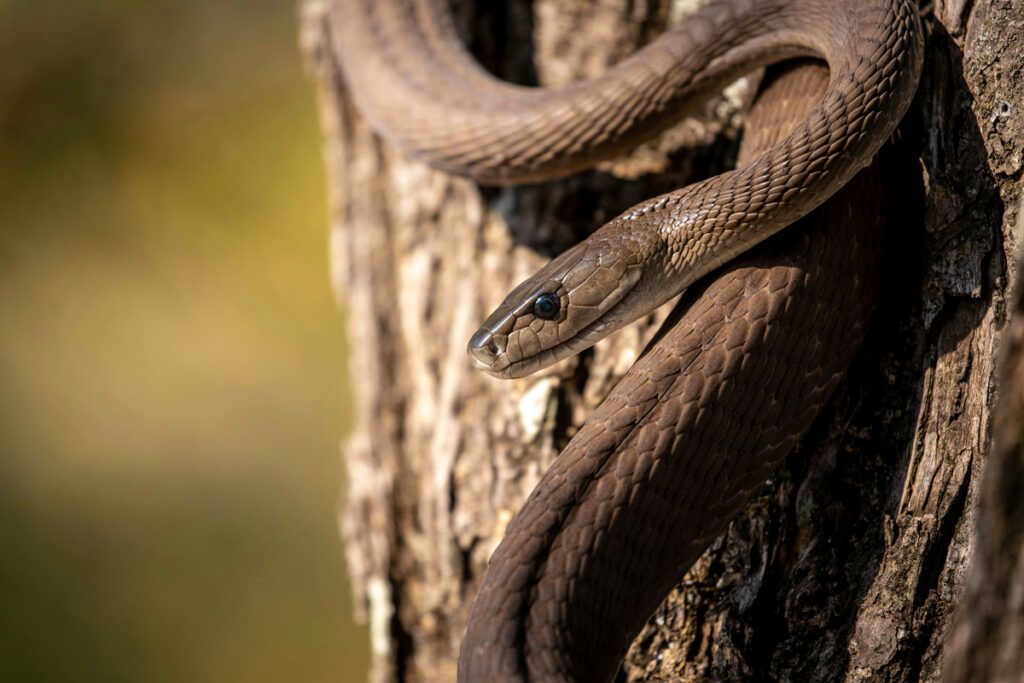
Snakes are perhaps the best-known example of leg loss, having evolved from four-legged, lizardlike ancestors during the Early Cretaceous period, roughly 100 to 150 million years ago. As some of those early reptiles adapted to life underground or in dense vegetation, longer bodies and smaller limbs offered an advantage. A flexible body could squeeze through burrows and tangled plants where legs became more of a hindrance than a help.
One of the biggest clues to this evolutionary transformation comes from a playfully named piece of DNA, the Sonic hedgehog (SHH) gene. Despite its amusing name borrowed from the video game character, the gene plays a critical role in embryo development, including telling limbs where and how to grow.
Snakes haven’t lost the SHH gene — they’ve lost the genetic “on switch” that tells it to keep building legs during early development. That genetic evidence matches what scientists have observed in the animals themselves. Boas and pythons still retain tiny pelvic bones and external spurs, vestiges of the hind limbs their ancestors once used.
Whales
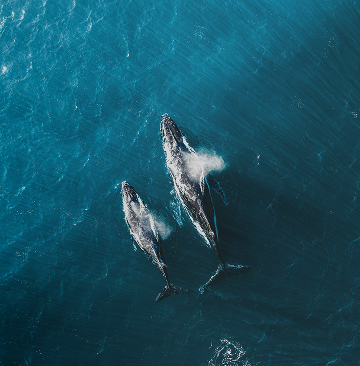
Today’s whales are well adapted to ocean life, but their ancestors once walked on land. Around 50 million years ago, early whale relatives resembled small, hoofed mammals that were part of the same broader group as today’s hippos. In fact, hippos are the closest living relatives of whales, sharing a common ancestor that lived millions of years ago.
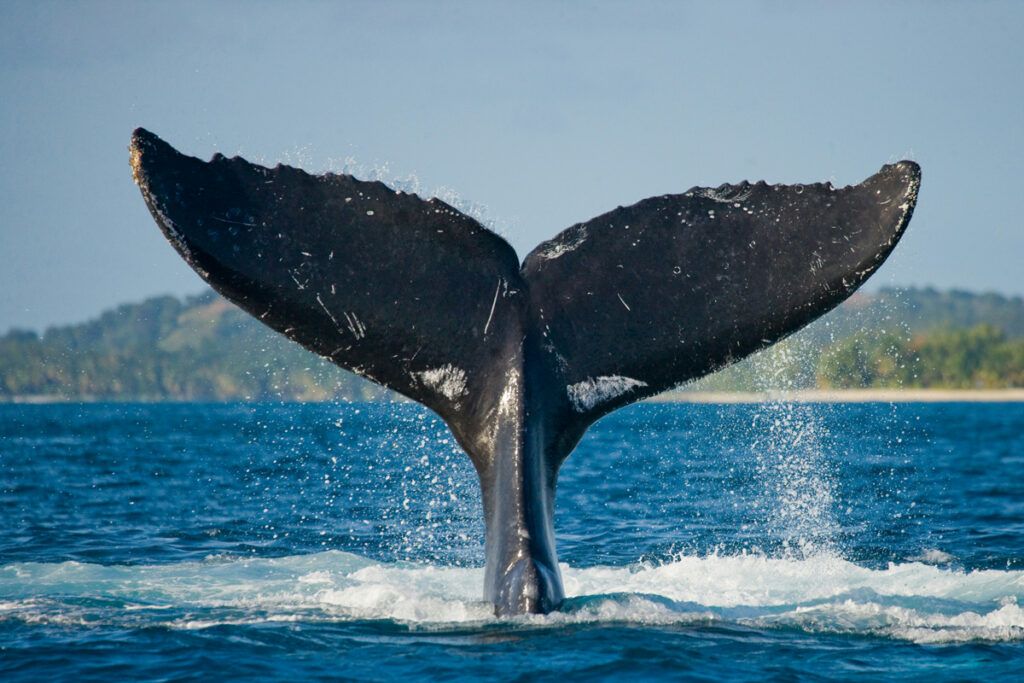
Fossils document the transition from land to sea, including Ambulocetus — whose name means “walking whale” — a semiaquatic species that could move on land while spending much of its time in the water. As swimming replaced walking, front legs evolved into flippers, powerful tails took over propulsion, and the hind legs gradually disappeared. The loss of external hind legs helped create the streamlined body shape that allows whales to move efficiently through the ocean and travel vast distances.
Modern whales still retain tiny pelvic bones — remnants of the pelvis that once supported their ancestors’ hind limbs. Although those bones no longer serve their original purpose, they’ve taken on new roles, including providing attachment points for muscles involved in reproduction.
Legless Lizards
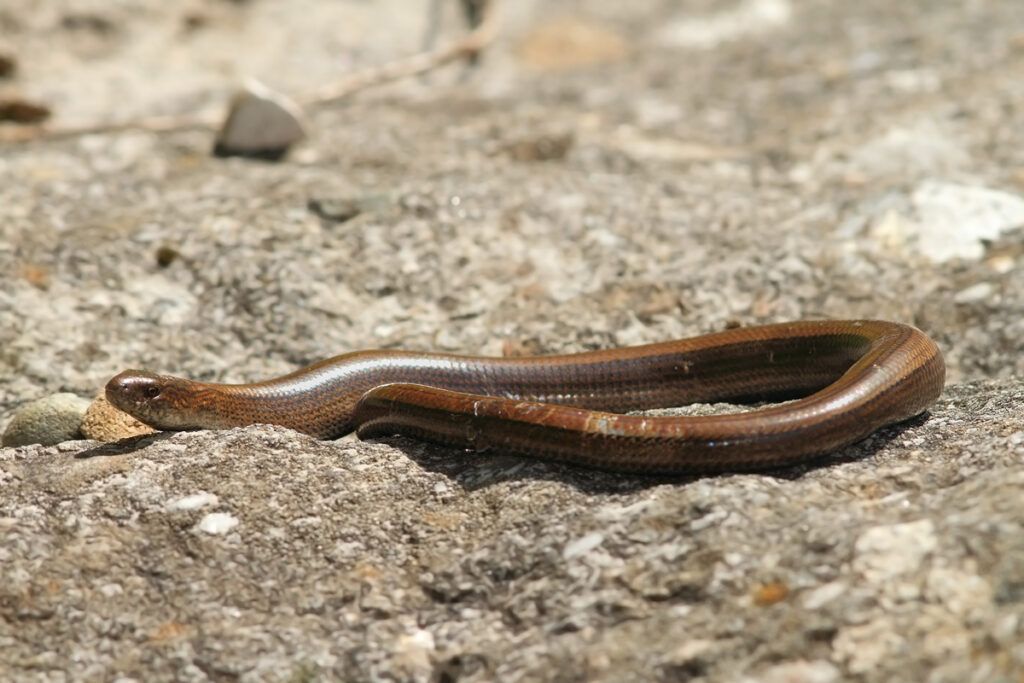
If you spot a long, legless reptile, don’t automatically assume it’s a snake. More than 200 species of lizards have independently evolved reduced or absent limbs, creating animals that can look almost identical to snakes at first glance. The California legless lizard and the European slow worm are two examples of lizards that have evolved snakelike bodies while remaining biologically distinct from true snakes.
But a closer look identifies several differences: Many legless lizards have movable eyelids, visible ear openings, and stiffer jaws than snakes, whose highly flexible skulls allow them to swallow surprisingly large prey. These reptiles are a classic example of convergent evolution — when unrelated groups arrive at similar anatomical solutions because they face similar environmental challenges. For some animals that need to move through sand, grass, or underground tunnels, a sleek, legless body simply works better.
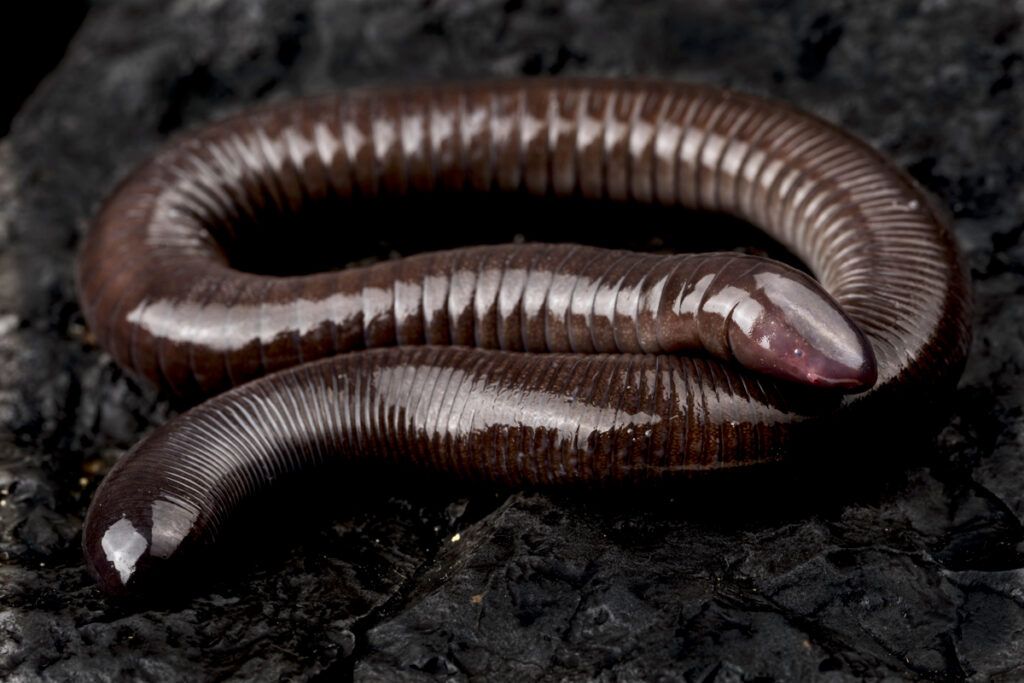
Caecilians
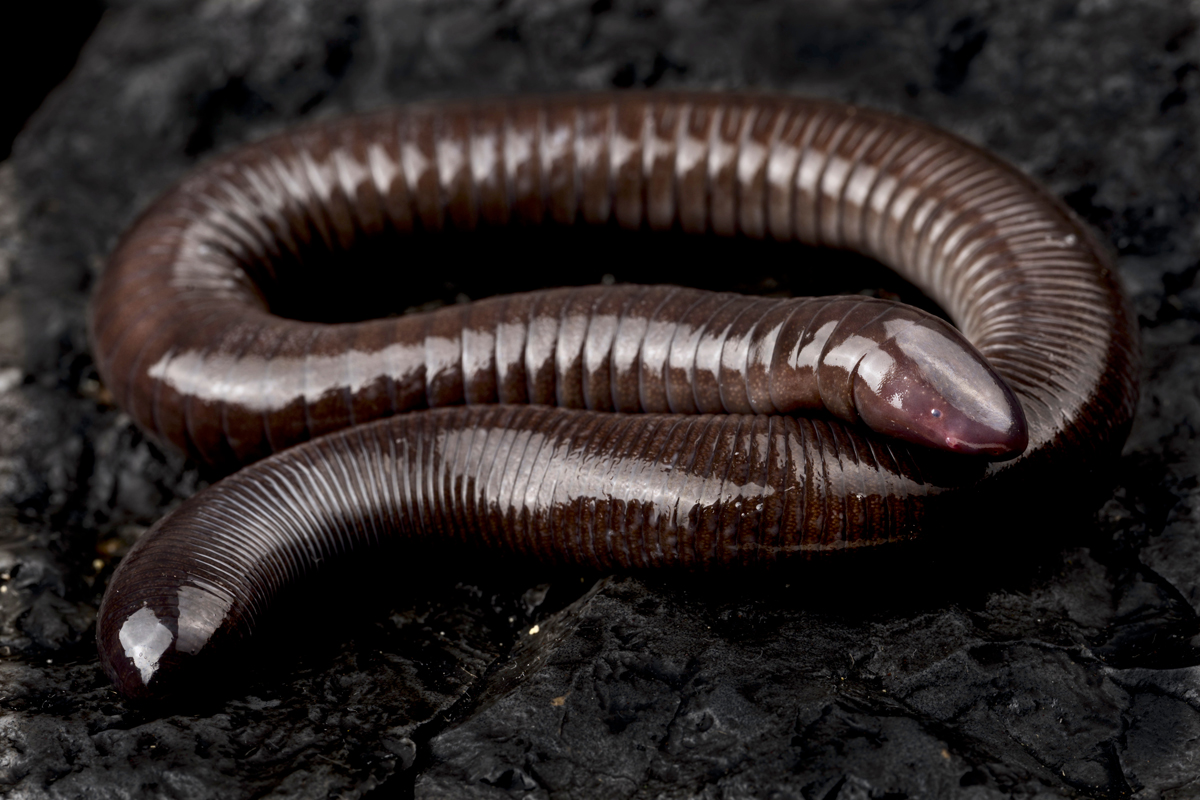
Among the oddest legless animals are caecilians (pronounced seh-SILL-yens), a group of more than 200 amphibian species that are more closely related to frogs and salamanders than to snakes. Their smooth, elongated bodies often make them look like oversized earthworms, but appearances can be deceiving.
Most caecilians spend their lives burrowing through damp soil or swimming in freshwater, where legs offer little advantage. Over millions of years, their limbs disappeared as their bodies became specialized for tunneling and navigating tight spaces.
Many species have very small eyes covered by skin, only allowing them to distinguish between light and dark — an adaptation to a primarily underground life spent sensing their surroundings through touch, smell, and vibrations. Caecilians are a good reminder that evolution doesn’t always progress toward greater complexity; sometimes survival means becoming simpler, stranger, and better suited to a very particular way of life.