The 5 Deadliest Hunters in the Bird Kingdom

If a dinosaur could look upon its avian descendants, it may feel a little disappointed. It would likely consider modern birds to be small, delicate-looking things that hardly deserve to be linked to mighty predators such as the Tyrannosaurus rex or Giganotosaurus. But even the most disdainful dinosaur might change its mind — and perhaps feel a twinge of pride — upon witnessing some of the avian realm’s most incredible hunters in action.
Birds of prey across the globe have evolved an astonishing range of specialized hunting techniques, proving that being an exceptional predator doesn’t require sheer bulk and massive teeth. Here are five birds that impressively answer the same basic evolutionary question: How do you catch something that doesn’t want to be caught?
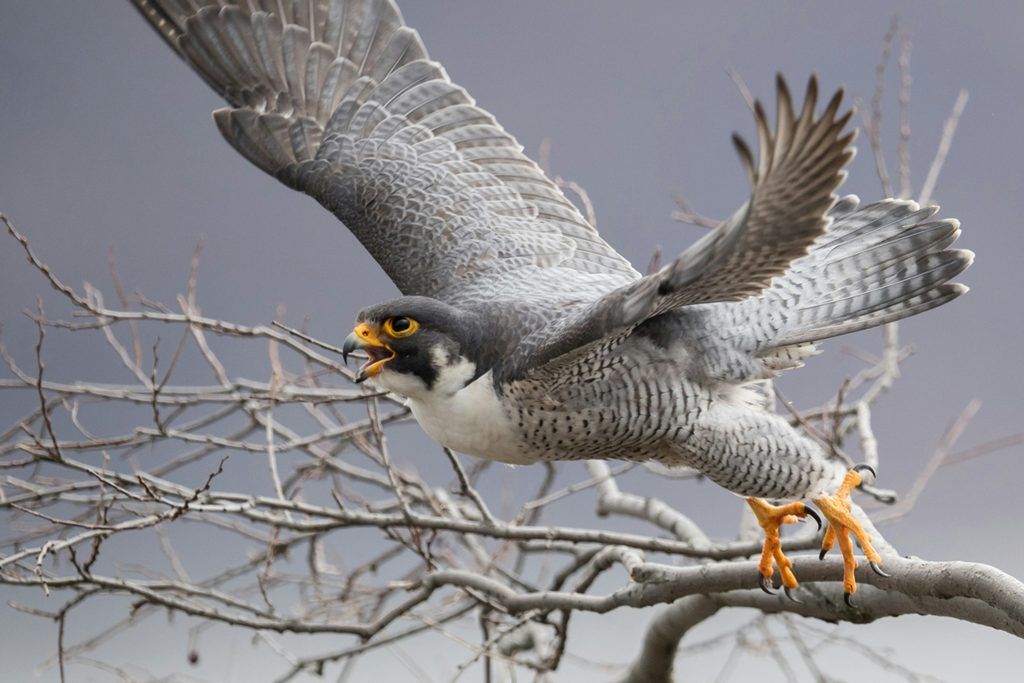
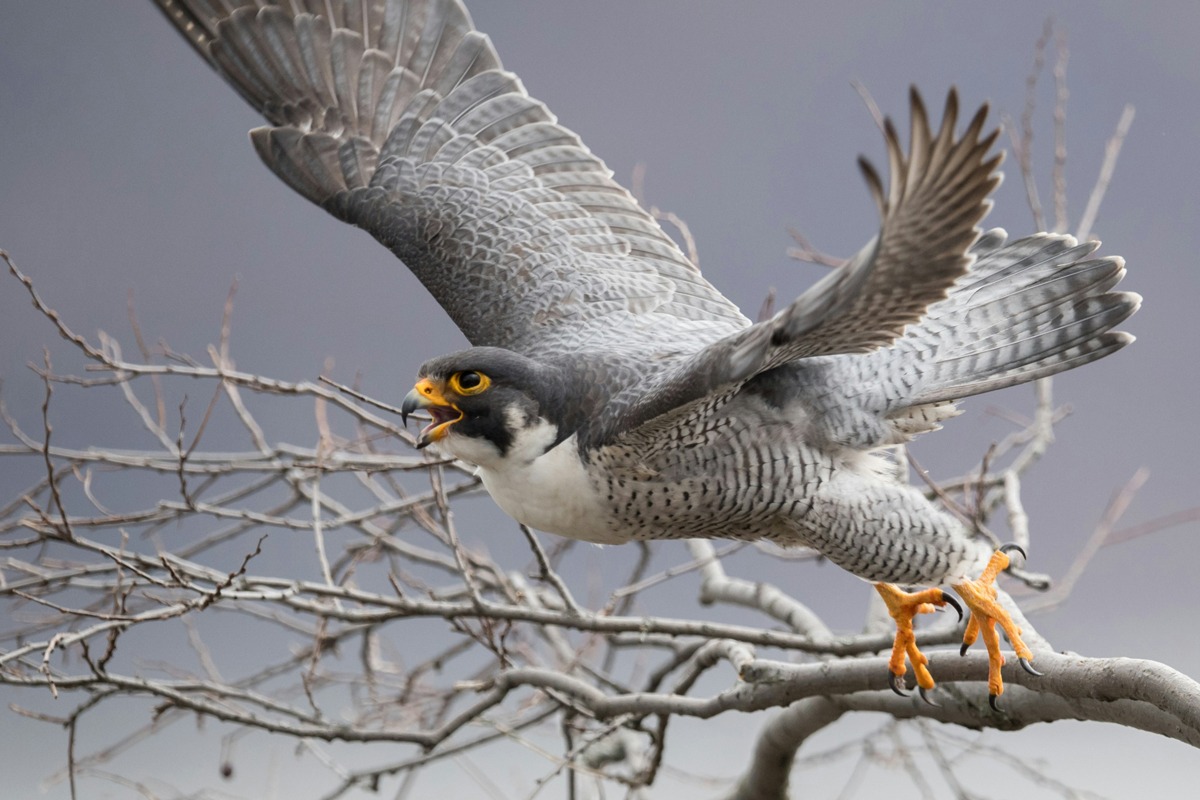
Peregrine Falcons
The peregrine falcon is the fastest animal on the planet. When diving after prey it uses a maneuver called a “stoop,” tucking its wings against its body to create a streamlined frame that cuts through the air with minimal drag. This allows it to move upwards of 240 miles per hour.
Small bony tubercles inside its nostrils help regulate the extreme airflow at these speeds, preventing damage to its lungs, while a translucent third eyelid protects its eyes without blocking its vision. The bird’s impact alone is often enough to kill or stun its prey midair, making peregrine falcons some of the most effective hunters on Earth.
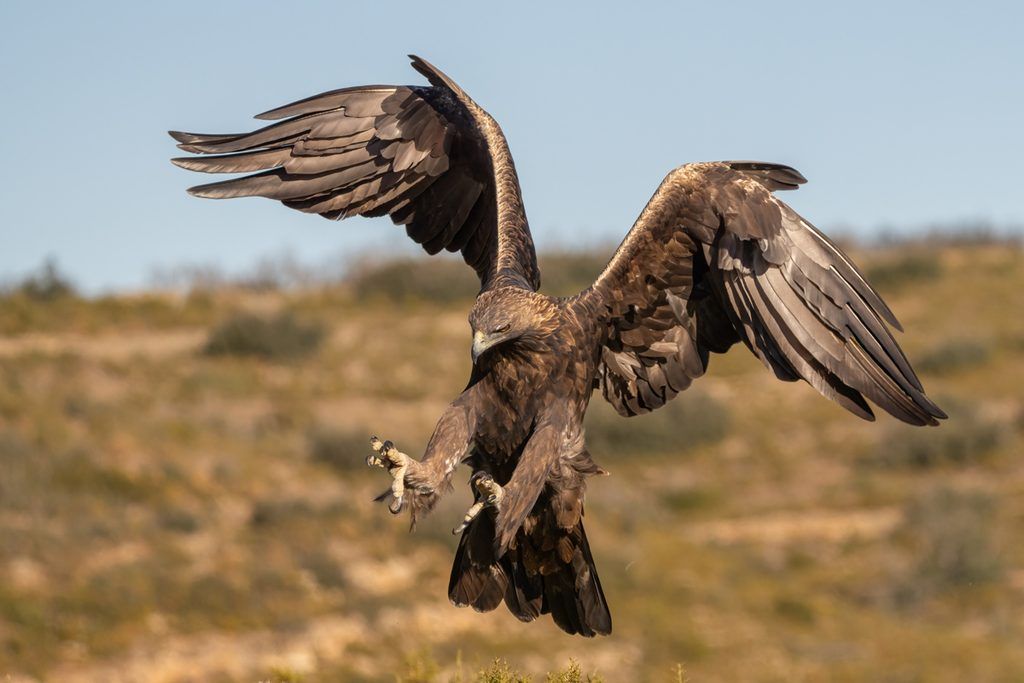
Golden Eagles
Golden eagles fall just short of peregrine falcons in diving speed, but they outshine them when it comes to raw power. These fearsome birds of prey are equipped with large talons that exert several hundred pounds of crushing force per square inch, enabling them to take down prey as large as deer and even juvenile brown bears. Exceptional eyesight, roughly four to eight times sharper than a human’s, allows them to spot prey from over a mile away while soaring on thermal air currents.
Once a target is located, the eagle deploys one of seven distinct hunting techniques, based on the size and speed of its prey, and whether the target is on land or in the air. Their methods range from dive-bombing birds in the air in the style of peregrine falcons to attacking large mammals talons-first and “riding” them until they succumb to their injuries. When it comes to versatility across a wide range of terrain types, the golden eagle is hard to match.
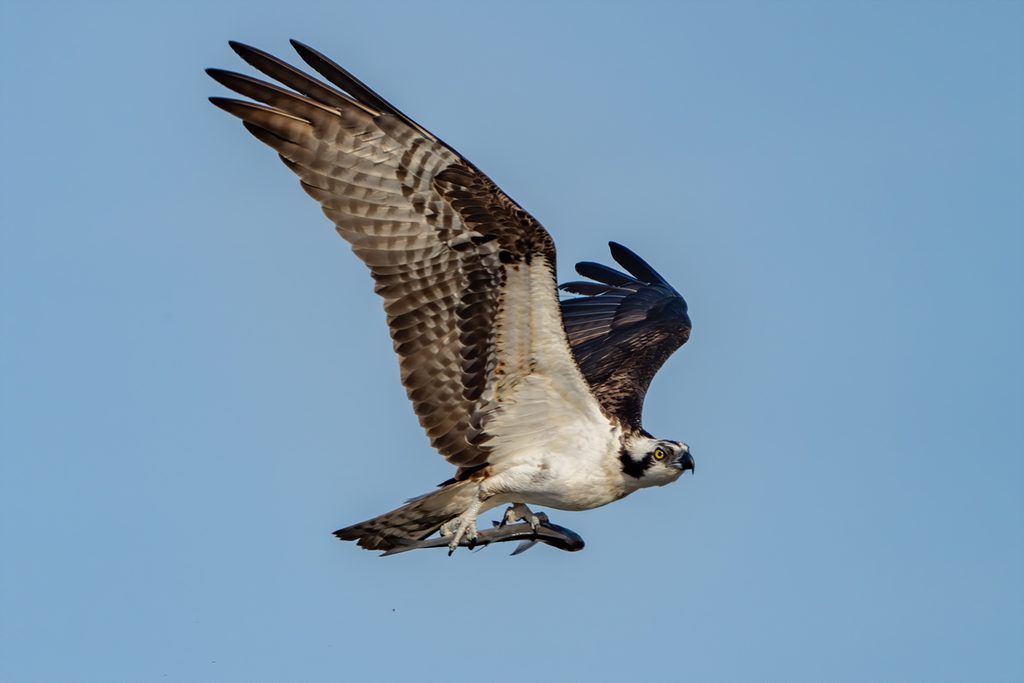
Ospreys
Ospreys are specialist hunters, focused on one primary task: catching fish. A range of adaptations give them a hunting success rate as high as 70% when plunging feet-first into lakes, rivers, and coastal waters.
Unlike most raptors, they have a reversible outer toe that lets them grip prey with two talons in front and two in the back, while small backward-facing spines on the soles of their feet keep slippery fish from wriggling free. They’ve also adapted to hitting the water at speeds approaching 80 miles per hour; their dense, oily feathers repel water, their nostrils close automatically to stop it rushing in, and a third transparent eyelid protects their eyes upon impact.
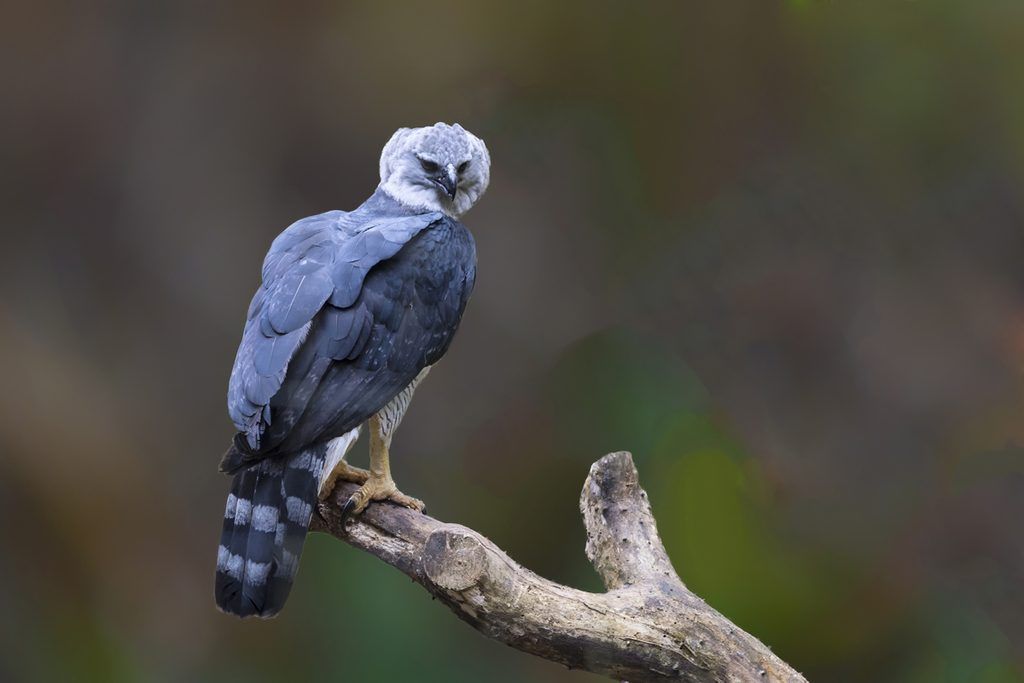
Harpy Eagles
The harpy eagle is one apex predator you don’t want to mess with. One of the largest and most powerful eagles on Earth, it likes to perch on trees within the dense canopies of Central and South American rainforests, scouting for prey. When it spots a target, it relies on short bursts of speed and extraordinary strength rather than open-sky dives. Its rear talons grow to about 4 to 5 inches — the same size as a grizzly bear’s claws — and can exert enough crushing force to snap bone instantly.
Harpy eagles are capable of carrying their own body weight, allowing them to snatch monkeys and sloths directly from tree branches before whisking them away. Although incredibly rare, they have even been recorded attacking adult humans.
Secretarybirds
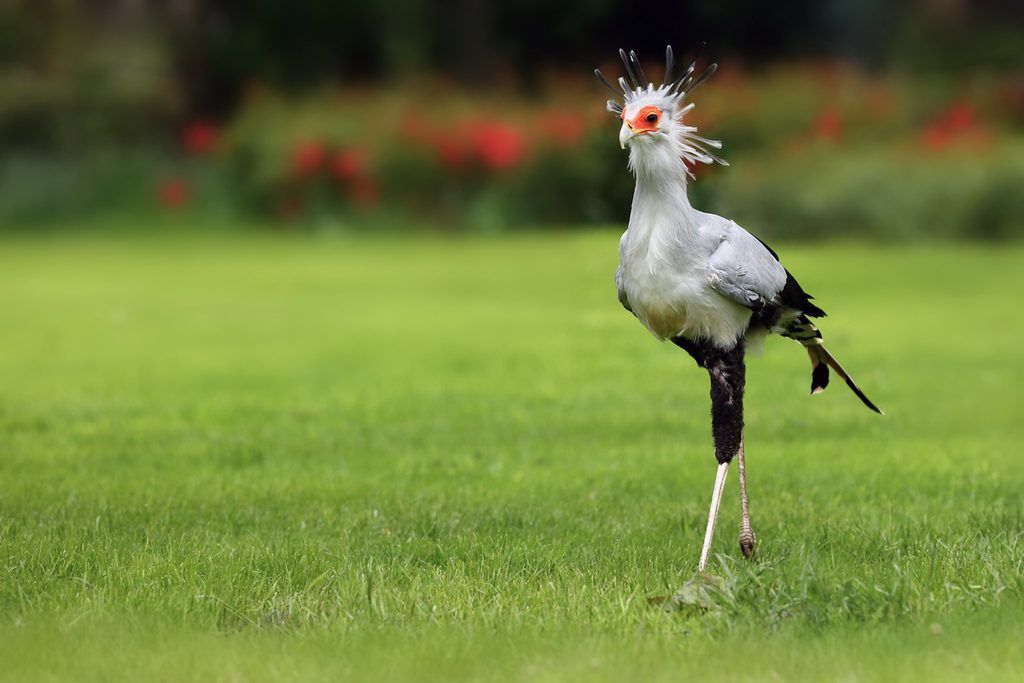
Rather than relying on its beak or talons , the secretarybird kills with its legs. This African bird of prey — which, at over 4 feet, is the tallest raptor in the world — is unique in that it primarily hunts on foot. It stalks through grasslands and shrublands in search of a wide range of prey, including insects, mongooses, meerkats, small birds, tortoises, and venomous snakes.
When in range of a suitable target, it delivers powerful kicks that impart five to six times its bodyweight in a fraction of the time it takes to blink an eye. The speed isn’t just for show; a slower strike would give a venomous snake time to retaliate, so the agile, ninja-like secretarybird utilizes pre-planned, split-second targeting to attack before its prey knows what hit it.