The Biggest Pet Myths You Still Believe

Around the world, people share their homes with animals that feel more like family than pets. In fact, in the U.S. alone, 95 million households owned at least one pet in 2025. We love our pets and want to give them the best lives possible, but with so much information available about pet behavior, nutrition, health, and general care, it can be difficult to separate sound advice from misinformation.
Some familiar beliefs about pets have been repeated for generations. Here we debunk some popular pet myths that may have you seeing your animal companions in a whole new light. How many of them have you heard — and maybe even believed?

Myth: Cats Are Happier Living Outdoors
Cats have lived alongside people for thousands of years, often around farms and grain stores where they’ve hunted mice and other pests. They also retain behaviors inherited from their wild ancestors, including stalking, climbing, scratching, pouncing, and patrolling their territory. But those instincts don’t mean cats need to roam outdoors.
Indoor cats can have happy, enriching lives with plenty of opportunities to stalk toys, climb, scratch, perch by windows, and explore their surroundings. Outdoor cats face greater risks from traffic, animal fights, parasites, and infectious diseases, and they generally have considerably shorter lifespans. A feline companion may have the instincts of a little predator, but it can still be perfectly content with the living room as its jungle.
Myth: Goldfish Have Short Memories
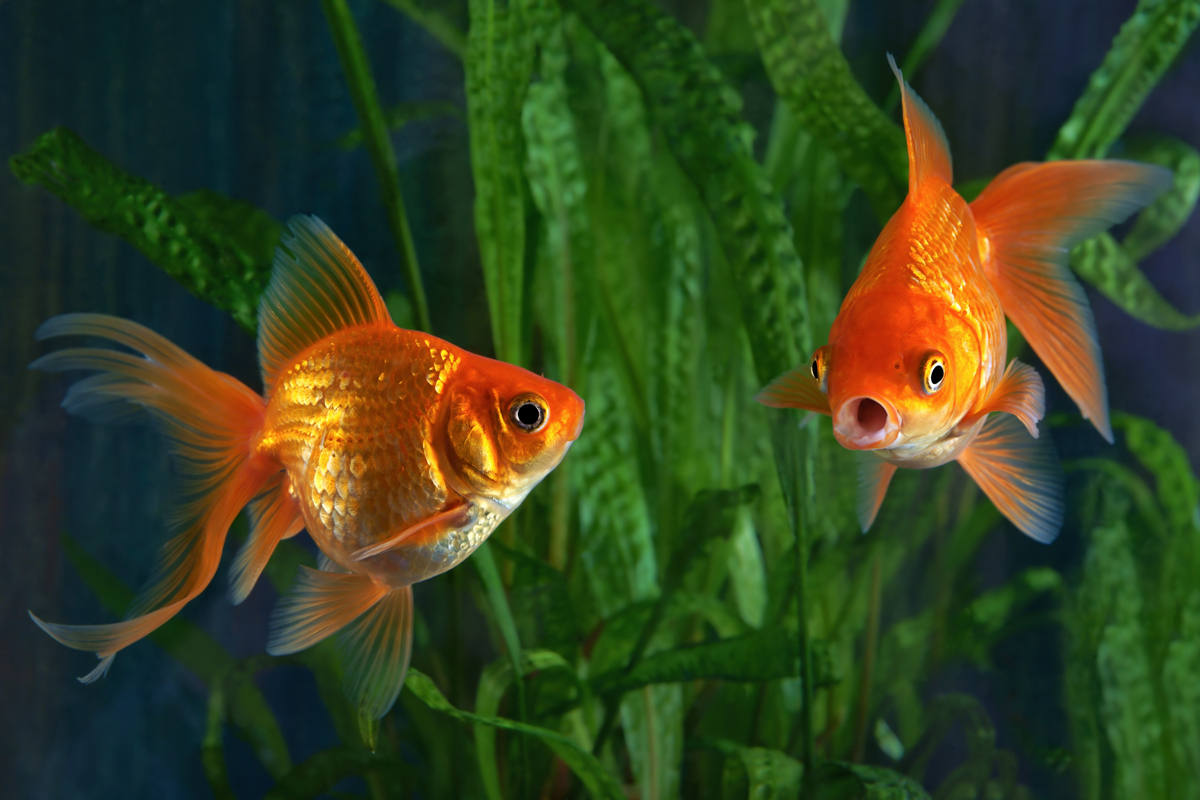
You may have heard that goldfish have only a three-second memory, but that couldn’t be further from the truth. Research has shown that goldfish can retain learned associations for days or weeks, and some studies have found evidence of even longer-lasting memories.
These popular aquarium pets can live for 10 to 15 years with proper care, and some outliers have lived for 20 years or more. During that time, they can learn to associate cues with events, remember learned behaviors, and adjust their behavior based on past experiences. For example, goldfish can learn that a particular signal, such as a light or even a color, means food is coming, and they can be trained to perform simple tasks such as pressing a lever or swimming to a designated spot to receive food.
Exactly how long they remember something depends on what they learned and how their memory is tested. So while a goldfish may not recognize its owner in the same way a dog does, it can learn to identify the visual cues associated with the person who feeds it.

Myth: Dogs Have No Sense of Time
Dogs don’t read clocks, but that doesn’t mean they have no sense of time. They learn daily routines and can anticipate events based on environmental cues, such as when their owner usually comes home, when they get fed, or when it’s time for a walk. Research also suggests dogs can distinguish between different lengths of time.
In one study, dogs demonstrated stronger greeting behaviors when reunited with their owners after two hours compared with 30 minutes, suggesting they perceived the longer separation. Dogs may also use changes in their environment, including odors, to help track the passage of time. Your dog probably doesn’t know it’s 5 p.m., but it may sense it’s time for you to come home from work — and notice if you’re gone for longer than usual.

Myth: Some Pets Are Hypoallergenic
Unfortunately, there is no such thing as a completely allergen-free pet. Hairless cats are sometimes assumed to be a safe choice for people with allergies, while poodles, Portuguese water dogs, and other low-shedding dog breeds are often marketed as hypoallergenic.
But allergies aren’t caused by fur alone: People with pet allergies typically react to proteins found in an animal’s skin flakes, saliva, or urine. Hairless cats still produce those allergens, and dogs that shed very little can still trigger symptoms. Birds can also produce allergens through their feathers, skin, and droppings.
Fish are generally a better option for people with common dog and cat allergies because they don’t produce the same airborne mammalian allergens, although people can still react to fish, fish food, or substances associated with an aquarium. Hypoallergenic means less likely to cause an allergic reaction — not incapable of causing one.

Myth: Small Pets Don’t Need Veterinary Care
Because they’re small and often relatively inexpensive to keep, animals such as hamsters, gerbils, guinea pigs, rabbits, and other “pocket pets” are sometimes treated as pets that don’t require regular veterinary care. But small doesn’t mean indestructible. These animals can still develop dental problems, respiratory infections, parasites, injuries, and other illnesses that require professional treatment.
Many prey species instinctively hide signs of illness, so obvious symptoms can mean a problem has already progressed. Routine veterinary care and prompt attention to changes in eating, drinking, activity, weight, or behavior can make a real difference. Tiny pets still have a big need for good healthcare.