Do Animals Get Bored Like Humans?


Walk through the front door to a living room covered in couch foam, and your first instinct is likely to scold your dog — but your second may be to wonder why they acted out in the first place. Were they upset or even bored? But do animals actually get bored like humans do, or are we possibly projecting our own feelings onto their behavior?
Animals can’t exactly tell us when they’re fed up with their surroundings, but what they do and how they act can offer some clues, from restlessness and sensory-seeking to potential personality changes.
Boredom Is More Than Doing Nothing
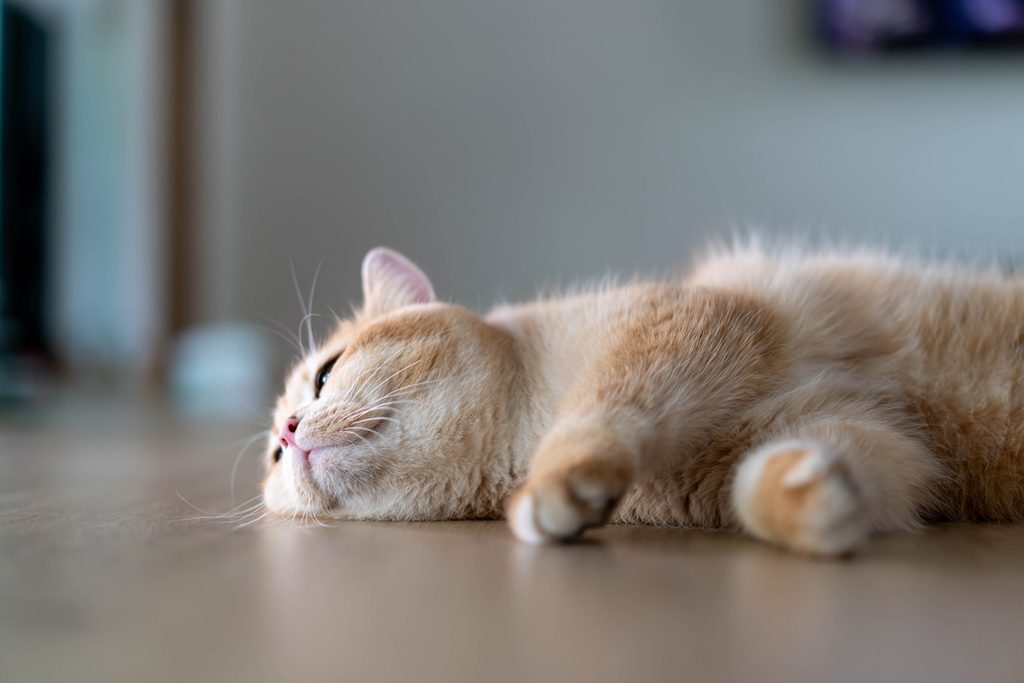
An animal who spends an afternoon snoozing isn’t necessarily bored. Boredom is different from simply having nothing to do and taking some downtime; it results from a lack of engaging tasks or activities and a desire for something more stimulating.
In a 2017 study, Royal Veterinary College researcher Charlotte Burn argued that boredom is indeed biologically plausible in animals. Many animals have brain systems that can produce emotional responses, and exploring their surroundings helps them better understand the world around them. When animals are motivated to engage with their environments but have little opportunity to do so, boredom may set in.
How Can You Tell an Animal Is Bored?
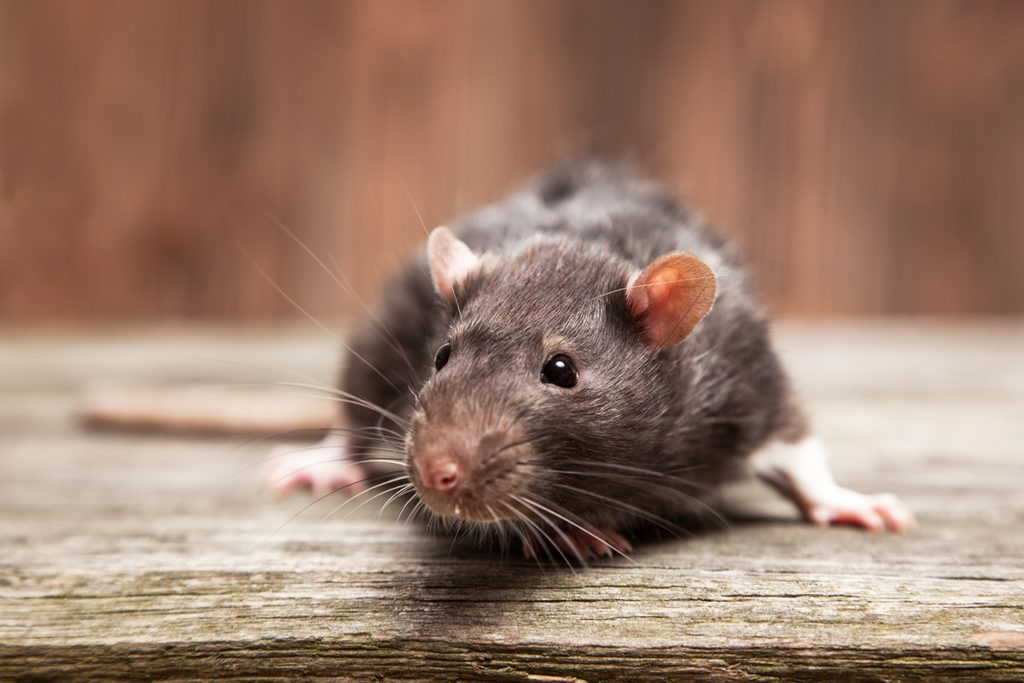
There’s no one telltale sign of a bored animal, but to get some insight, researchers have examined how animals respond to monotonous conditions as opposed to more novel ones. In a 2025 study, rats doing a repetitive foraging task were more likely to try to escape their testing area than rats whose task involved more variety. The researchers couldn’t say for sure that the rats were bored, but it certainly looked as though they were ready for a change.
In another study, mink living in small, barren cages were quicker to show an interest in potentially harmful objects than the mink in more enriched environments that included water to wade in, tunnels to run through, and towers to climb. The research suggested the behavior was consistent with boredom: When their surroundings didn’t offer enough to do, the mink seemed eager for any kind of stimulation, even if it involved something dangerous.
But what about when we move from the lab to the living room? A bored dog may try to bolt during walks, dig up the garden, or whine incessantly for attention. Cats may scratch the furniture or groom so obsessively that they develop bald patches, while parrots may pluck their feathers, scream, or fall into repetitive habits such as pacing or bobbing their heads.
These behaviors can have other causes, including stress or illness, but they may also be signs that an animal needs more to do. Giving pets more opportunities to play, explore, and engage their minds with items such as food- and treat-dispensing toys can help keep boredom at bay.

How Does Boredom Affect Animals?
Boredom isn’t necessarily harmless just because an animal isn’t visibly distressed: Research suggests that prolonged understimulation can affect animals’ emotional well-being and behavior. A 2019 Animal Welfare journal review argued that chronic boredom can contribute to depressionlike states and self-injurious behavior, such as biting or hair pulling.
Boredom isn’t necessarily unique to animals living in captivity, either; it may serve an evolutionary purpose by motivating animals in the wild to explore and learn when their surroundings stop providing enough stimulation. But it’s much harder to study animal boredom in the wild, where animals have more opportunities to seek out new sights, smells, and challenges. Animals are complex, and while providing toys, puzzles, and other forms of enrichment can help alleviate their boredom, it can be difficult to recreate the mental challenges an animal would otherwise encounter in the wild while in captivity.
Scientists are still studying exactly how boredom affects animals over time. An animal’s environment does seem to make a meaningful impact on its well-being, however, so ensuring your animal’s welfare may involve more than just meeting their basic physical needs — giving them something interesting to do can be just as important.