7 Ways Animals Express Their Emotions
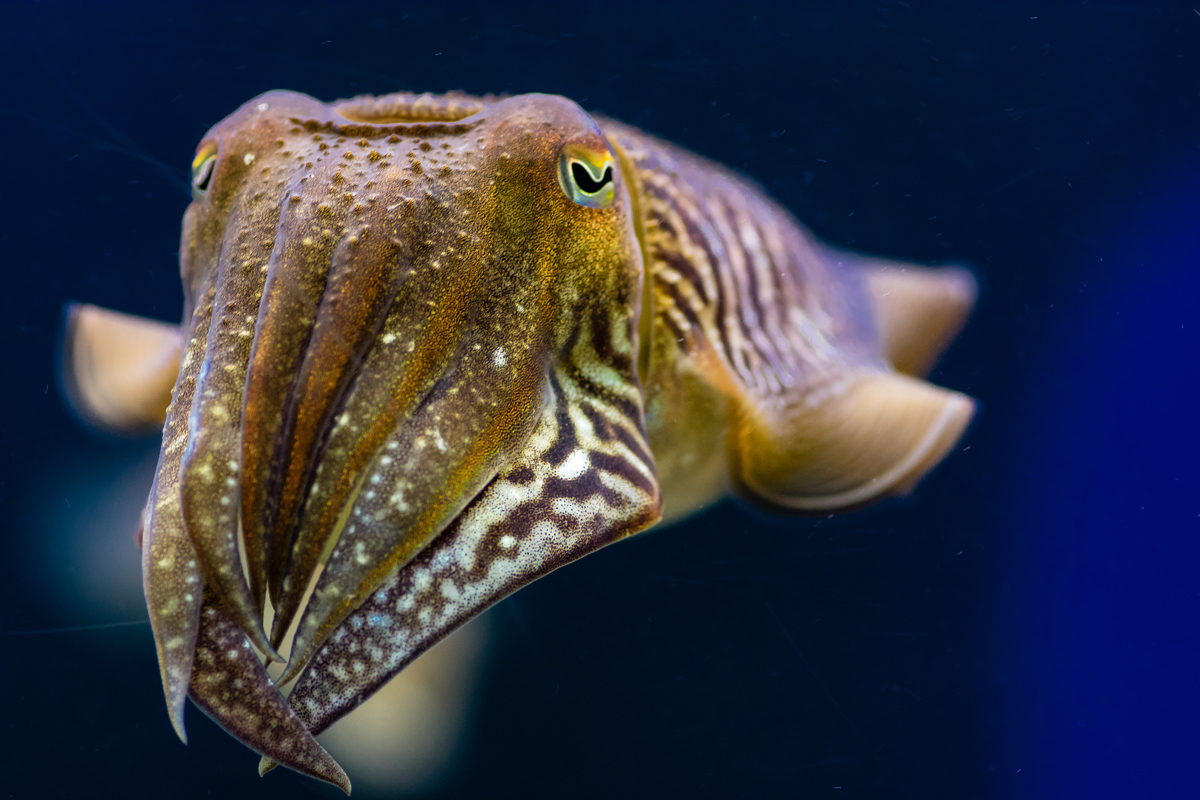

Animals don’t need words to get their points across. Some of their actions, such as a cat slowly blinking when with a person it trusts, are so subtle that we may miss them altogether. Others, such as a color-changing cuttlefish who wears its feelings on its skin, are practically impossible not to notice.
Although it can be tricky to know exactly what an animal is thinking, the more obvious outward signs certainly help. Here are seven particularly obvious ways animals let their feelings be known and shown.
Chimpanzees Bare Their Teeth
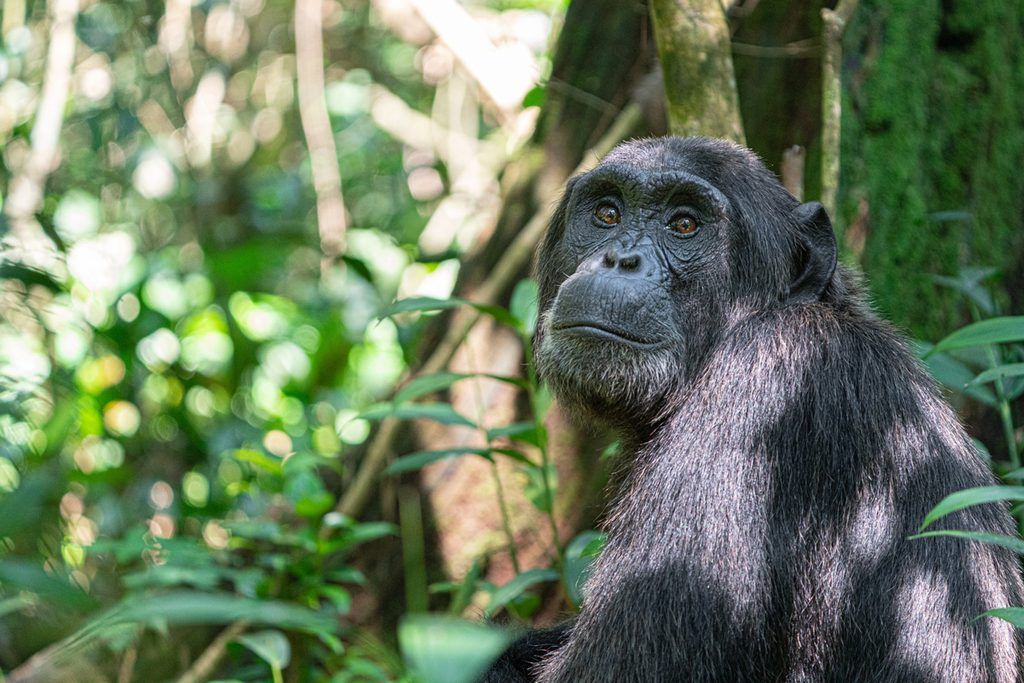
You’d be forgiven for thinking a chimpanzee baring its teeth meant it was flashing you a bright and cheery smile. Chimpanzees have a wide variety of facial expressions, but their faces don’t always convey the same emotions that ours do. Bared teeth, for example, can actually mean fear or submission rather than happiness.
Playtime calls for a different look. During active play such as chasing or roughhousing, a chimp is most likely to adopt a relaxed, open-mouthed expression — one known, quite simply, as a play face. Scientists study these expressions for the Chimpanzee Facial Action Coding System, which documents and categorizes about 250 different facial expressions chimps make.
Rats Giggle
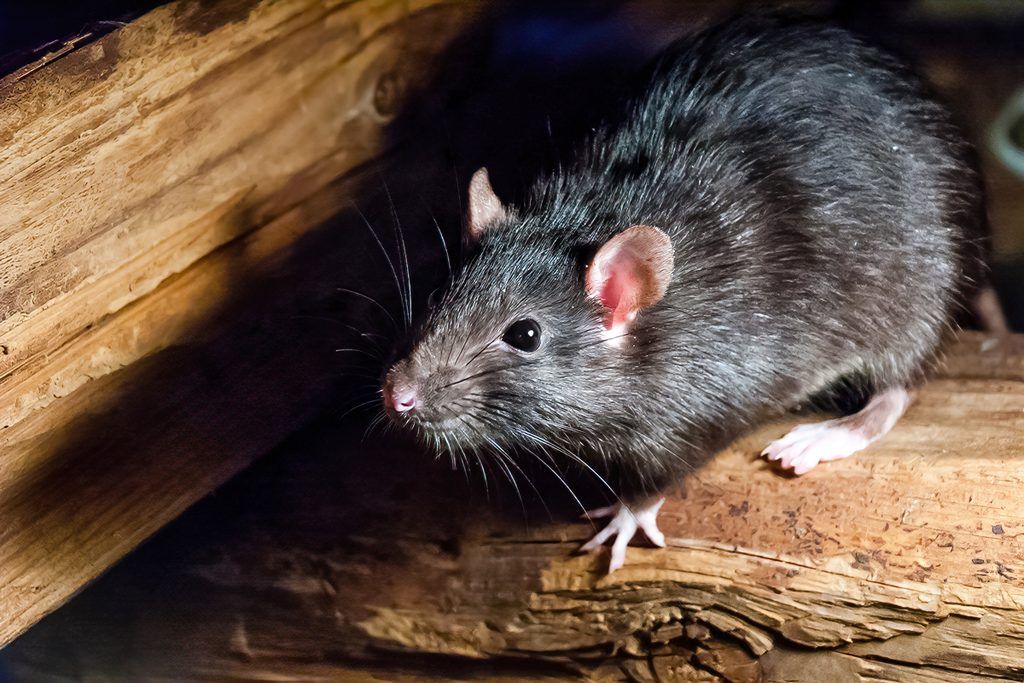
Tickling a rat may not sound like something you’ll ever find yourself doing, but researchers do it to explore how these rodents may demonstrate positive emotions. During tickling and playful interactions, rats produce high-frequency ultrasonic vocalizations that are often described as a type of laughter.
When researchers put rats in situations that made them anxious, such as on a high platform under a bright light, the animals stopped making their laughterlike sounds. That contrast helps us understand if, and how, rats respond to positive and negative experiences — even if their giggles are ultimately too high-pitched for us to hear without special equipment.
Elephants Express Grief and Comfort
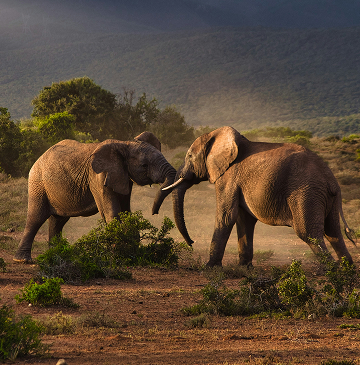
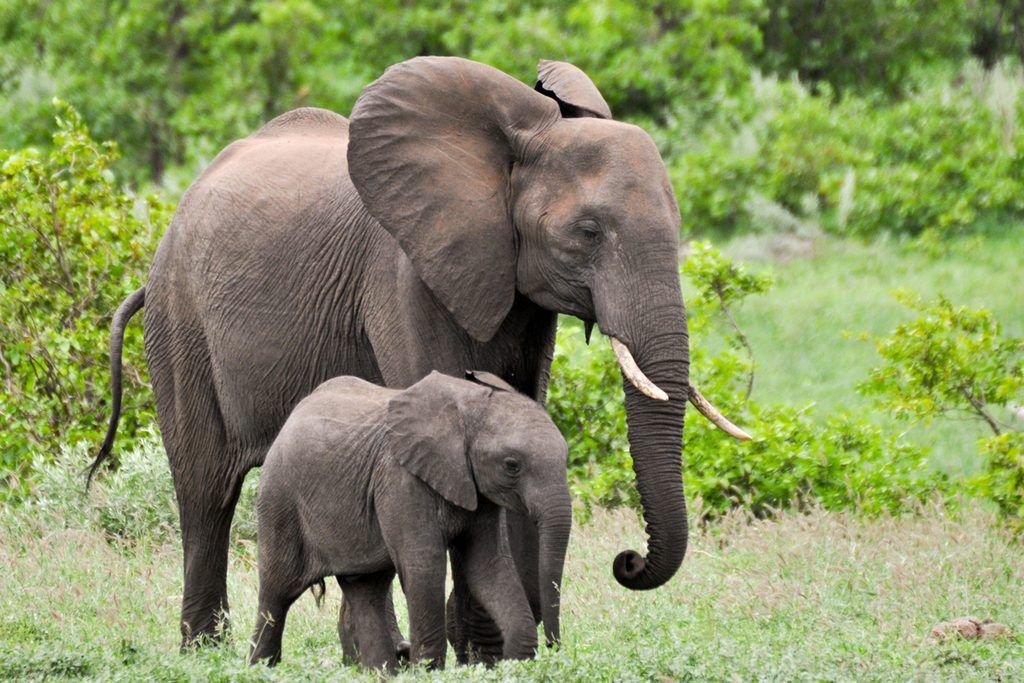
Elephants are highly social animals that have been known to show signs of grief, sometimes lingering over dead companions and touching their bodies with their trunks. But they also appear to offer comfort to other members of the herd who may be in distress.
In a study of 26 captive Asian elephants in Thailand, researchers observed elephants approaching companions who were upset, stroking them with their trunks and making high-pitched chirping sounds. Nearby elephants sometimes mirrored the distressed animal’s behavior too, suggesting that when one elephant is having a hard time, others around them may respond with empathy.
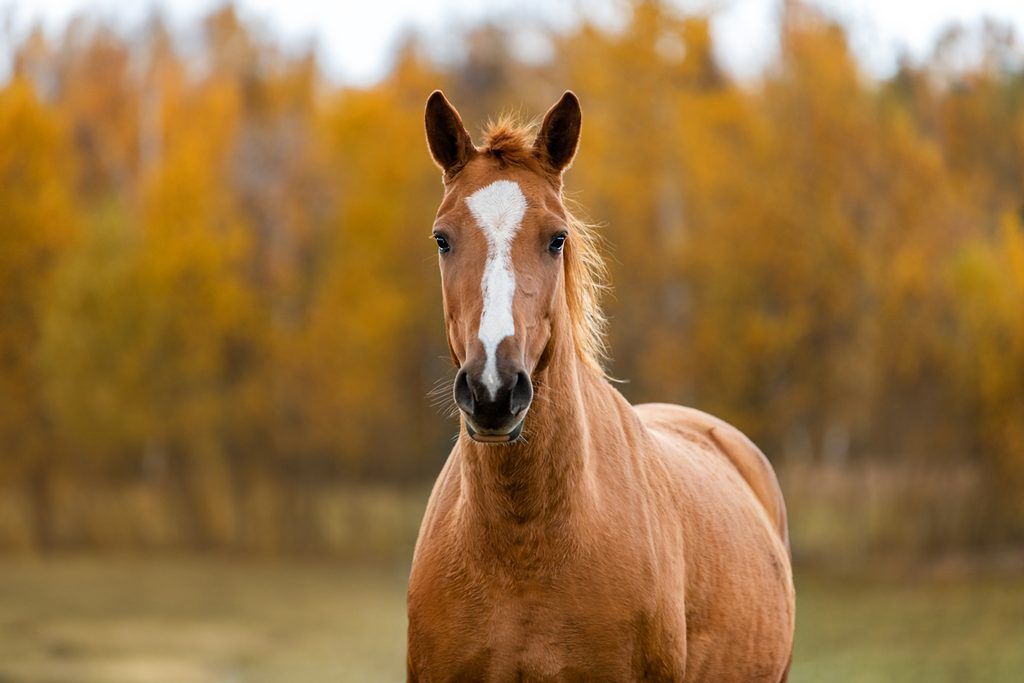
Horses Grimace
A horse doesn’t have to kick or whinny to let you know something is wrong. Sometimes, the warning signs are written all over its face — if you know what to look for. A horse in pain, for example, may hold its ears back, tighten the muscles around its eyes, or flare its nostrils and flatten its muzzle.
Researchers use what’s known as the Horse Grimace Scale to identify these expressions, which should be considered alongside the animal’s behavior and circumstances to get the full picture.

Dogs Stretch When Feeling Playful
Dogs have a pretty unmistakable way of saying they want to play, and it’s not necessarily wagging their tail — which can actually communicate stress as well as happiness. Instead, they drop their front end toward the ground, stretch out their forelegs, and stick their rear ends in the air.
Known as a play bow, this posture helps dogs signal playful intentions, so humans or other dogs can tell a friendly chase or wrestling match from an aggressive threat. It’s especially useful when play involves growling and mock biting, all of which are commonly part of the fun when dogs play.
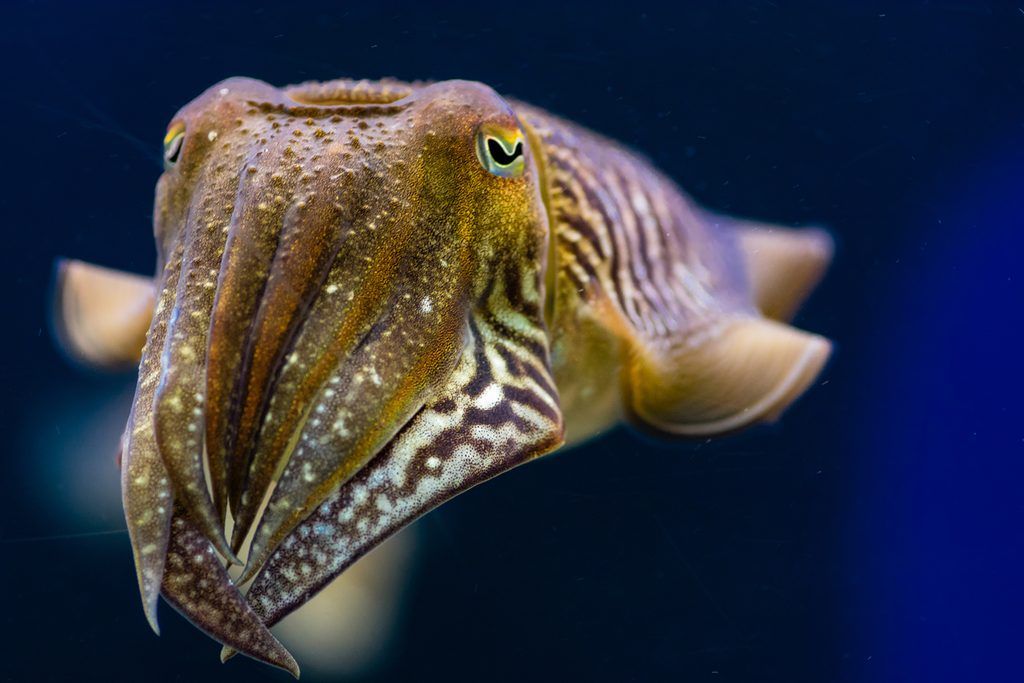
Cuttlefish Change Colors Depending on Their Feelings
Cuttlefish can change the color and patterns of their skin in a split second, making their feelings about a rival hard to miss. Specialized pigment cells called chromatophores enable them to flash high-contrast, black-and-white stripes or a darkened face; this signals a willingness to fight and warns rivals to keep their distance.
Cuttlefish also use their arms to communicate. Researchers have identified four distinct, repeated arm-waving patterns that cuttlefish appear to use when interacting with one another. The exact meanings remain a mystery, but the cephalopods responded to videos of the gestures by waving back, suggesting the movements may indeed be related to social communication.
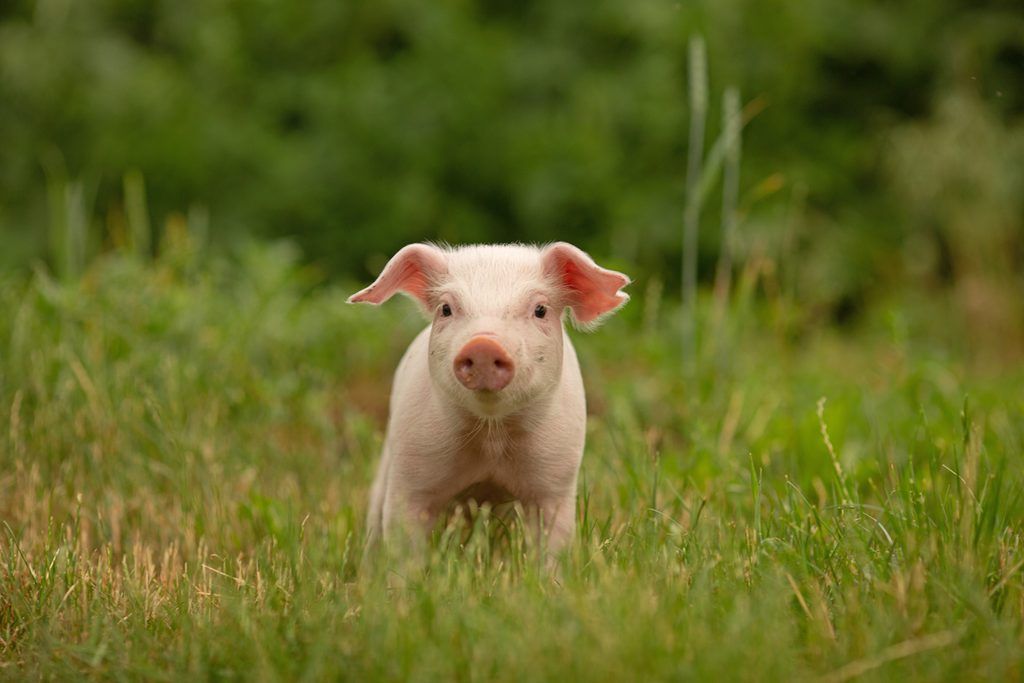
Pigs Have Different Grunts for Different Emotions
Pigs are hardly silent farmyard creatures, and their grunts actually say quite a bit. In one study, researchers found that pigs tended to grunt shorter grunts when they saw a bowl with food in it than when approaching an empty one. Their shorter grunts, therefore, seem to communicate positive emotions, while longer grunts can signal negative emotions such as frustration or disappointment.
The classic high-pitched pig squeal, meanwhile, was found to be more common when a pig is upset or stressed than when happily, quietly snorting or grunting.