Do Animals Sweat Like Humans?

The phrase “sweating like a pig” sounds insulting to our porcine friends, but it’s also misleading. Firstly, the idiom originates from 19th-century iron smelting and refers not to the animal but to pig iron — blocks of crude iron cooled in sand molds that resembled suckling piglets. Secondly, pigs barely sweat at all.
Humans, on the other hand, are some of the sweatiest creatures on the planet, covered head to toe in glands built specifically to secrete fluid the moment things heat up. But is sweating actually a common animal strategy, or are we the odd ones out? The truth is a strange mix: Some animals perspire similar to us, while many skip sweating almost entirely in favor of other methods for keeping cool.
Sweaty Animals
True sweating, aka releasing fluid through skin glands to cool the body as it evaporates, is surprisingly rare outside of humans. But this method of thermoregulation does show up in a few other species.
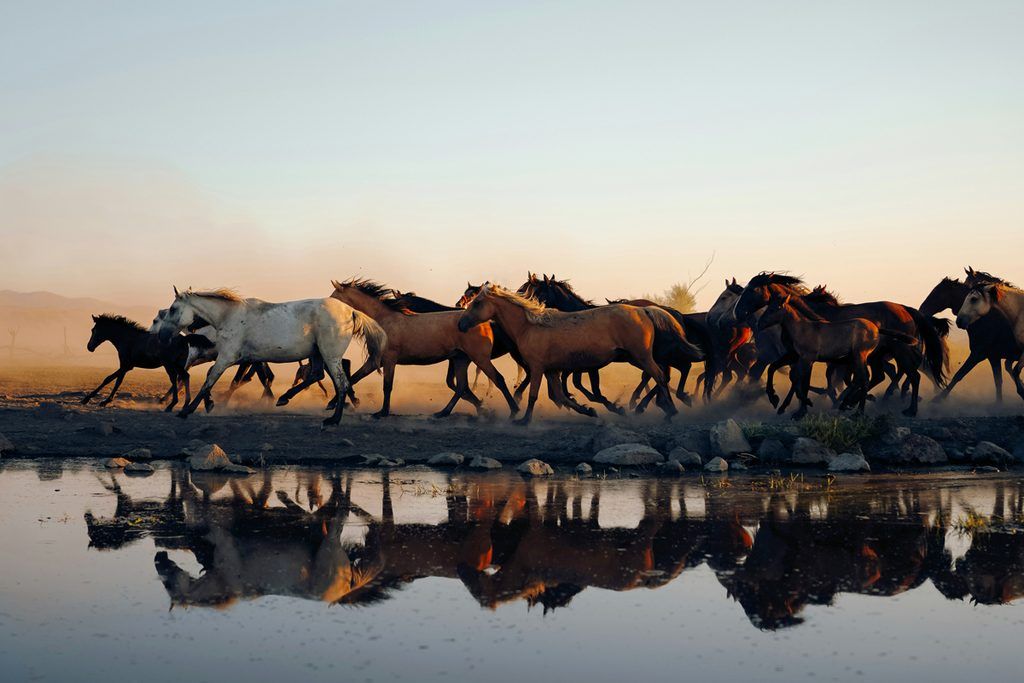
Horses are one of the sweatiest animals alive, producing up to two times more sweat per square inch of skin than humans do and losing several gallons of fluid per hour during intense exercise. Their sweat contains a unique protein called latherin, a natural detergent that helps moisture spread through their thick coats, which is why hardworking horses often appear to be covered in foamy white lather.
Humans, meanwhile, aren’t the only primates with eccrine sweat glands spread across much of their bodies. Some other primates, including chimpanzees, gorillas, baboons, and macaques, also sweat using the same kind of glands. However, certain primate species, including lemurs, marmosets, and tamarins, do not.
This all comes down to evolution. Eccrine sweat glands are actually found in almost all mammals, but in many cases, they’re located solely in hairless areas such as foot pads (where they serve primarily to enhance grip). At some point in evolution’s grand plan, these glands spread across the bodies of certain primates to aid in thermoregulation, while in others they remained in the hands and feet, creating the sweating versus nonsweating divide.
Hippos are another sweaty creature, even if they sweat in a more bizarre manner: They secrete a thick fluid that turns red after a few minutes of exposure to the air, earning it the nickname “blood sweat.” But it isn’t blood — and it’s not much like human sweat, either. While it does help with thermoregulation, the oily secretion also functions as a natural sunscreen, skin moisturizer, and antibiotic, protecting the hippo’s skin from sunburn and infection.
Nonsweaty Animals
While it may seem odd, most mammals skip conventional sweating almost entirely, relying instead on other cooling strategies better suited to their bodies. Contrary to popular belief, dogs and cats do sweat, but only in very limited areas of their bodies, such as the paw pads. This does almost nothing to regulate their overall body temperature. Instead, dogs rely primarily on panting — rapidly moving air over the moist surfaces of the mouth and tongue to cool blood through evaporation from the inside out. Cats also pant to keep cool, in addition to seeking shade and licking their fur.
And speaking of fur licking, kangaroos — who can sweat, but only while hopping — have taken it to another level. When still, they lick their forearms, which contain a dense network of blood vessels, helping to release heat through evaporation.
Pigs, despite their reputation, have very few functioning sweat glands. Their favorite method for keeping cool is wallowing in mud or water, using evaporation from their skin to bring down their body temperature in a process that’s functionally similar to sweating, just with a little external help.
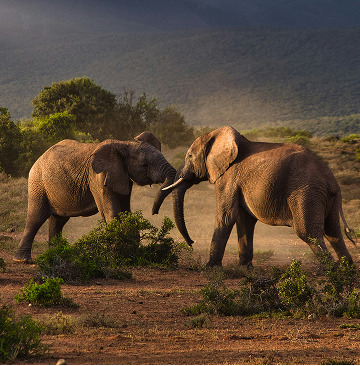
Elephants can’t sweat meaningfully either, but they compensate with their enormous ears laced with blood vessels, which they flap to encourage heat loss. Like pigs, they also enjoy a refreshing mud or water bath, and their wrinkled skin allows them to more effectively hold moisture against their bodies, aiding the cooling process.
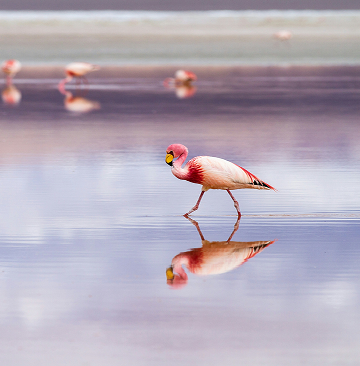
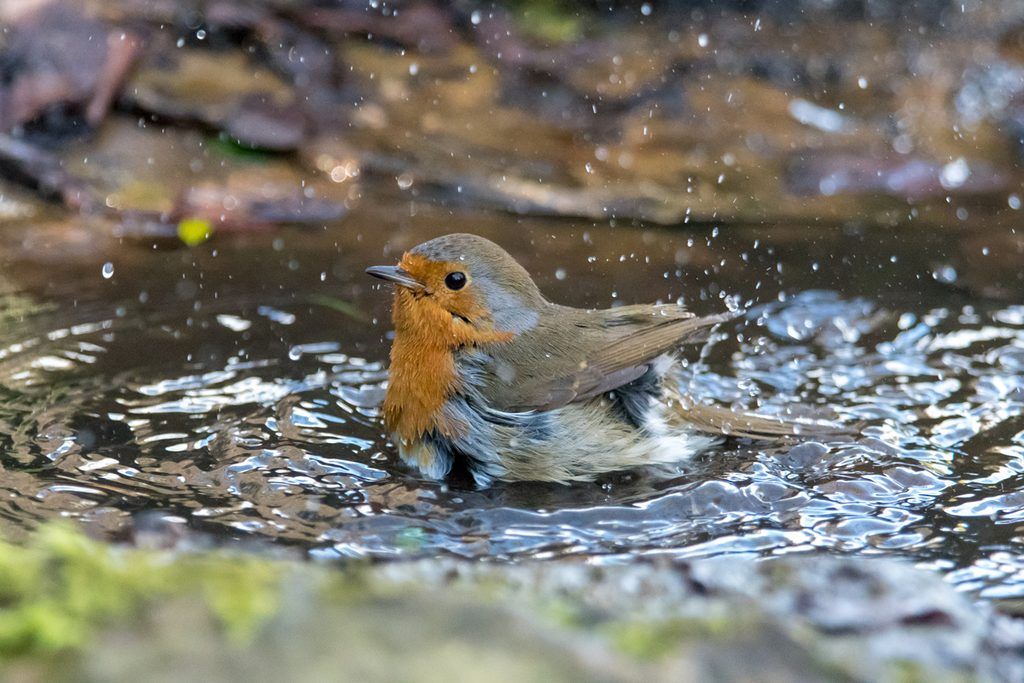
And what about birds? Well, they skip sweating altogether, since they lack sweat glands entirely. They instead rely on other methods for keeping cool, including rapid panting, puffing out their feathers, fluttering their wings, and taking a dip in a birdbath or puddle. The entire avian kingdom is just one example of how sweating is something of an evolutionary rarity — just one solution among many competing strategies to address the same basic problem: keeping cool.