6 Animals That Use Electricity in Surprising Ways

We humans tend to make a big fuss about technological advancements, particularly those that involve electricity. Invent a transistor, an integrated circuit, or a lithium-ion battery, and you win a Nobel Prize. Create an incandescent lightbulb, and your name goes down in history (thank you, Thomas Edison).
Animals, on the other hand, have been using electricity to hunt, hide, navigate, and communicate long before humans learned how to harness its power — and they didn’t feel the need to make a big deal about it. Here are six animals who’ve mastered the art of utilizing electricity in particularly surprising ways.
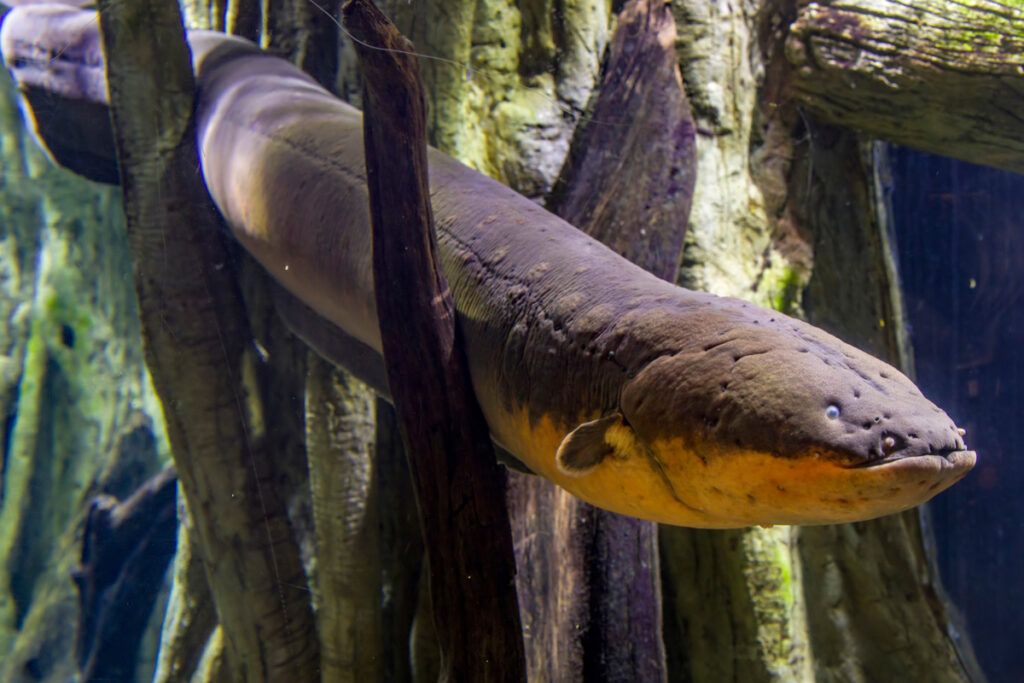
Electric Eels
The electric eel is the undisputed heavyweight in the world of animal electricity, capable of generating discharges of up to 860 volts using three specialized organs that make up most of its body length. These eels are well known for using high-voltage pulses to defend themselves against predators and to hunt and stun prey; they’ll even leap from the water to launch a high-voltage punch.
But electric eels don’t limit their power output to matters of defense and attacks. They use lower-voltage pulses as a kind of radar to navigate and locate prey in murky water. Remarkably, they also use low discharges to communicate with other eels, sending and interpreting information including their willingness to reproduce.
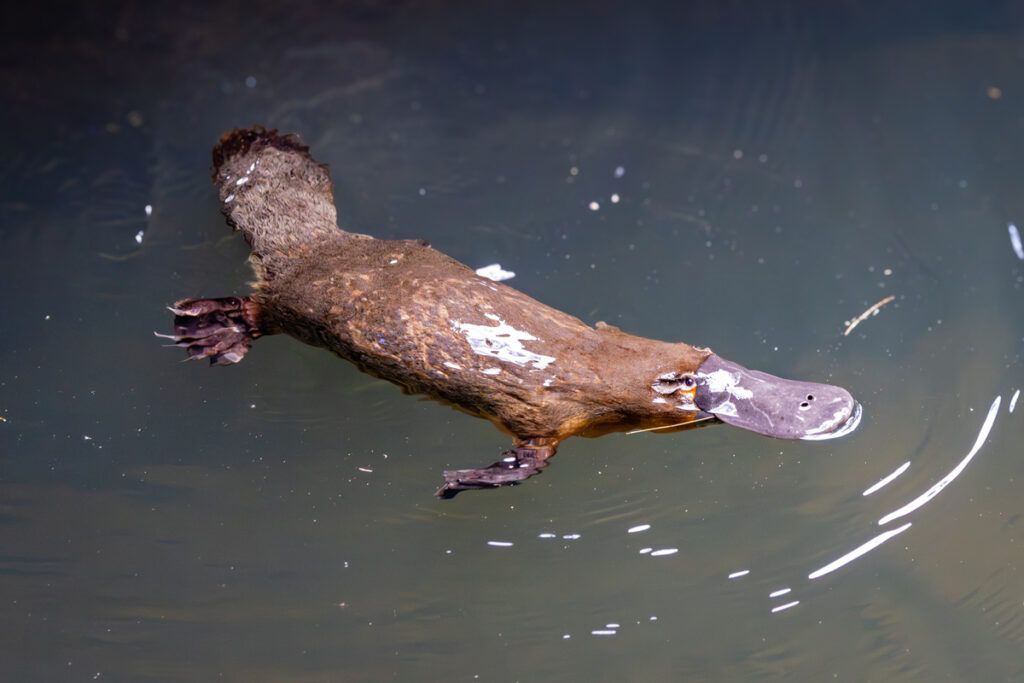
Platypuses
The duck-billed platypus — an undeniably strange, semiaquatic, egg-laying mammal — doesn’t generate electricity, but it can sense it. These animals have around 40,000 special cells, known as electroreceptors, packed into their soft, rubbery bills, which allow them to detect the faint electrical signals given off by crustaceans, worms, mollusks, and insect larvae hidden in riverbed sediments.
They can dive underwater with their eyes, ears, and nostrils sealed shut, searching for a meal in even the murkiest of waters.
This type of electroreception is normally associated with fish such as hammerhead sharks, rays, elephantnose fish, and American paddlefish. The only other land-dwelling mammal capable of electroreception is the echidna (aka the spiny anteater), which uses its special ability to sense ants and termites in the soil.
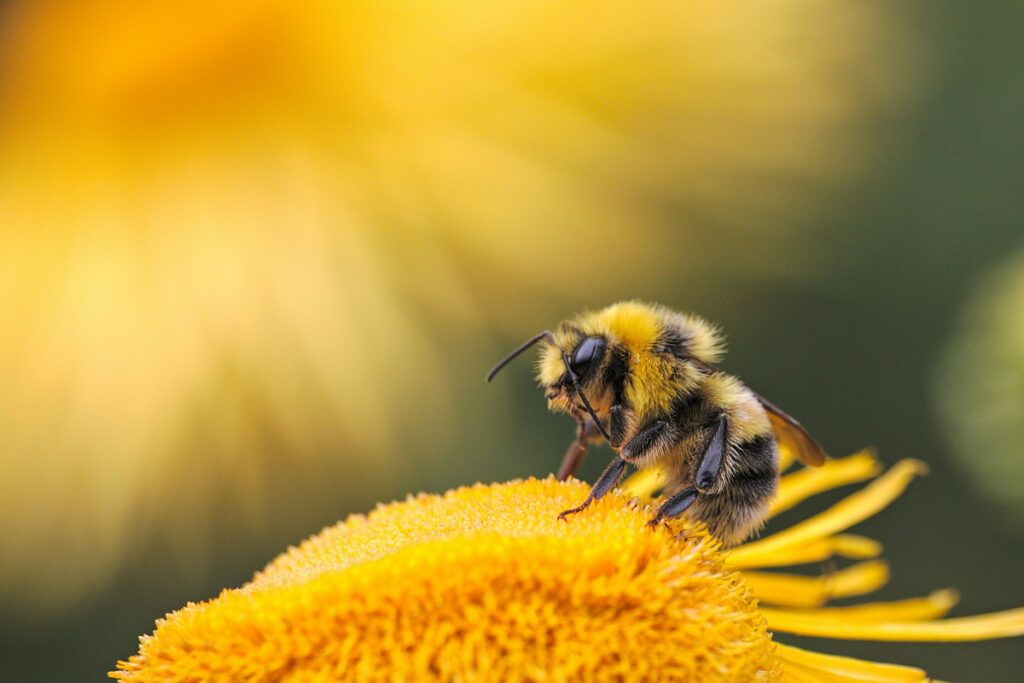
Bumblebees
Bumblebees are highly intelligent little creatures with advanced cognitive abilities, and they can also sense the electric field that surrounds a flower. While flying through the air, bumblebees pick up a positive charge through simple friction, while flowers tend to have a faint negative electric charge.
Researchers have found that the tiny hairs covering a bumblebee’s body can detect the distortion between those two fields, not only sensing the flower itself but also triggering a signal that helps the bee figure out whether the flower has recently been visited — and therefore likely drained of nectar — by another bee.
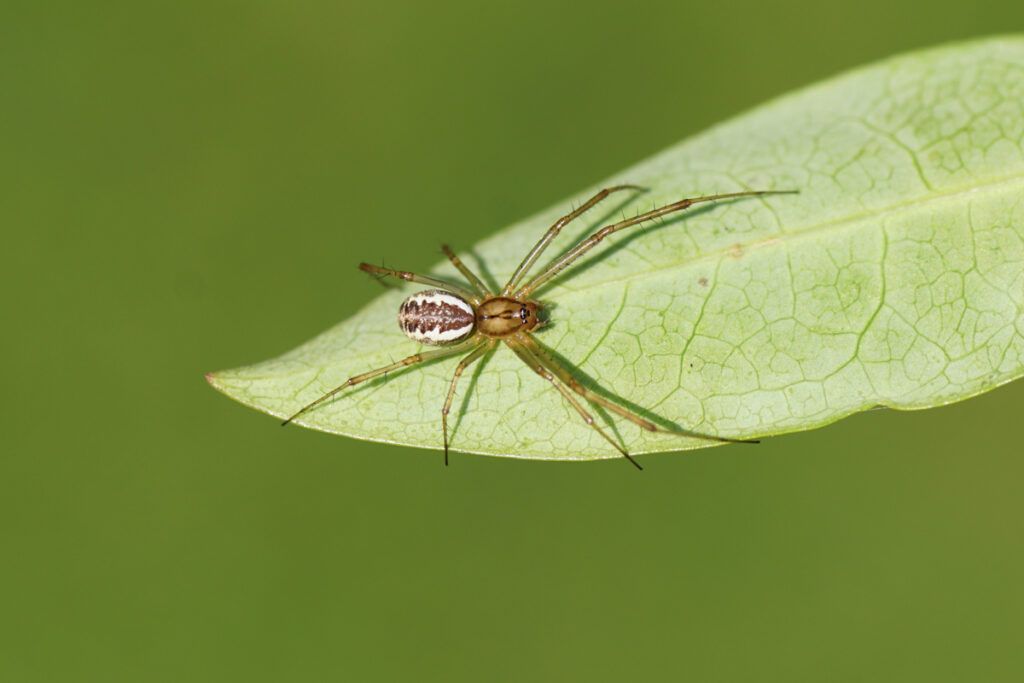
Money Spiders
Tiny money spiders can perform an impressive trick that allows them to take flight using just one strand of silk. Scientists once believed that seemingly magical ability utilized air currents, but research has since shown that money spiders can take off even in still air by using the Earth’s electrical field.
When they sense the field is strong enough, the spiders climb onto a twig or other vantage point, spin a line, and take off. The negative electric charge of the spider silk catches the positive electric field in the atmosphere, providing the necessary lift. This process, known as ballooning, allows these brave little spiders to travel through the sky for miles, riding strands of silk in what looks like wind-assisted flight.
Ticks
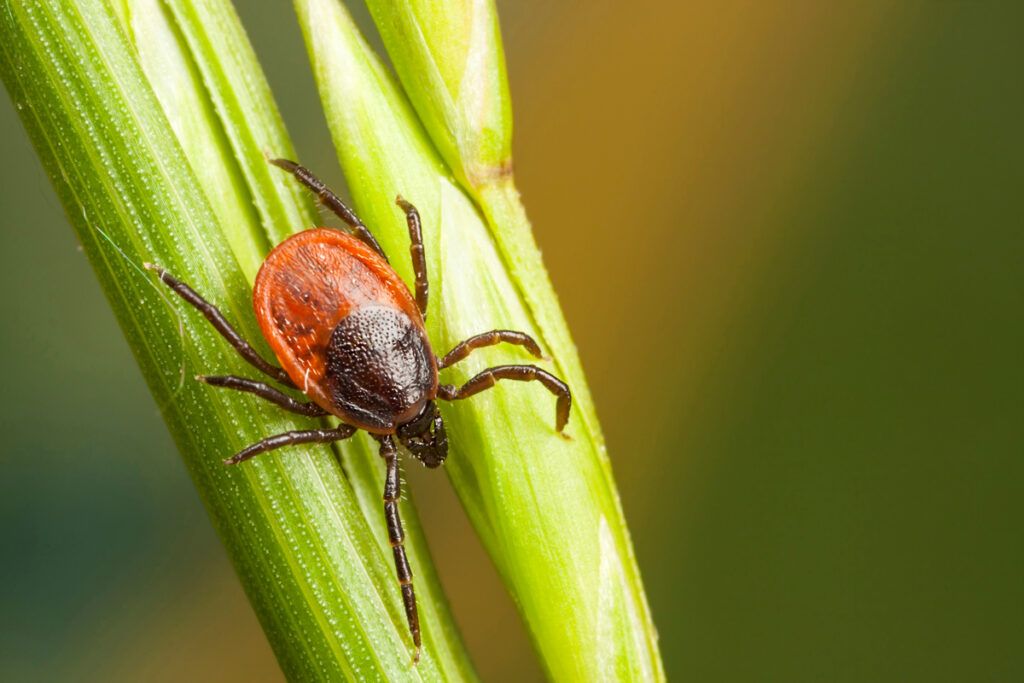
Ticks aren’t the most mobile creatures and are incapable of jumping, so finding an unfortunate host to feed on seems like it would be a real problem. But in 2023, researchers at the University of Bristol discovered that ticks get an assist from an unexpected source: static electricity.
Animals naturally build up an electrostatic charge as they move through grass and brush, and ticks use that charge to pull themselves several body-lengths through the air toward a host in a phenomenon known as electrostatic attraction. While this may horrify us humans (and our pets), it’s nonetheless a remarkable and highly efficient capability.
Oriental Hornets
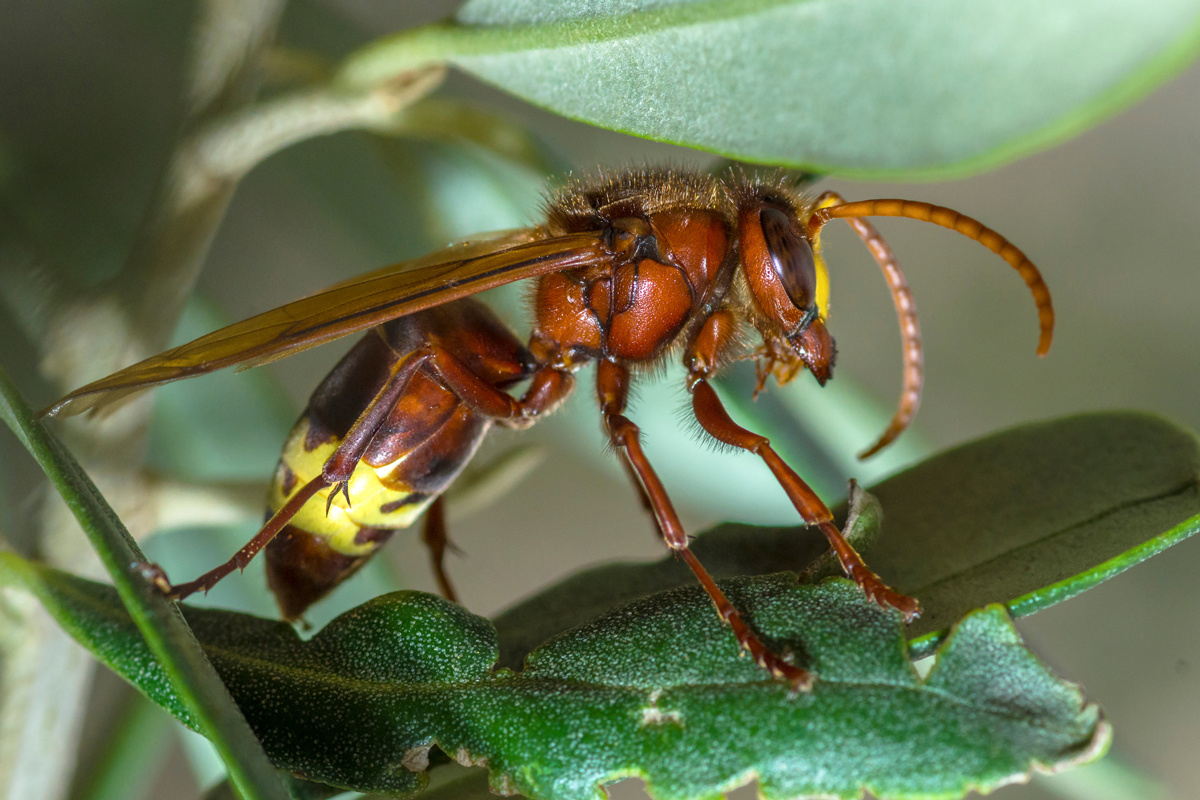
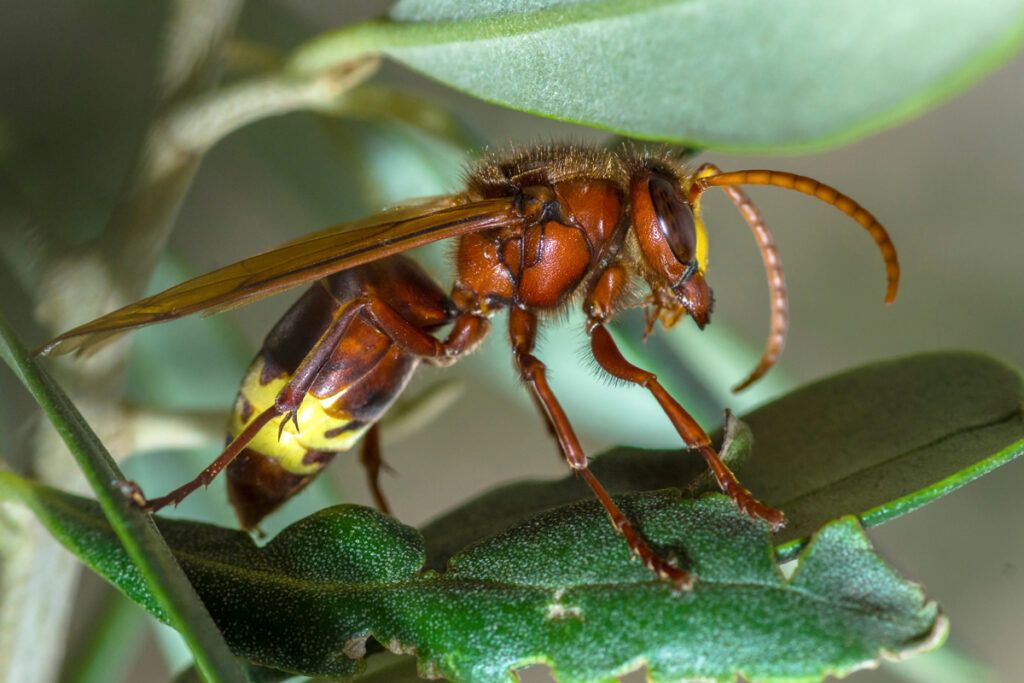
Forget rooftop solar panels — oriental hornets wear them on their skin. These striking black-and-yellow insects, which live in semiarid regions from northeast Africa to southwest Asia, turn sunlight into electricity using special pigments called xanthopterin.
These pigments are found in the yellow band around the hornet’s abdomen, while melanin in the darker bands, along with specialized grooves and bumps, helps capture light. The hornet is basically a living solar cell, and these sun-loving insects ramp up activity at midday, possibly using their homemade electric boost to power various functions, including metabolism, digging, and temperature control.