5 Reasons Giraffes Are Basically Aliens
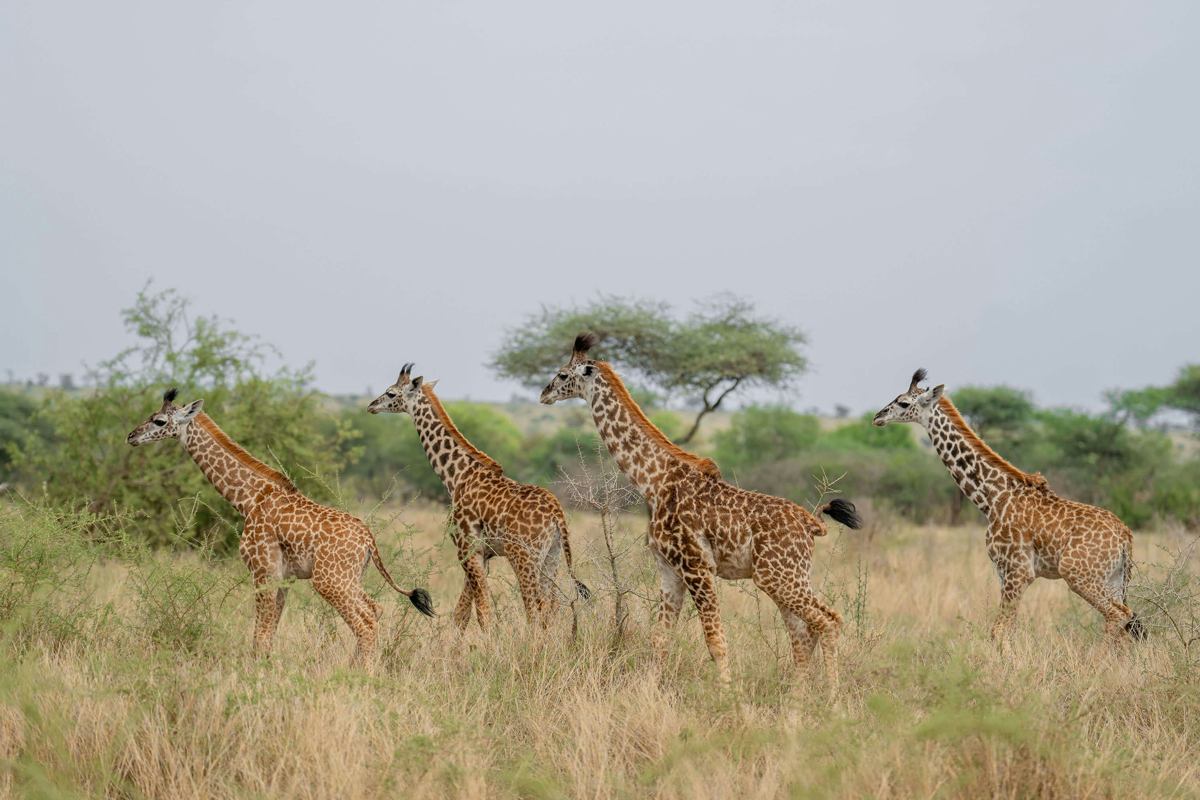

Giraffes are strange enough on the outside, with their long, lanky legs, equally improbable necks, and those short, stubby nubs on their heads. But their real weirdness mostly lies beneath the surface.
Almost everything about a giraffe’s body has had to adapt to the complicated reality of being up to 20 feet tall, and their circulation, skin, and feeding and sleep habits have resulted in some surprisingly strange solutions. Here are five reasons giraffes seem like they hail from another planet.
Their Spots Are Like Little Cooling Vents
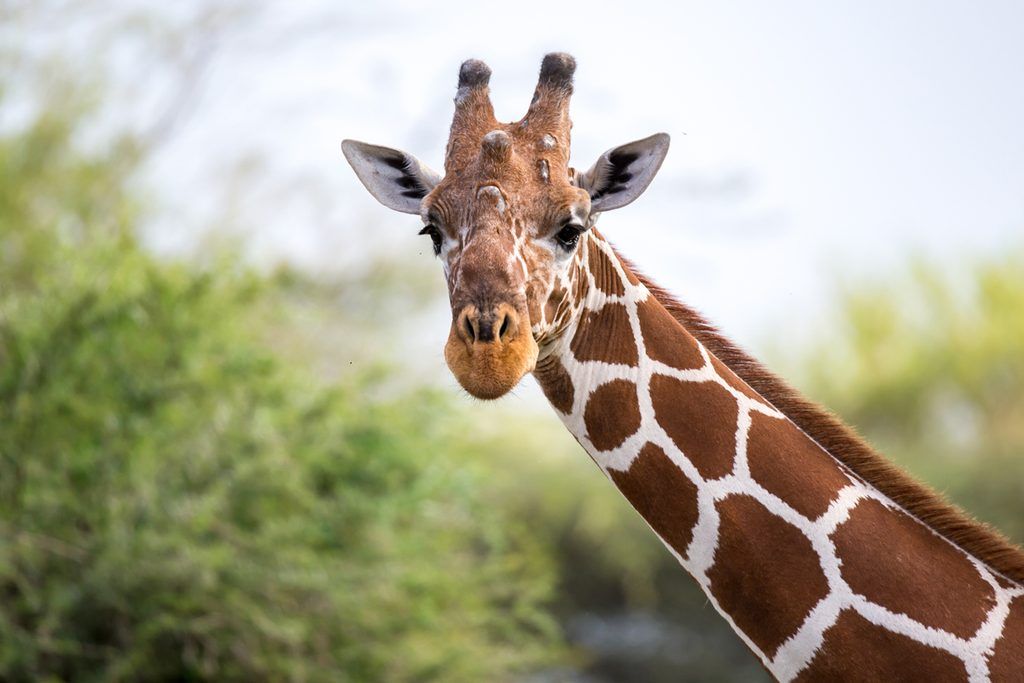
A giraffe’s spots are one of its most recognizable features, but they do more than make for an easily identifiable coat; they also help a giraffe keep its cool. Beneath each patch is a network of blood vessels, with larger vessels running around its edge. When a giraffe needs to shed heat, blood can flow through this network and release heat through the skin without losing water, a useful feature in their dry habitats.
Giraffes’ distinctive spot patterns differ from one individual to another. They’re not only part of temperature regulation but are also instrumental in helping giraffes blend into the dappled light and shadows of the African landscape.
Their Tongues Are Super Long and Weirdly Colored
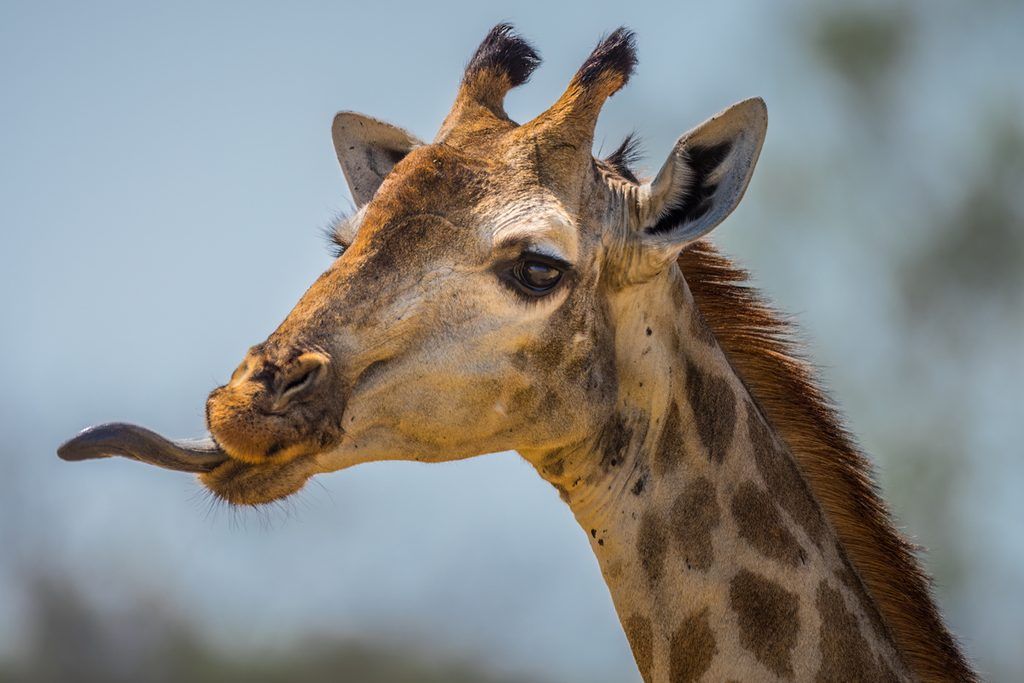
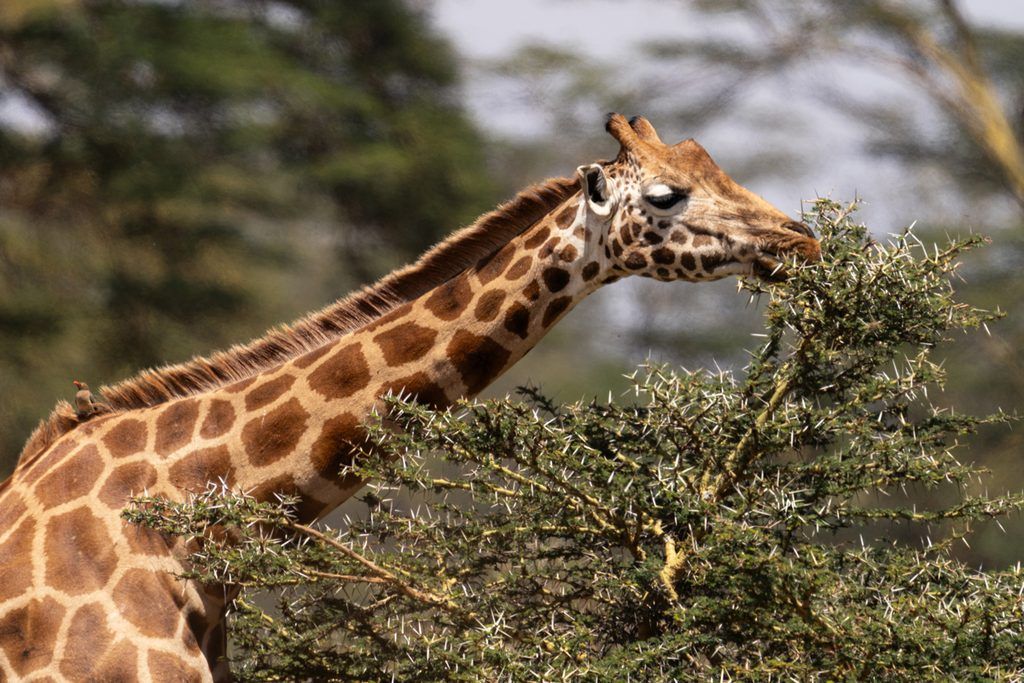
A giraffe’s tongue looks like something that would roll out of a cartoon animal’s mouth, but it’s very real — and very useful. This strange organ measures about 18 to 21 inches long and is prehensile, meaning it’s adapted to wrap around, grab, and manipulate food. That comes in handy when stripping leaves from branches, particularly those of a giraffe’s favorite, the thorny acacia tree.
And then there’s the tongue’s colour: The exposed part of a giraffe’s tongue is typically dark blue-black or purple, while the base is pink. The dark pigmentation is thought to act as built-in sun protection, since giraffes spend hours with their tongues stuck out while feeding under the hot sun.
They Have a “Wonderful Net” in Their Necks
A giraffe’s head sits several feet above its heart, so its circulatory system has to work hard against gravity just to get blood to its brain. Blood pressure at a giraffe’s heart level can reach around 200 mmHg (millimeters of mercury), about twice the typical pressure found in humans.
One of the giraffe’s solutions to this is what’s known as their “rete mirabile,” Latin for “wonderful net.” This dense network of blood vessels near the brain helps regulate blood flow and protect the brain from dangerous pressure changes.
Think about a giraffe lowering its head to drink: The head may drop several feet in just seconds, which causes a dramatic change in pressure. The rete mirabile helps its circulation handle the trip all the way down and back up again without getting dizzy or causing faint.
Their Legs Have Their Own Pressure System
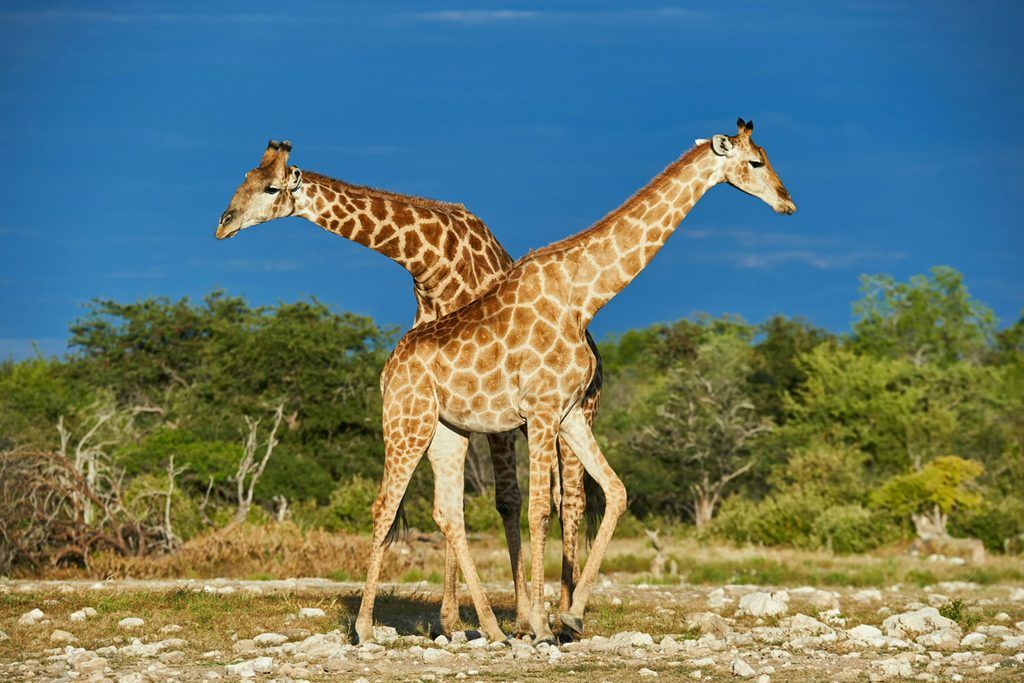
Since giraffes have some unusual circulation problems, they’ve developed adaptations to keep blood and fluid from pooling in their feet and lower legs. The skin on their lower legs is unusually tight, creating pressure around the tissues and blood vessels that helps push fluid up, against gravity, and prevent swelling.
This natural pressure system has even caught NASA’s attention. Researchers have studied giraffe circulation to gain inspiration for innovation,developing a space suit that applies pressure directly to the skin to help astronauts maintain healthy blood pressure levels.
They Barely Sleep and Go Days Without Water
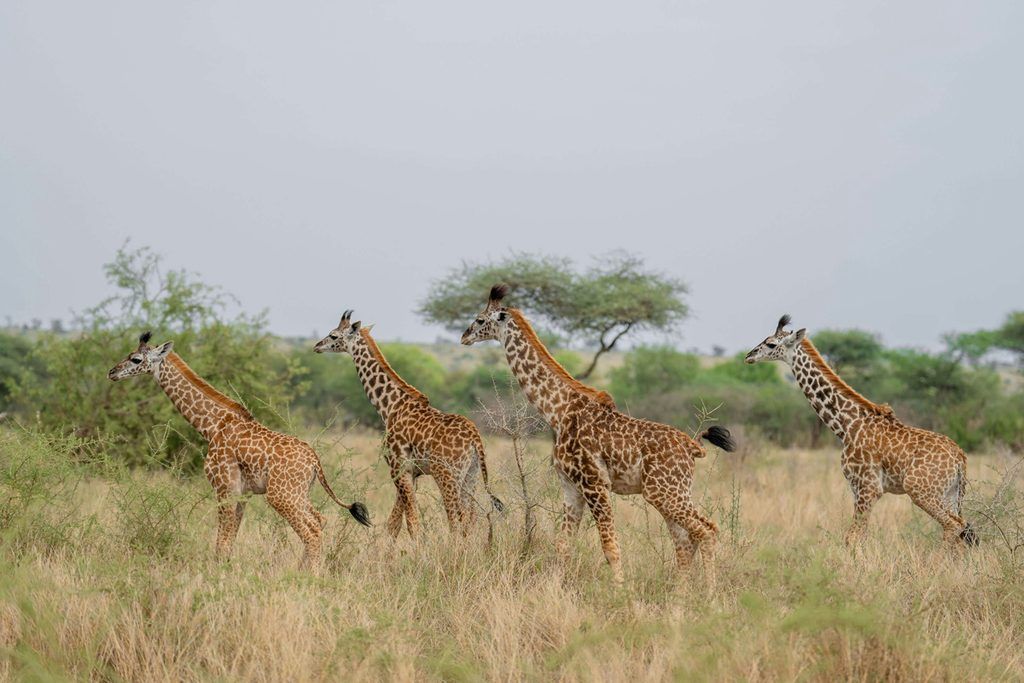
Water and sleep are two pretty fundamental requirements for most animals, but giraffes don’t seem particularly concerned about either one. They get plenty of water from the leaves they eat and can go days — or even up to three weeks — without drinking. When they do drink, they have to spread their front legs and bend their knees to lower their enormous heads to the ground — an awkward position that can leave them vulnerable to predators.
Sleep is similarly sparse: Giraffes sleep in short bouts and average a total of only about 30 minutes of sleep a day. In the wild, they often sleep standing up because lying down may mean a tricker time escaping predators.
Their sleep is usually light and intermittent, and they may even use trees for support. However, in zoos, where predators aren’t a concern, giraffes are more likely to lie down and can sleep for about six hours, still a surprisingly short amount of time for an animal so big.