How Do Animals Show Happiness?


Thousands of languages are spoken around the world, but a smile is one expression that needs little translation. A relaxed face and upturned mouth can signal happiness, amusement, affection, or simple pleasure. But animals don’t smile like humans and can’t tell us how they’re feeling, so how can we know when an animal is happy?
While scientists can’t measure an animal’s happiness directly, they can look for patterns in behavior, vocalizations, physiology, and even decision-making that can provide clues about an animal’s emotional state. No single behavior is a universal sign of happiness, but several behaviors can suggest an animal is experiencing positive emotions.
Play Is a Good Sign
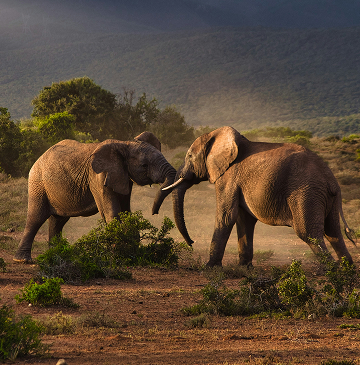
Play is one of the clearest behaviors associated with positive experiences in many animals. Young mammals chase, wrestle, pounce, tumble, and play-fight when they have enough food and aren’t facing any immediate threats.
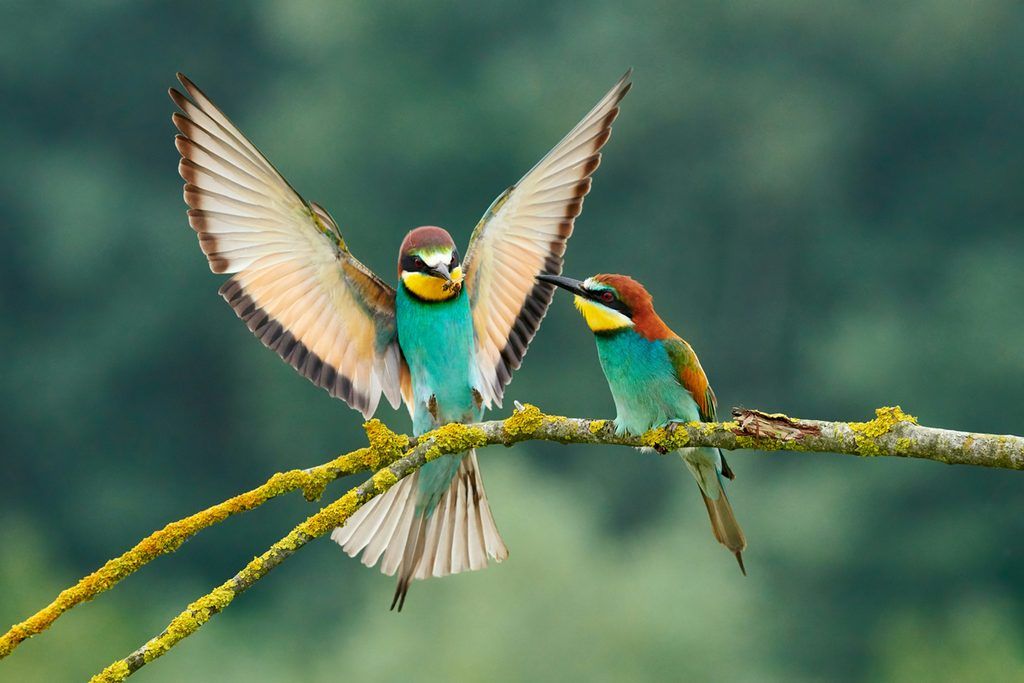
Birds play, too, and researchers have documented playful behavior in species ranging from ravens to parrots. Play is particularly interesting because it requires time and energy an animal could otherwise use for survival, suggesting animals generally play when their basic needs are being met.
That doesn’t mean every playful animal is necessarily happy, however. Play can sometimes occur in adverse situations, such as when food or other resources are limited, or after a period when an animal has been deprived of opportunities to play.
Still, a sudden drop in play can be a warning sign of poor welfare and normal, varied play can indicate an animal has the time, energy, and security to engage in recreation. Researchers therefore consider play to be one particularly useful piece of the larger picture when assessing an animal’s positive emotional state.

Positive Sounds Can Indicate Happiness
Vocalizations can offer more clues to an animal’s emotional state, although the sounds vary enormously from species to species. Cats may purr during pleasant social interactions, and wild cats can make similar sounds. Cheetahs, for example, have been observed purring during positive encounters such as mutual grooming.
Elephants also produce vocalizations during positive social interactions, including greetings and reunions with other members of their group. But researchers don’t assume that any particular sound automatically means an animal is happy; instead, they consider the species in question and the situational context, comparing vocal patterns across positive and negative experiences to determine whether particular sounds reliably correspond with different emotional states.
And some animals communicate positive emotions in ways humans can’t hear at all: Rats, for example, produce ultrasonic vocalizations around 50 kilohertz during situations associated with positive experiences, including play and gentle human “tickling.” Those sounds are above the range of human hearing, but experiments have found their frequency and rate can reflect the intensity of the rat’s positive response.
Look at Their Body Language
Humans tend to look at faces first, but animals communicate positive emotions through their entire bodies. A relaxed posture, friendly approaches, grooming, social contact, and other affiliative behaviors can all provide clues that an animal is experiencing something positive.
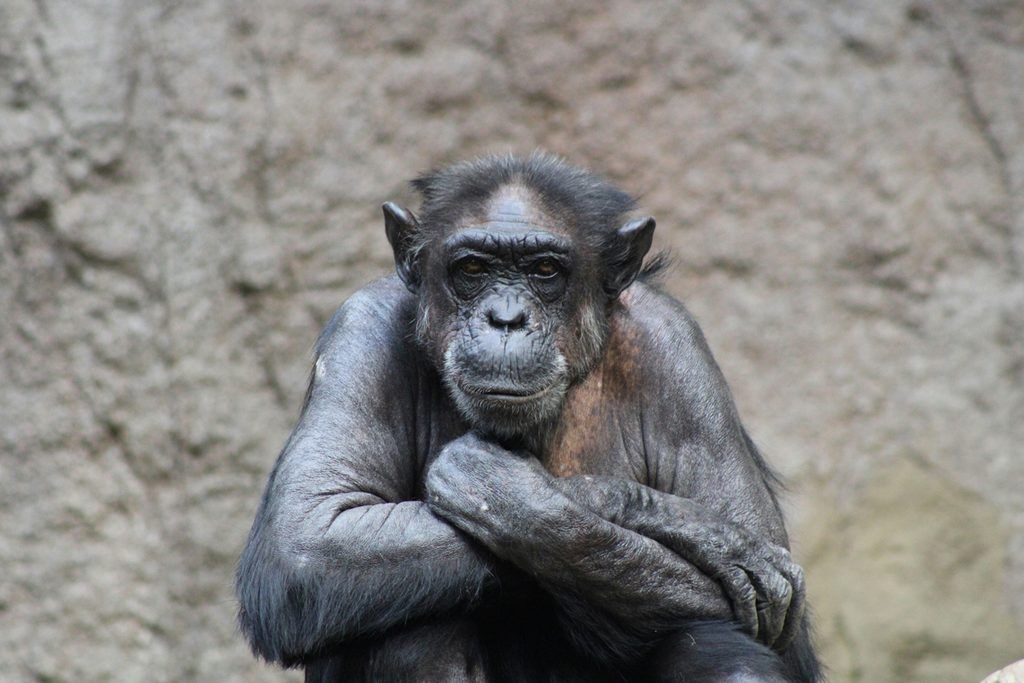
Dogs may seek social contact with people they have a positive relationship with, while animals such as rats and pigs can display increased social interaction during situations associated with positive experiences. Among social animals such as chimpanzees, grooming, rolling around together, playing with infants, and embracing during reunions can all be associated with positive social relationships. Those behaviors give researchers clues because animals are more likely to seek out social contact when those interactions are rewarding.
This is why looking at a single behavior in isolation can be misleading: A dog wagging its tail or a cat purring doesn’t automatically mean the animal is happy in every situation. Scientists need to consider the animal’s posture, surroundings, recent experiences, and other behaviors together. Animal welfare researchers increasingly take several measures into account simultaneously because behavior and physiology can each tell only part of the story.

Happiness Can Show Up in Expectations
One of the most revealing signs of a positive emotional state can be what an animal does when it expects something good to happen. An animal that becomes excited by a familiar cue for food, play, or enrichment, for example, is displaying anticipatory behavior.
Scientists can also test how animals respond to uncertain situations. In cognitive bias experiments, animals first learn that one cue predicts a reward, such as food, while another predicts something unpleasant, such as an unpalatable food, an irritating sound, or no reward at all. Researchers then introduce an ambiguous cue that falls between the two familiar cues.
An animal approaching the ambiguous cue as though it expects a reward is considered an optimistic response, while an animal hesitating or avoiding it as though it expects an unpleasant outcome is considered a pessimistic response. Animals experiencing more positive conditions tend to respond more optimistically to ambiguous cues, while those experiencing stress or poor conditions are more likely to respond pessimistically.
Together, these approaches give researchers a good idea of an animal’s overall emotional state. We may never know exactly what happiness feels like to another species, but we can learn a great deal from the ways animals respond when something feels good to them.