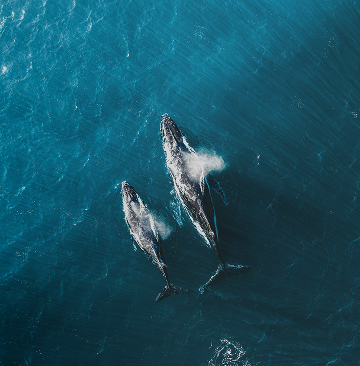
How Do Animals Hold Their Breath So Long?
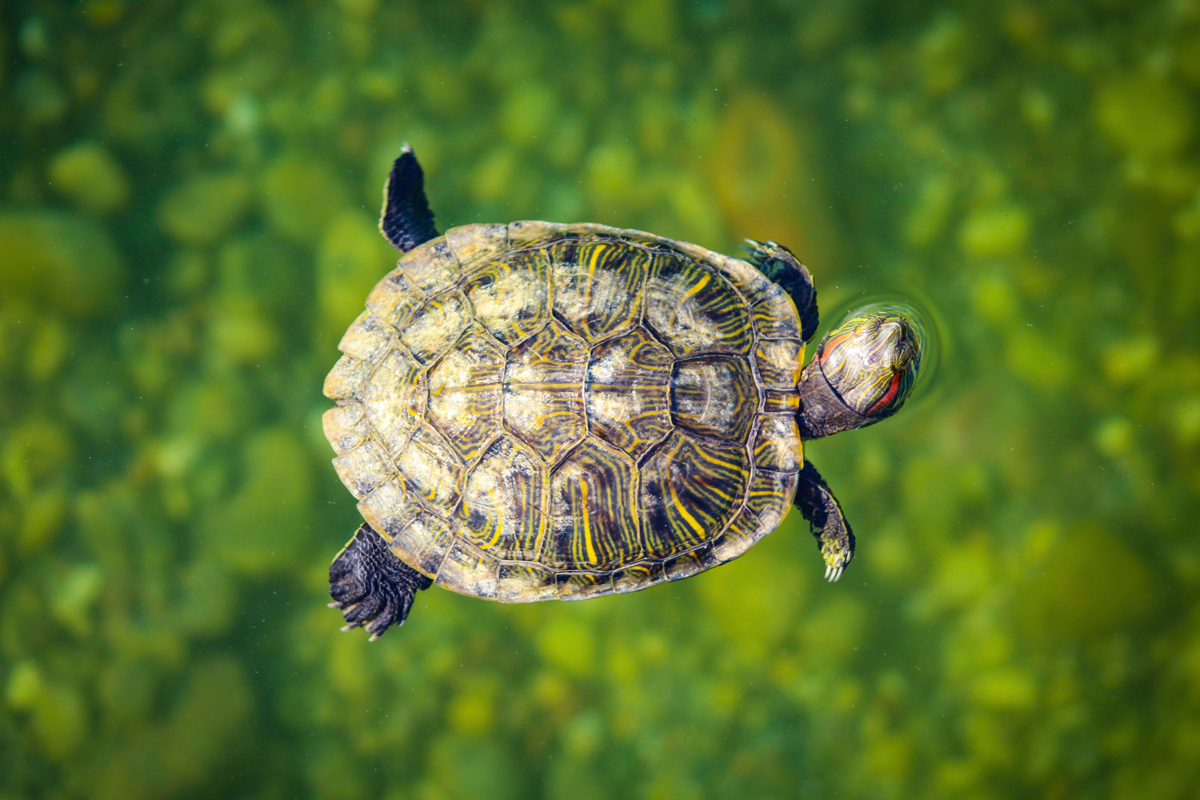

Hundreds of millions of years ago, some early land animals returned to the water in search of new food sources. Today, our oceans, lakes, and rivers are teeming with air-breathing creatures uniquely adapted for life underwater. But how do air-breathing animals such as whales hold their breath for three hours or more? Why are turtles able to hibernate at the bottom of a lake for months on end without oxygen? Oxygen might be an essential part of life on Earth, but some creatures have found unique workarounds to allow them to survive in places where the element is scarce.
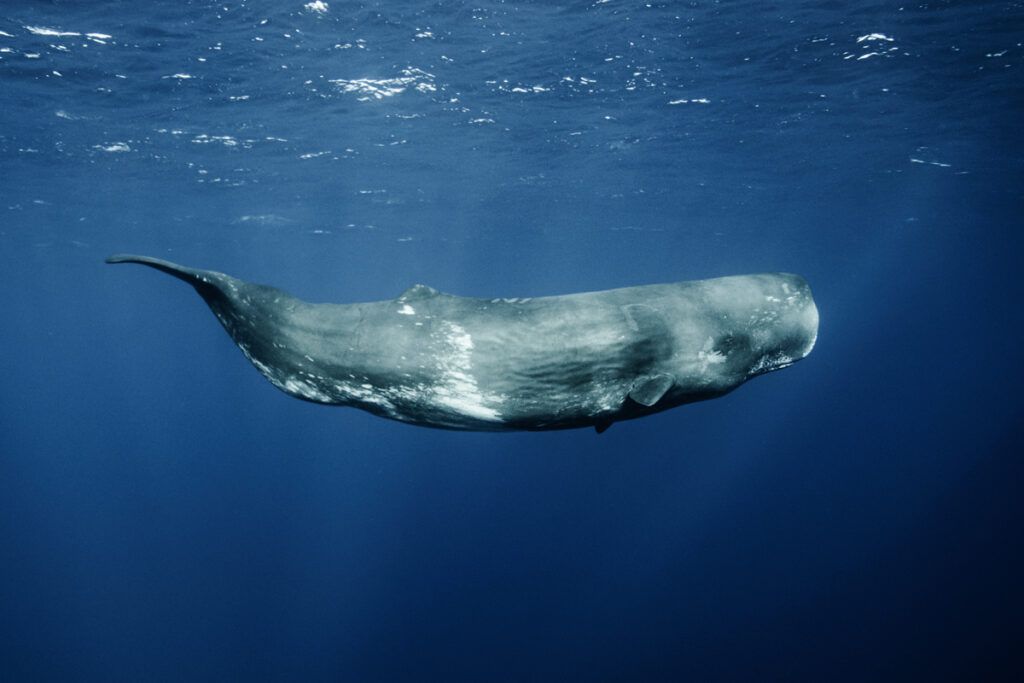
Marine Mammals
Whales, dolphins, seals, and other marine mammals all face the same challenge: they need oxygen to survive, yet spend much of their lives underwater. Over millions of years, they’ve evolved remarkable ways to hold their breath far longer than any human could.
Some are especially impressive. Sperm whales, which hunt giant squid in the deep ocean, routinely stay underwater for around 90 minutes. The current record belongs to a Cuvier’s beaked whale, which remained submerged for an astonishing 222 minutes while diving nearly 2,000 meters. Even bottlenose dolphins, which make much shorter dives than whales, routinely hold their breath for up to 10 minutes and rely on the same oxygen-saving adaptations. To put things in perspective, the average person can only hold their breath between 30 to 90 seconds. Add any sort of exercise – like swimming – and that time shrinks. So, how do these creatures manage without air for so long?
It all comes down to efficient oxygen storage and management. Marine mammals store extraordinary amounts of oxygen in their blood and muscles. High concentrations of hemoglobin in the blood and myoglobin in the muscles allow them to carry and store far more oxygen than humans can. In whales, the effect is especially dramatic — their muscles are so rich in myoglobin that they appear almost black.
The other part of the equation is how these creatures metabolize oxygen. While diving, marine mammals undergo bradycardia, an adaptation that causes their heart rate to drop dramatically to conserve oxygen. Blood flow is redirected toward essential organs like the brain and hear, while nonessential functions such as the liver and kidneys, temporarily receive less blood. In one remarkable study, researchers recorded a blue whale’s heartbeat for the first time. During deep dives, its heart slowed to just four to eight beats per minute.
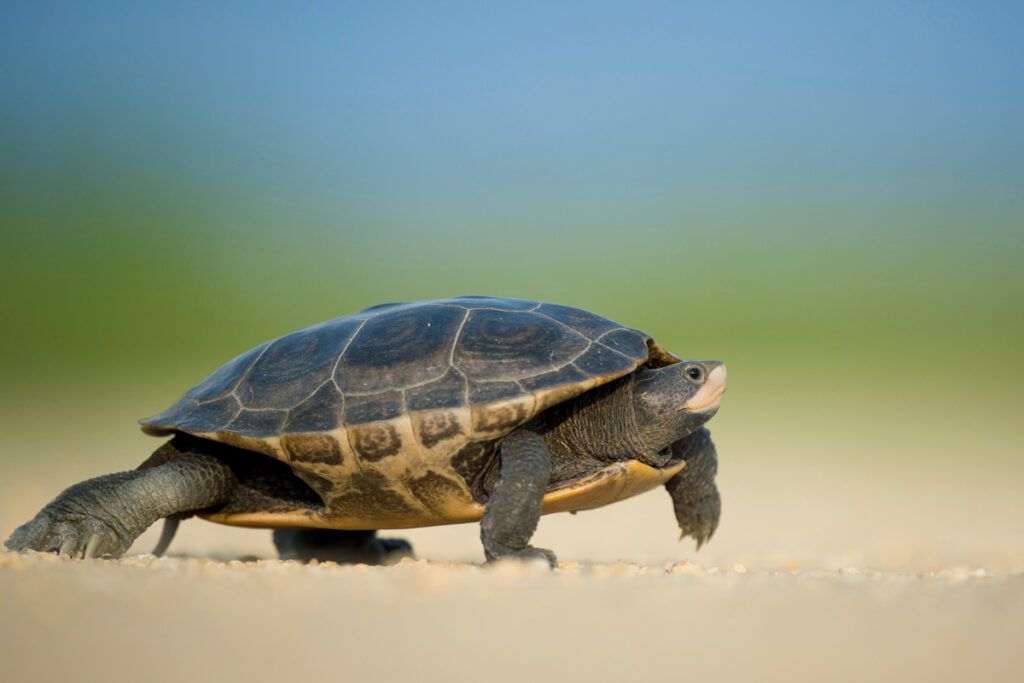
Reptiles For the Win
Marine mammals aren’t the only champions of underwater endurance. Reptiles have evolved some astonishing breath-holding abilities of their own. Alligators regularly hold their breaths for up to 30 minutes but some can even go 24 hours under the right conditions. Like diving mammals, they slow their heart rate thereby reducing their oxygen needs.
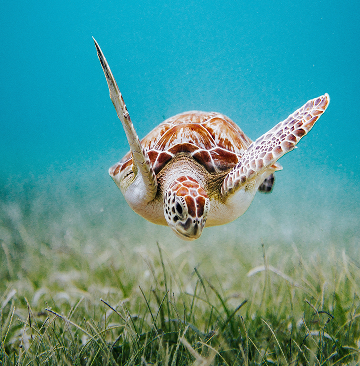
Sea turtles are equally remarkable. While resting, they can remain underwater for up to seven hours, and leatherback turtles routinely dive to incredible depths. One individual was recorded descending more than 1,200 meters (3,937 feet). Like whales, they slow their heart rate and use flexible lungs that collapse safely under immense pressure.
One major advantage reptiles have over mammals is that they’re ectothermic, or cold-blooded. Because they don’t expend energy maintaining a constant internal body temperature, their metabolism is much lower than that of mammals. That means they require less oxygen to begin with — a huge advantage when every breath counts.
Some freshwater turtles take underwater endurance to an entirely different level, spending the winter months submerged at the bottom of a frozen lake where they can survive without freezing – or breathing – for 100 days or more. Turtles achieve the impossible by slowing down their metabolism during brumation – a reptilian version of hibernation.
These turtles do cheat a little, as they aren’t completely holding their breath. While in brumation, they can absorb some oxygen through blood vessels in their skin. They have particularly vascularized cloacas, or butts, so scientists call this mode of breathing cloacal respiration.
Animals That Don’t Breathe
It has long been assumed that all multicellular animals require oxygen to survive. But in 2010, Roberto Danovaro, an Italian marine biologist from the Polytechnic University of Marche, found three new species of Loricifera, microscopic creatures that seemed to be thriving – and even reproducing – in hypersaline, oxygen-free sediment at the bottom of the Mediterranean Sea.
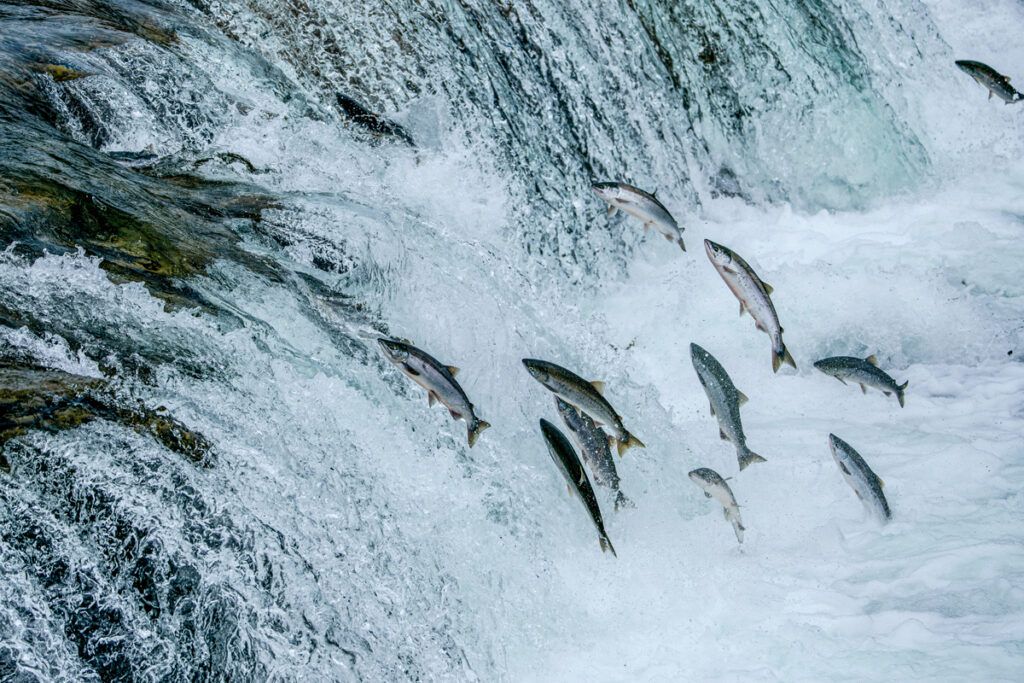
A decade later, microbiologists from Oregon State University announced another example of a multicellular animal that doesn’t require oxygen. Henneguya salminicola, a parasite related to jellyfish and corals, was discovered living in the muscle of salmon – a decidedly anaerobic, or oxygen free, environment. There are likely scores of undiscovered creatures out there that don’t need oxygen to survive.