Some Turtles Can Breathe Through Their Butts
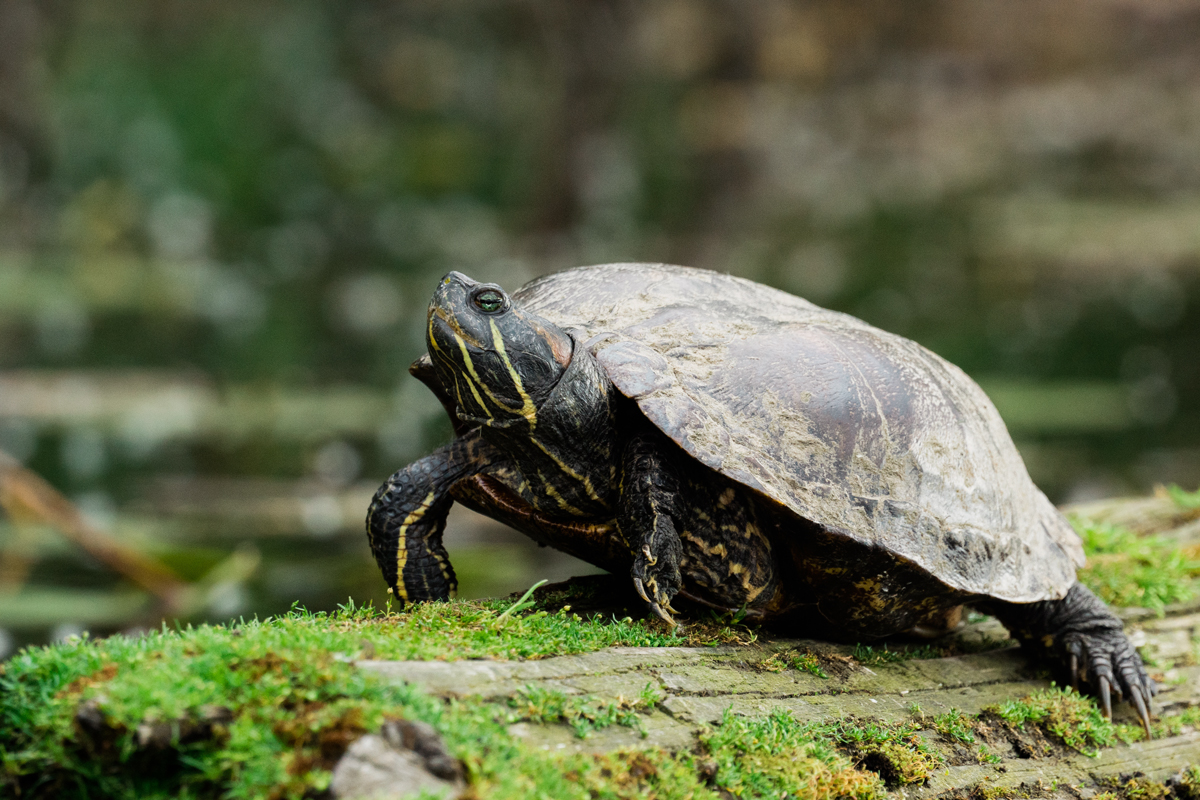

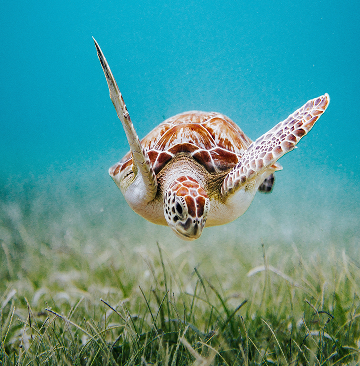
Most people associate hibernation with a cozy, snow-covered cave or underground burrow, but what about the bottom of a frozen lake? That’s where you’ll find some species of turtles who hole up beneath the icy water for months at a time. Species like the common snapping turtle enter brumation — the reptilian equivalent of hibernation — when temperatures plummet. Because turtles are ectothermic, or cold-blooded, their body temperature drops along with the surrounding water, slowing their metabolism by as much as 95%. In this low-energy state, they can survive for months beneath the ice.
But that raises an obvious question: How do they breathe? Even frozen lakes contain dissolved oxygen, and these turtles absorb it directly from the water through specialized blood vessels in their skin. The highest concentration of those blood vessels just happens to be… under their tails.