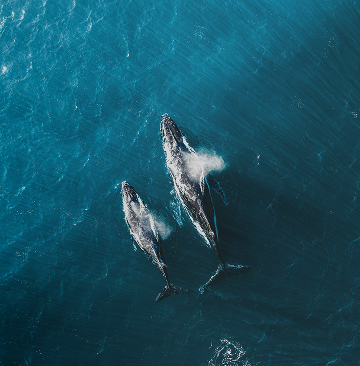
How Whales ‘Talk’ Under the Sea
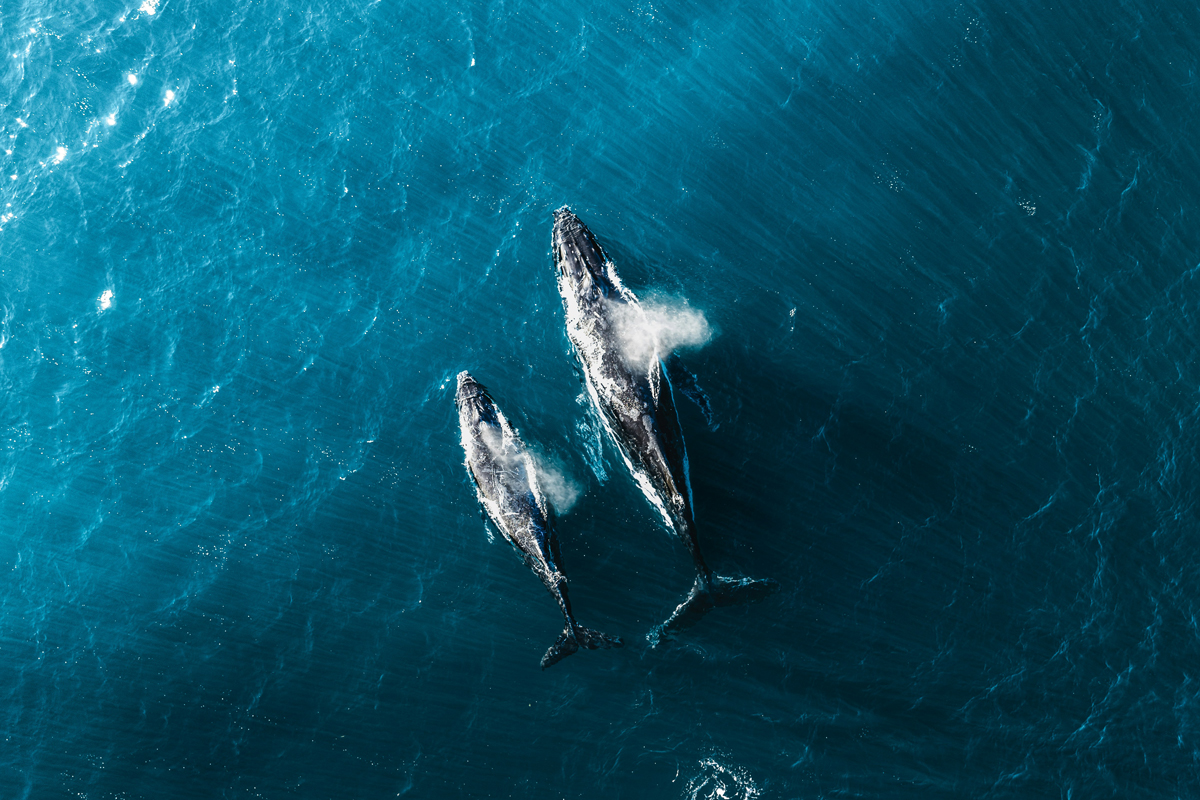

In the ocean, light fades quickly, but sound travels nearly five times faster in water than it does in air and can also travel much farther. Deep beneath the ocean’s surface, whales are communicating. They may not speak with words as humans do, but they have nonetheless developed some of the most sophisticated communication systems in the animal kingdom.
Over millions of years, whales evolved to rely on sound as their primary way of navigating, hunting, finding family members, and maintaining social bonds. Through songs, clicks, whistles, and body movements, they exchange information across vast underwater distances, sometimes reaching companions many miles away. Scientists have spent decades studying this hidden world, yet they’re still untangling its complexity.
Whale Songs
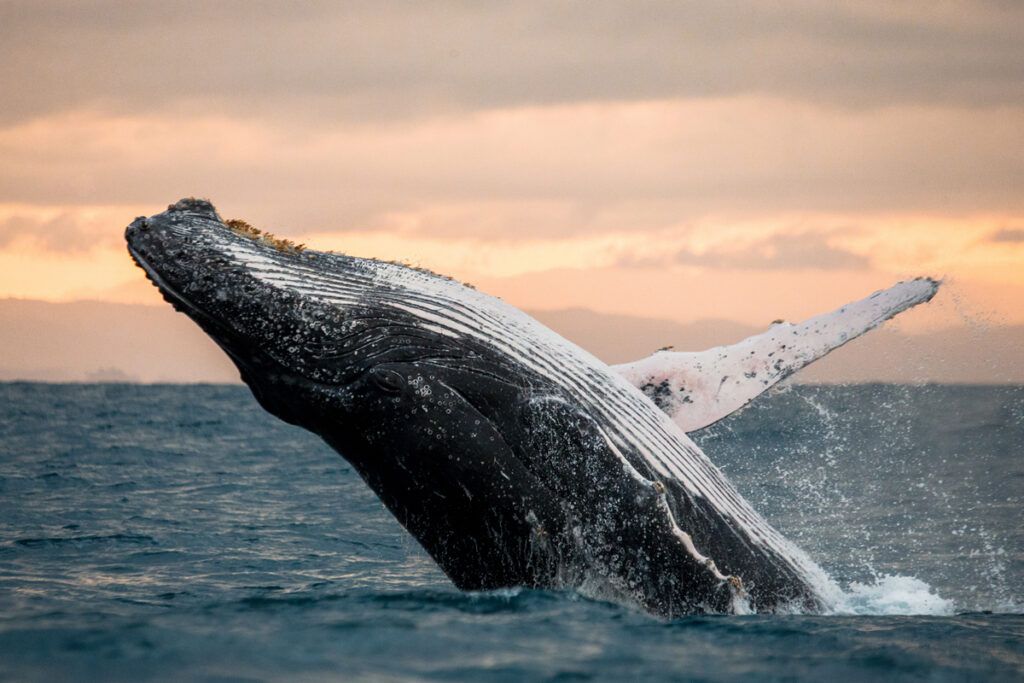
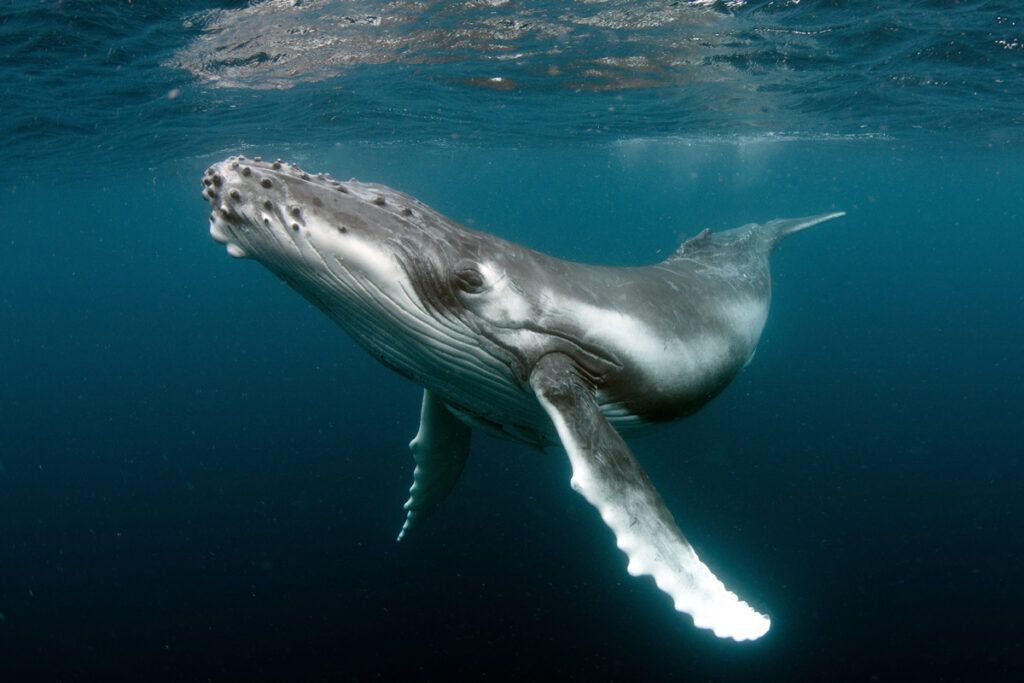
Perhaps the best-known example of whale communication is the haunting song of the humpback whale. These long, complex sequences of cries, moans, and whistles can continue for hours. During the breeding season, males often sing nearly nonstop, and whales in the same region tend to emit variations on the same song.
What makes humpback songs especially remarkable is that they change over time. New sounds are introduced, old ones disappear, and entire populations gradually adopt the latest version. Researchers believe the songs themselves play a role in reproduction, with males likely using them to attract mates or compete with other males, although the exact purpose is still being studied.
New song patterns have even spread from one whale population to another across the Pacific, suggesting humpbacks learn from one another rather than relying solely on instinct. This is one of the clearest examples of cultural transmission documented in a nonhuman animal.
Different Sounds for Different Purposes
Not all whale communication sounds like a song. Different species have developed different ways of exchanging information depending on their environment and lifestyle.
Large baleen whales — including humpbacks, blue whales, and fin whales — don’t have teeth. Instead, they use comb-like plates of baleen to filter tiny prey such as krill and small fish from seawater. These whales often produce deep, low-frequency calls that can travel hundreds of miles through the ocean and that may help the whales stay in contact during migration, locate potential mates, or maintain connections across vast feeding grounds.
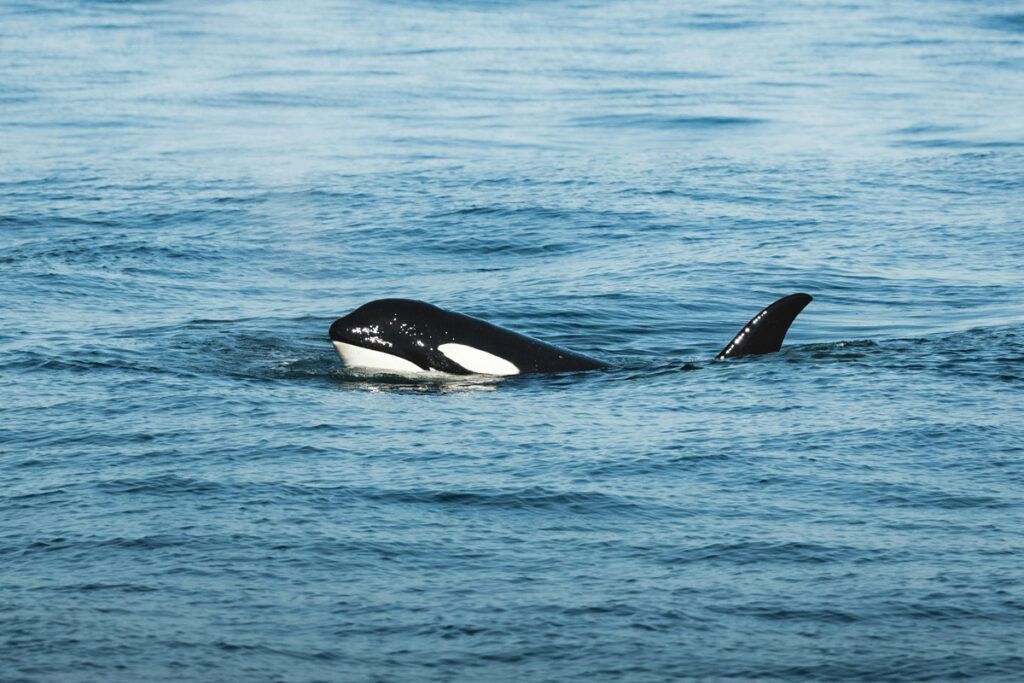
Toothed whales — including dolphins, orcas, and sperm whales — rely on a different system built around clicks and whistles. Rapid clicks provide echolocation, a natural sonar system that enables the animals to hunt and navigate in complete darkness, while whistles and other calls help them stay together, coordinate hunts, and maintain the complex social relationships that define their pods.

Voices and Dialects
One of the most intriguing discoveries involves bottlenose dolphins, a species of toothed whale, each of which develops a unique “signature whistle” early in life. Other dolphins can imitate those whistles to call a particular individual, meaning they function much like human names. Rather than simply recognizing a familiar voice, dolphins appear able to “call” specific individuals using learned vocal signals.
Orcas reveal another aspect of whale communication. Each pod has its own distinctive dialect, a kind of vocal “accent” made up of shared calls and patterns that group members learn from one another. Those shared vocal traditions are passed down through generations within the pod rather than inherited genetically, helping identify family groups and strengthen social bonds.
Sperm whales communicate using rhythmic click patterns known as codas. Different family groups and larger social “clans” use distinct codas that are learned and passed from one generation to the next. This variety of signature whistles, pod dialects, and clan-specific codas suggests that many whales and dolphins do more than make sounds — they learn and share communication traditions within their societies.
Decoding the Language of Whales
Much of what scientists know about whale communication has come from decades of underwater listening. Beginning in the mid-20th century, researchers lowered sensitive microphones called hydrophones into the ocean and discovered that what seemed like a silent world was actually bursting with sound.
Today, networks of hydrophones allow scientists to monitor whale populations across vast distances. By comparing recordings collected over many years, researchers can identify different species, track migration patterns, recognize call patterns, and study how whale songs have changed over time.
Advances in artificial intelligence are now helping scientists analyze millions of recordings that would have taken decades to study manually. As researchers continue working to understand these complex communication systems, each new discovery reveals just how much there is left to learn.