Hummingbirds Are Even More Magical Than You Know
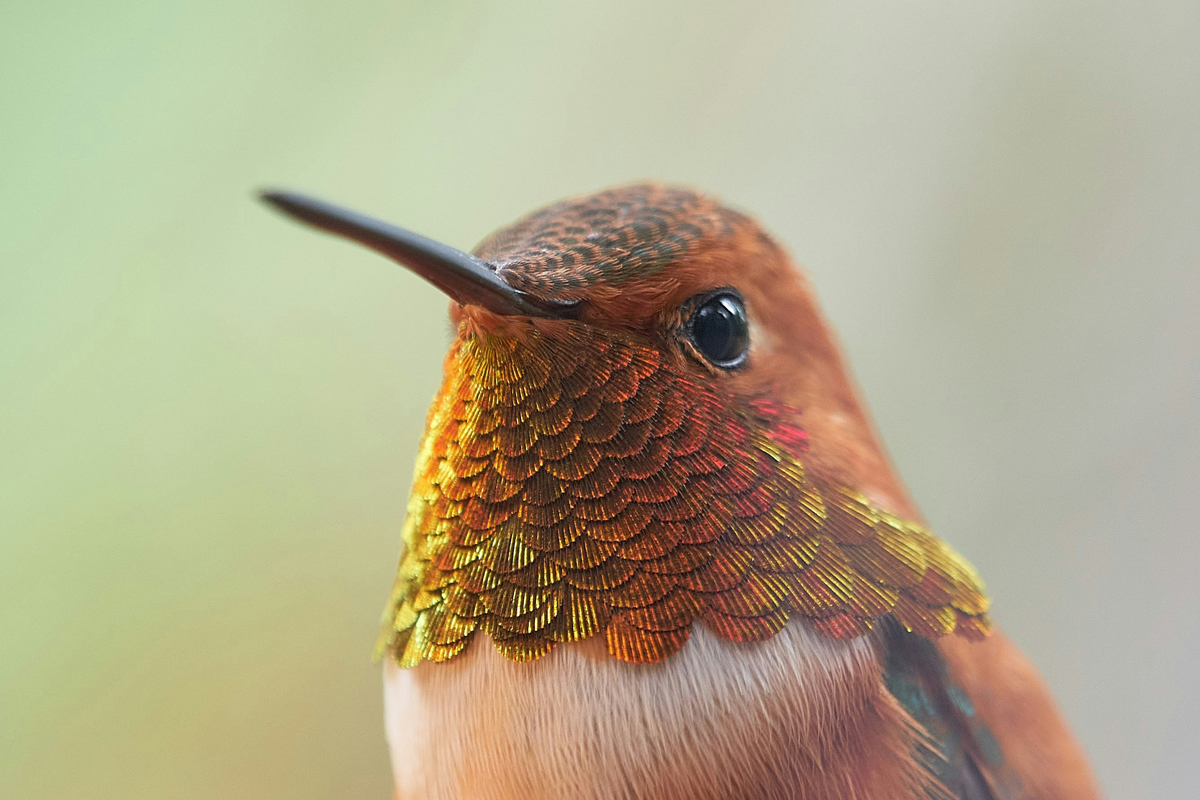

Is there such a thing as someone who doesn’t like hummingbirds? Hundreds of species of these tiny, colorful birds inhabit a wide range of habitats across the Americas, and despite their diminutive size, these creatures have evolved some remarkable ways to feed, fly, and survive.
Their unusual anatomy and extremely high metabolism allow them to do things that seem almost impossible, from hovering in place to eating nearly nonstop every day. Here are five facts you may not know about hummingbirds.
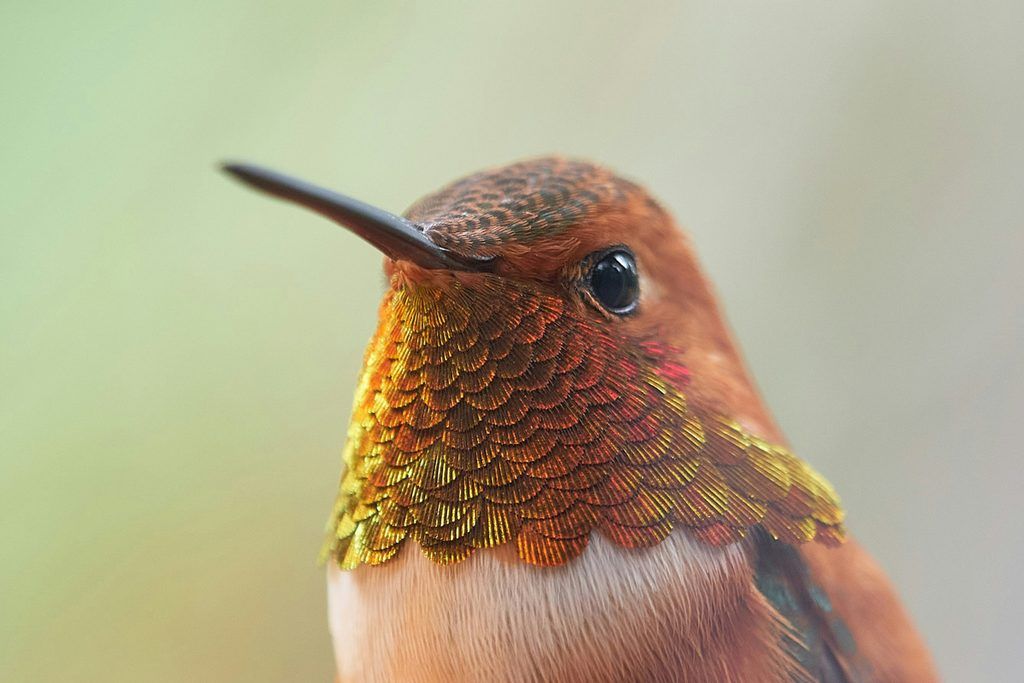
They’re the World’s Smallest Birds
There are roughly 340 species of hummingbirds, all of which live in the Americas, from Alaska to the southern tip of South America. These birds, though all small, do vary considerably in size.
The smallest is Cuba’s bee hummingbird, which is not only the smallest type of hummingbird but also holds the impressive title of the world’s smallest known bird, period. Male bee hummingbirds weigh as little as 1.95 grams, while females can weigh up to 2.6 grams — just slightly more than a modern U.S. dime — and all of them measure only about 2 inches long.
For comparison, the calliope hummingbird, the smallest hummingbird regularly found in Canada and the United States, weighs around 2.8 grams and is about 3 inches long. Being this small actually comes with an enormous energy demand, which explains why hummingbirds spend so much of their day feeding (but more on that below).
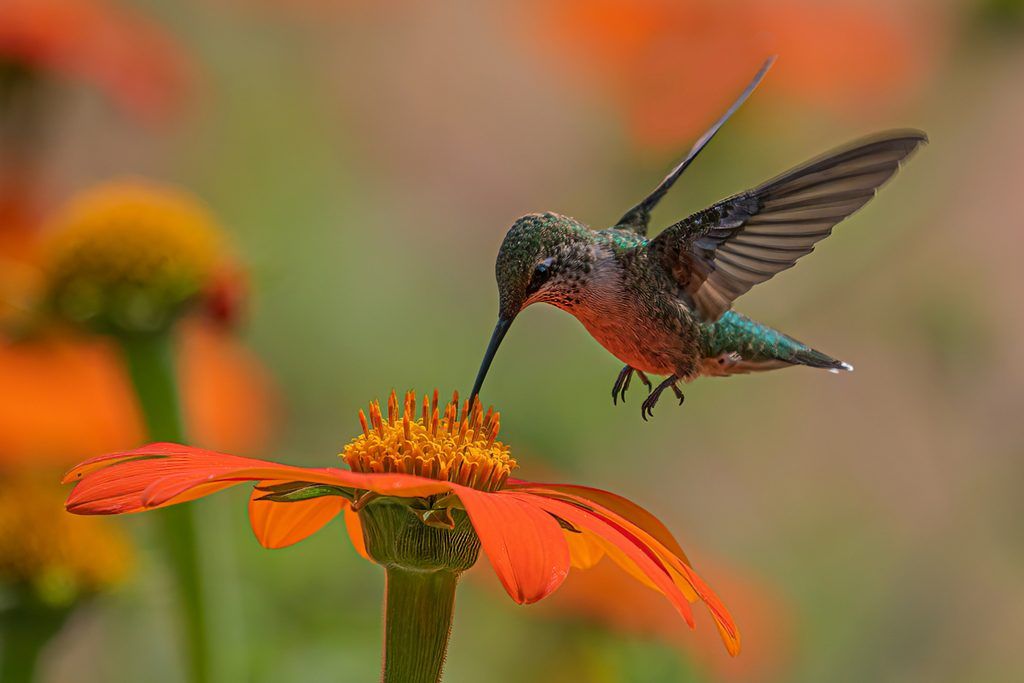
They Visit Up to 2,000 Flowers a Day
Hummingbirds have extraordinarily fast metabolisms — about 77 times faster than that of a human — driven in large part by the enormous energy demands of their flight. To keep up with that demand, they need to feed frequently throughout the day. Depending on the species and availability of food, a hummingbird may visit 1,500 to 2,000 flowers per day, feeding about every 10 to 15 minutes while it’s awake.
Their hearts can beat more than 1,200 times per minute while flying. Meanwhile, their wings beat around 70 times per second during direct flight and more than 200 times per second during dives. Nectar provides the quick energy they need, but hummingbirds also eat insects and spiders to get that all-important protein as well as other nutrients it requires to stay healthy.
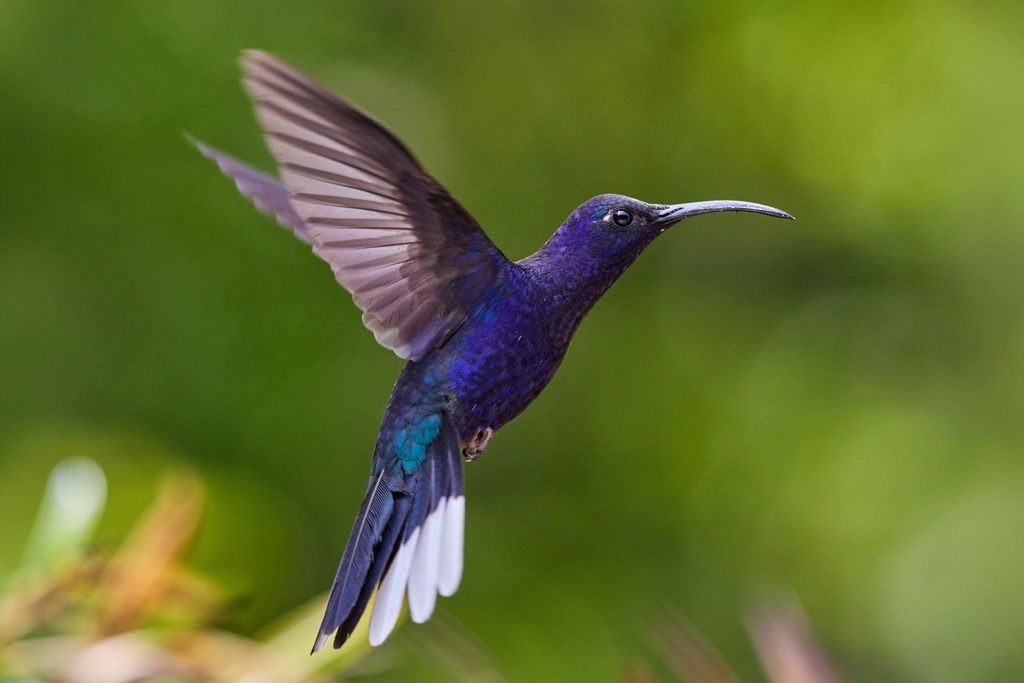
They Can Fly Backward
Hummingbirds are the only birds capable of sustained backward flight. Rather than turning around when they want to retreat from a flower, they can simply reverse their direction. Their unusually flexible wings rotate nearly 180 degrees at the shoulder and trace a horizontal figure-eight shape, generating lift as the wings move forward and backward rather than relying primarily on the downward stroke.
But that’s not all: Hummingbirds are also the only birds that can hover. That same unusual wing movement allows them to remain almost perfectly stationary in the air while feeding, as well as fly straight up and down, sideways, and, at times, even briefly upside down.
They Can’t Walk or Hop
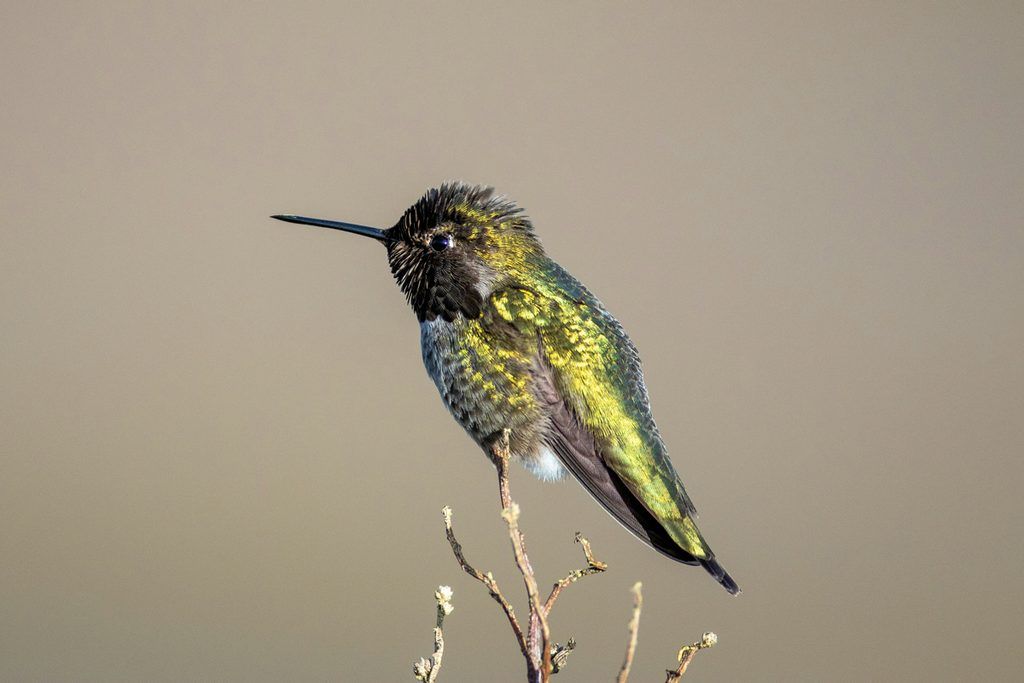
Hummingbirds may be exceptional fliers, but they’re surprisingly helpless on the ground: They can’t actually walk or hop due to their unusually small legs and feet. Their life is oriented around flight, and the extra weight would be a disadvantage.
Their feet are still useful for perching, so hummingbirds can grip branches while resting or feeding. But when they need to go somewhere, they have only one option: flight. And they’re pretty good at that, reaching nearly 30 miles per hour in direct flight and more than 45 miles per hour in courtship dives.
Their Nests Are Made of Spiderwebs
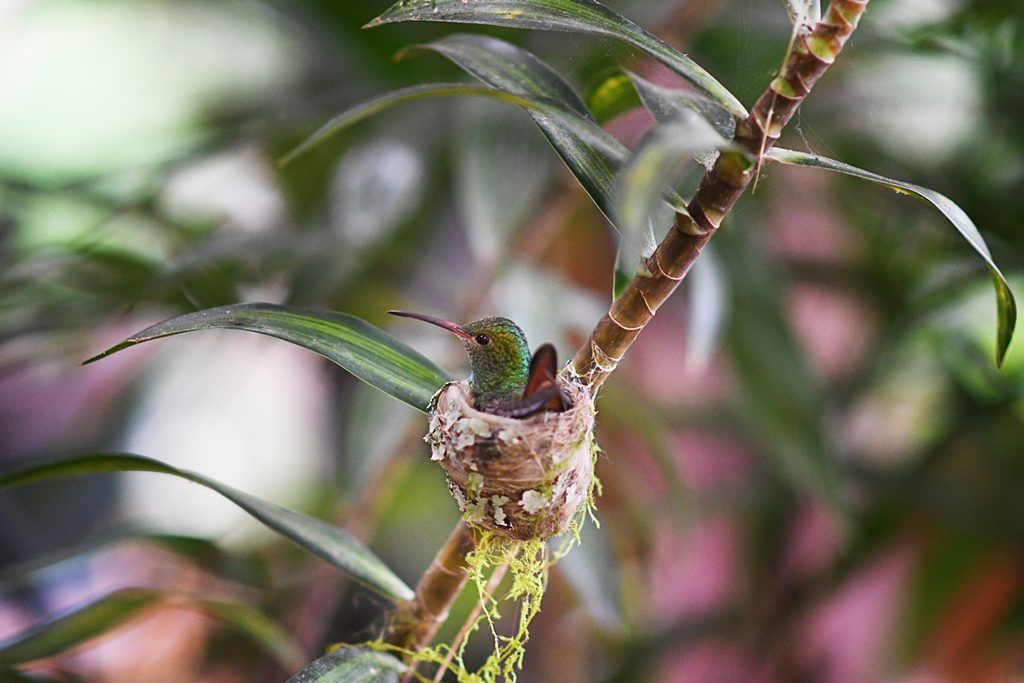
A hummingbird nest, although quite small (about the size of a golf ball) is a surprisingly sophisticated structure. Females construct the tiny cup-shaped nurseries from soft plant material such as moss and lichen.
But what holds the whole thing together is even more interesting: spider silk. The sticky strands are woven through the nest and around the supporting branch, essentially acting as a natural, and flexible, binding material. Despite their delicate appearance, these nests are able to withstand the elements — not to mention the movements of the small growing brood — quite well.
Hummingbird eggs are appropriately tiny, too. A ruby-throated hummingbird, for instance, lays eggs about the size of peas, with a typical nest containing just one or two eggs.