The Most Dramatic Ways Animals Reject Their Suitors

Rejection is never fun, but most of us can probably agree that being ignored is preferable to being snarled at. In the animal kingdom, turning down an unwanted suitor can be a considerably dramatic affair. Some animals simply flee from persistent males, while others have developed more unusual ways of saying they’re not interested, from diving underwater to pretending to be dead.
Here are five of the most dramatic ways animals reject potential mates.
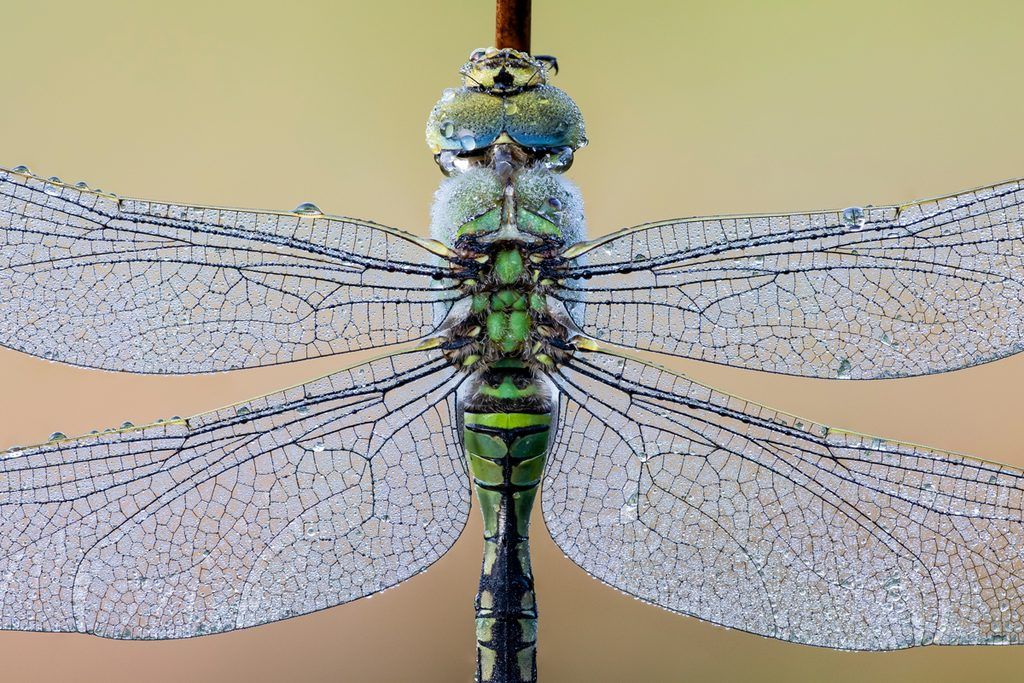
Common Hawker Dragonflies
And the award for the best dramatic rejection goes to: the common hawker dragonfly. A female will simply fall to the ground and play dead if a determined male is on her tail. This typically happens after the female has already mated and is seeking somewhere to lay her eggs.
The male will hover over her motionless body for a moment before leaving, taking in the convincing performance. This tactic — known as sexual death feigning — seems to be more than a clever trick: Repeated mating attempts by aggressive males can result in females getting hurt or even drowning.
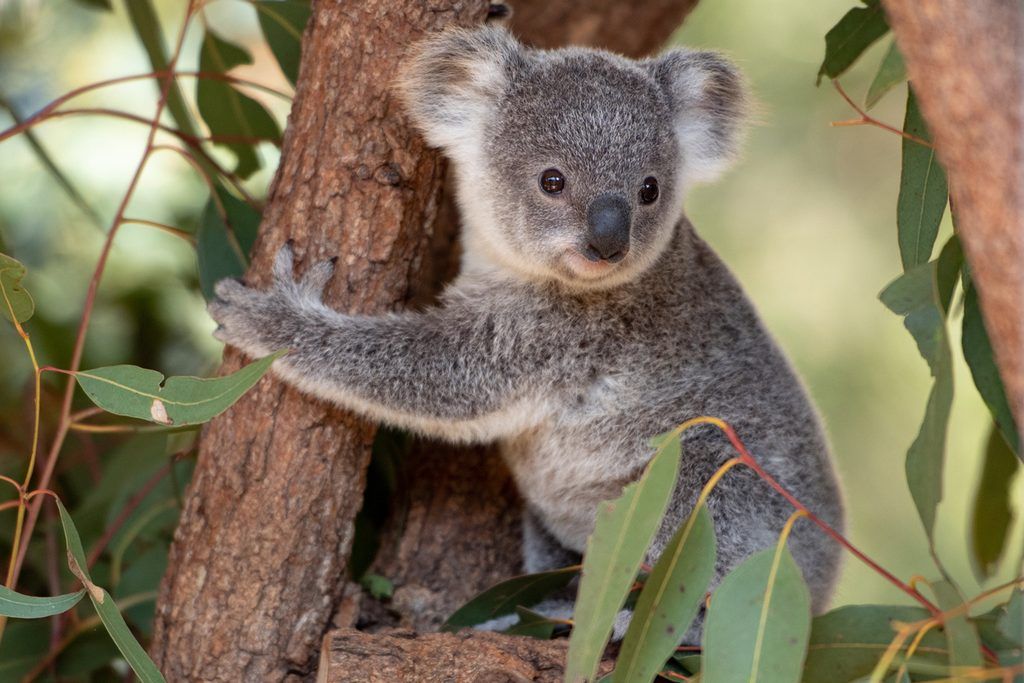
Koalas
Koalas may seem cuddly and docile, but if a female isn’t interested in a male she can be extremely assertive. Females have been known to squawk, scream, wail, and snarl when rejecting a male’s attempts to mate, sometimes biting, scratching, or scrambling away in the process.
In captivity, some females have also been observed engaging in sexual interactions with other females instead. The rejected males, meanwhile, seem to have the ideal response: Go sleep it off. Koalas can spend around 18 hours a day sleeping or resting, an energy-saving habit that’s conducive to a post-rejection nap.
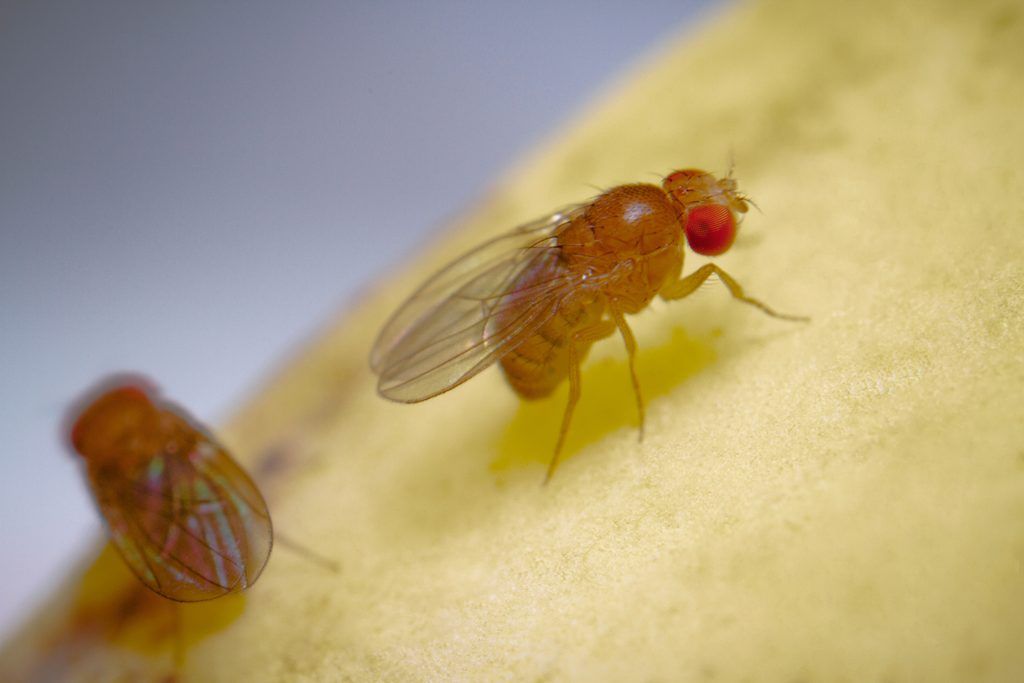
Fruit Flies
Male fruit flies hardly phone it in when they’re trying to impress a female. They perform an elaborate courtship routine, singing a song by vibrating one wing while extending it out to the female. But if she’s not feeling that (literal) romantic gesture, female fruit flies may flick their wings, kick at the male, or extend her ovipositor, the organ used to lay eggs, to let him know he can buzz off.
And if repeated rejection gets to him, well, there’s always the option of drowning one’s sorrows. In one study, rejected male fruit flies developed a stronger preference for ethanol than males that had been permitted to mate. Once the rejected males were eventually given the opportunity to mate, their taste for alcohol diminished.
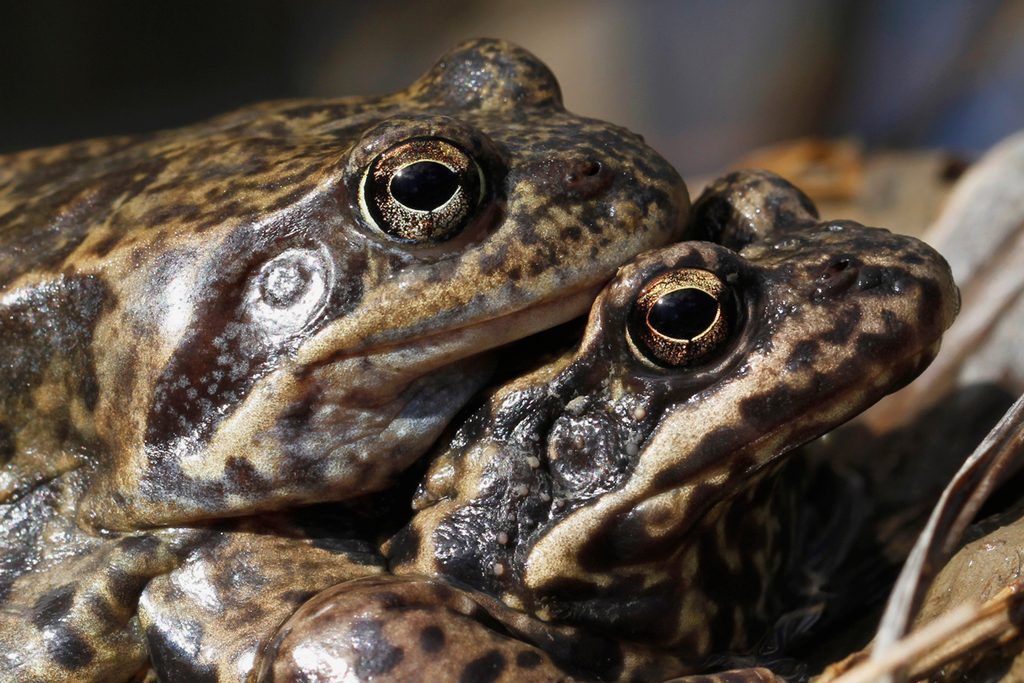
Frogs
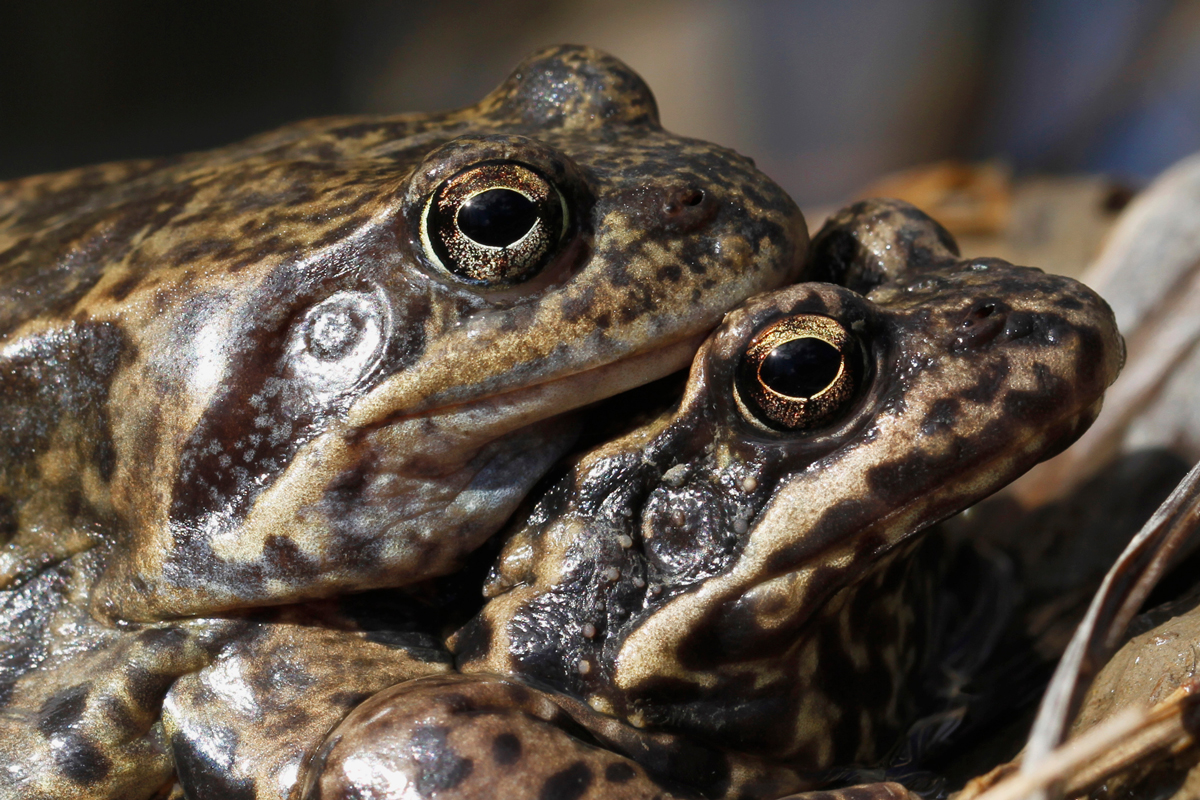
Female European common frogs have more than one way to tell an overly eager male to take the hint. When a male grabs a female, she may rotate her body, making it difficult for him to keep his grip, or she may produce a call that sounds surprisingly like a male frog’s call. And then, again, there’s the most dramatic option: playing dead.
American green tree frogs have another unusual strategy: Females can inflate their lungs in a way that changes how they hear sounds, allowing them to tune out certain frequencies. In other words, if she hears the frog equivalent of a bad pickup line, she may simply perform her own frog equivalent of covering her ears and saying, “I can’t hear you.”
Octopuses
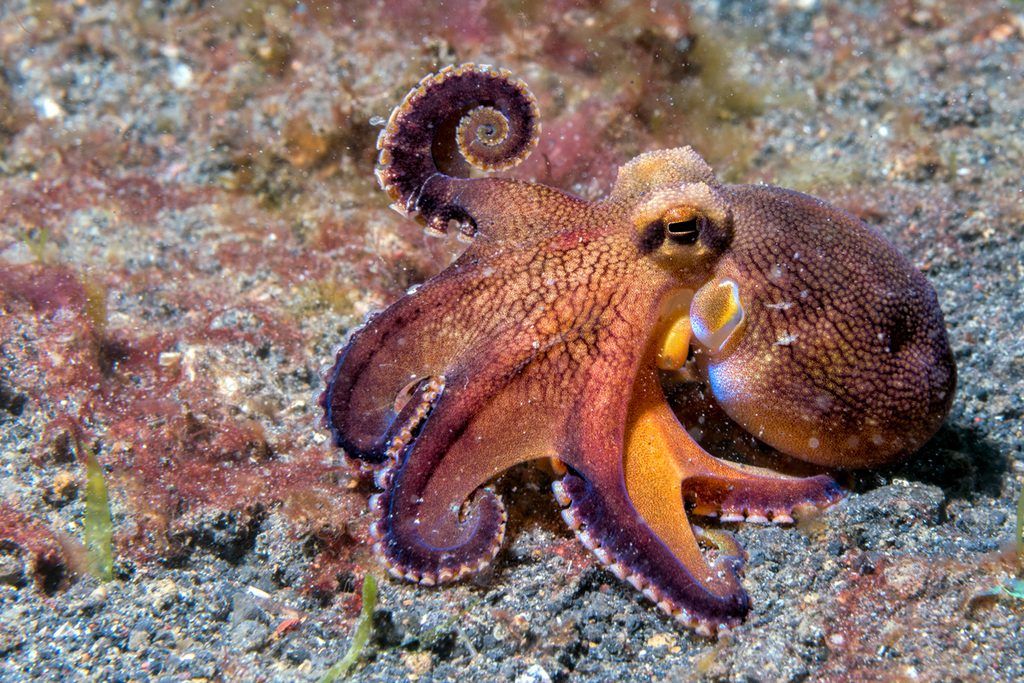
Female octopuses have a major advantage when an unwanted suitor comes calling: eight arms with which to put up a fight. Common Sydney octopuses have been observed gathering silt, shells, or other debris in their arms and launching it at nearby octopuses using jets of water. This comes in especially handy when attempting to dodge unwanted suitors.
And the ladies can be just as persistent as the men. In one observation, a female threw silt at a male 10 times, hitting him five times when he wouldn’t relent. And she wasn’t just randomly flinging debris: The throws were more vigorous and more deliberately aimed than the everyday tosses performed by octopuses when, say, cleaning their dens.