Proof That Narwhals Are the Ocean’s Greatest Weirdos
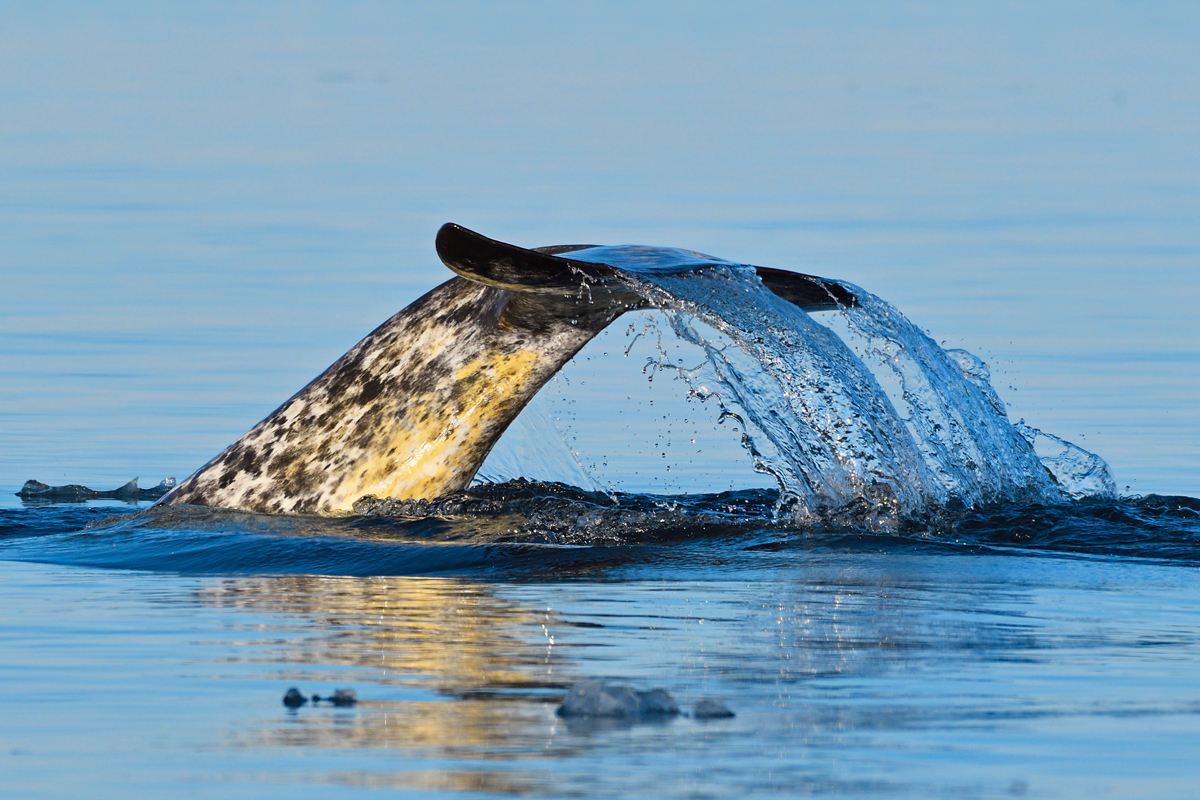

Narwhals are playfully known as the “unicorns of the sea,” which, as nicknames go, is a bit like calling naked mole rats the “mermaids of the soil.” These stocky cetaceans have spent centuries baffling and intriguing sailors, scientists, and royalty alike, and the closer you look, the stranger they get.
Their famous tusk is really just the start. Many aspects of this strange whale — even the origin of its name — continue to raise questions. Here’s proof of why this Arctic oddball is one of the ocean’s greatest weirdos.
Their Famous “Horn” Is Really a Tooth
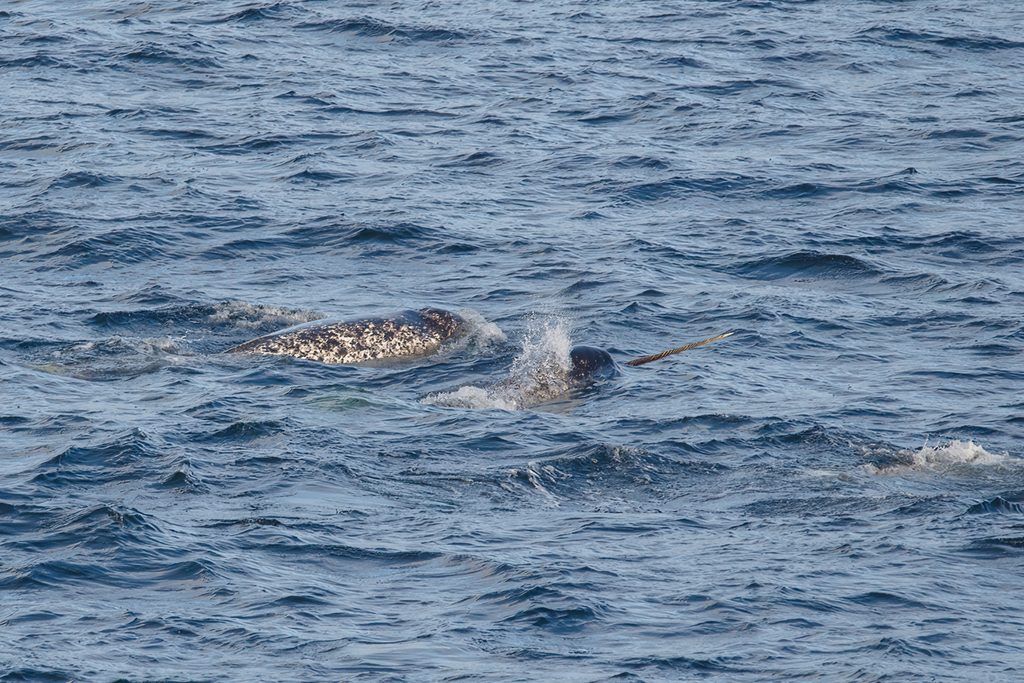
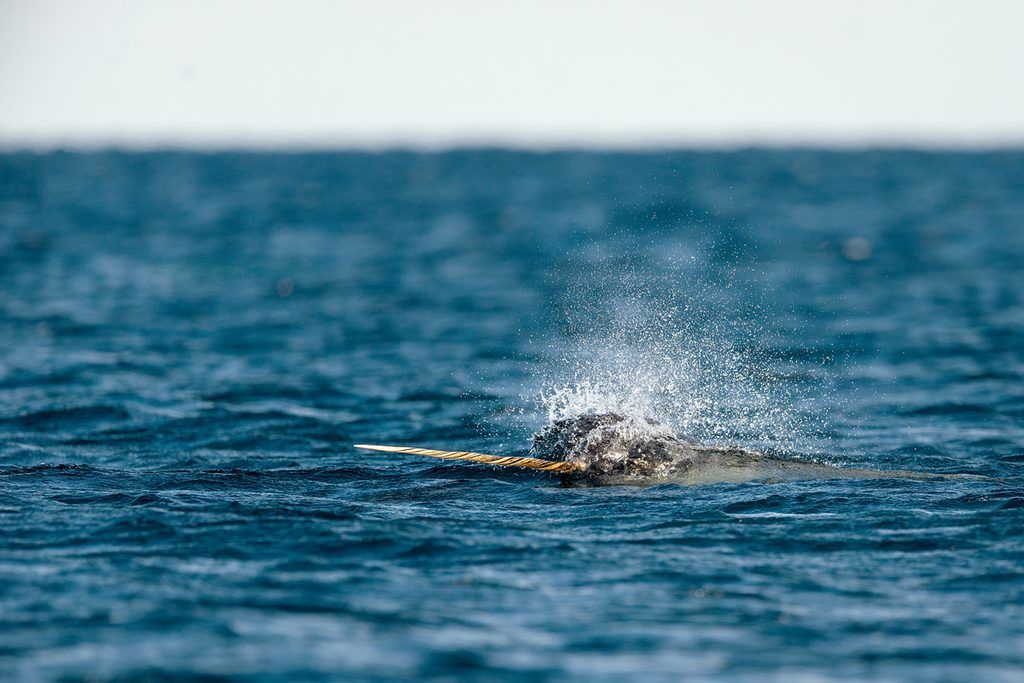
The narwhal is a species of toothed whale, though in this particular case the whole tooth aspect has reached strange new heights — and lengths. Its signature spiral tusk isn’t a horn at all, but an overgrown canine tooth, usually the left one, that can grow up to 10 feet long.
Inside the tusk are roughly 10 million nerve endings, which may function like built-in sensors, letting them detect shifts in water temperature, salinity, and pressure. Scientists have even filmed narwhals using the tusk to tap and stun small fish before eating them, a hunting trick nobody expected from what looks like a decorative spear.

Most Female Narwhals Don’t Have Tusks
Only about 15% of females have a tusk — which makes the whole point of the tusk more confusing. If they’re a useful hunting tool and a valuable sensory appendage, why don’t females have them? Scientists don’t yet have a satisfying answer, and the lingering mystery of the tusk’s precise purpose is one of the main reasons why narwhals are genuinely odd.
One study found that a tusk’s length may show females which males are the most fertile — more specifically, it found the bigger the tusk, the bigger the testes. As such, the tusk may indicate a potentially more fertile male and therefore a better mate. Another study found males had more broken tusk shards and scars on their foreheads than females, which may mean they use their pointy bits in aggressive battles over females — but no human has ever witnessed such a fight, so the question remains open to debate.

Narwhals Are Why People Believed in Unicorns
Long before anyone in Europe had seen a live narwhal, they’d seen their tusks — sold by traders as genuine unicorn horns, worth 10 times their weight in gold. People in the Middle Ages fell for this ruse and believed the supposed unicorn horns could detect poison or cure illness.
Queen Elizabeth I, fearful of an assassination attempt, acquired a cup made from “unicorn” horn, believing it would neutralize any poison. Kings, queens, princes, and cardinals across Europe proudly displayed their unicorn horns as mystical treasures — all of them believing the horn came from a mythical, pure white equine, rather than a blotchy, sausage-shaped cetacean with a tooth sticking out of its head.
No One’s Sure Why They’re Even Called Narwhals
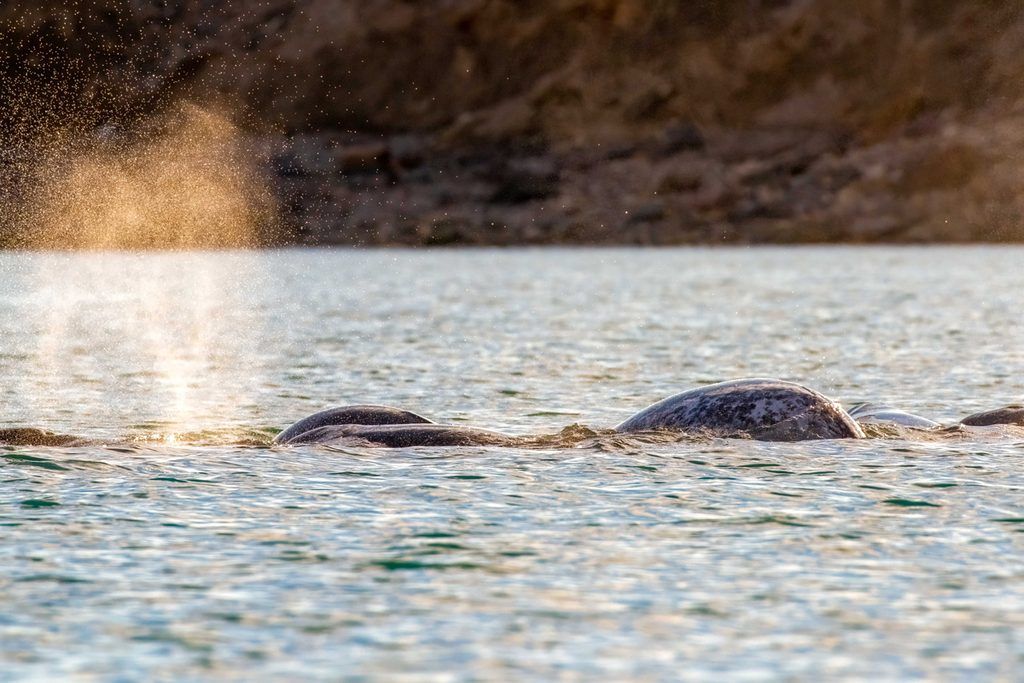
As if the narwhal didn’t have enough peculiarities, it seems no one can even say for sure how it got its name. The most common explanation is that “narwhal” comes from the Old Norse nahvalr, which literally means “corpse whale” — an unflattering reference to the animal’s mottled gray skin, which supposedly reminded Norse sailors of a drowned body floating in the water.
But this etymology has been questioned and an alternative proposed: It may equally have originated from the Old Norse nál (needle) and hvalr (whale), in reference to the narwhal’s tusk.
They Skip the Dorsal Fin and Change Color as They Age
Unlike most whales, narwhals have no dorsal fin, an adaptation that allows them to glide more easily beneath thick pack ice without scraping against it. The lack of a dorsal fin, along with their short, blunt flippers, makes them quite distinctive even without their extraordinary tusks.
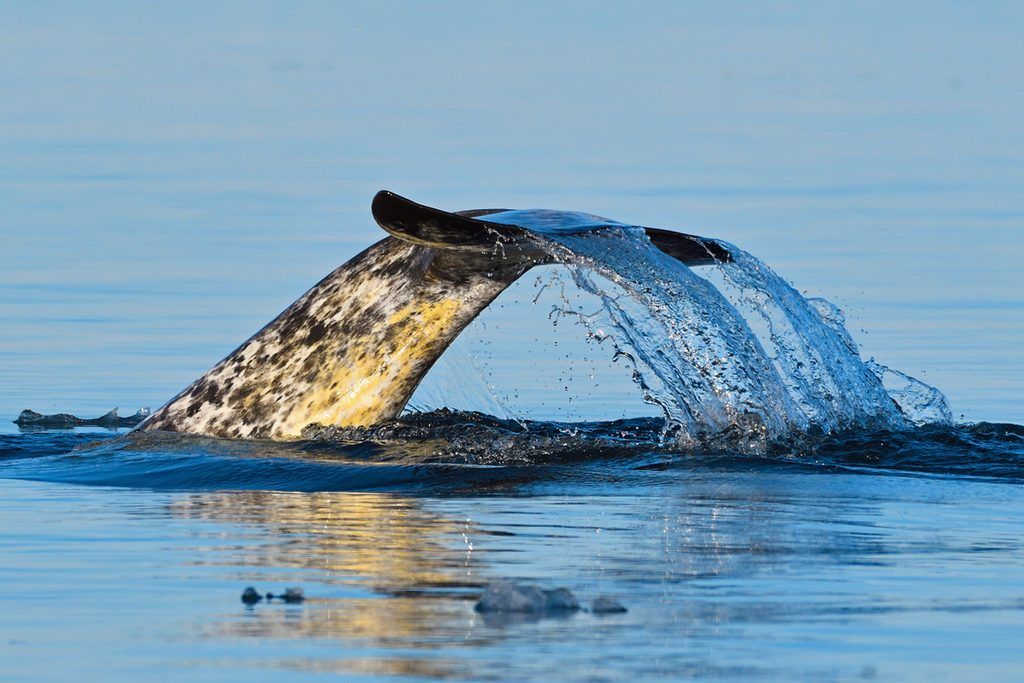
Narwhals also change color as they age. Newborns are normally blue-gray, while juveniles turn a blue-black color. Adults are typically mottled gray, while old narwhals — a bit like Gandalf — are nearly all white.
They Like Swimming Upside Down
When scientists began tagging narwhals with camera tags, they got an unexpected surprise. They found that narwhals tend to swim upside-down as they dive and spend roughly 80% of their time swimming belly-up when close to the seabed.
Researchers aren’t entirely sure why they do this, but it may help them forage and use sonar. It could also help protect their fragile lower jaw and long tusk from scraping the ocean floor.