Octopuses have nine brains.
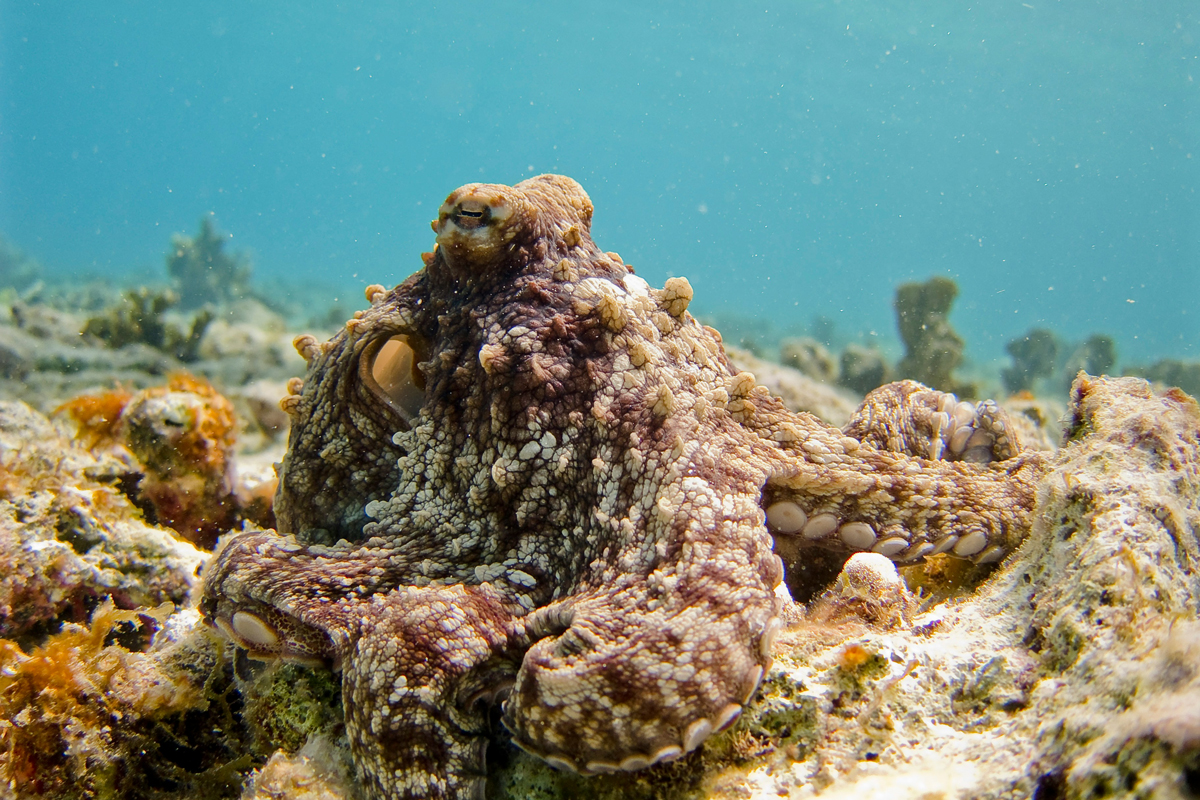

Octopuses appear to be fans of both quality and quantity, as the highly intelligent cephalopods have nine brains — sort of. Along with a central, donut-shaped brain in their head, they also have eight mini-brains known as ganglia at the end of each tentacle. This gives them the ability to control each arm semi-independently, allowing for a freedom of movement that’s evident in the fast, fluid motion and incredible nimbleness for which they’re known.
Their nervous systems aren’t as decentralized as they may sound, however. The central brain still issues basic commands, which the smaller brains process independently and act in accordance with. They essentially follow those commands, which are often related to finding food or a secluded place to rest, and it’s because of those mini-brains that all eight tentacles can move, grip, and even taste independently of the others. You can think of the central brain as a kind of leader and the other eight as the workers — together, they’re quite a team.