6 Bizarre Ways Animals Breathe (or Don’t!)

You probably don’t spend much time thinking about how you breathe. With each inhale, air enters your lungs, where oxygen passes into your bloodstream and eventually reaches your cells, helping them produce energy from nutrients. Carbon dioxide, a waste product of that process, leaves your body when you exhale. It sounds simple enough, but across the animal kingdom, there’s more than one way to breathe.
Animals have evolved a number of different ways to exchange oxygen and carbon dioxide depending on their bodies and environments. Some rely on specialized respiratory organs, while others have found ways to exchange gases without them. This has resulted in several fascinating adaptations to one of life’s most basic needs. Here are some of the most unusual examples.
Freshwater Turtles
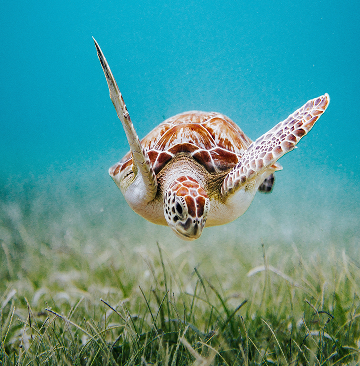
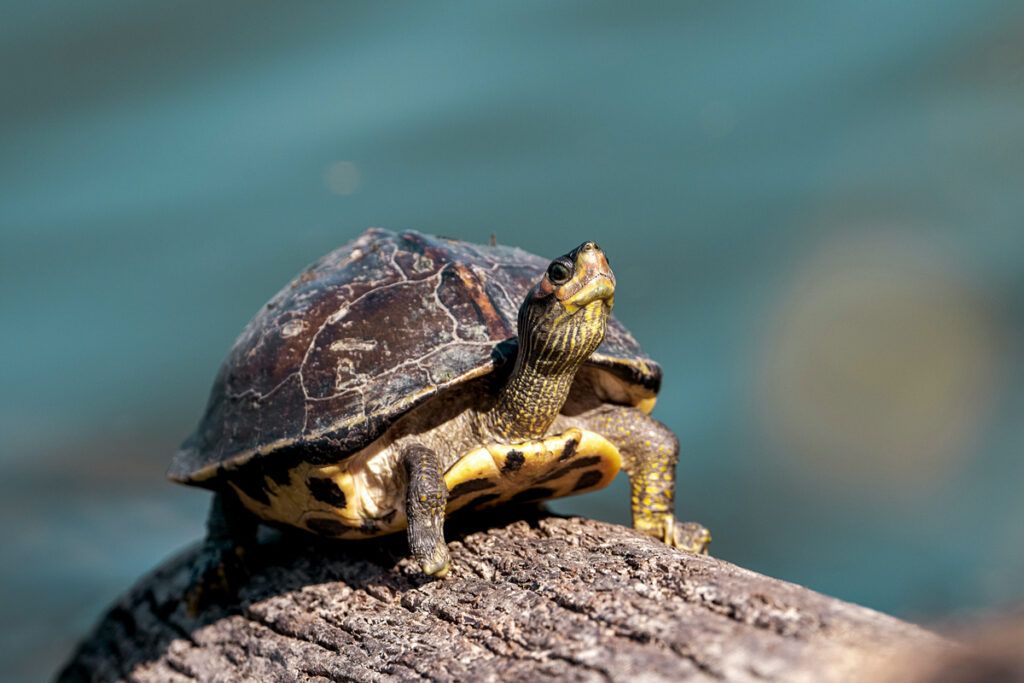
Most turtles breathe with lungs, but several freshwater species have an extraordinary backup system that allows them to stay underwater for long periods without surfacing. They can absorb oxygen through the cloaca — a multipurpose opening used for waste elimination and reproduction — in a process known as cloacal respiration. This unusual adaptation has earned the nickname “butt breathing” (or, in Australia, “bum breathing”).
Specialized sacs connected to the cloaca are lined with tiny blood vessels that extract dissolved oxygen from the water. This adaptation is especially valuable during winter, when turtles may spend months submerged in ice-covered ponds. Species such as Australia’s Fitzroy River turtle are particularly efficient at cloacal respiration, reducing the need to surface when cold temperatures slow their metabolism.
Lungless Salamanders
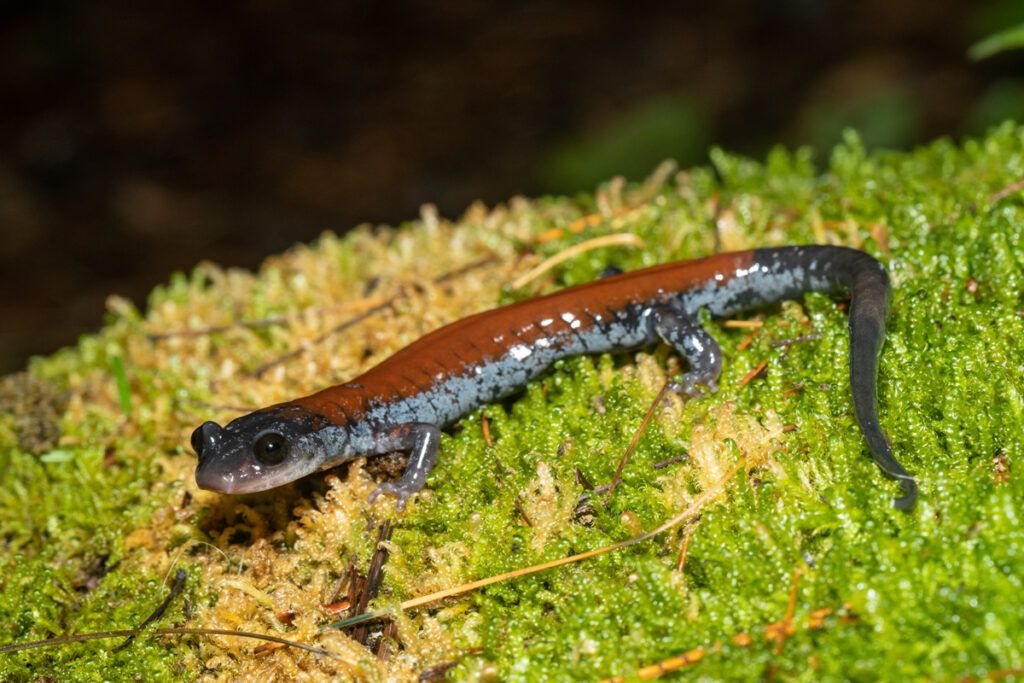
Breathing without lungs is the everyday reality for more than 500 species of salamanders in the family Plethodontidae — commonly known as lungless salamanders. Rather than inhaling air into lungs, they absorb oxygen directly through their moist skin and the lining of their mouths and throats.
Because this method only works when their skin stays damp, lungless salamanders are usually found in cool, humid forests or near streams. Without lungs taking up space inside their bodies, these salamanders have evolved slender shapes that help them slip into narrow crevices and navigate their damp environments.
Insects
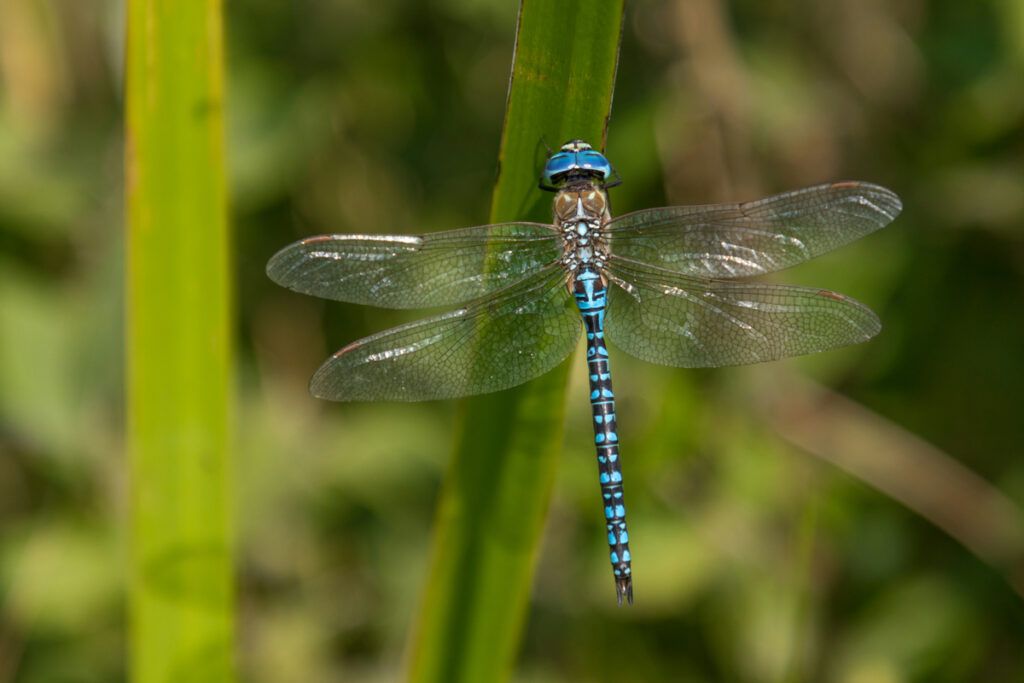
Researchers estimate there are 14 million to 20 million insect species on Earth, and not a single one of them uses lungs to breathe. Instead, insects take in air through tiny openings along the sides of their bodies called spiracles, which connect to a network of branching tubes known as tracheae. Those tubes deliver oxygen directly to muscles and organs without relying on blood to transport oxygen the way humans and other vertebrates do.
Some larger bug species, including beetles and grasshoppers, even pump their abdomens to move air through the tracheae more quickly when they need extra oxygen. This system does have its limits, though: Because oxygen must travel through those tiny tubes, it works best over short distances — which is one reason modern insects can’t grow to the enormous sizes achieved by some prehistoric species.
Snakes
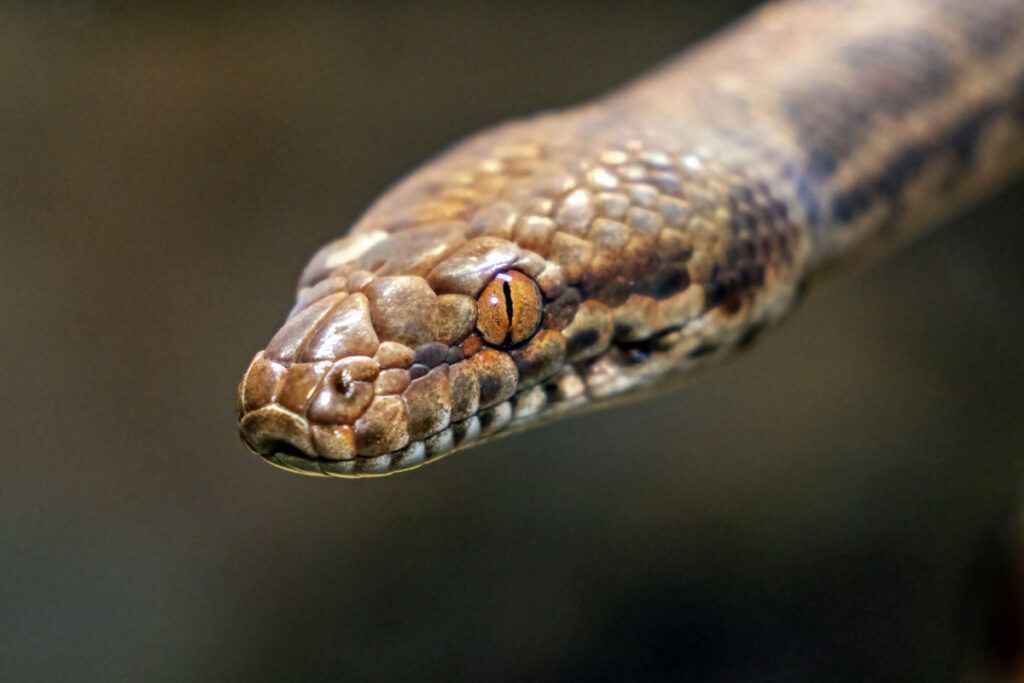
Most snakes have just one fully developed lung. As their bodies evolved to become long and slender, the left lung became much smaller — or, in many species, disappeared altogether — leaving the right lung to handle most of the work of breathing. More primitive snakes, such as boas and pythons, still have a reduced left lung.
Snakes have evolved other clever breathing adaptations, too. When swallowing prey that may be much larger than their heads, they can extend their glottis — the opening to the airway — forward like a snorkel, allowing them to keep breathing even while their mouths are full.
Whales, Dolphins, and Porpoises
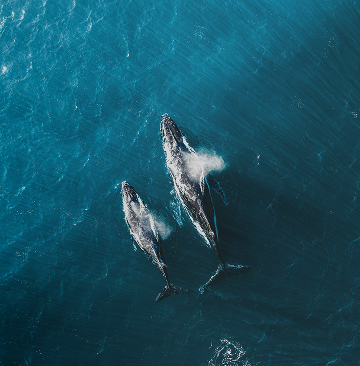
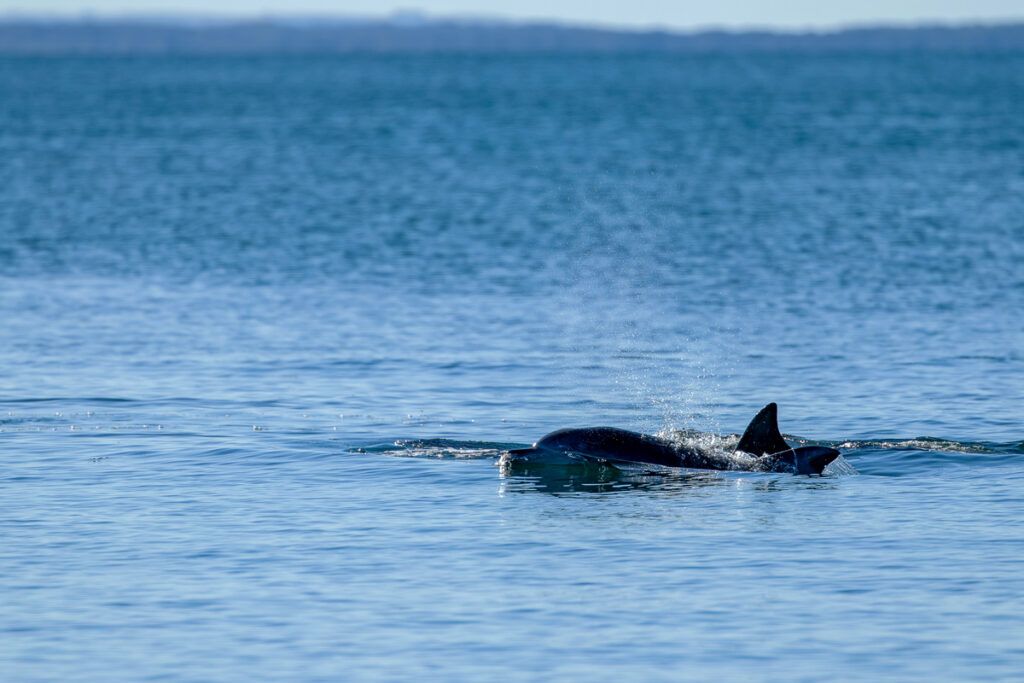
Whales, dolphins, and porpoises — all members of the cetacean family — breathe with lungs much like humans do. But unlike us, they’re voluntary breathers, meaning every breath is a deliberate action. They must actively surface and open their blowholes to inhale, rather than relying on breathing to happen automatically.
This presents a challenge when it’s time to sleep: Instead of shutting down completely, cetaceans let only one half of their brain sleep at a time while the other half stays awake to control their breathing and remain alert for predators or obstacles. This remarkable adaptation allows them to rest without ever losing the ability to take their next breath.
The Animal That Doesn’t Breathe at All
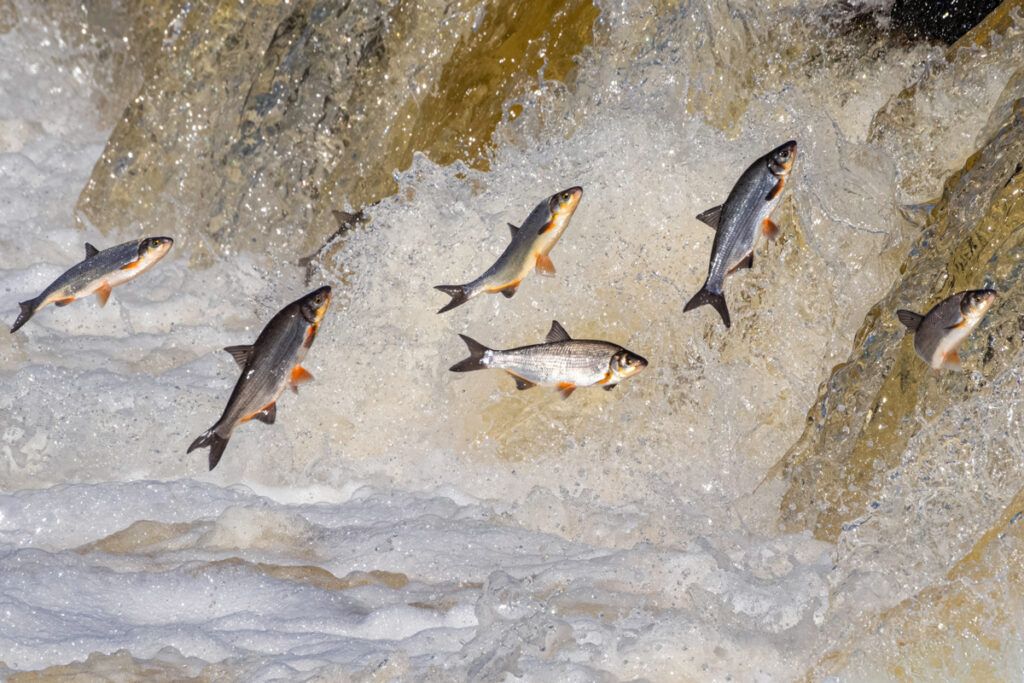
Regardless of whether it uses lungs, every animal on this list still requires oxygen in one way or another — but scientists know of one remarkable exception. In 2020, researchers discovered that the tiny parasite Henneguya salminicola, which infects some kinds of salmon and trout, is the first known multicellular animal that doesn’t require oxygen to survive.
Unlike every other known animal, H. salminicola lacks the functional mitochondria that use oxygen to produce energy. Instead, it steals nutrients directly from its host. After millions of years of evolving inside fish, it has become so specialized that it no longer depends on oxygen at all — a reminder of nature’s ability to ceaselessly amaze us.