The Secret World of Puffins
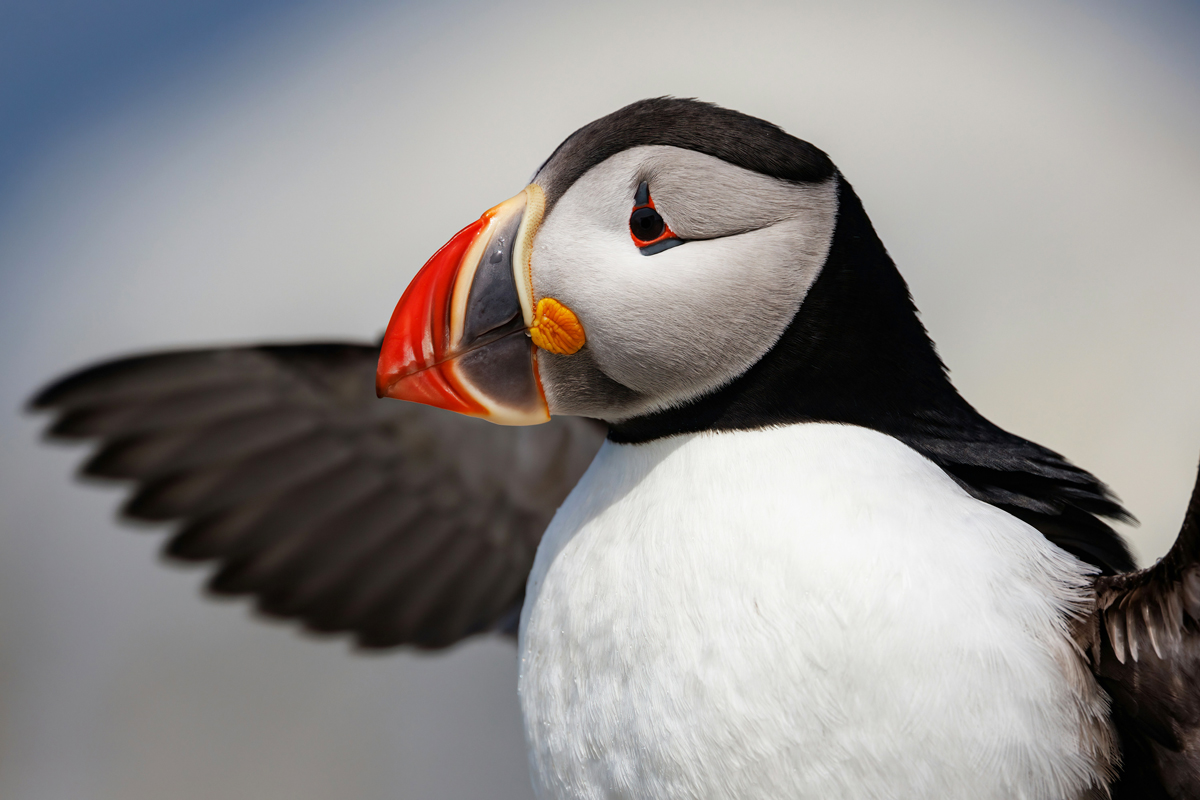

A ridiculous waddle and a big red nose are hallmarks often associated with clowns — but also with puffins. Between three species of birds (Atlantic, Pacific, and horned puffins), these funny-looking fowl can be seen from Japan and Iceland to Wales and a number of coastlines in between.
Adorned in black and white, with a bright nose and overdrawn, cartoonish eyes, it’s hard not to dismiss this striking bird as a silly goose, but like any good comedian, there’s a lot more going on under the surface.
They Have Removable Noses — Sort Of
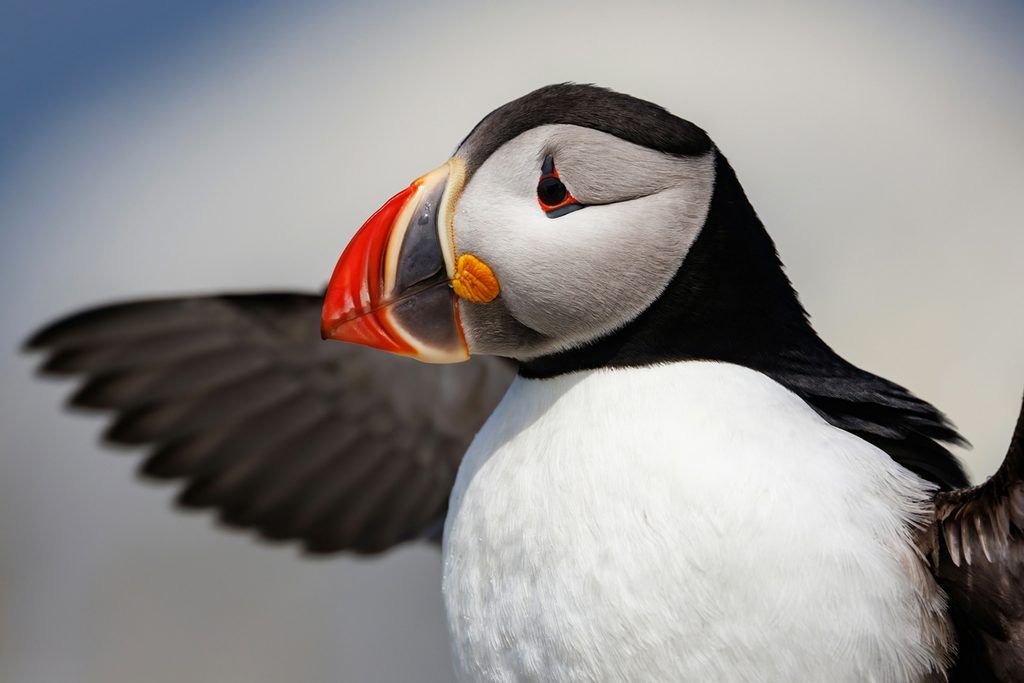
Probably the most recognizable thing about these birds is their bright orange bills, but did you know they actually come off? Puffins use their bills to attract mates, which is only done on land during mating season in the summer months.
That tangerine pop of color is actually a sheath puffins grow to ramp up their mating appeal, and the brighter the bill, the more attractive the bird. Not only are their beaks brightly colored in daylight, but they also emit blue-green hues that appear under ultraviolet light.
At the end of mating season, puffins return to the sea, where they spend about nine months of the year. With only fishing and sleeping on the agenda and no one to impress, they shed their orange sheath , and their beaks take on an unassuming gray shade, perfect for avoiding unwanted attention from predators such as seals.
One thing you can always find on a puffin’s beak regardless of the season, however, is their age. Similar to the rings of a tree, a puffin’s bill is marked with grooves that each represents two years of life.
Puffins Are More Athletic Than You Think
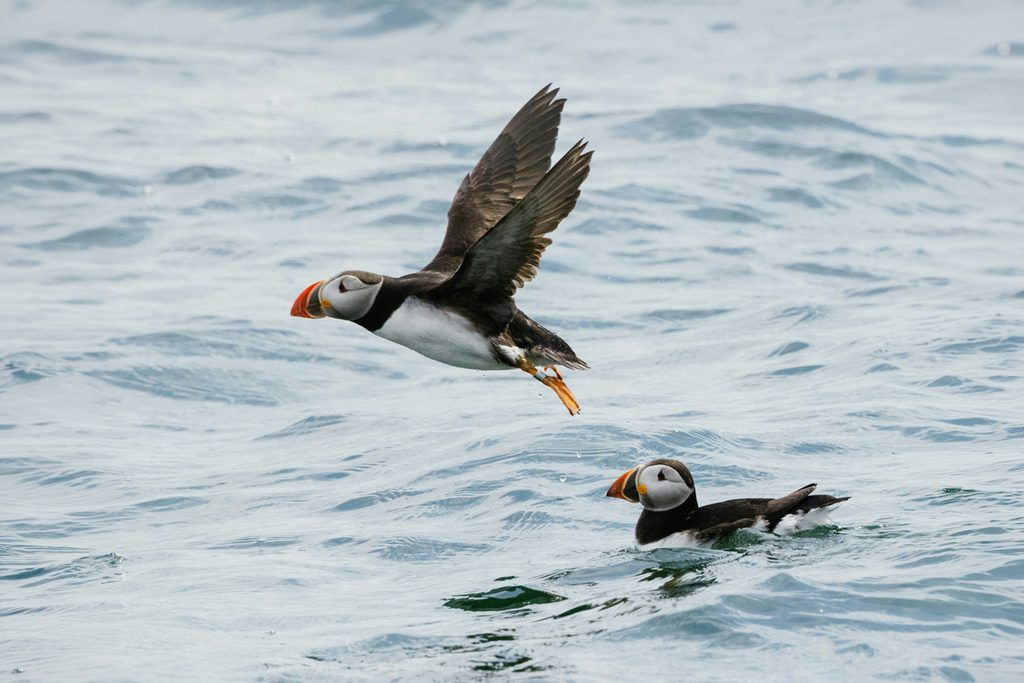
In spite of their silly appearance, these birds are actually quite agile, which is key in order to survive on both land and sea. In the air, puffins can reach speeds of up to 50 miles per hour, flapping their wings up to 400 times per minute to do so.
When it comes to landing, they’re not always the most graceful, often crashing and flailing into the sea. Once they’re in the water, though, their bodies essentially turn into tiny boats. Those wings turn into paddles of sorts, helping the birds swim up to 10 miles per hour, and their webbed feet act as rudders to help steer them.
When it’s time to return to shore, puffins reunite with their mates, whom they stay with for life. They greet each other by rubbing their beaks together in a ritual known as “billing.” Sometimes, other puffins will even stand around and cheer them on, sounding more like cows than delicate birds, bringing new meaning to the term “wingman.”
It Takes a Lot of Fish To Raise a Hungry Puffling
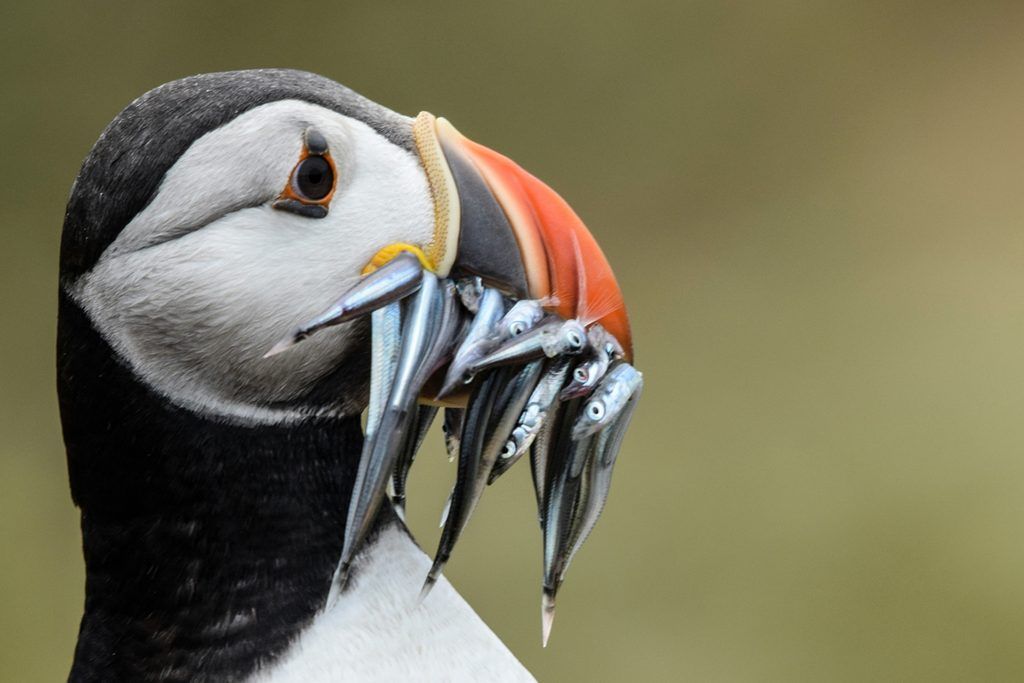
Another thing puffins use those iconic beaks for is carrying fish to their young ones. It’s been noted that some puffins can stuff as many as 62 sandeel fish at a time in those big mouths of theirs, which is a good thing as little pufflings are a hungry bunch.
With a name reminiscent of a cream-filled pastry, baby puffins gestate in their eggs for just 40 days, tucked away safely in cliffside cracks and crevices. Once hatched, the little ones have less than two months of being fed and cared for by their parents before being sent off on their own, where they flee under the cover of night to avoid potentially fatal run-ins with eagles and other enemies.
That time with their parents also allows them to imprint on their caregivers and the land they call home. Those memories drive them back to safety when mating season lures them ashore each summer. They do have to sit out the festivities for the first few years, as puffins don’t start reproducing until five years of age, but once they reach maturity, they follow the same routines as every other member of their comical colony.