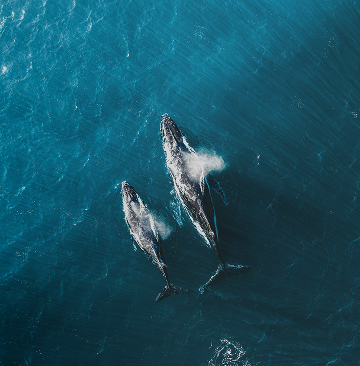
7 Animal Facts You Shouldn’t Read Before Bed

Some animal facts are better read during daylight hours. Otherwise, your backyard may not seem so peaceful, the ocean may seem more menacing, and that noise coming from somewhere in the house? You’re going to want to check that out.
These seven facts are reminders that the natural world is full of creatures with strange abilities, surprising habits, and a few talents that are downright terrifying.
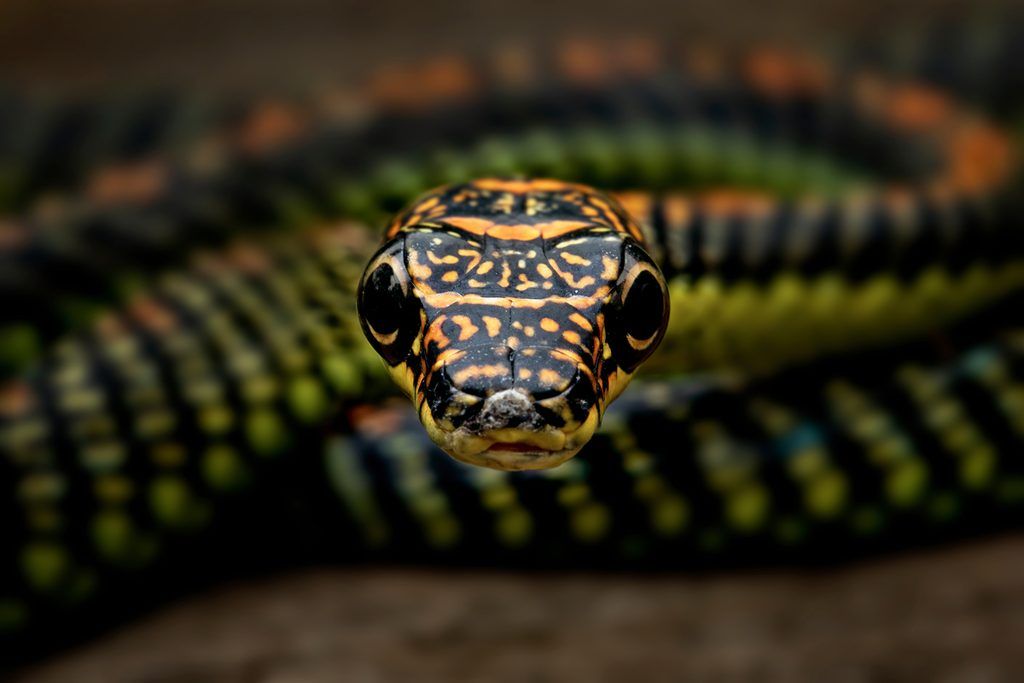
Some Snakes Can “Fly”
While most snake species aren’t venomous, it’s still wise to give any snake a healthy amount of respect — and space. You may expect to encounter one on the ground while hiking or gardening, but some snakes are perfectly comfortable in trees and can spend much of their lives far above the ground.
Even more unsettling, a few species can glide through the air. Flying snakes don’t actually fly like birds; they flatten their bodies and use an undulating motion to glide from one tree to another. They’re native to parts of Asia, so most of us are unlikely to encounter one. Still, the chances of a snake falling from the sky isn’t zero.
Parasitic Wasps Lay Their Eggs in Caterpillars
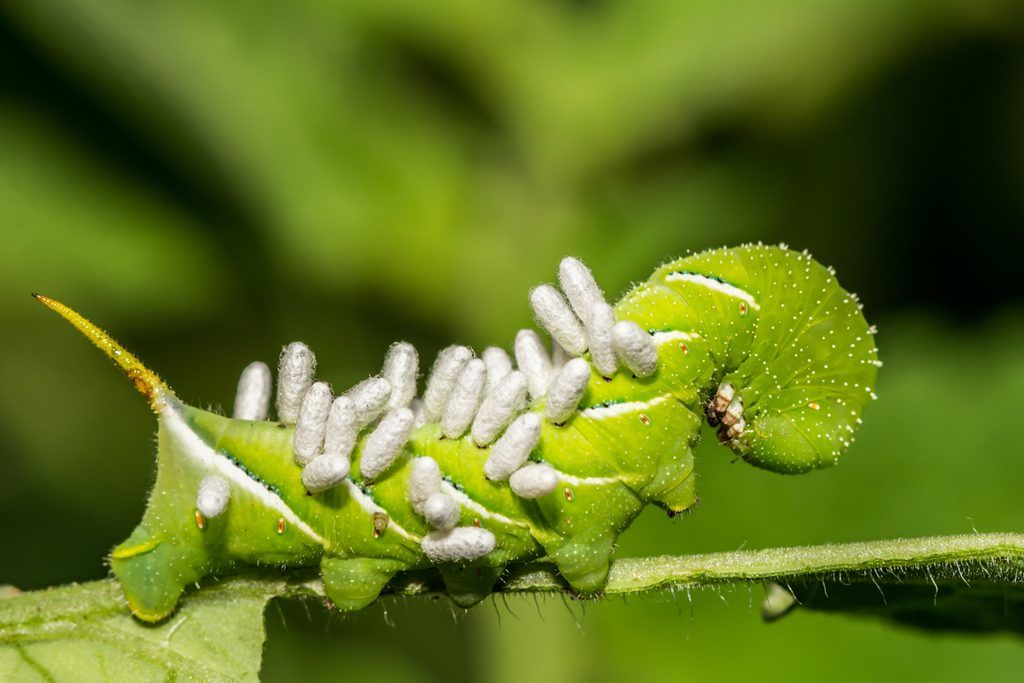
If you’ve ever found a tomato hornworm in your garden, you know how quickly they can strip a tomato plant of its leaves. But if you find one covered with what looks like tiny grains of white rice, leave it alone — those are the cocoons of parasitic wasp larvae that have been feeding inside the hornworm.
This all starts when a female braconid wasp lays her eggs inside the caterpillar, where the larvae feed until they’re ready to pupate. They then chew their way out and form the white cocoons on its body, and eventually, adult wasps emerge, leaving the caterpillar to die. Parasitic wasps are valuable garden predators that act as natural pest control, but you may never look at a caterpillar the same way again.
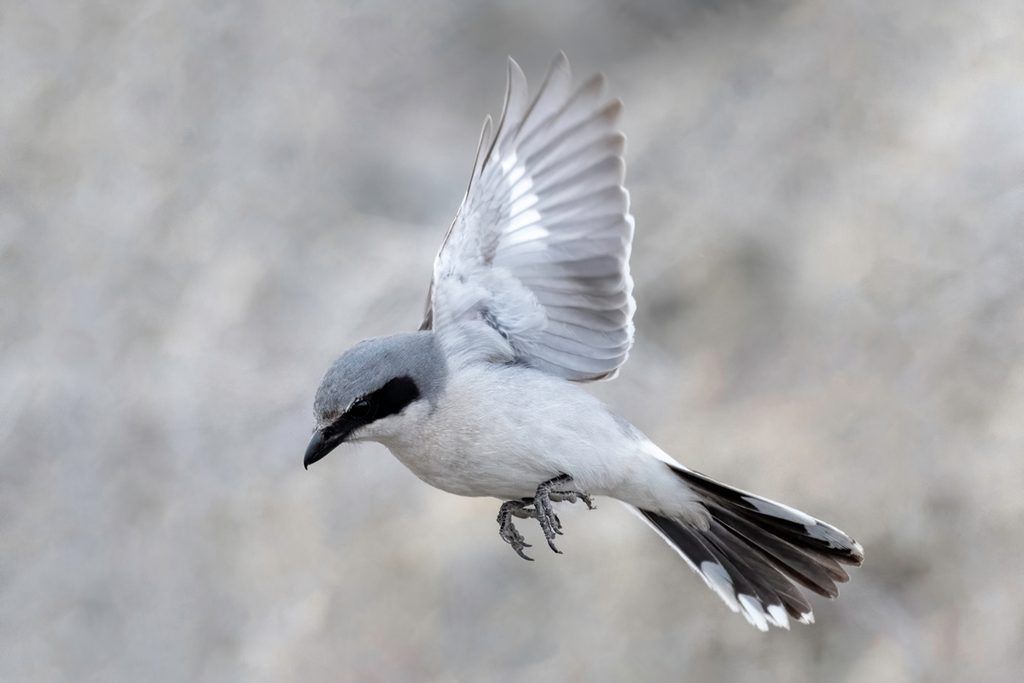
This Songbird Impales Its Prey
Shrikes are carnivorous songbirds found across Africa, Asia, Europe, and North America, and some species have earned the nickname “butcher birds” because they impale prey on thorns, barbed wire, or the forks of tree branches. In North America, both loggerhead and northern shrikes are known for this behavior. Their prey can include insects, lizards, mice, and even other birds.
Unlike raptors, shrikes don’t have powerful talons and must instead use sharp objects to secure their catch as they tear it apart. They also create food stores called larders, which they return to when they need another meal. So that thorny bush in your yard could very well become a shrike’s pantry, complete with dead creatures hanging from the branches.
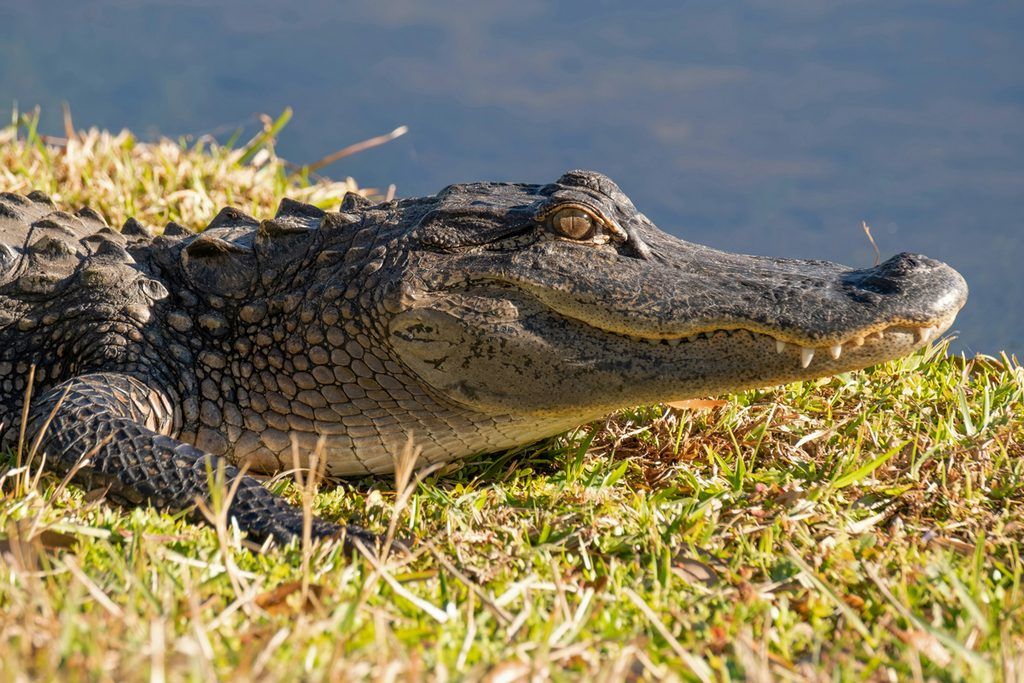
Alligators Can Climb Fences
You probably know that alligators can run surprisingly fast, but adult alligators are also capable climbers. They can use their claws, powerful legs, and muscular tails to help propel and pull themselves upward.
Thankfully, that doesn’t mean an alligator can scale every fence or scramble straight up a smooth wall. Smaller alligators are better climbers than larger ones, particularly on textured or open surfaces, such as stucco walls and chain-link fences. So if you live in alligator country, remember that a fence isn’t necessarily an impenetrable barrier against a determined gator.
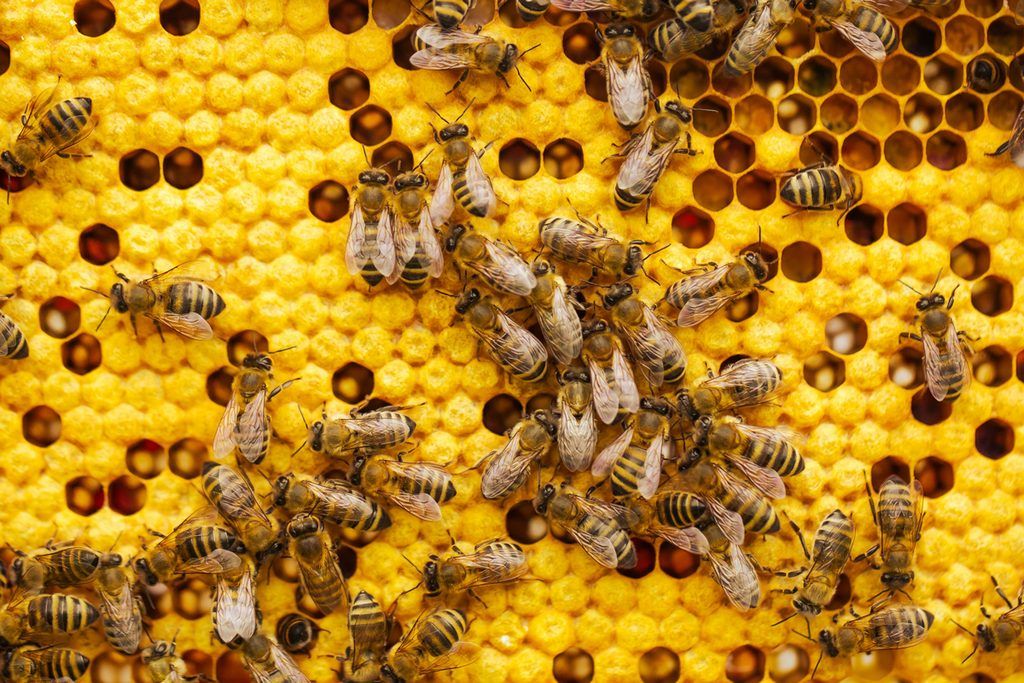
Bees Can Take Up Residence in Your Walls
That humming you hear from inside a wall may not be your imagination: Honeybees can establish colonies in wall cavities, sometimes entering through surprisingly small openings on the outside of a house. Once inside, they can build combs, store honey, and raise young just inches from your bed.
By the time someone realizes what’s happening, there may be thousands of bees and substantial amounts of honeycomb hidden inside the wall. Evicting them usually requires professional removal, and sometimes walls have to be opened to reach the colony.
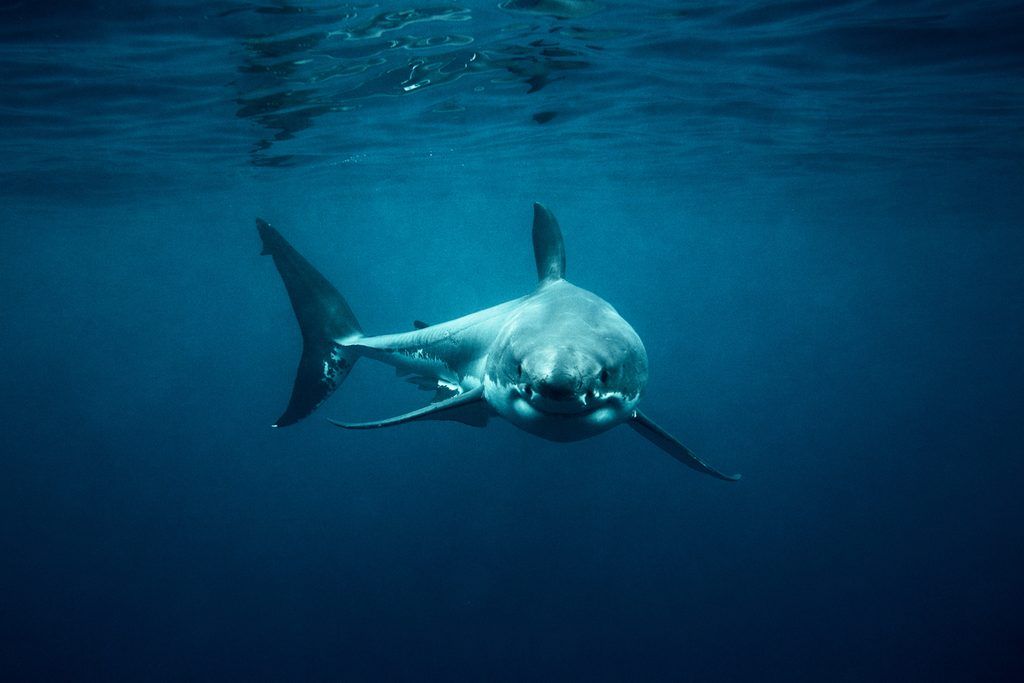
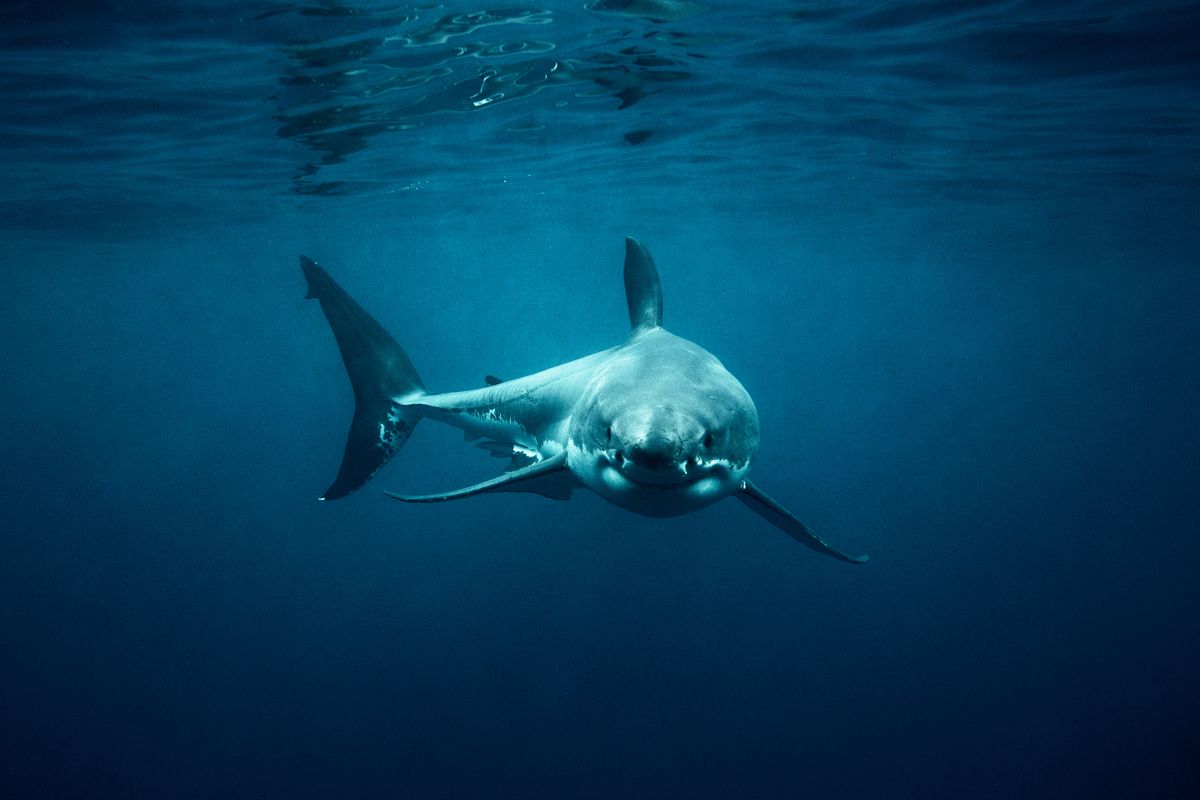
Sharks Can Swim Closer to the Beach Than You Realize
Several shark species regularly hunt and travel in shallow coastal waters, including areas close to beaches. Bull sharks are especially adaptable, tolerating both saltwater and freshwater and sometimes even venturing into rivers.
Great white sharks can also enter shallow coastal waters, particularly when hunting prey. That doesn’t mean every knee-deep wave contains a shark — the risk of an encounter is still low. But if you’ve ever looked at a stretch of ocean and thought it was too shallow for a shark, nature would like a word.
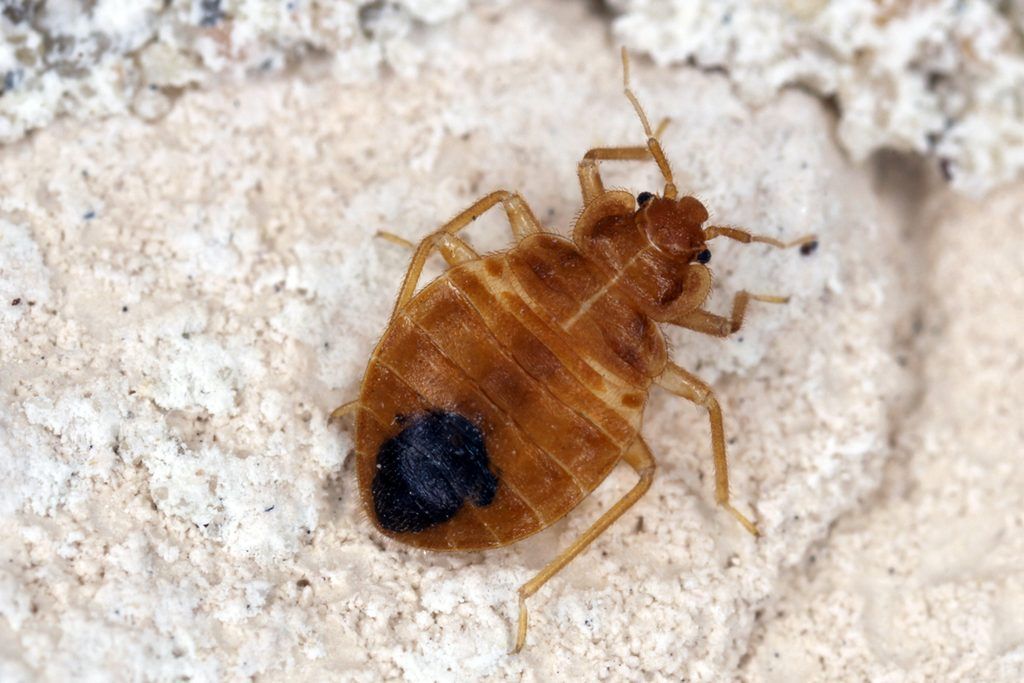
Bed Bugs Can Survive Months Without Eating
Bed bugs are tiny blood-feeding insects that hide in cracks, seams, and furniture, emerging when a host is nearby. Under favorable conditions, adults can survive for months without a blood meal.
Bed bugs can hitchhike in luggage, clothing, used furniture, and other belongings, turning a hotel stay or secondhand purchase into a disturbing (and very itchy) experience that may have you inspecting the seams of your mattress.
Sweet dreams.