7 of the Slowest Animals on Earth

Most animals need to move at least occasionally, whether they’re in search of food, escaping predators, or seeking shelter or potential mates. And while the speed at which those things are done can be a matter of survival for some animals, others have managed to get along quite well while moving pretty slowly.
Across the animal kingdom, the speed at which animals get from one place to another varies widely. And when it comes to slow animals, some can barely manage a few inches an hour, while others spend most of their lives moving at a pace that’s barely perceptible. Here are seven of the slowest animals on Earth.
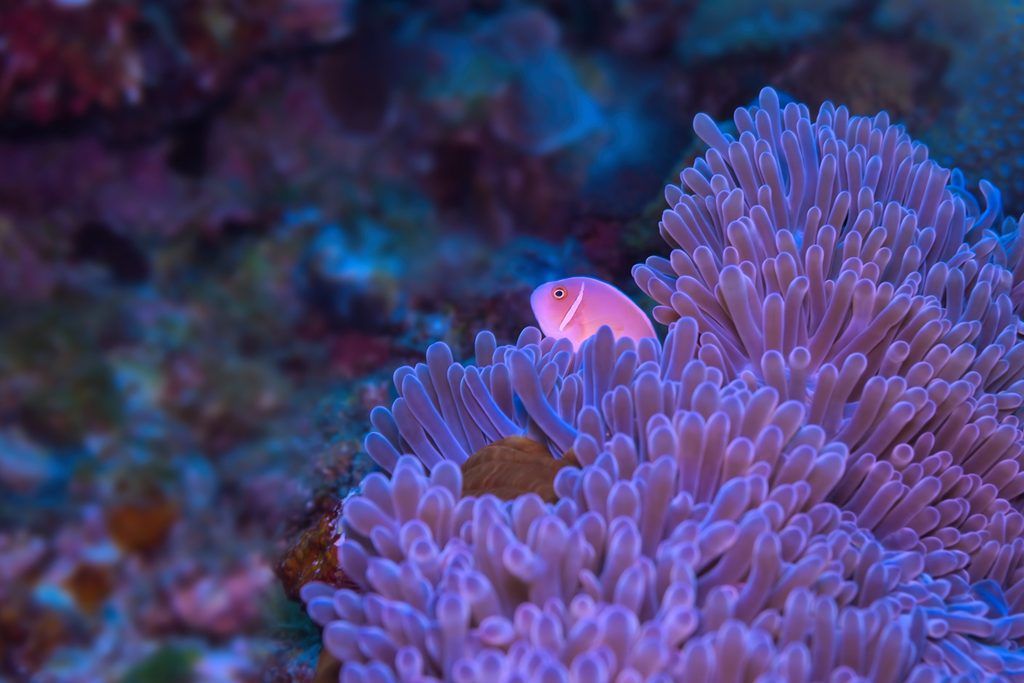
Sea Anemones
Sea anemones may look like colorful plants rooted to the ocean floor, but they are indeed animals, and some can slowly move across rocks or sand using a muscular foot called a pedal disc. Their pace is almost imperceptible: Some species travel just 0.00006 to 0.00015 miles per hour, moving only about 4 to 6 inches every 60 minutes. Most of the time, however, they have little reason to go anywhere; their tentacles are sufficient to catch passing fish, plankton, and other small prey the currents push in its vicinity.
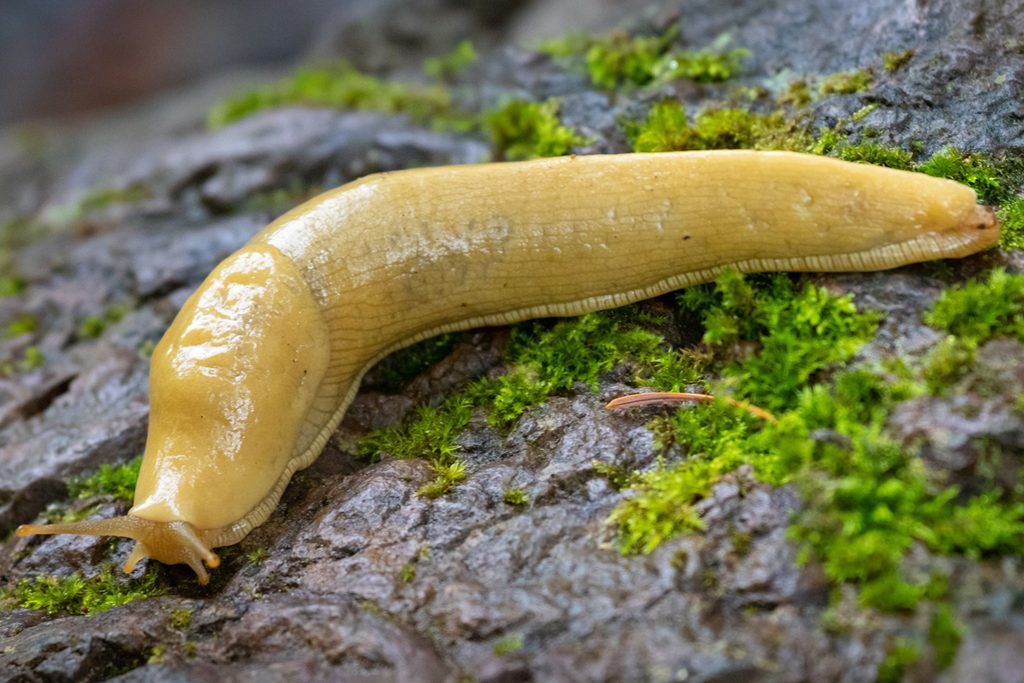
Banana Slugs
The banana slug is one of the slowest land animals, moving at a maximum speed of just 6.5 inches per minute. Its singular, muscular foot moves through waves of contractions while glands produce mucus that lubricates the path ahead. This slow-moving invertebrate plays an important role in the damp forests of North America’s Pacific Northwest, helping to break down decaying plant material and return nutrients to the soil.
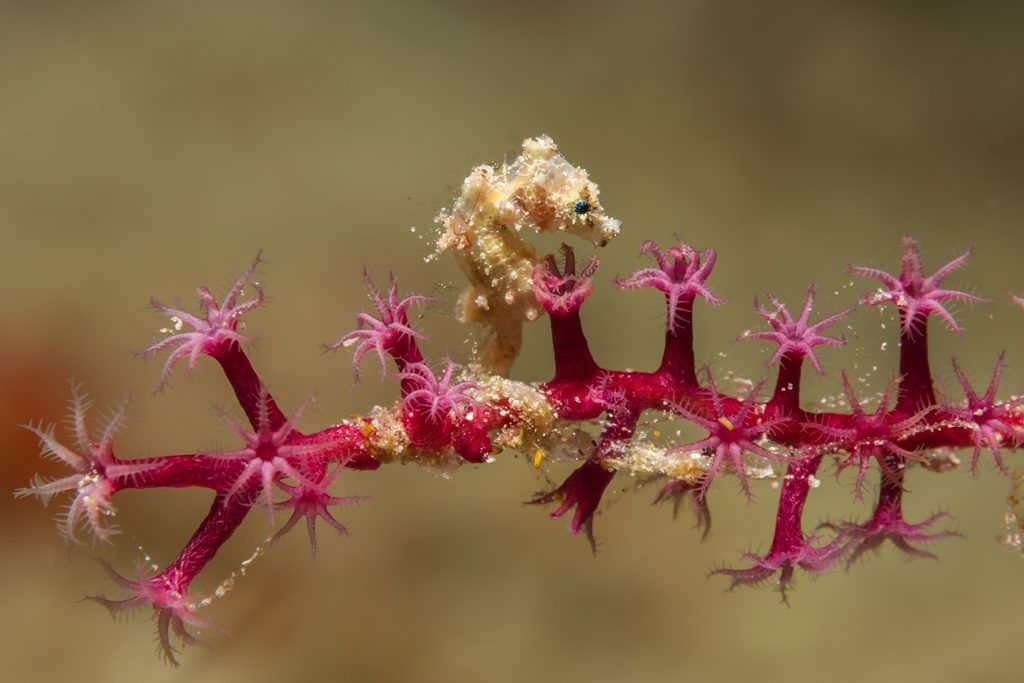
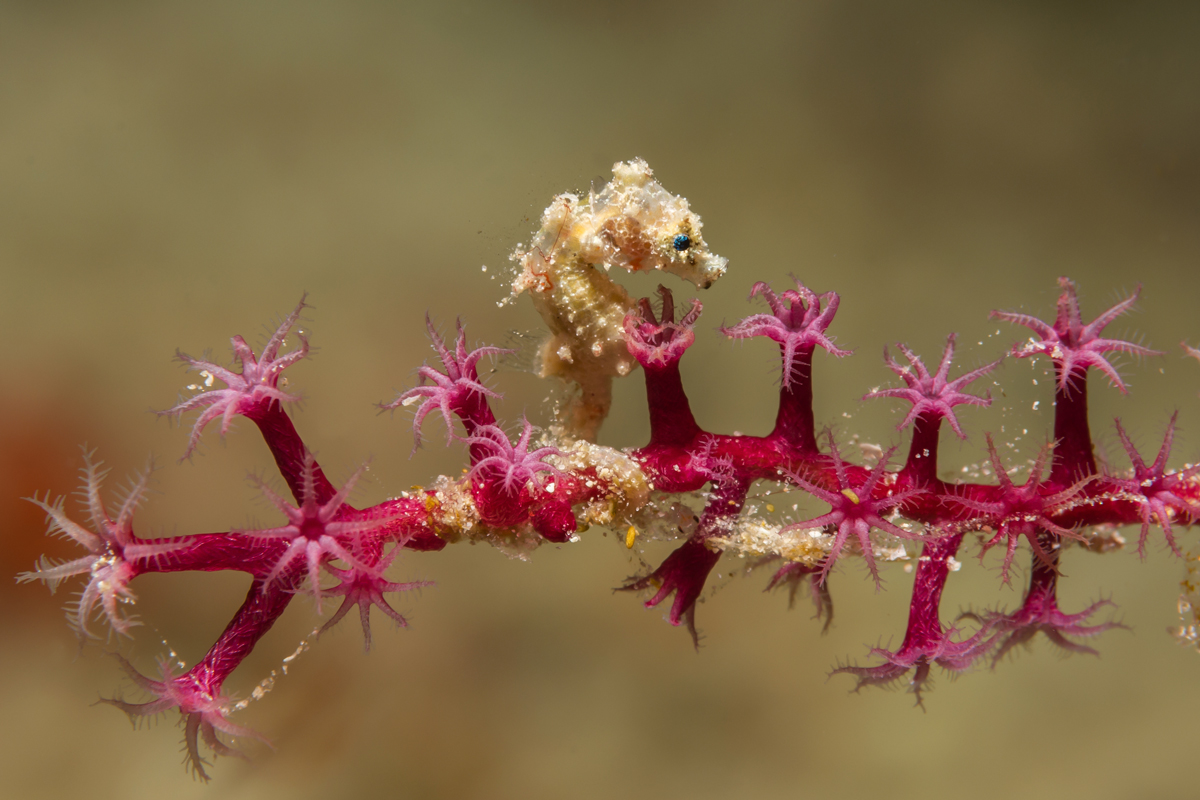
Dwarf Seahorses
The dwarf seahorse is widely considered the slowest-swimming fish, traveling only about 5 feet per hour. Its upright swimming posture and tiny dorsal fin give it minimum propulsion, but the seahorse has little reason to hurry: It spends most of its time hanging onto seagrass with its long tail and waiting for tiny food such as crustaceans to drift within reach. Luckily, its bony body plates help protect it from predators, meaning a quick escape isn’t usually a top priority.
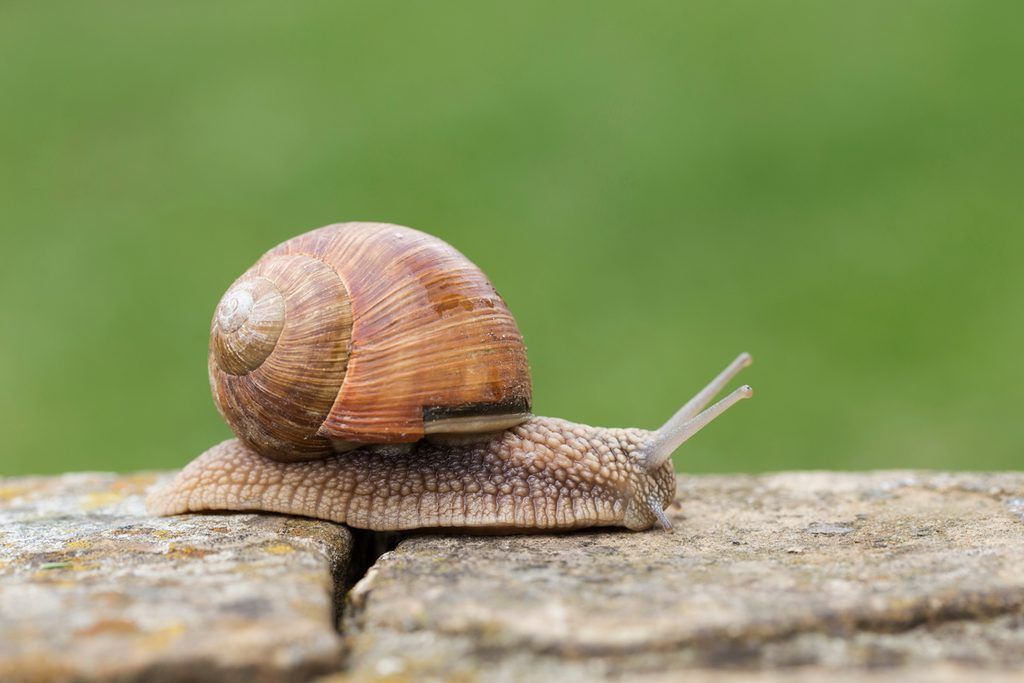
Garden Snails
Garden snails are notoriously slow, moving roughly 1.5 feet per hour thanks to waves of muscular contractions along their broad foot. A layer of mucus allows that foot to glide across surfaces while also protecting the snail’s body from rough terrain. Their shells don’t exactly help with speed, of course, but they do give the creatures an advantage: When threatened, the snails can retreat completely inside the portable shelters.
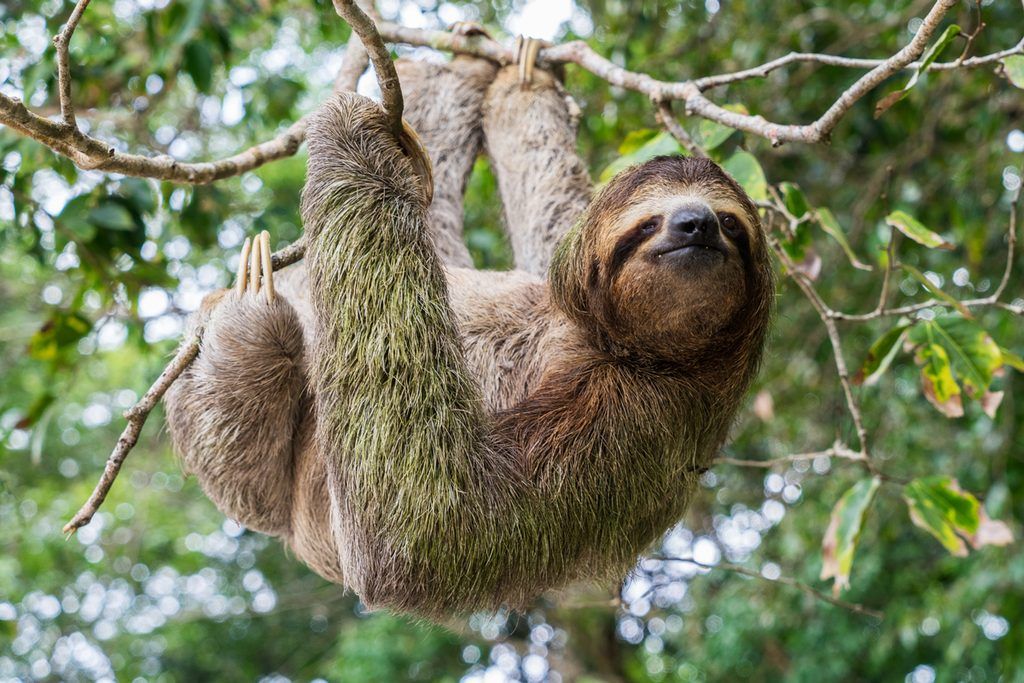
Three-Toed Sloths
The three-toed sloth is considered the slowest mammal in the animal kingdom, with a top speed of only about 1 mile per hour. Its extremely low-energy lifestyle is partly an adaptation to a diet of leaves, which provide relatively little energy, and so their metabolisms have adapted accordingly. Sloths not only move slowly, but they actually spend much of their time resting and generally remain within a small home range rather than traveling long distances.
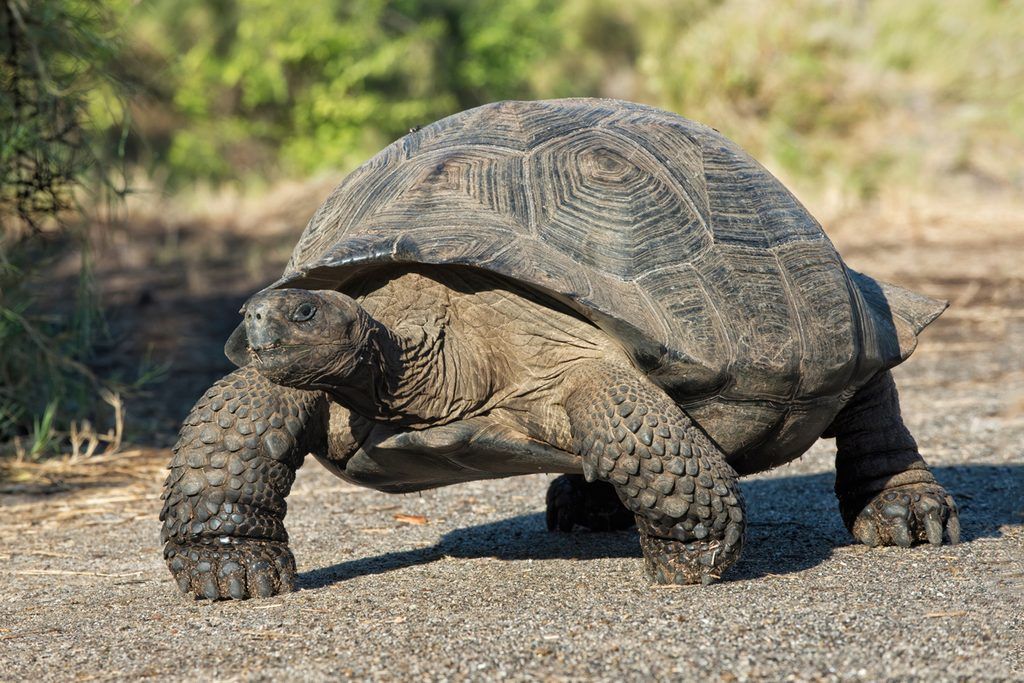
Giant Tortoises
The tortoise may have famously won the race against the hare, but it certainly wasn’t because it had speed on its side. Giant tortoises from the Galapagos and Seychelles move at roughly 0.16 miles per hour, largely because their massive bodies and heavy shells slow them down: Some males, for instance, weigh more than 500 pounds, with shells reaching up to nearly 5 feet long.
But with very few native predators, giant tortoises don’t need to hurry, and spend much of their days slowly wandering in search of vegetation.
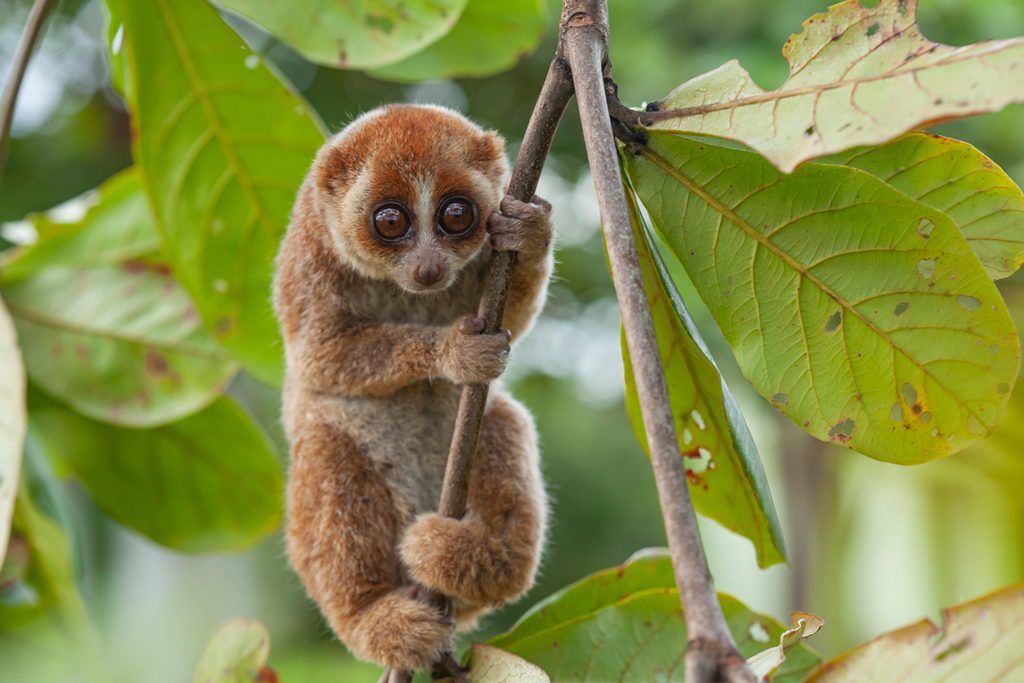
Slow Lorises
The slow loris is considerably faster than, say, a snail or tortoise, but at a standard pace of around 1.2 miles an hour, it’s still one of the slower-moving mammals on Earth. Rather than swinging or leaping through the trees of its Southeast Asian forested home, these nocturnal primates move carefully, hand over hand and foot over foot, from branch to branch.
These slow, deliberate movements help keep the lorises hidden from predators while they search for tree sap, insects, and other prey such as small birds. If they are threatened, however, the slow loris has a deadly defense: a venomous bite.