5 Surprisingly Venomous Animals
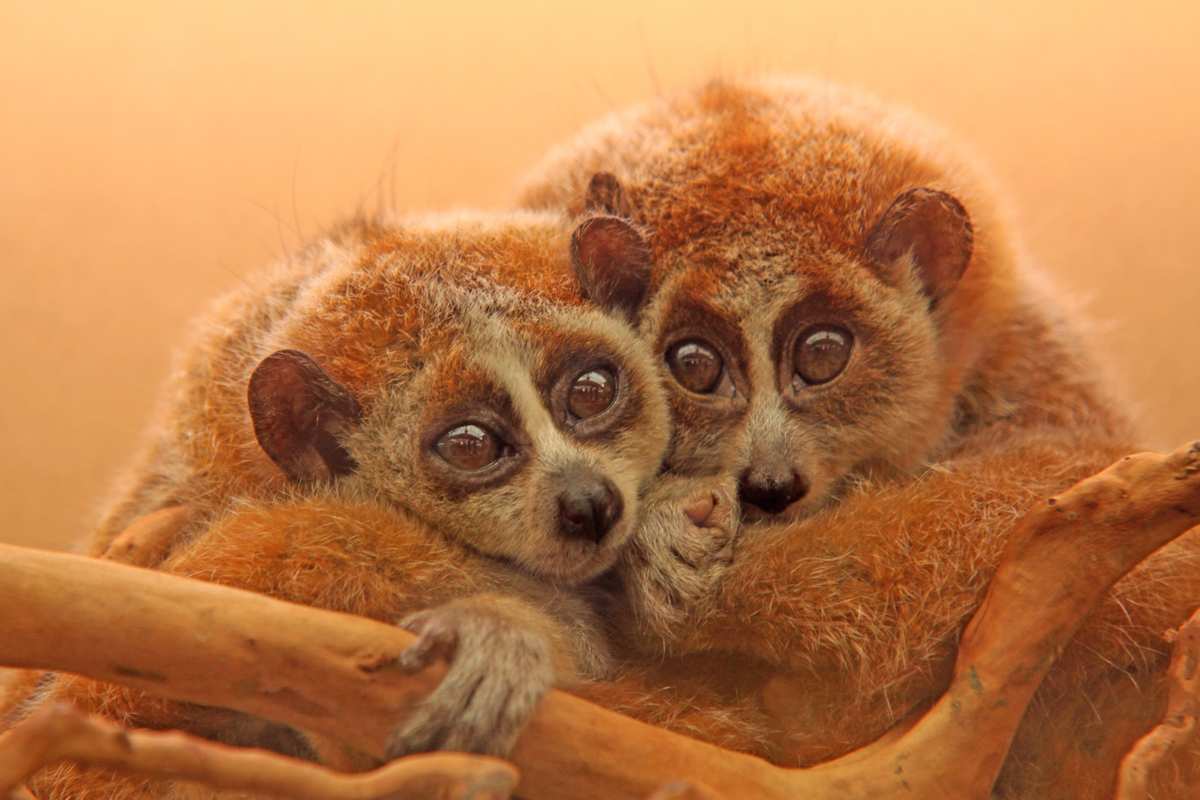

When you think of venomous creatures, your mind most likely jumps to rattlesnakes, black widow spiders, scorpions, or other animals that have developed rather fearsome reputations for their bites or stings.
But the animal kingdom, as we well know, is full of surprises, and evolution has generated a variety of seemingly harmless (or even downright adorable) animals with venomous capabilities. These unassuming critters use their venom for defense or to help secure their next meal. From the riverbanks of Australia to the treetops of Southeast Asia, here are five animals you may be surprised to learn are venomous.
Platypuses
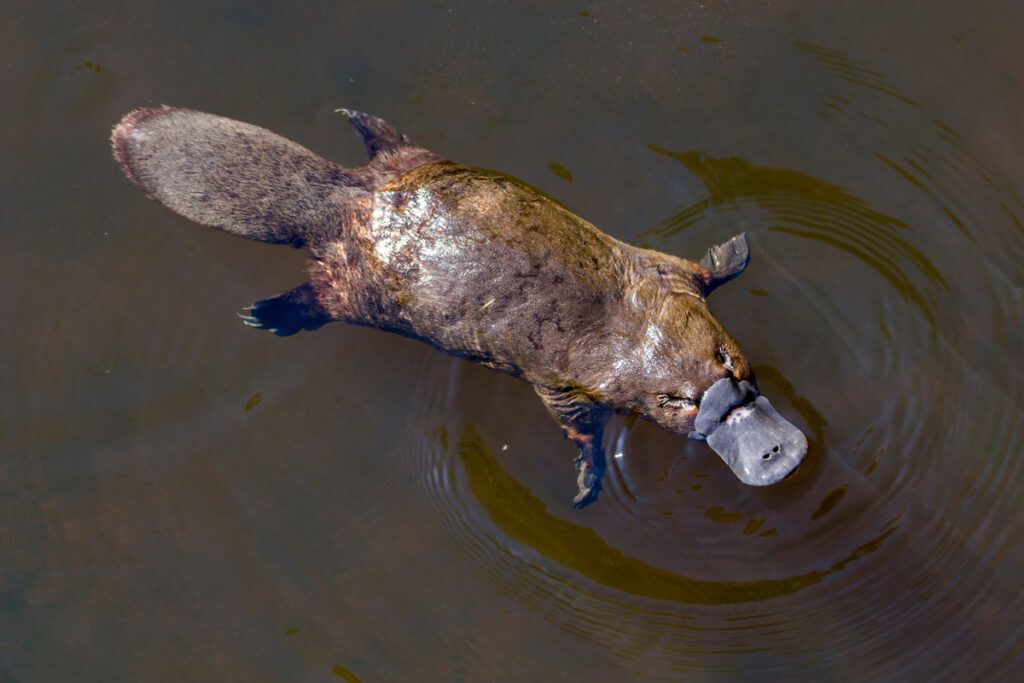
The platypus is already one of the world’s most unusual animals: The duck-billed, egg-laying mammal looks as though it’s been assembled from parts of several different animals. Adding to its list of bizarre traits is the fact that these Australian creatures are venomous.
On the inner hind ankles of male platypuses, sharp spurs about the size and shape of a dog’s canine tooth are connected to venom glands in the thighs. When needed, the platypus can flex its hind legs and stick the spurs into a rival.
While platypus venom isn’t deadly to humans, it is known to cause excruciating pain that can last for weeks and may not respond to traditional painkillers. Interestingly, venom production peaks during the platypuses’ breeding season, and researchers believe its primary purpose is in territorial disputes between rival males rather than for hunting or general defense.
Slow Lorises
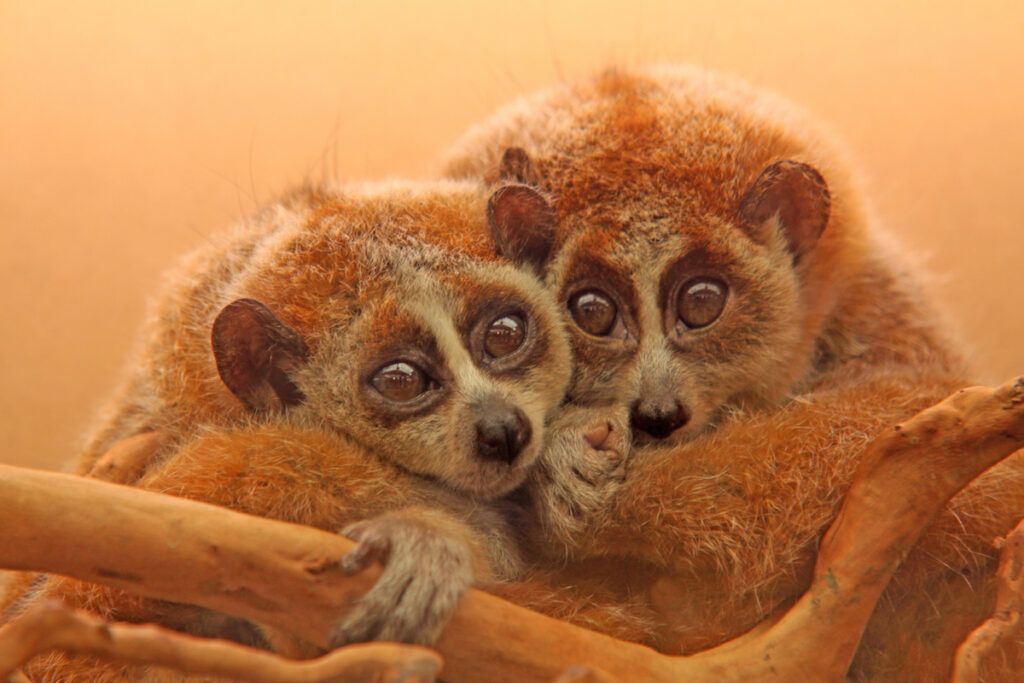
With their big, soulful eyes and glacial, deliberate movements, slow lorises are the very definition of cute. But don’t let their doe-eyed faces fool you: They’re also the only known venomous primates in the world.
Slow lorises produce a toxin in the brachial gland on their upper arm. When threatened, the Southeast Asian natives raise their arms and lick the gland, mixing the oily secretion with enzymes in their saliva to produce venom.
The venom is then drawn into their toothcomb, where one bite transfers it to its intended victim. The result can be severe, killing smaller animals and even causing anaphylactic shock or heart palpitations in humans.
Box Jellyfish
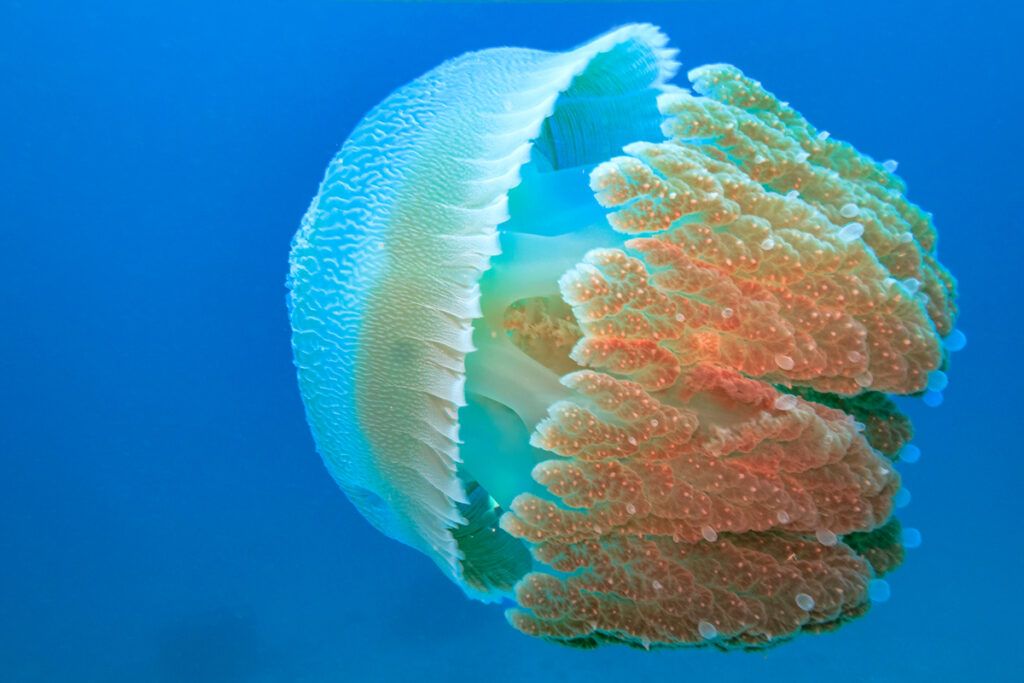
Many of us are aware of a typical jellyfish’s sting. While the experience can indeed be painful, it isn’t particularly dangerous to humans. The sting of a box jellyfish, however, is a very different story: These nearly transparent animals have four clusters of tentacles, one at each corner of their box-shaped bell, that each contain up to 15 tentacles.
Some of those tentacles can stretch more than 10 feet long, and each one is covered in microscopic stinging cells called nematocysts. Those cells fire tiny harpoonlike structures, injecting fast-acting venom into their prey, immobilizing or killing fish and shrimp and, if they should happen to come into contact, humans as well.
Short-Tailed Shrews
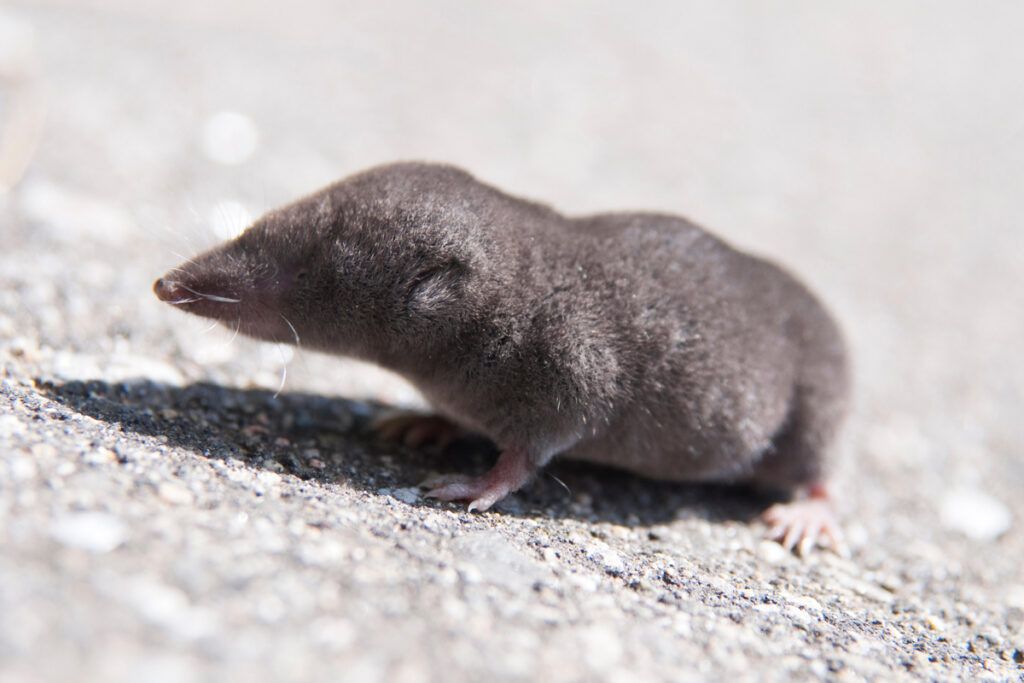
The northern short-tailed shrew is one of the most common shrews in eastern and central North America, but this tiny mammal has one decidedly uncommon trait: It happens to be venomous. The tiny insectivore has a high metabolism and needs to eat almost constantly to survive. In addition to copious amounts of insects, short-tailed shrews also hunt larger prey such as mice or frogs, using their venomous saliva as an assist.
Unlike snakes that inject venom through fangs, the shrew’s venomous saliva flows into the wounds it creates with its teeth. The toxin paralyzes their prey, allowing the shrew to keep the animal alive but immobile for later consumption. It’s a rather clever, if cruel,evolutionary trait — one that allows a rather tiny mammal to punch well above its weight in the hunting world.
Centipedes
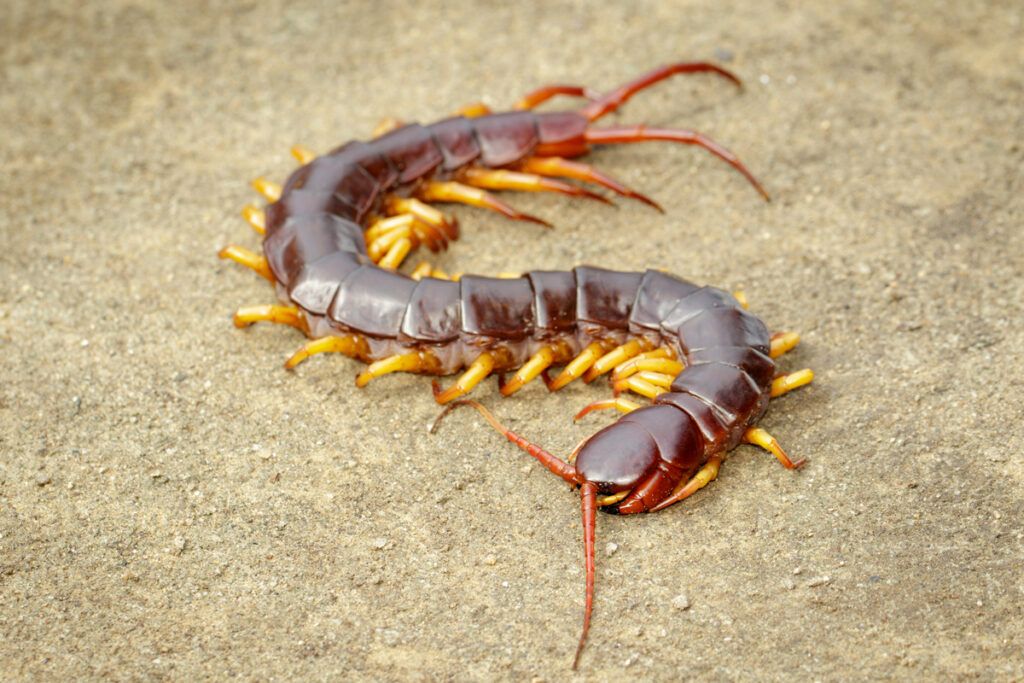
Centipedes may look like nothing more than fast-moving creepy crawlers with too many legs, but some also pack a surprisingly potent secret weapon. Instead of fangs or a stinger, they deliver venom through a pair of modified front legs called forcipules. These appendages evolved from ordinary walking legs and have since turned into sharp, clawlike structures capable of piercing prey and injecting venom.
Larger species, including Amazonian giant centipedes, use this tactic to subdue insects, spiders, small reptiles, and even mice. A standard house centipede also has venomous abilities; their bites, if you’re unlucky enough to get one, may indeed hurt, but they’re not particularly dangerous to humans.