Creepy-Crawly Animal Facts That Will Give You Chills

There’s no shortage of spooky animal imagery. From bats and owls flying through the night sky to wolves howling at the full moon and black cats slinking around dark corners, animals have long played a starring role in the macabre.
Many of these associations come from centuries-old folklore, superstition, and stories about the natural world. Nocturnal habits, unusual appearances, strange sounds, and behaviors people didn’t understand often gave these animals an eerie reputation.
But beyond folklore, nature is filled with strange real-life adaptations and creepy survival strategies. Here are five animal facts that will send shivers down your spine.
Newts Can Regenerate Lost Body Parts
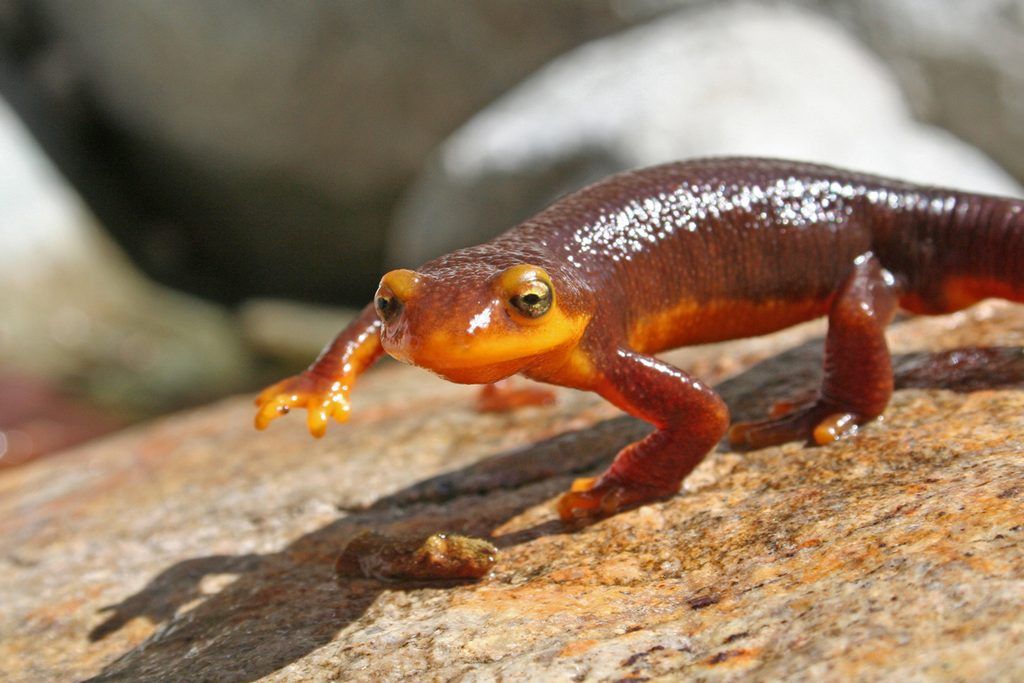
“Eye of newt” may be one of the most famous ingredients in a fictional witch’s brew, thanks in part to Shakespeare’s Macbeth. But the real animal has a biological ability that sounds just as magical: Some newts can regenerate lost body parts, including limbs, tails, and parts of their brains, hearts, ears, spines, and jaw. And yes, certain species can even regenerate the lens of an eye.
These regenerative abilities vary by species, but newts can generally rebuild complex tissues after an injury. Cells at the site of a wound can form a structure called a blastema, which develops into replacement tissue. Researchers study newts and other salamanders to better understand how regeneration works and why humans have such limited ability to replace damaged body parts.
The Goliath Birdeater Is the World’s Biggest Spider
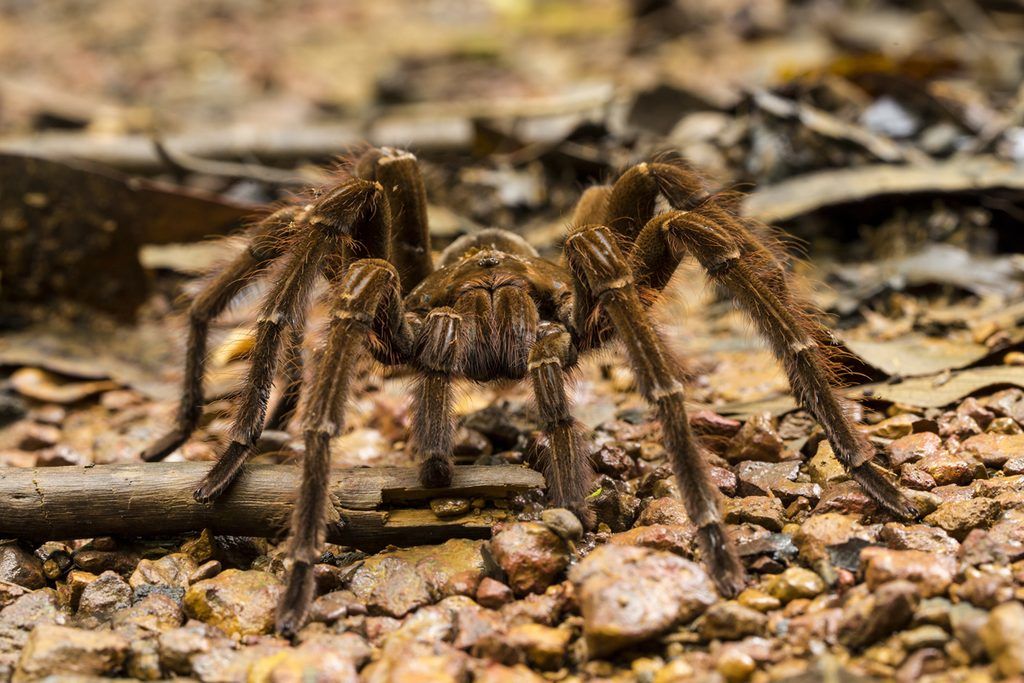
Spiders have become synonymous with all things spooky, but the Goliath birdeater, also known as the Goliath bird-eating tarantula, takes “creepy-crawly” to another level. Found in the rainforests of northern South America, it’s the largest spider in the world by mass and body length, with a leg span that can reach about 11 inches and a weight of up to 6.2 ounces.
Despite its name, the Goliath birdeater rarely eats birds; it typically hunts on the forest floor, feeding on insects, earthworms, frogs, and other small animals — and it has a surprisingly creepy defense. When threatened, it can rub its legs against its abdomen to produce a loud hissing sound and flick tiny, barbed hairs that irritate a predator’s eyes and skin. It’s perhaps no surprise that a real Goliath birdeater was cast as the monstrous spider in the 1990 horror movie Arachnophobia.
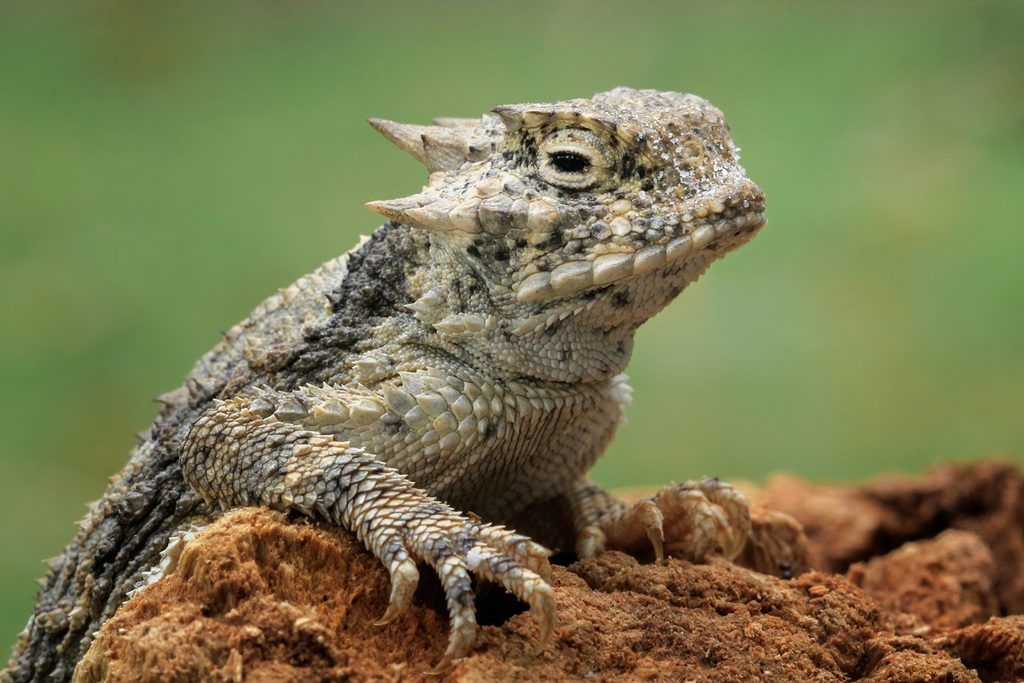
Horned Lizards Can Shoot Blood From Their Eyes
Horned lizards are small, spiky reptiles, generally only 3 to 5 inches long, but several species have a defense that sounds like something from a horror movie. When threatened by a predator, it can increase the blood pressure in vessels behind its eyes and force blood through ducts at the corners of its eyes. The streams can shoot as far as 3 feet, startling or confusing a predator long enough for the lizard to escape.
In some species, such as the short-horned lizard, the blood contains a chemical that’s noxious to canid predators such as coyotes, dogs, and wolves. Horned lizards have other impressive defenses, too. They can flatten themselves against the ground, inflate their bodies to nearly twice their normal size, and use the horns and spiny scales on their heads and bodies to make themselves difficult to swallow.
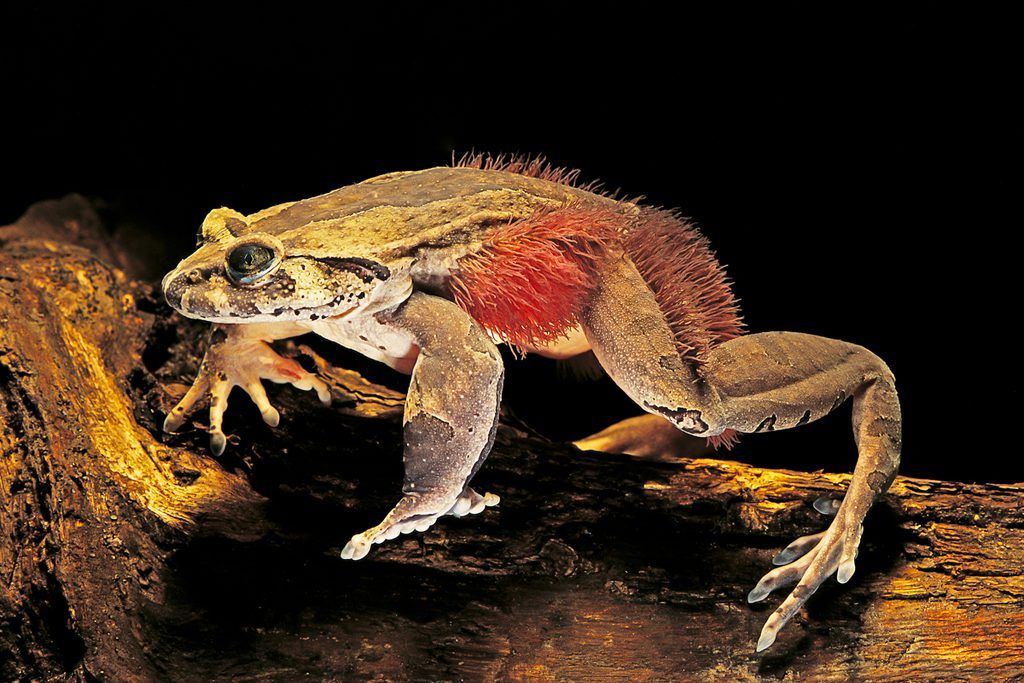
Hairy Frogs Can Break Their Own Legs
The hairy frog is a 3-to-5-inch frog from Central Africa, but its diminutive size doesn’t make its defense any less disturbing. When threatened, it can turn the bones in its hind feet into temporary weapons by contracting a muscle in its foot, breaking the connection between the tip of a toe bone and a small bony nodule. The sharp bone then slices through the skin of the toe pad, emerging as a pointed claw.
The result is as gruesome as it sounds, as the frog essentially punctures its own feet to arm itself. The exposed bone can inflict deep, bleeding wounds on a predator — or an unlucky person who handles the frog.
Researchers aren’t certain how the claws retract or how much discomfort the process causes, although the damaged tissue appears to heal afterward. The hairy frog is sometimes called the “horror frog,” a fitting nickname for an animal that carries its own bone claws beneath its skin.
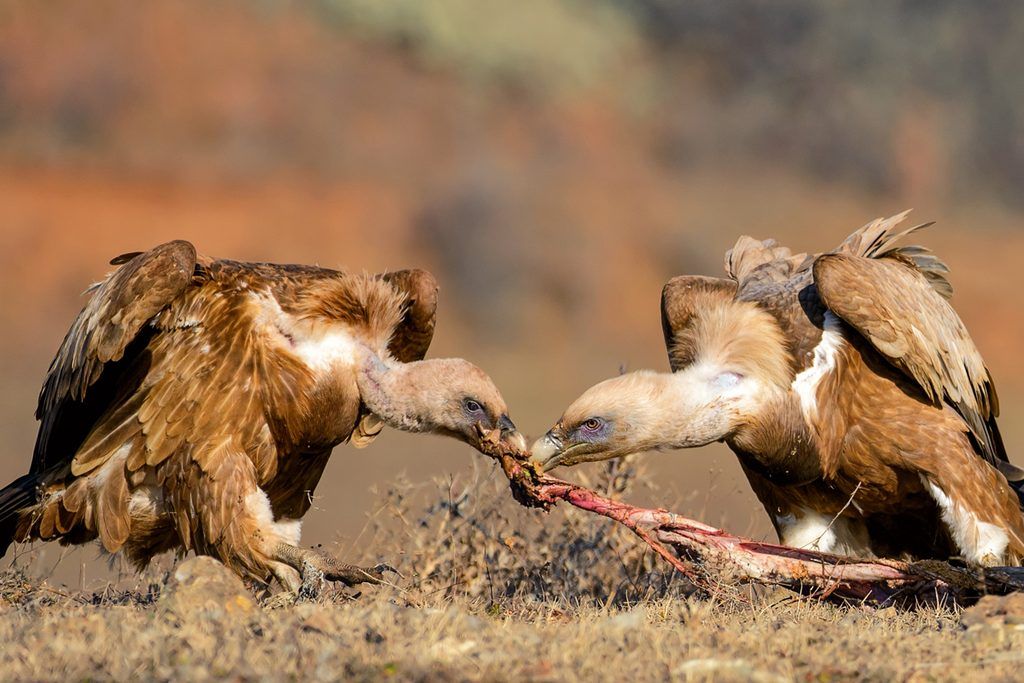
Vultures Purposely Pee on Their Legs
Vultures have long appeared in grisly imagery, often circling above scenes of death or waiting for something (or someone) to die. Their association with carrion has certainly given them a creepy reputation, but their real-life habits can be even more disgusting. New World vultures, including turkey vultures, regularly urinate and defecate on their own legs and feet.
This behavior, called urohidrosis, actually helps the birds stay cool. As the liquid evaporates from their bare legs, it lowers their body temperature, which is particularly useful when they’re soaring and feeding in hot environments. The waste may also have antimicrobial properties that help protect their feet from bacteria picked up around carcasses, although the cooling benefit is the better-established explanation.