5 Animals With the Strangest Sleep Positions
For humans, sleep usually means lying down in a dark room, closing our eyes, and disconnecting from the waking world for roughly eight hours at a time. But other animals face a very different challenge day to day: getting adequate rest while simultaneously staying alert enough to survive.
Some animals have evolved ways to sleep while standing, others divide downtime among an entire colony, and some can doze while traveling thousands of miles. Here are some of the ways that animals sleep totally differently than humans.
Sloths Sleep While Hanging From Trees
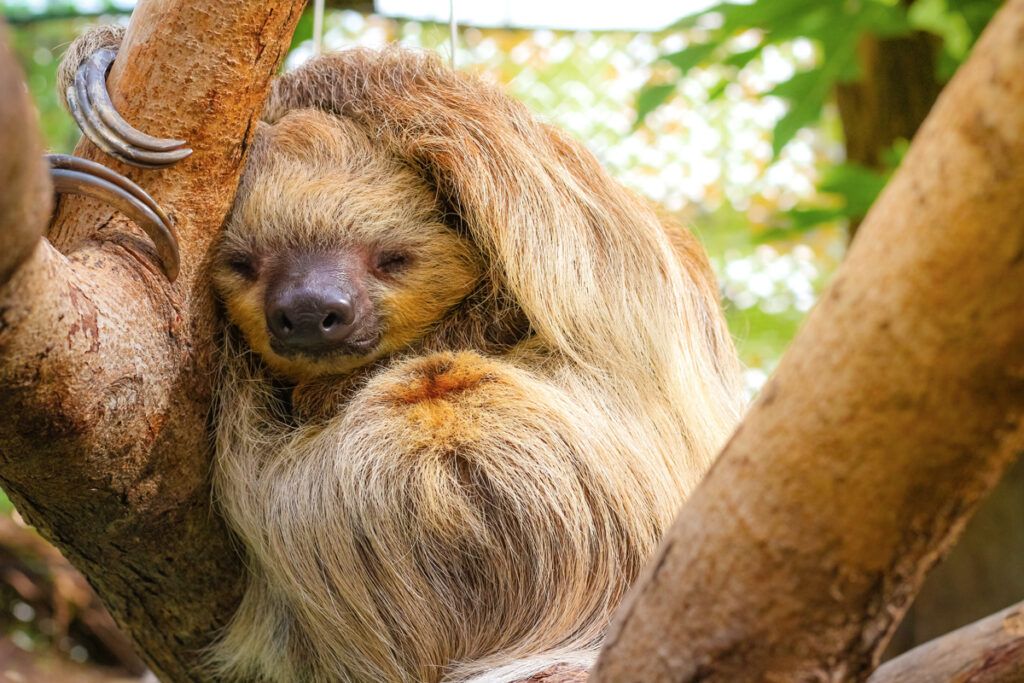
Sloths spend most of their lives hanging among the tropical forest canopies of Central and South America, and their bodies are built around their upside-down lifestyle. Their specialized curved claws allow them to dangle from branches without exerting much muscular effort, meaning they can rest for about seven to 10 hours a day while securely attached to trees.
Staying hidden in the leaves keeps them out of reach of threats on the forest floor, but hanging upside down for hours at a time does require some unusual adaptations. Sloths’ internal organs are anchored in place by specialized attachments, preventing them from pressing against their lungs and ensuring they can easily breathe while inverted.
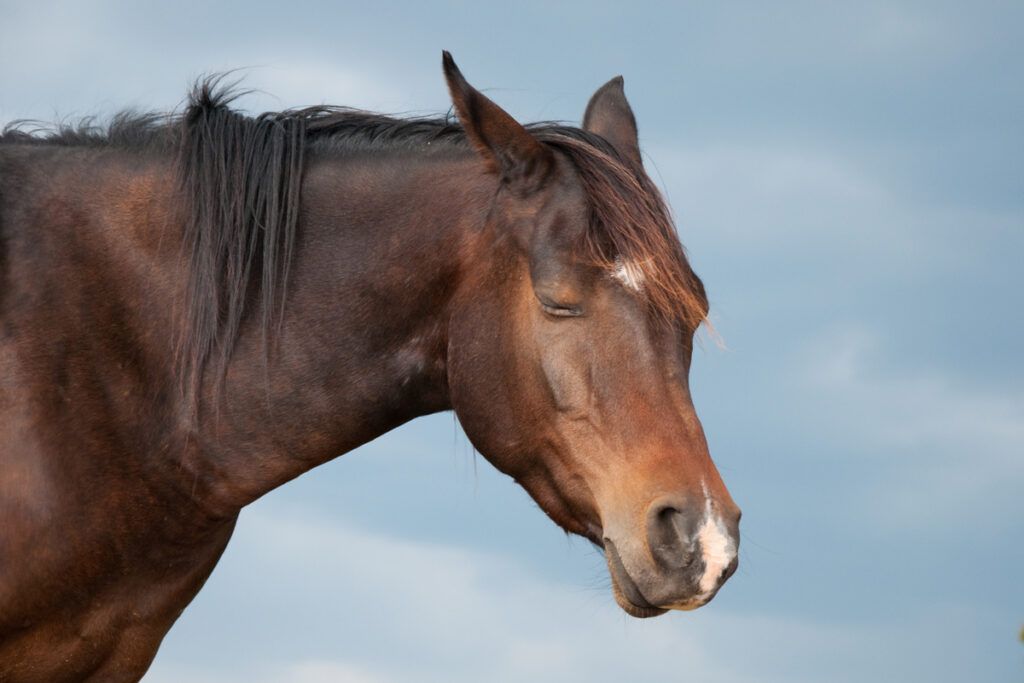
Horses Sleep Standing Up
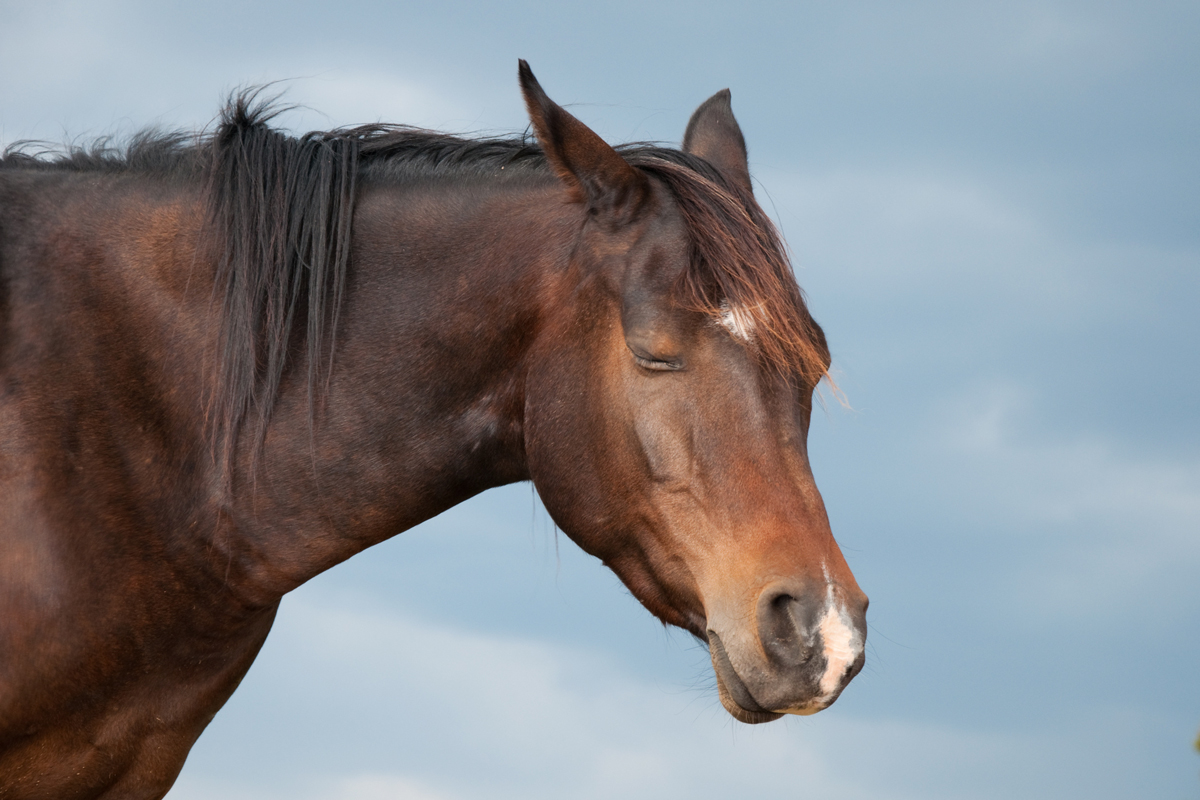
Taking a nap on your feet may seem impossible, but horses have a specialized adaptation that allows them to rest while remaining upright. A system of ligaments and tendons in their legs called the stay apparatus locks their joints in place to support their weight without actively using their muscles, allowing them to enjoy rest and recovery time without lying down.
This also lets horses, who are naturally prey animals, rest while remaining ready to flee from predators at a moment’s notice. Standing sleep isn’t their deepest form of rest, though — horses still need to lie down occasionally to enter REM sleep. Horses are polyphasic sleepers, meaning their total daily sleep is broken into short stints rather than being done in one long stretch as humans do.
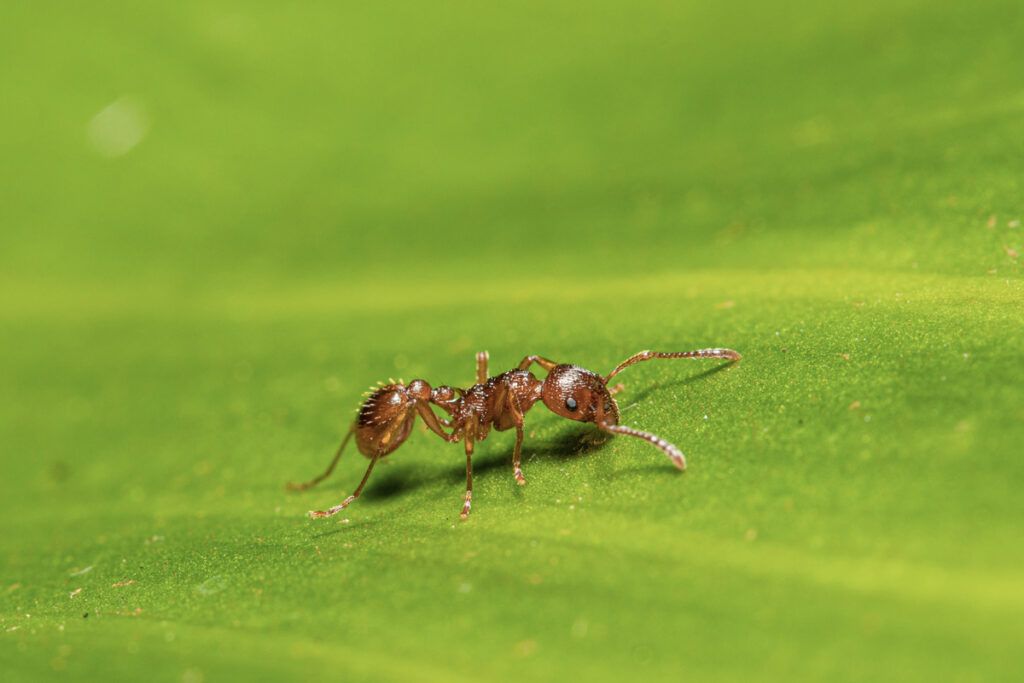
Ants Sleep in Shifts
Like horses, but unlike humans, ants don’t settle into one long period of sleep. In fire ant colonies, research has found that worker ants take hundreds of tiny naps throughout the day; they average about 250 rest periods, each lasting little more than a minute.
That adds up to roughly five hours of sleep daily, while about 80% of the workforce remains awake and active at any given time. The queen, however, gets her beauty sleep, following a more familiar human pattern of resting for about nine hours a day in longer periods of deeper sleep.
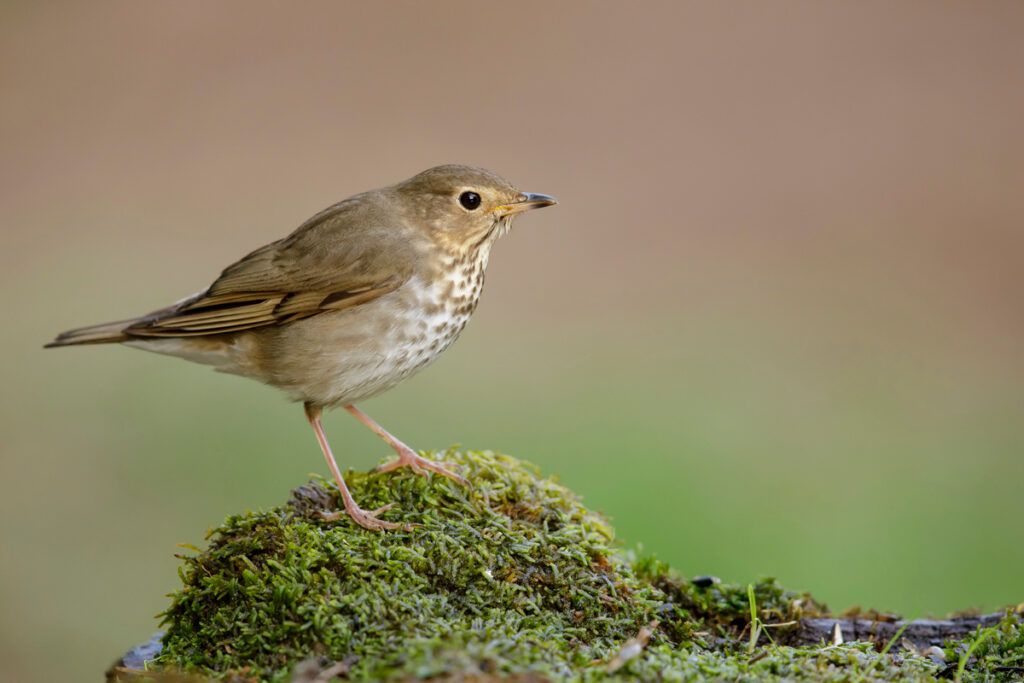
Migratory Birds Sleep Midflight
Sleep is a challenge for migrating birds: Stopping to rest can mean losing valuable time and energy during a journey that may span thousands of miles, often over nothing but open water. Some species have adapted by taking incredibly brief naps while traveling. Swainson’s thrushes, for example, can subside on naps lasting only about nine seconds during migration.
Migratory birds can also adjust when and how much they sleep depending on certain conditions, balancing the need for rest with the demands of travel, navigation, and avoiding predators.
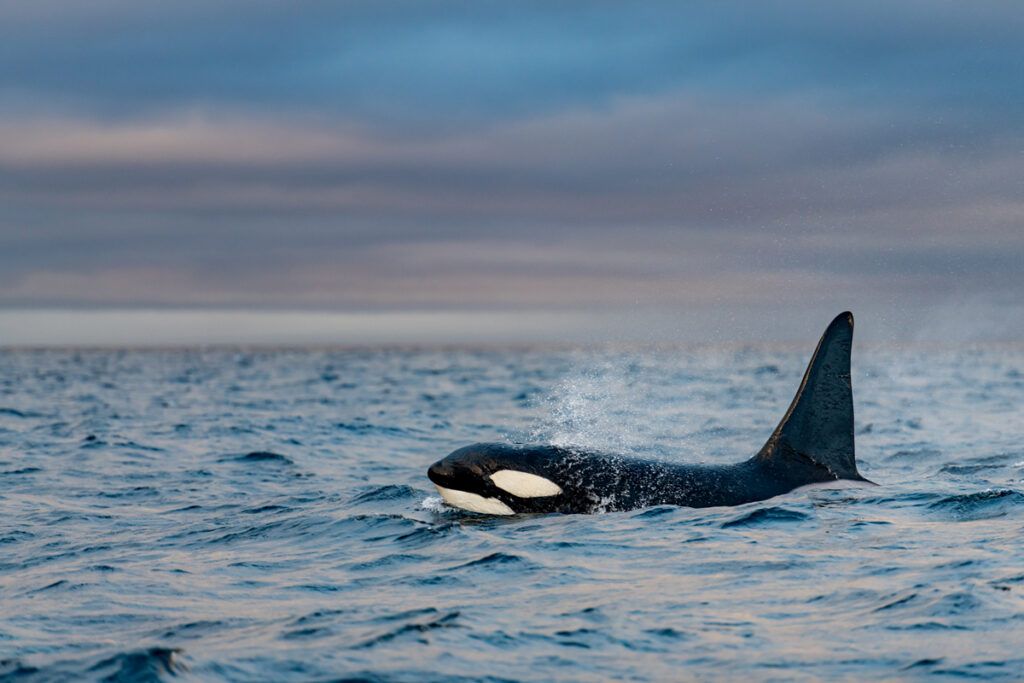
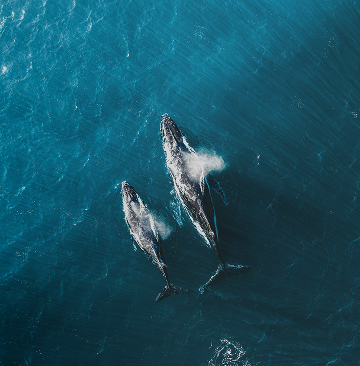
Orcas Sleep While Swimming
Orcas, like all animals, need to rest, but they also need to keep breathing. Like other marine mammals, they’re conscious breathers, meaning they must remember and actively decide when to surface for air; falling into a deep sleep may mean suffocation or drowning.
To avoid this, orcas enter a state called unihemispheric sleep: One half, or hemisphere, of the brain rests, while the other remains alert to the need to breathe. The orca periodically switches which side of the brain is resting and which is awake. During this time, one eye also stays open so the orca can monitor its surroundings and stay close to its pod.