The Strangest Tongues in the Animal Kingdom

As humans, we mostly use our tongues to taste food and form words. But throughout the animal kingdom, this underrated organ takes on some considerably stranger jobs. A tongue, it turns out, can be a remarkably versatile piece of anatomy, shaped by the demands of an animal’s diet and habitat.
Like so many unusual adaptations, these impressive tongues are the results of many generations of fine-tuning. Small anatomical changes can give a species a new way to find food, handle prey, or navigate its environment; over time, those mutations can produce some truly bizarre results. Here are six animals with some of the weirdest tongues in nature.
Woodpeckers
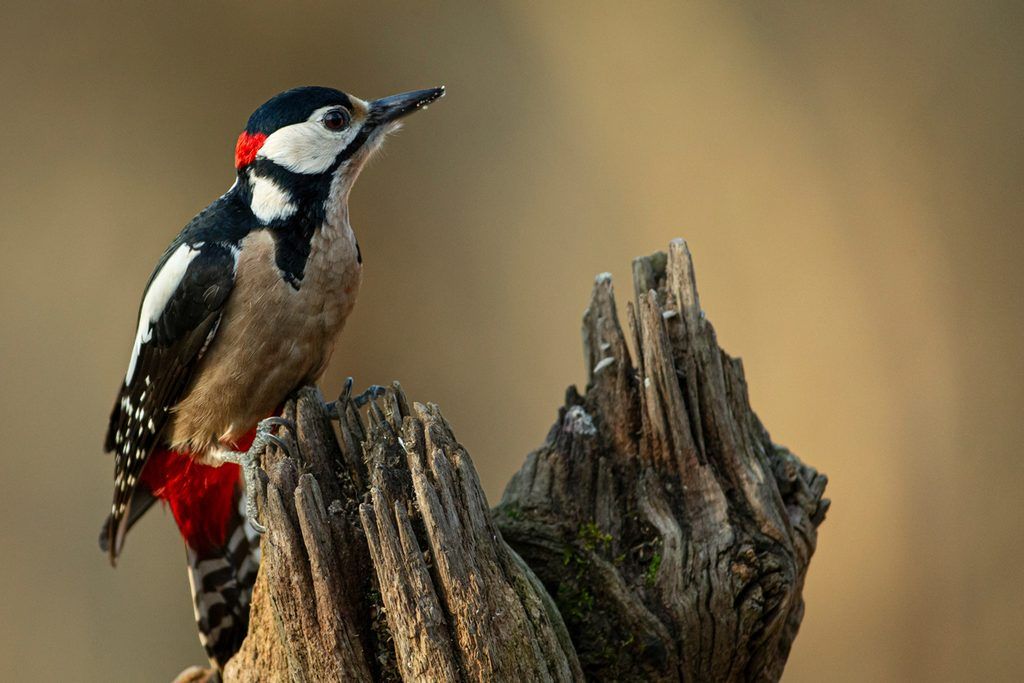
Woodpeckers need long tongues to reach insects hiding deep inside trees. But there isn’t a ton of room for all that tongue inside the small bird’s mouth when it isn’t being used. So where does it go? Around its skull.
A woodpecker’s tongue connects to the hyoid apparatus, a long structure made of bone, cartilage, muscle, and connective tissue. When the tongue retracts, this structure extends backward from the mouth and loops in, up, and around the skull.
In some species, such as the European green woodpecker, it reaches between the eyes and all the way into the nostrils. Such economical tongue storage has an added bonus: It helps insulate and protect the brain from all that pecking.
Alligator Snapping Turtles
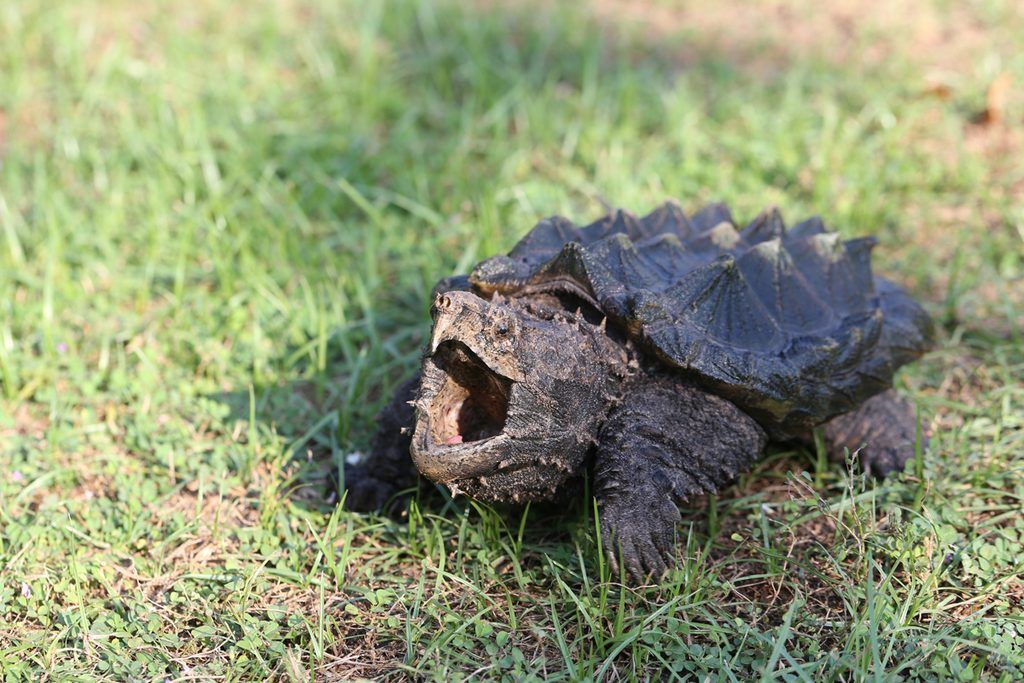
The alligator snapping turtle doesn’t hunt in a conventional way. This reptile lets its prey come to it by sitting at the bottom of the river or lake it calls home, opening its mouth, and wiggling its weird tongue.
The small, pink, worm-like appendage acts as a lure that draws unsuspecting fish into the turtle’s powerful jaws. The tactic is known as aggressive mimicry, and it allows these American ambush predators to successfully hunt while remaining almost completely still.
Giraffe
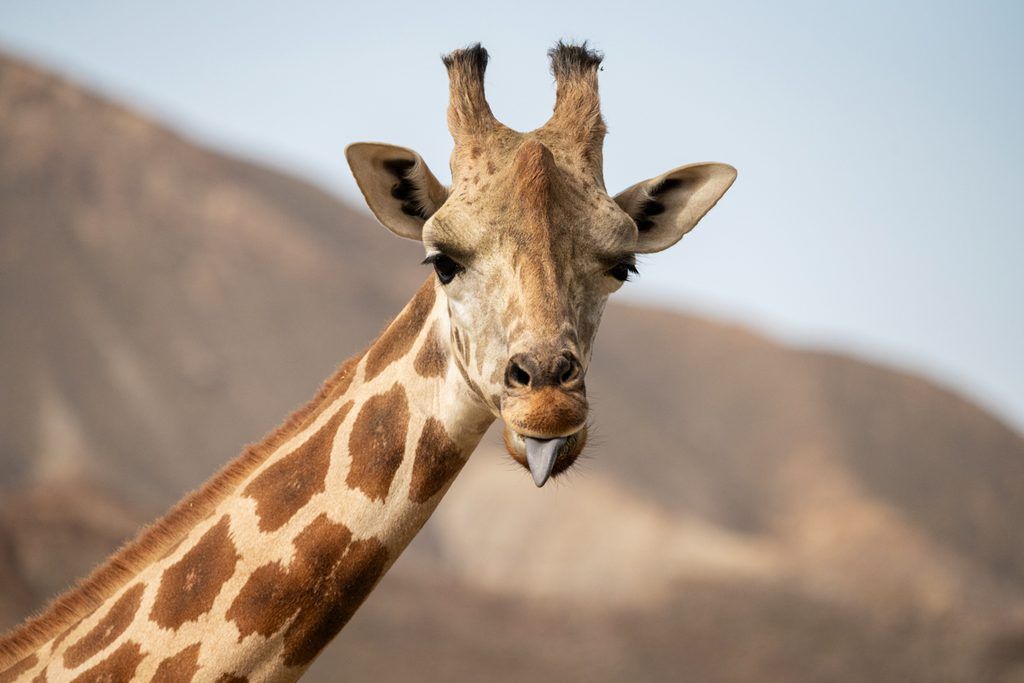
Measuring roughly 18 to 20 inches long, a giraffe’s tongue is prehensile, meaning it can deftly grasp and manipulate objects. This is especially useful when the object in question is a mouthful of leaves surrounded by thorns — and doubly so considering giraffes can eat up to 75 pounds of leaves a day.
Their tongue is a distinctive dark purplish color thanks to an abundance of the pigment melanin. Scientists think the adaptation may help protect the tongue from the sun’s UV rays. Giraffes can spend hours feeding with their tongues extended into the bright African sun, so a little built-in protection would certainly come in handy.
Chameleon
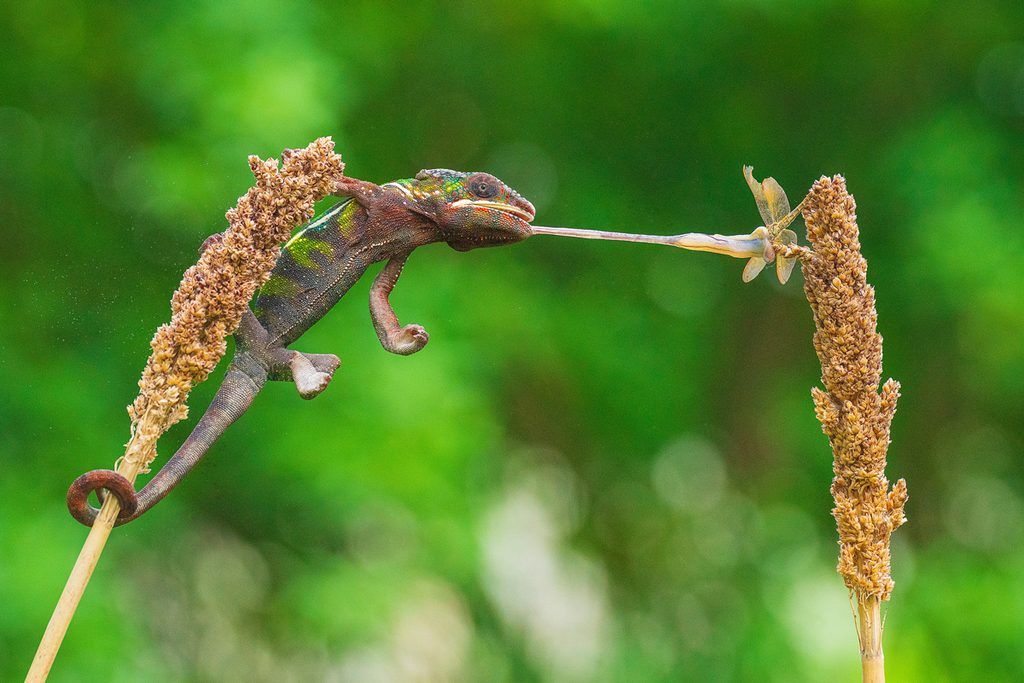
Chameleons often sit perfectly still before launching their tongues at far-away prey. In many species, the tongue stretches about twice the animal’s body length, and it can thrust outward to snatch its target in a fraction of a second.
The trick isn’t pure muscle power. A specialized structure in the throat stores elastic energy, essentially loading the tongue like a spring. When released, it shoots forward remarkably fast: In the rosette-nosed pygmy chameleon, for example, researchers recorded a tongue acceleration 264 times greater than that of gravity; more simply, that’s like a car going from 0 to 60 miles per hour in about one one-hundredth of a second.
Blue-Tongued Skinks
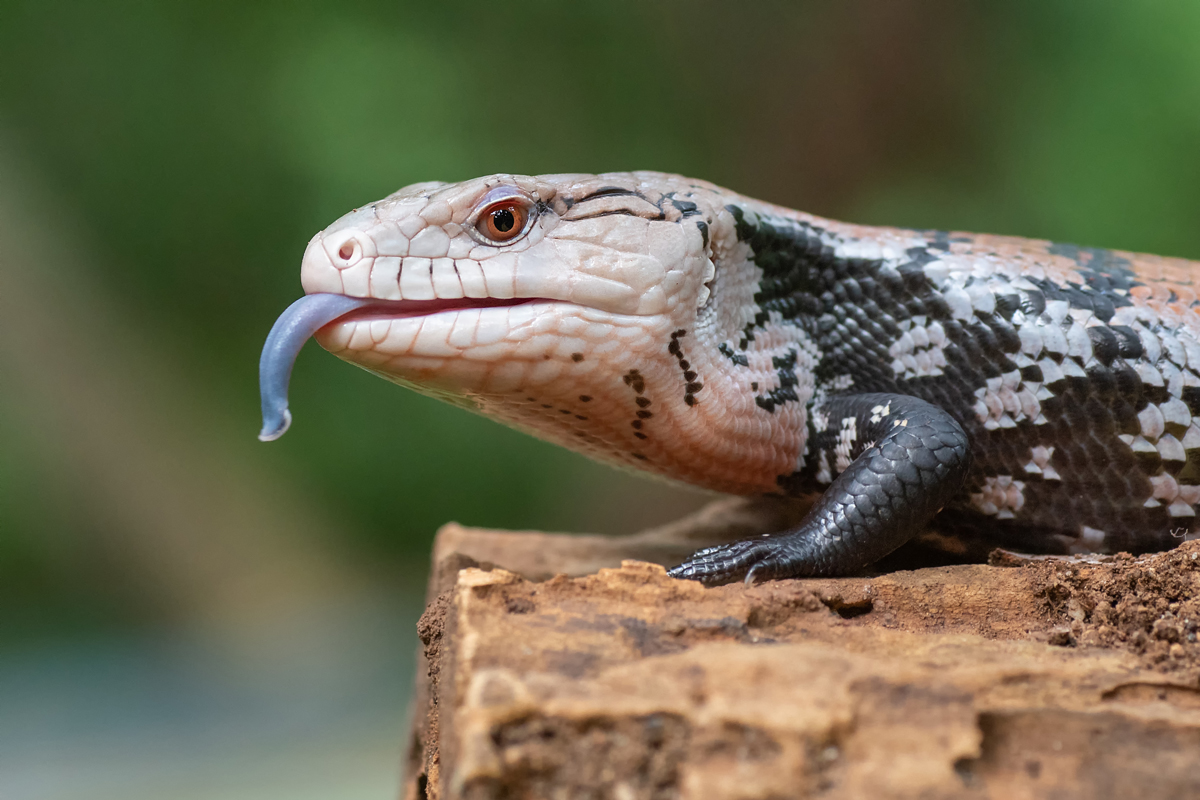
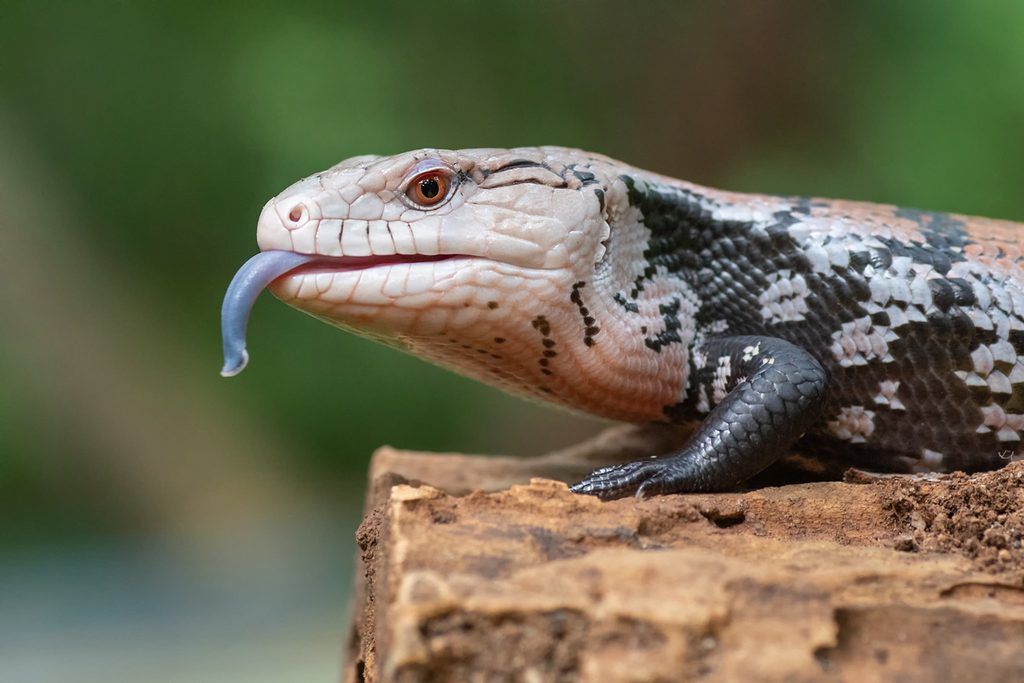
The blue-tongued skink uses its tongue as a bold warning. When feeling threatened, the Australian lizard opens its mouth, hisses, puffs up its body, and flashes its big, bright-blue tongue to scare off the potential predator.
It’s an intimidating display for a rather docile creature. Research has found that the tongues also reflect UV light; since blue shades and UV markings are common visual signals among lizards, the blue-tongued skink’s oral coloring may also help it communicate with others of its kind.
Penguins
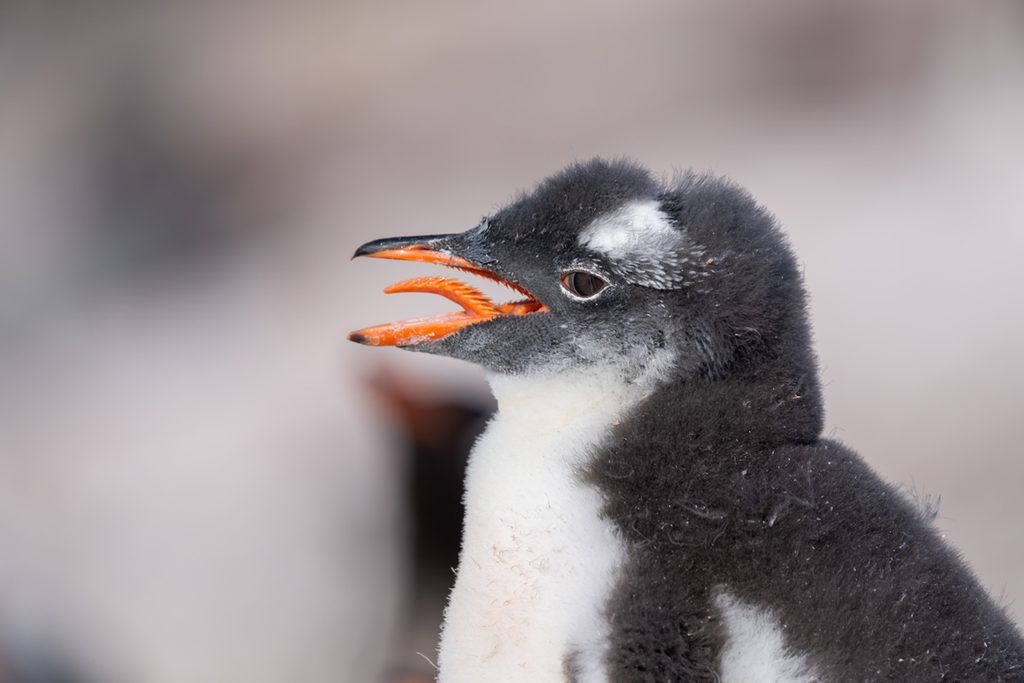
Penguins don’t have teeth, but their mouths are far from smooth. Their tongues and the roofs of their mouths are covered with rows of stiff, backward-pointing spines called papillae. These bristles are made of flexible keratin, the same material that makes up human hair and fingernails.
The spines work a bit like fish hooks: Since penguins can’t use their flippers like hands to handle food, these little papillae help them grip slippery fish. And because the papillae point backward, their catch can only move in one direction: down the throat and into the stomach.