The Strangest Ways Animals Mark Their Territories
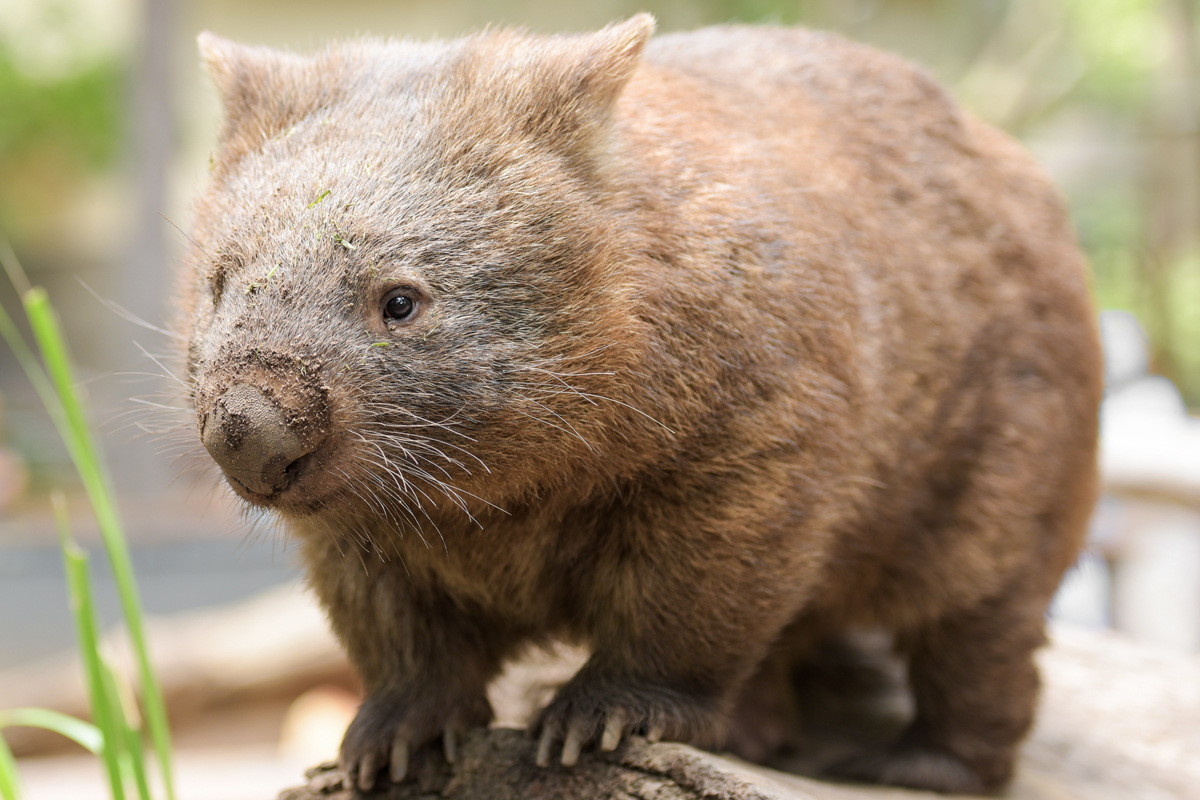

Doing a handstand may seem like an ill-advised party trick, but for some animals, it’s a declaration of territory. And while most animals rely on familiar methods of declaring territory, such as urinating on trees or leaving scent marks, others take considerably more creative approaches, including spraying feces or doing handstands.
Territorial markings aren’t always a warning to stay away: They can convey surprisingly specific information about the animal that left them, help prevent fights, and sometimes even attract potential mates. Here are some of the strangest ways animals mark their territory and what those bizarre signals mean.

Giant Pandas Do Handstands
To make themselves seem even bigger and more imposing than they are, giant pandas will often perform handstands by backing into a tree trunk or rock surface. Then, walking their hind legs up until they’re inverted, they’ll urinate much higher than their actual height.
To other passing pandas, a scent higher up may suggest a larger — and therefore more dangerous — panda is present, meaning they should find somewhere else to hunker down. Though pandas will duke it out if needed, these generally peaceful creatures prefer their scents to do the talking for them.
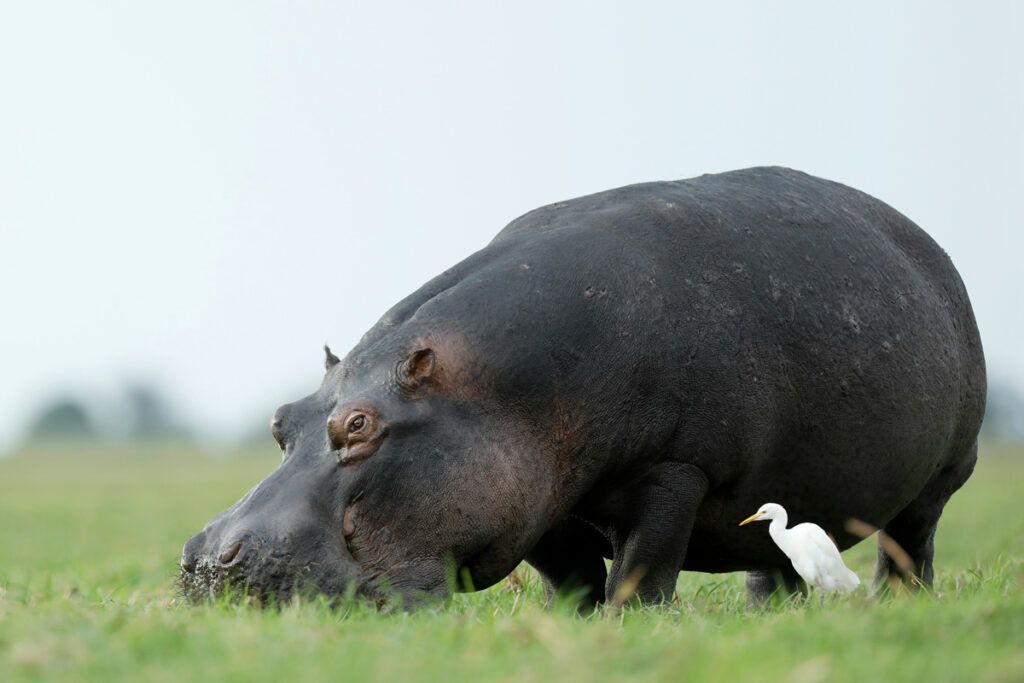
Hippos Turn Their Tails Into Dung Spreaders
Male hippopotamuses mark their territory in a way that’s as efficient as it is messy. When a dominant male needs to establish his presence along a stretch of a sub-Saharan African river, he doesn’t simply defecate as many animals do. Instead, the rhino uses his short, flat tail as a high-speed propeller.
As waste is eliminated, the rapid wagging of his tail sprays feces across rocks, river banks, and even into the water. This muck-spreading, as it’s known, distributes scent across a wide area, serving as a functional, if rather unrefined, way of signaling to other males that the terrain is currently occupied.
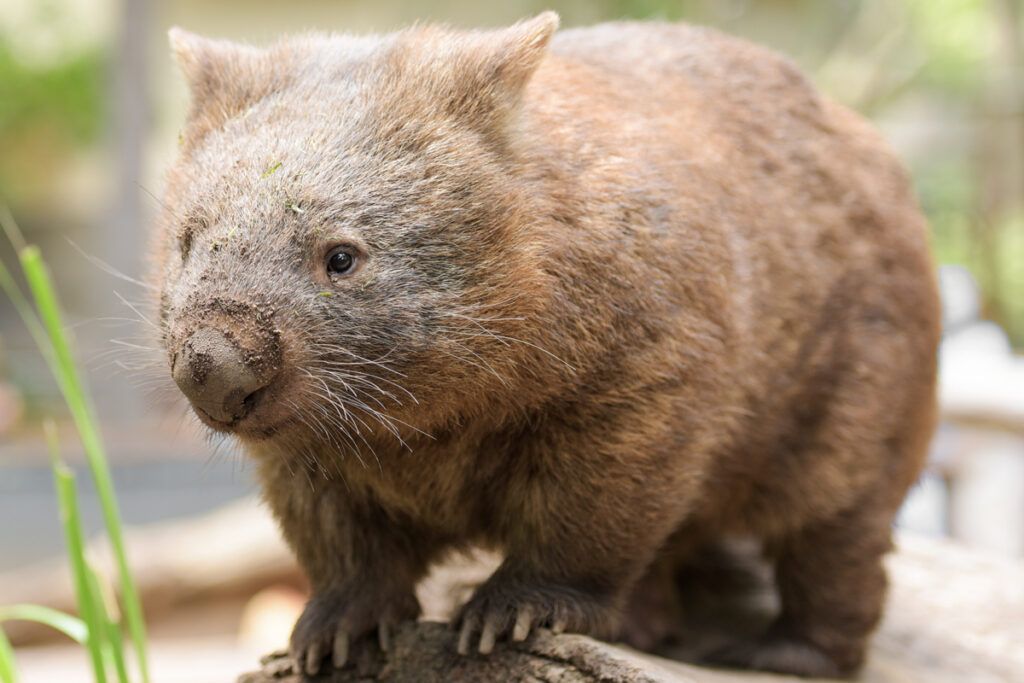
Wombats Create Poop Cubes
The common wombat is the only known animal to produce feces in cubes. The unusual shape has a practical advantage in the wombat’s rugged Australian habitat: Unlike rounded droppings, a cube is less likely to roll away once deposited.
The animals can produce up to 100 of these dry, cube-shaped droppings in a single day, leaving them on rocks, logs, and around burrow entrances where they’re likely to be noticed and received as a message that someone is home. The unique cubes are formed thanks to the length and elasticity of the wombats’ intestines, which shape the feces into flat-sided pieces. Once stacked up, the pile sends a clear signal for the next wombat passing through.
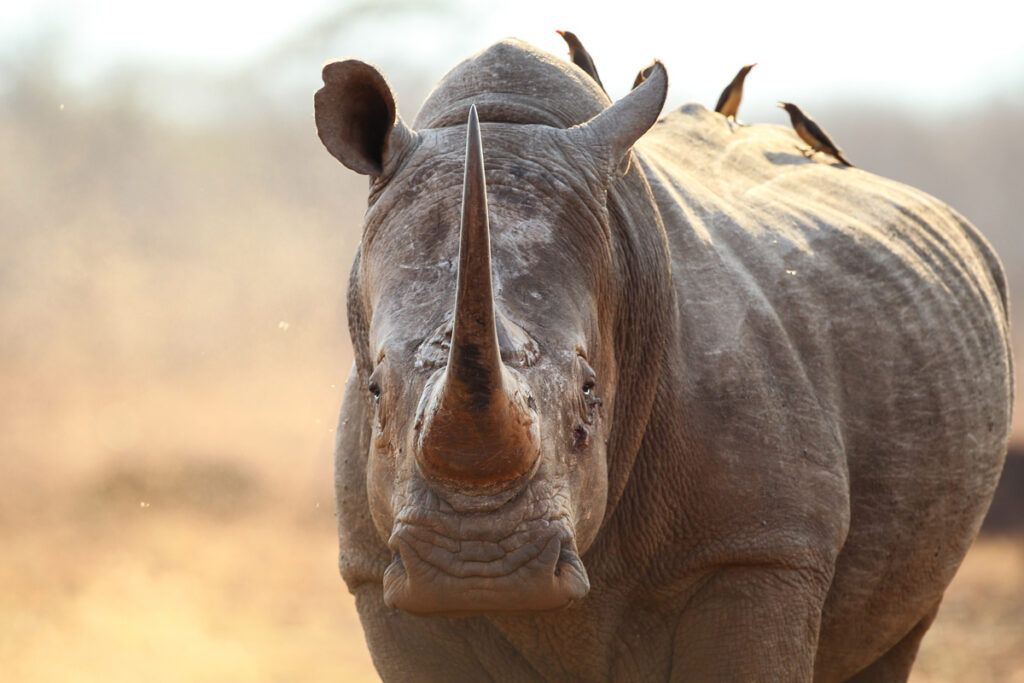
White Rhinos Maintain Communal Dung Piles
White rhinos don’t make their mark just once; rather, these southern African animals use communal dung piles called middens, which not only mark the boundaries of their territories, but also serve as a local information center of sorts. Multiple rhinos contribute droppings to the same midden, and the chemicals in those droppings can convey clues about each rhino’s sex, age, general health, and reproductive status to other rhinos investigating the pile. In this way, the midden can help rhinos keep tabs on who exactly is in the neighborhood without having to come face-to-face.
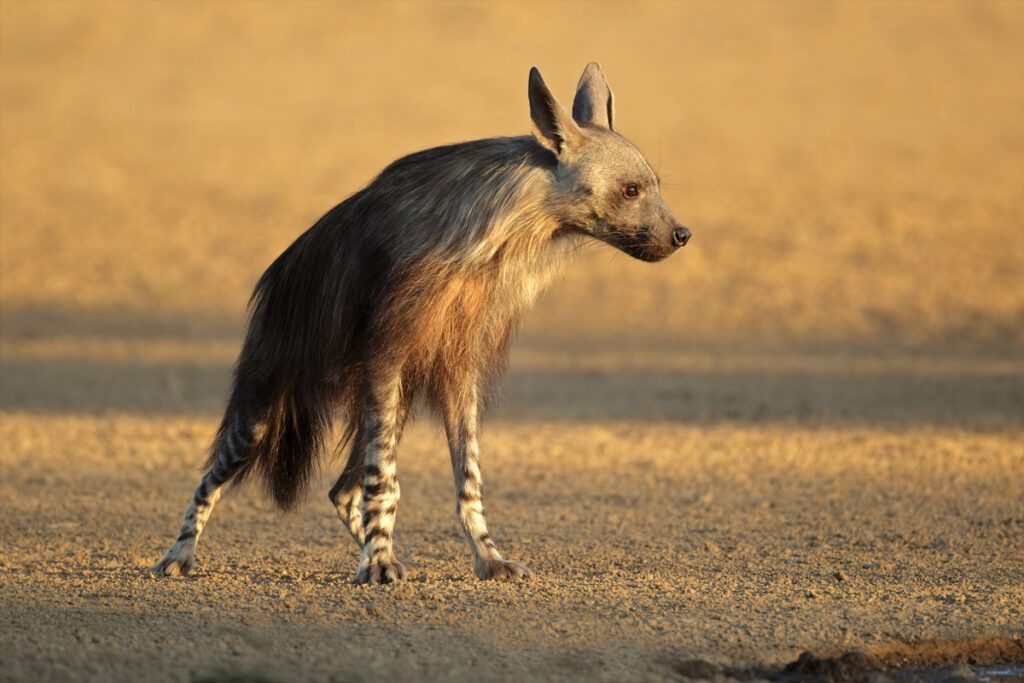
Brown Hyenas Create Black-and-White Pastes
Brown hyenas mark their territories with secretions from their anal scent glands, but they leave more than a single scent behind. The South African scavengers actually have two chemically distinct pastes that they deposit onto grass, sticks, or rocks.
A long-lasting white paste lasts for weeks and lets other hyena clans know that territory is spoken for. A black paste, however, signals information to its own clan, including who’s been moving through the territory and how recently.
More importantly, it also communicates whether an area has recently been searched for food. Brown hyenas typically forage alone and often rely on unpredictable food sources such as carrion, so letting others in the clan know what ground has already been covered helps avoid wasted time in an area that’s already been picked over.
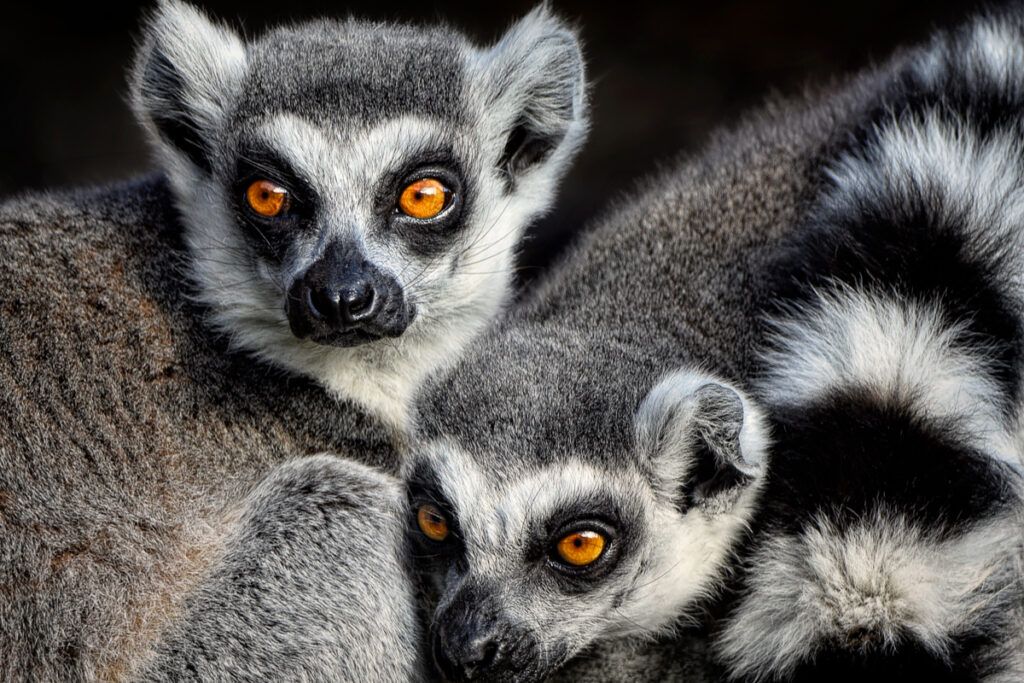
Ring-Tailed Lemurs Pick Fights With Their Tails
Ring-tailed lemurs have made territory marking into somewhat of a competitive sport. Males possess scent glands on both their wrists and chests, and during what’s known as a stink fight, two males rub their long, bushy tails against their glands and then wave them at each other.
Typically, the strongest scent wins, and the display keeps things from turning more physical. Lemurs also use sharp spurs on their wrists to carve into tree trunks and leave their scent, clearly setting their boundaries in Madagascar’s forest canopies.